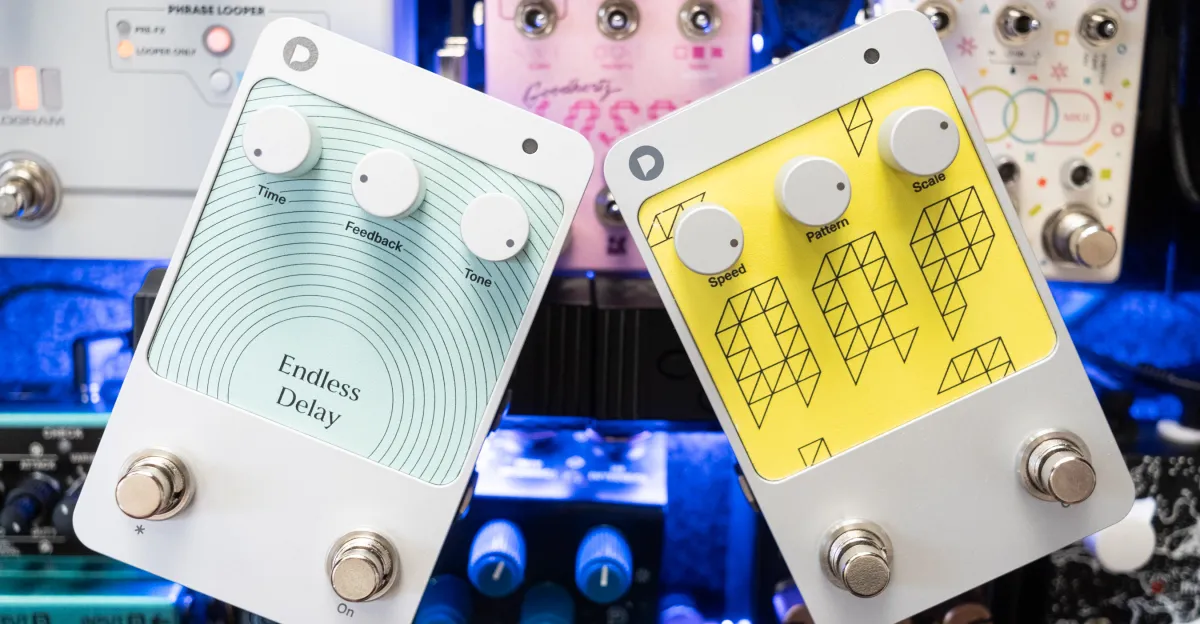
As I've pointed out before, AI is good at some things but still has a long way to go for others. As a part-time musician, I've been watching AI results from written descriptions of desired guitar tones. Across a few products now, the results seem very hit or miss and from what I've seen so far -- mostly miss. The latest I saw was from the new Positive Grid Reactor amp range. I've been using their Spark product for a while now and the latest from them is excellent. It also happens to include an AI tone generator based on a description (eg, "give me a Still Got The Blues lead tone from Gary Moore"). Like many other examples, it generated three results, one of which wasn't too bad, but the rest needed work. Also, to be fair, a lot of the tone comes from how the artist plays. I'm predicting that in a year's time, the results will be much better, but for the moment, treat this kind of feature as an early beta function and it highlights just how far many AI systems still need to go.
- Sometimes a study comes along that validates what you've been thinking for a while. In this case, it's "AI advice suppresses people's willingness to say 'I don't know' even when the advice is wrong and accuracy is incentivised" from Marcoccia, Quattrociocchi and Capraro. This title alone gives a lot away, but the authors found that access to AI advice suppresses critical thinking and has people denying that what is being parroted is in any way an error. As humans, the ability to say "I don't know" is important and something AI doesn't do, for the most part. This simple statement indicates a limit to knowledge in a given area or subject. AI, however, will always give you some kind of response, sometimes completely made up.