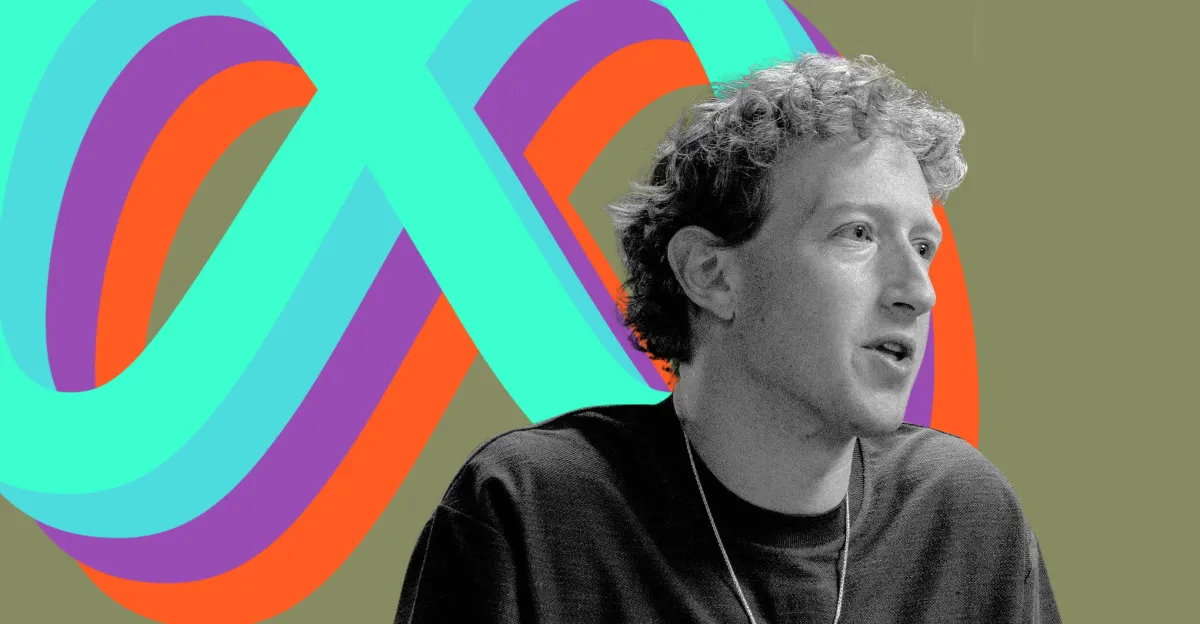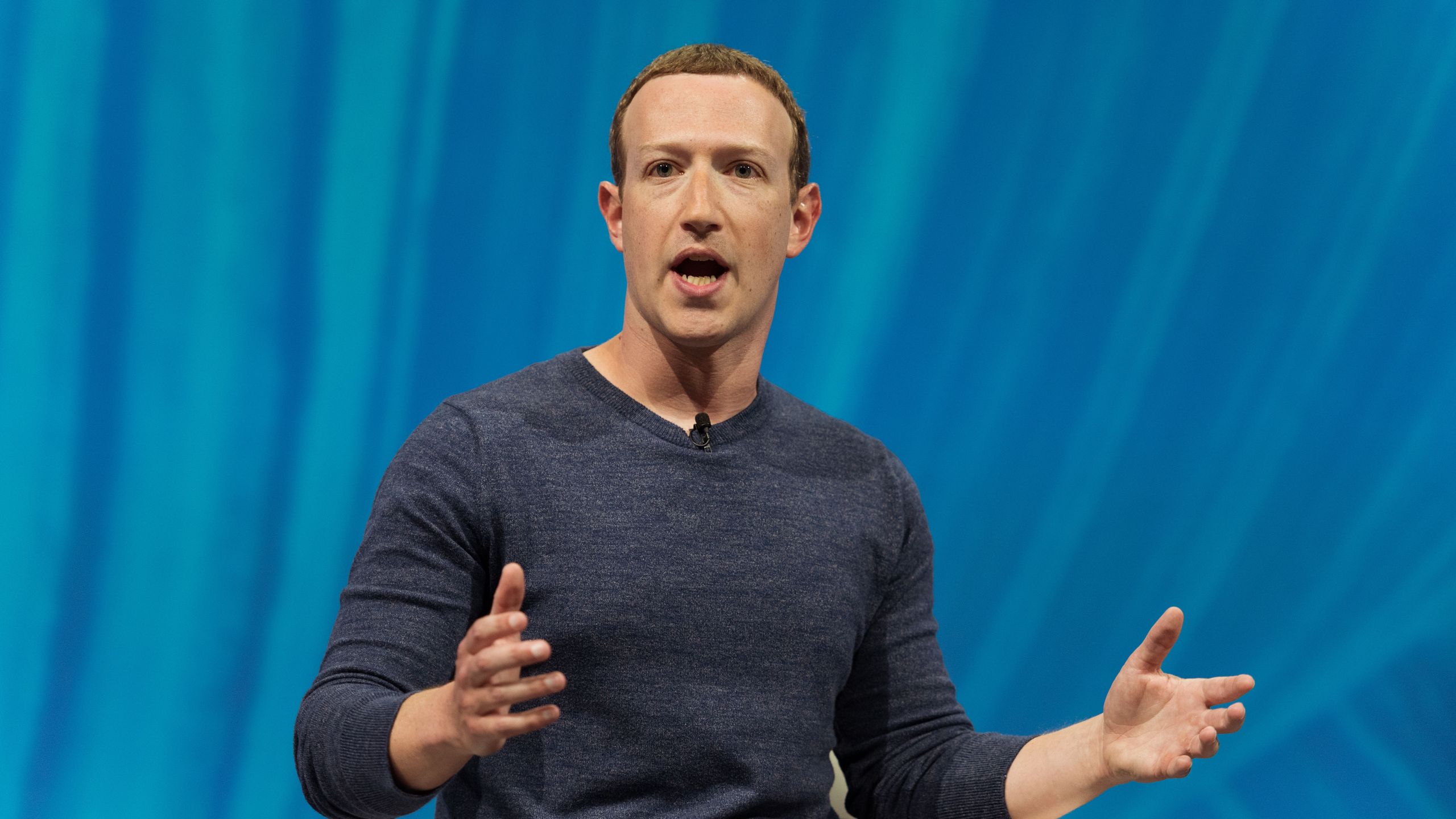
Mark Zuckerberg went on a media blitz with an open letter, an op-ed, and a NYT interview.
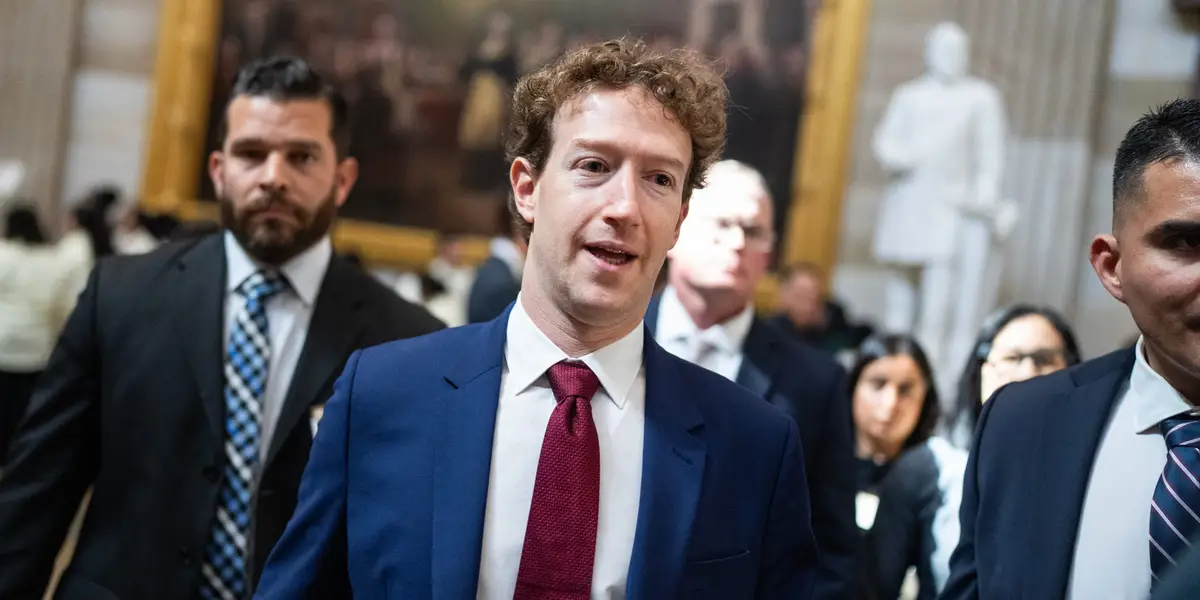
Tom Williams/CQ-Roll Call, Inc via Getty Images
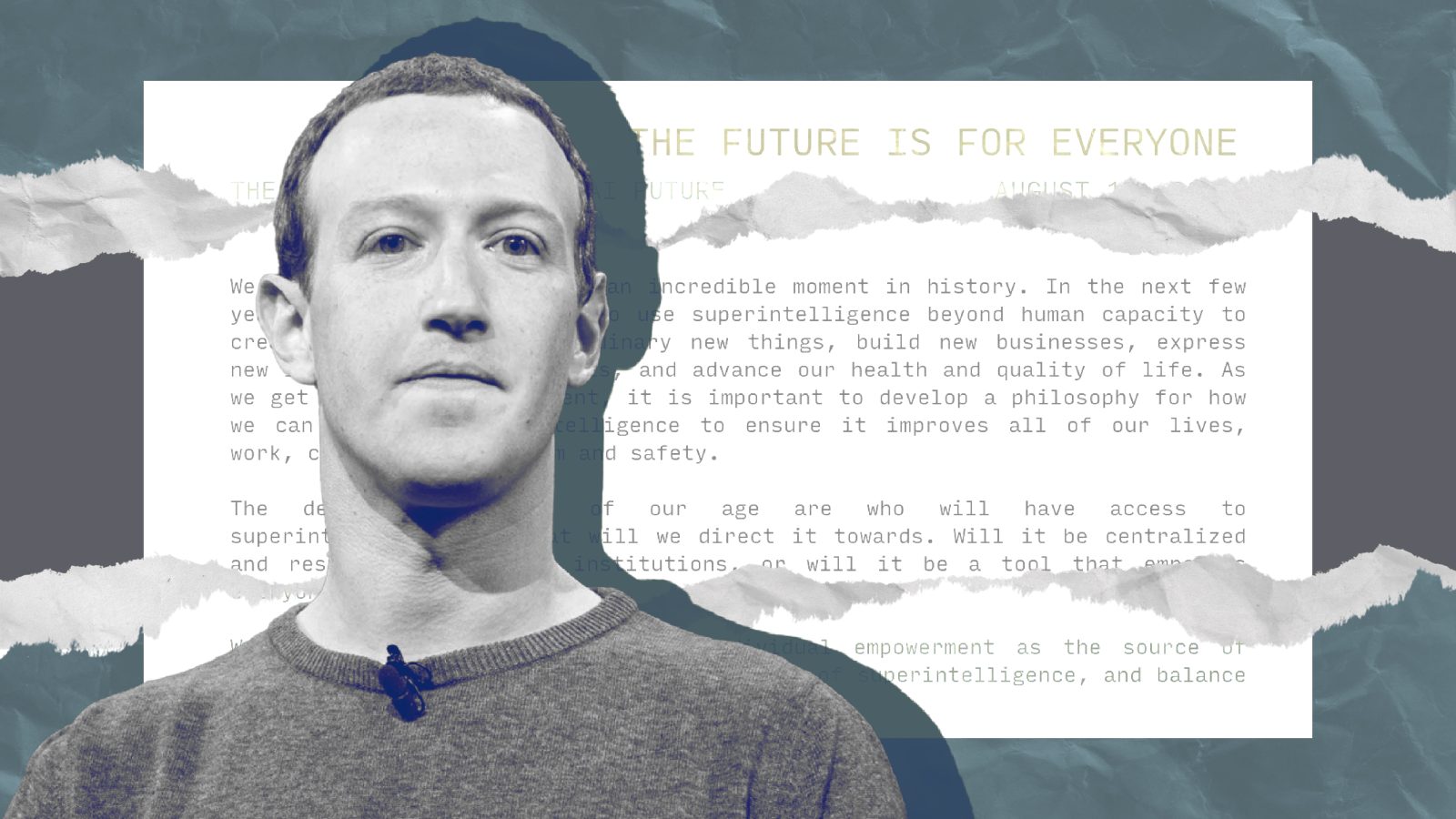
Mark Zuckerberg is making his biggest public push yet to shape the AI debate.Within a week, the Meta CEO published an open letter, penned a Wall Street Journal op-ed, and sat down with The New York Times for a rare interview.Across all three appearances, Zuckerberg laid out a consistent message: AI should be open, widely distributed, and built to empower individuals — not replace them.Here are the three biggest takeaways from his media blitz.AI shouldn't be centralizedZuckerberg repeatedly said that concentrating advanced AI in the hands of a few companies would be both economically and politically dangerous.In Zuckerberg's open letter, he said that America's "advantage is decentralized and open innovation," and that closing AI models to prevent China from gaining access to them will "only disadvantage the US and its allies."Zuckerberg echoed that view in his New York Times interview.
"So much of the discourse from a lot of the other labs that are developing this is overwhelmingly filled with doom," Zuckerberg said. "There needs to be a voice or several voices that are bringing realism to this debate.""I think it is literally impossible to have a single benevolent superintelligence that is simultaneously aligned with everyone at once," Zuckerberg added.Zuckerberg doesn't think AI will kill jobsZuckerberg is not buying the AI job market pessimism"I don't understand why anyone who believes that AI will eliminate most jobs and much of humanity's relevance would rush to build that future," said Zuckerberg in his essay in the Journal.Instead, he said that broadly available AI will create "more jobs in the future, not fewer," making it easier to start businesses and fueling a more entrepreneurial economy.Invention, not automation, is AI's biggest opportunityRather than framing AI primarily as a tool to automate work, Zuckerberg argued its greatest impact will come from helping people invent entirely new things."Invention, not automation, will be the greatest contribution of superintelligence," Zuckerberg wrote in the Journal, adding that AI could accelerate discoveries ranging from new medicines to breakthroughs that help people build businesses and solve problems."The history of democracy and economics has shown that there is no single objective answer to how people define the best life," Zuckerberg added, "And therefore the best approach is letting people decide what matters to them."