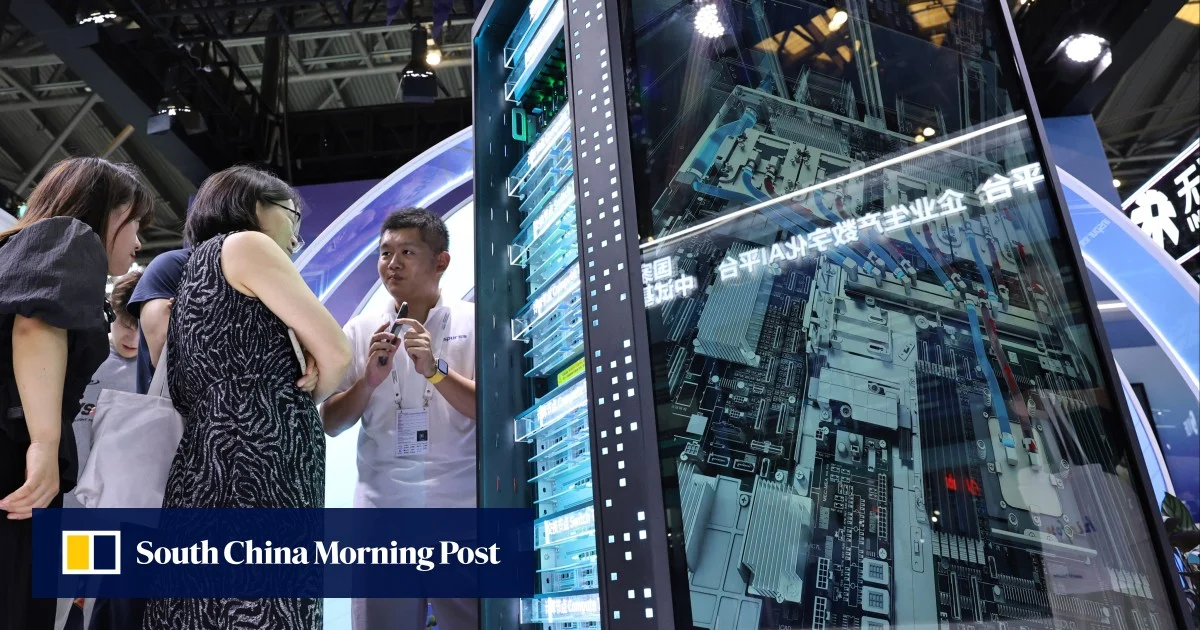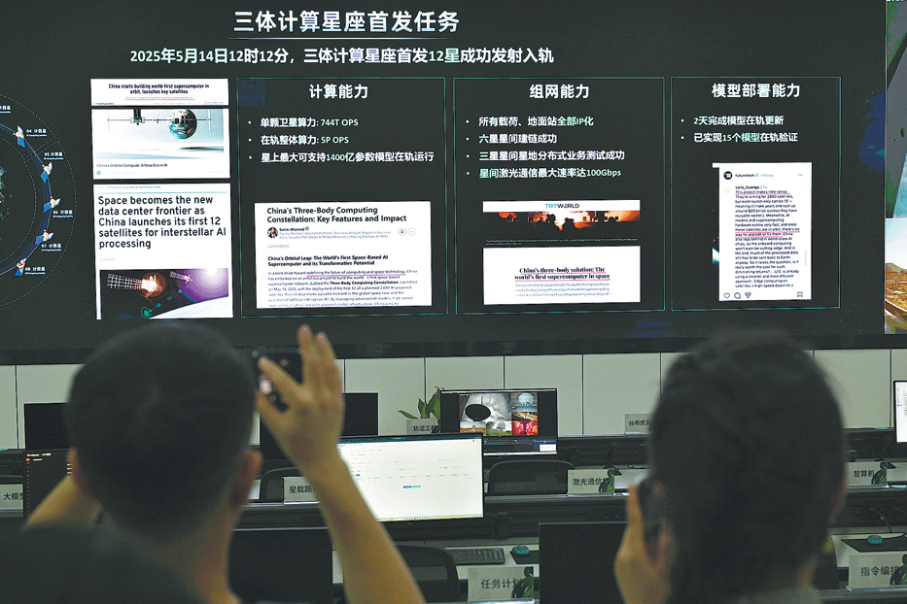
Visitors learn about the Three-Body computing constellation, a space-AI orbital computing system, at Zhejiang Lab in Hangzhou, Zhejiang province, on Monday. MAN HUIQIAO/CHINA NEWS SERVICE
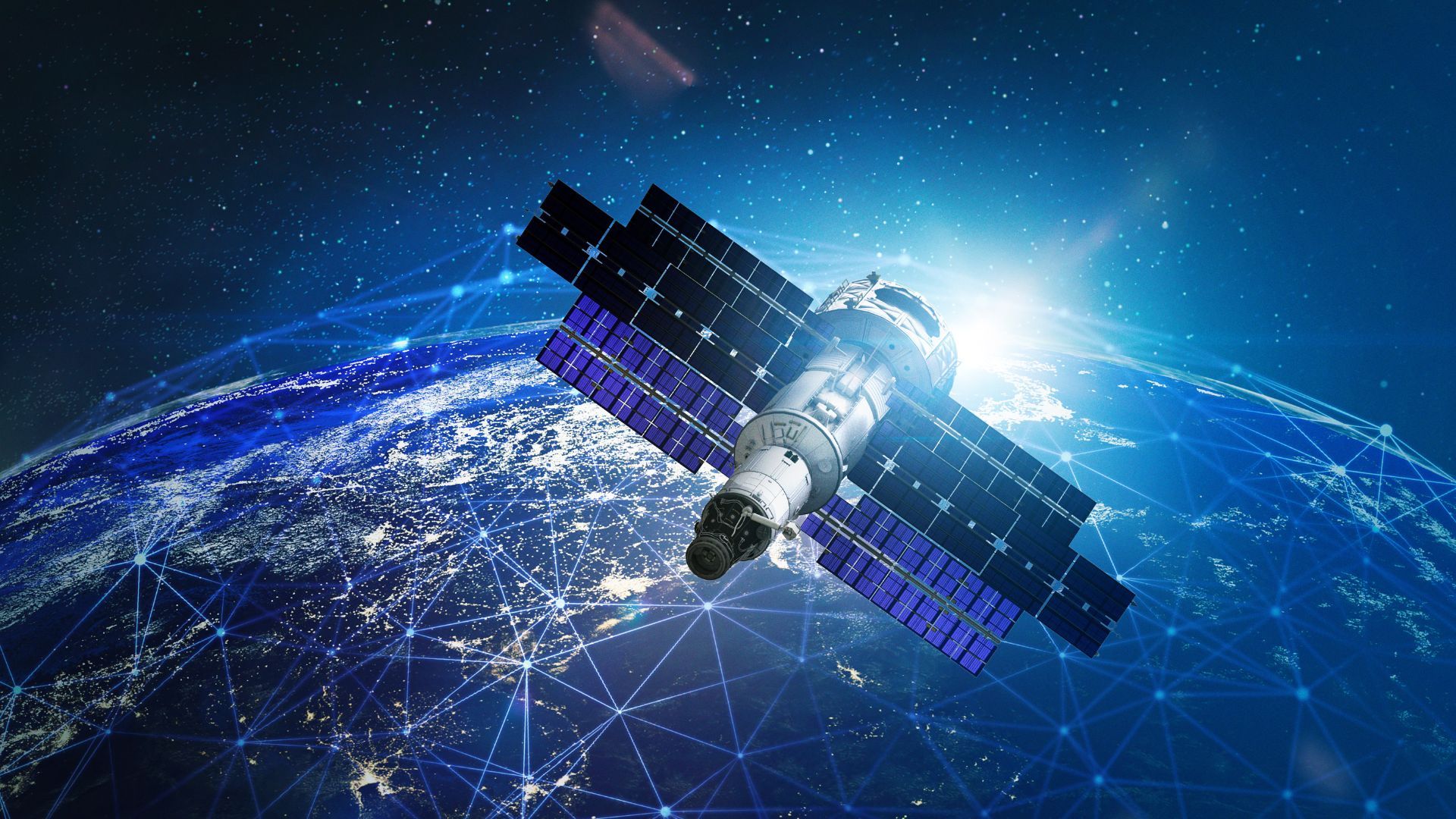
Space computing is opening a new front in global artificial intelligence innovation, as a flood of satellite data strains ground-based processing and China's Three-Body computing constellation takes computing power and AI models into orbit to turn raw observations into usable intelligence at the source.
"One remote-sensing satellite can generate about 0.1 petabyte of data per day. By a conservative estimate, more than 3,000 remote-sensing satellites will be in orbit by 2032, together producing about 300 PB of data every day," said Li Chao, chief engineer of the space computing system research task at Zhejiang Lab. "Processing that volume would require roughly 100,000 servers on Earth, which shows the scale of the computing-power shortage in space."
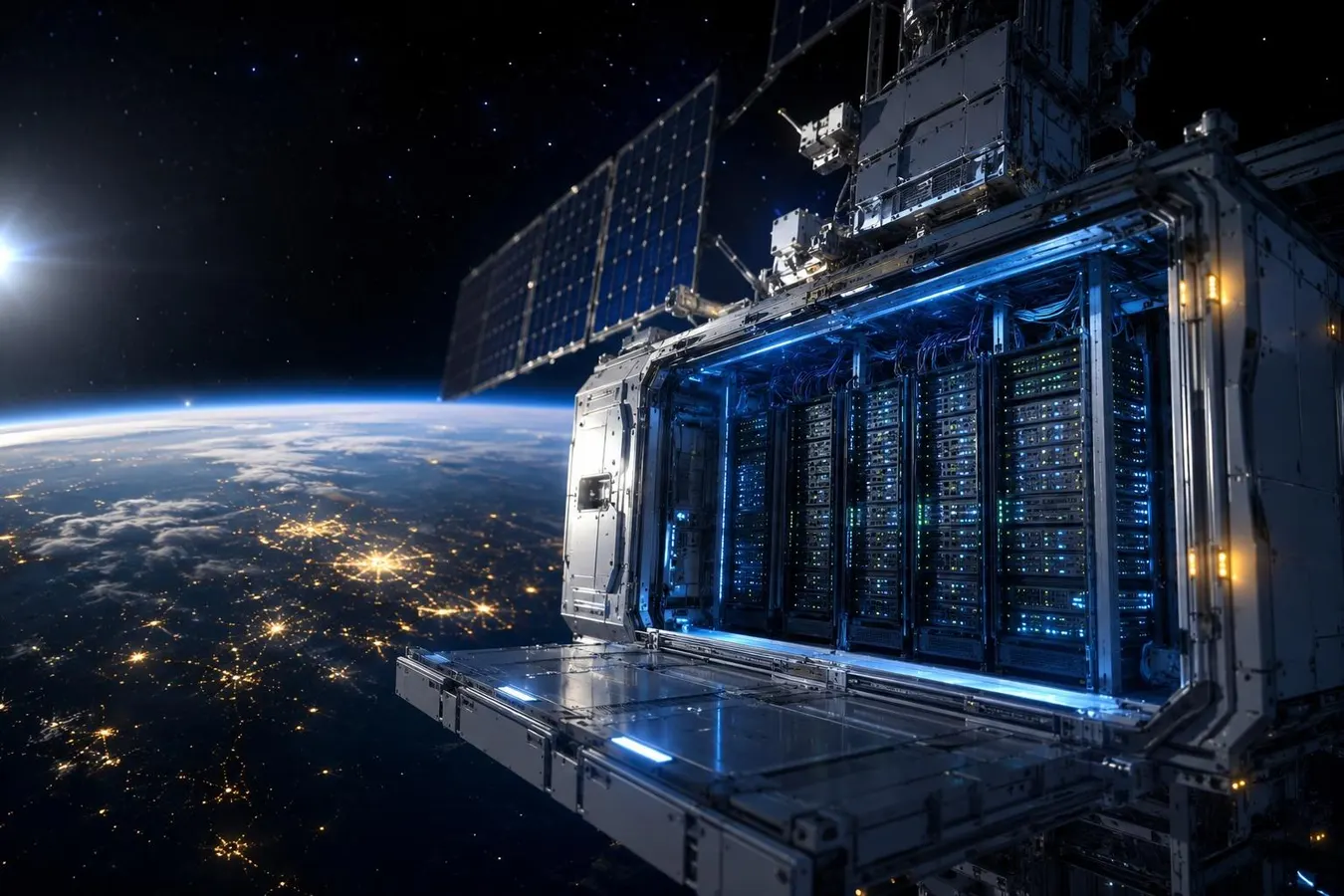
That looming shortage is the problem the Three-Body computing constellation was designed to address. Initiated by Zhejiang Lab and built with global partners, the project is organized around three tasks: putting substantial computing power into orbit, interconnecting satellites and sending AI models into space.