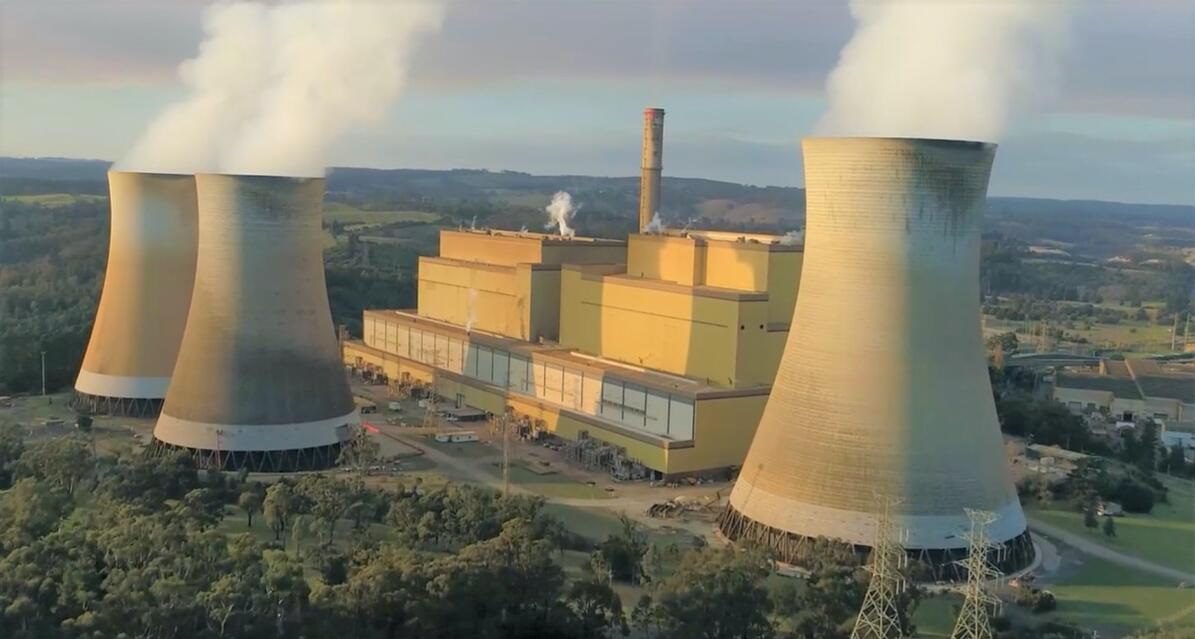
The failure of state and federal governments to set and adhere to firm end-dates for coal-fired power generation around Australia remains a thorn in the side of the renewable energy transition, industry says, creating investor uncertainty and suppressing the ability to attract the capital necessary to fund the shift.
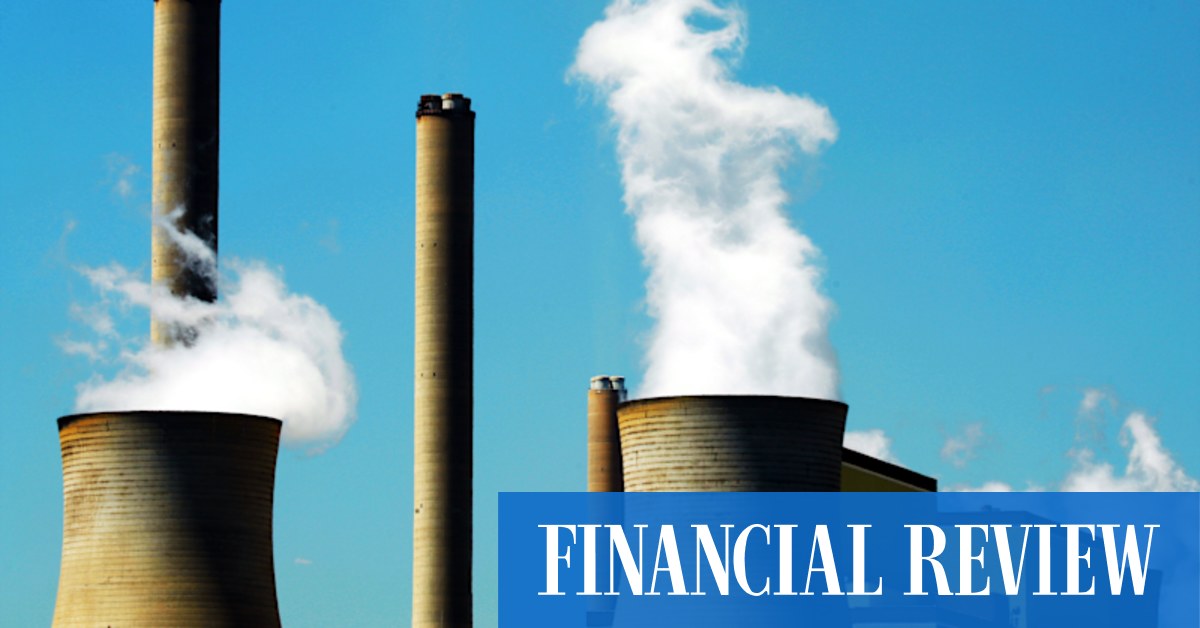
Black and brown coal generators still make up more than 42 per cent of Australia’s the electricity supply, with four coal plants still dominating the mix in New South Wales, three in Victoria, eight in Queensland and three in Western Australia.
While many of these coal plants have dates penciled in for their retirement, these are largely set by the private companies that own the majority of them. And repeated delays and uncertainty over future changes is now cited as one of the main, if not the main, issue haunting the backers of new renewable developments.
On top of this, state governments have shown a propensity to intervene in coal plant retirement timelines, most notably in New South Wales and Queensland, where the abject political fear of “the lights going out” has led to public spending on keeping coal clunkers operating past their use-by date.
And while costly, eleventh-hour coal extensions might settle political nerves, and cause a softening in wholesale electricity prices, they do nothing for the confidence of renewable energy developers or the international investors who back them – and nothing for the pace of the very transition that is needed to replace coal.