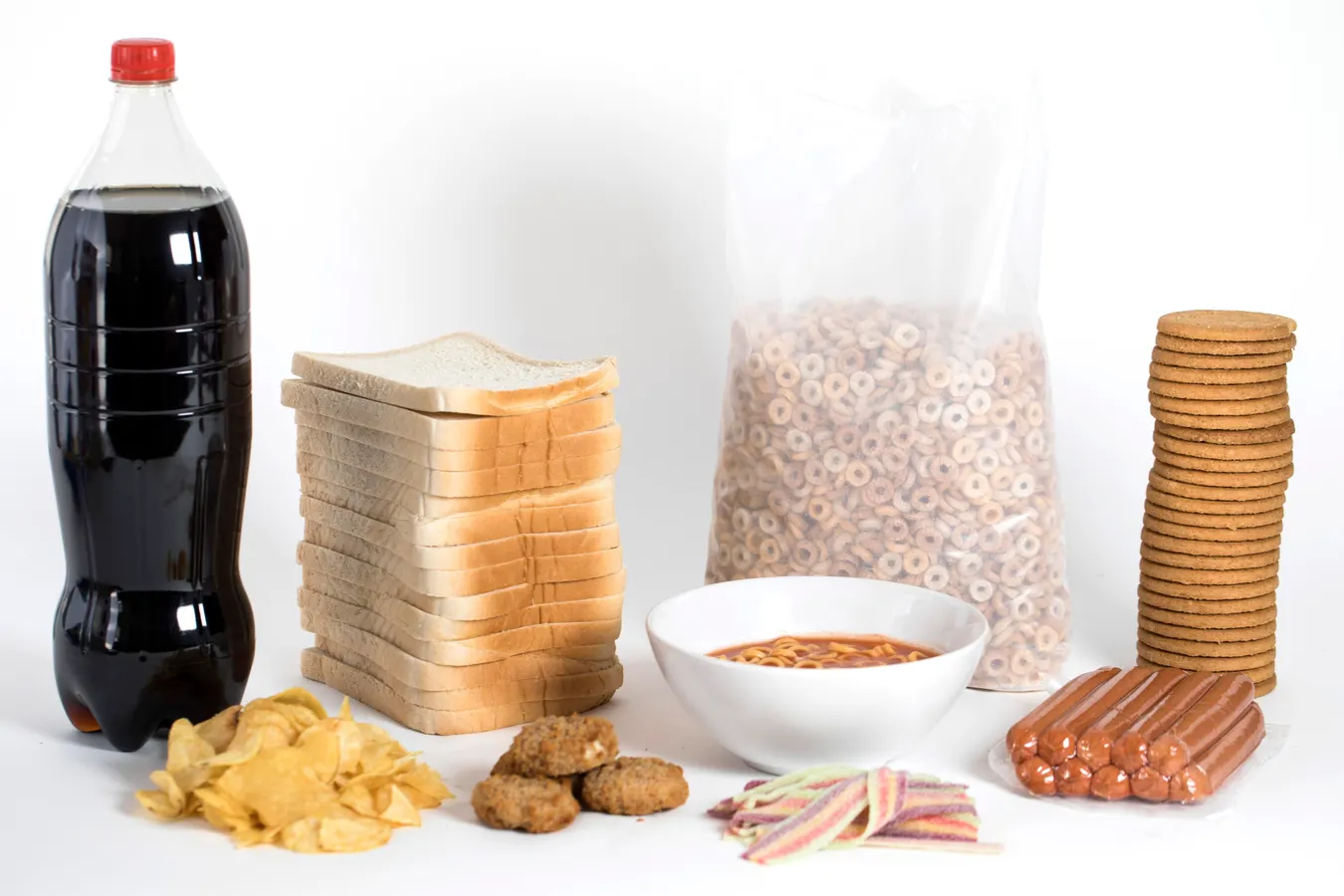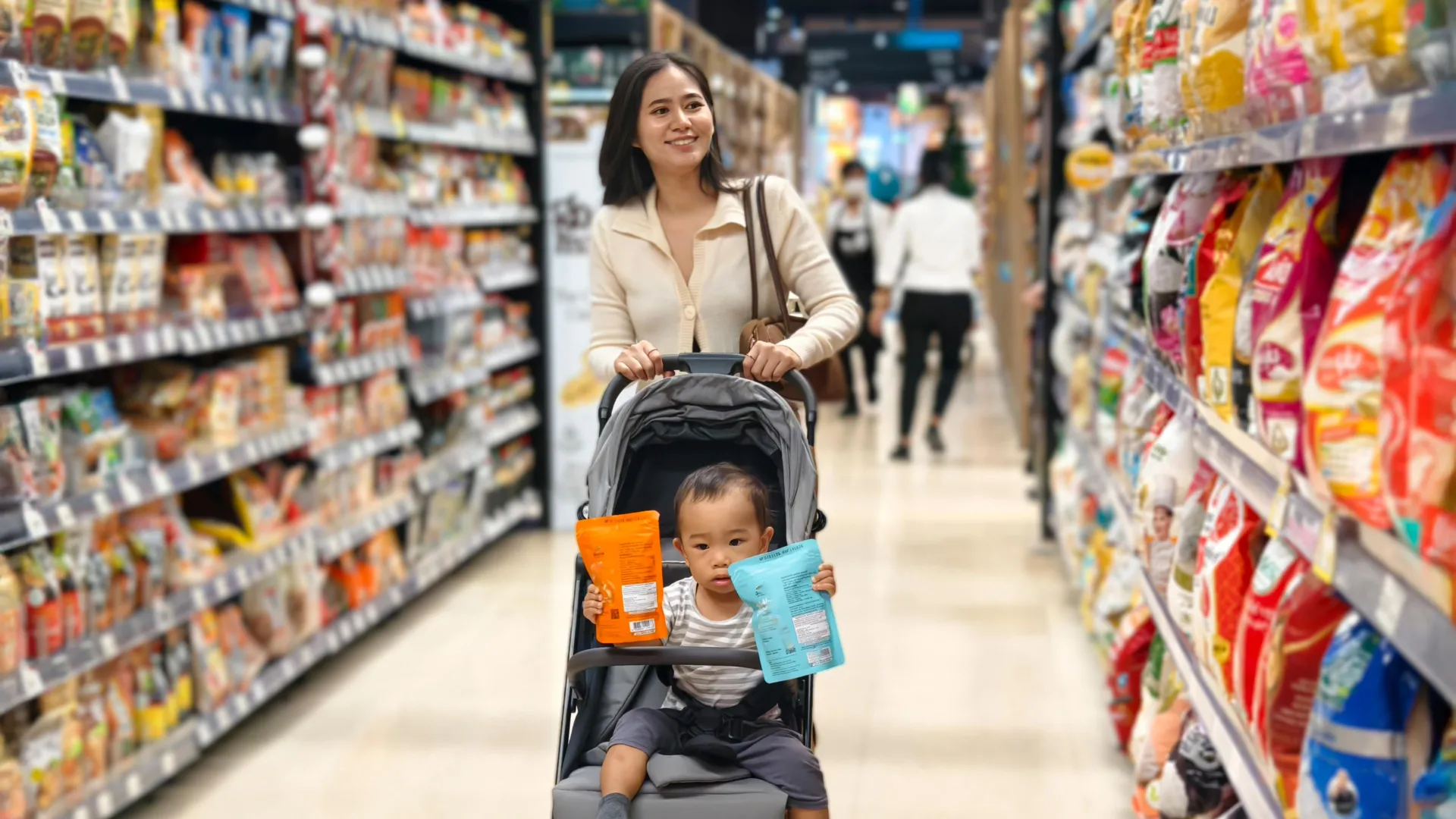
A review of toddler foods available at 21 Texas grocery stores found that ultra-processed products dominate the shelves. Four out of every five items fell into that category, and 49% did not satisfy at least one nutrient benchmark in the World Health Organization (WHO) Nutrition and Promotion Profile Model (NPPM) for commercial foods intended for children aged 6-36 months.
The results arrive as the U.S. Food and Drug Administration considers updated rules covering front-of-package nutrition information, healthy product claims and food marketing aimed at children. Unlike some countries, the United States does not require warning labels on foods containing high levels of sugar, sodium or calories.
"Many parents may assume that products sold on the baby/toddler food aisles of their grocery stores have to meet certain nutrient standards. Our findings highlight that half of the toddler foods available in local grocery stores do not," said Erin A. Hudson, JD, ASN Science Policy Fellow and PhD candidate at The University of Texas at Austin. "As a result, parents have to be vigilant in checking labels and ingredients to determine the nutrient content and processing level of products for their toddlers."