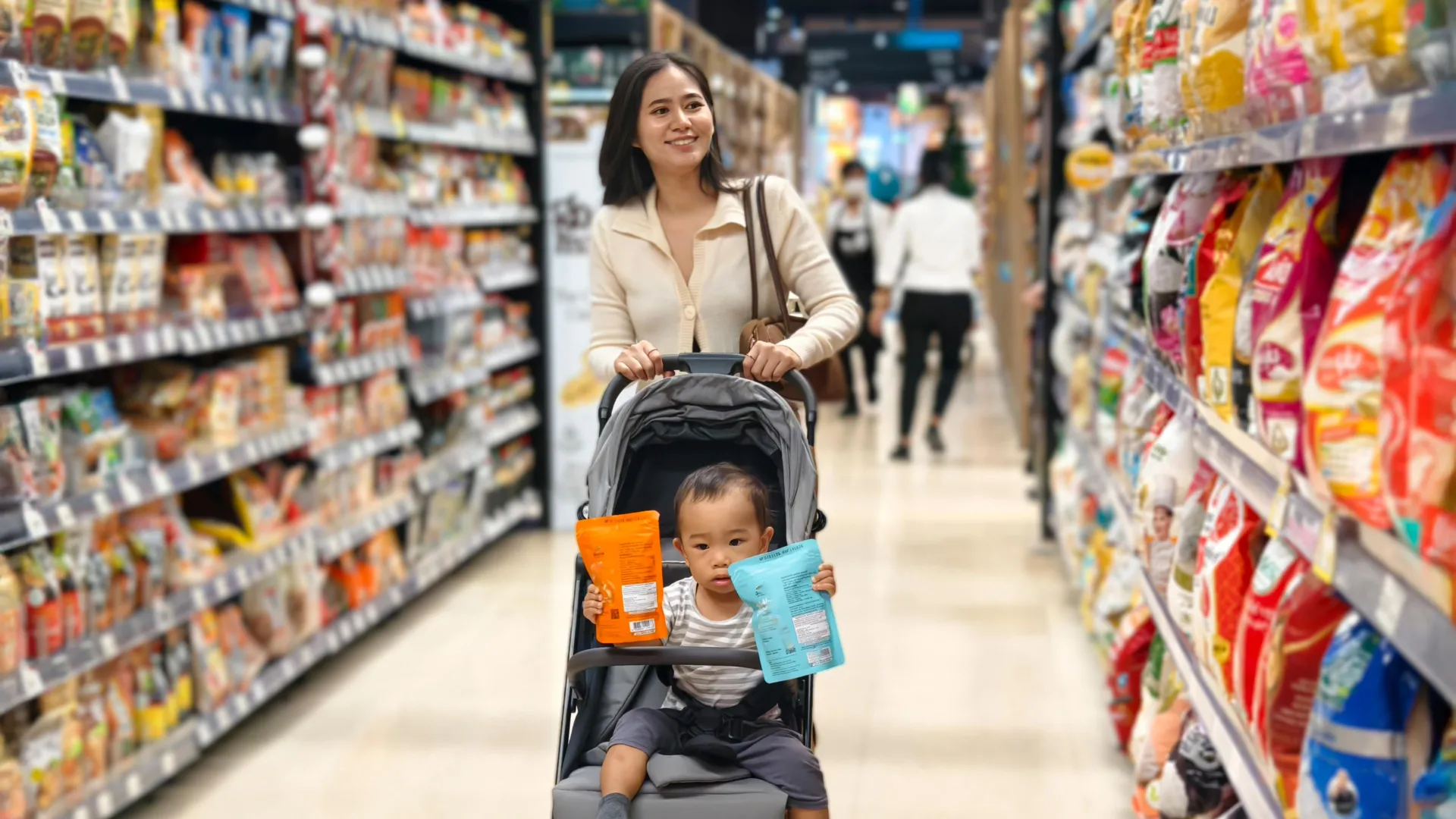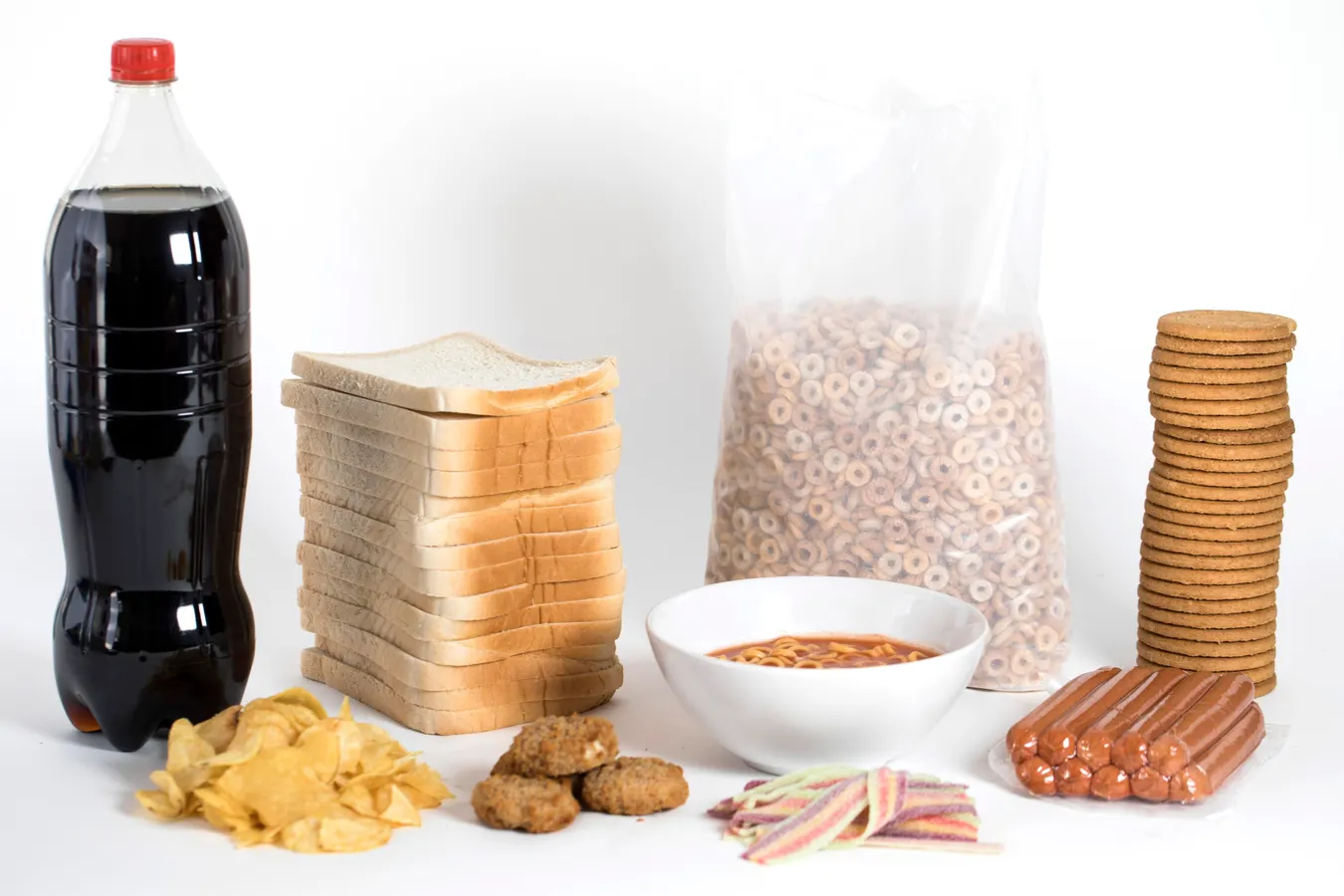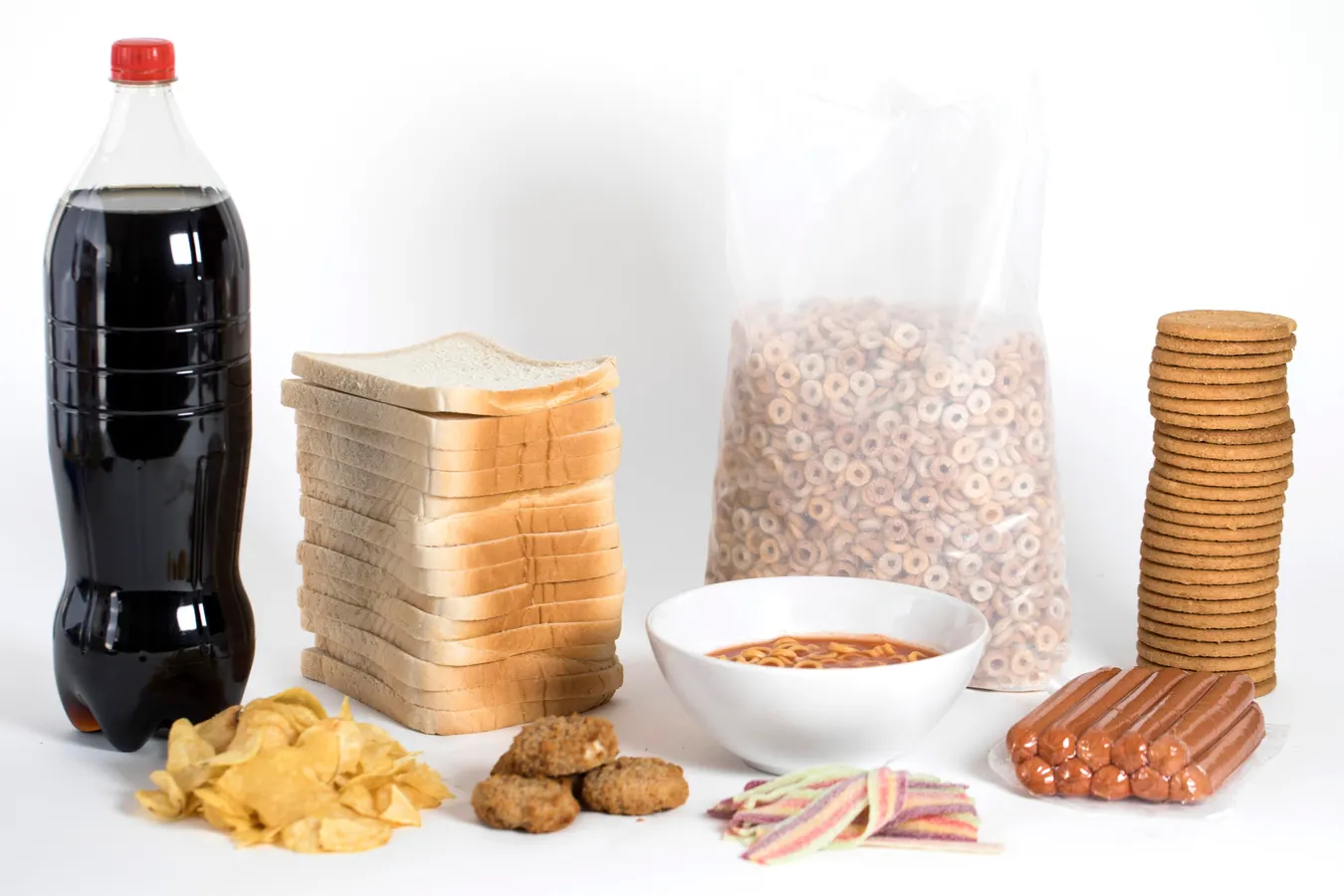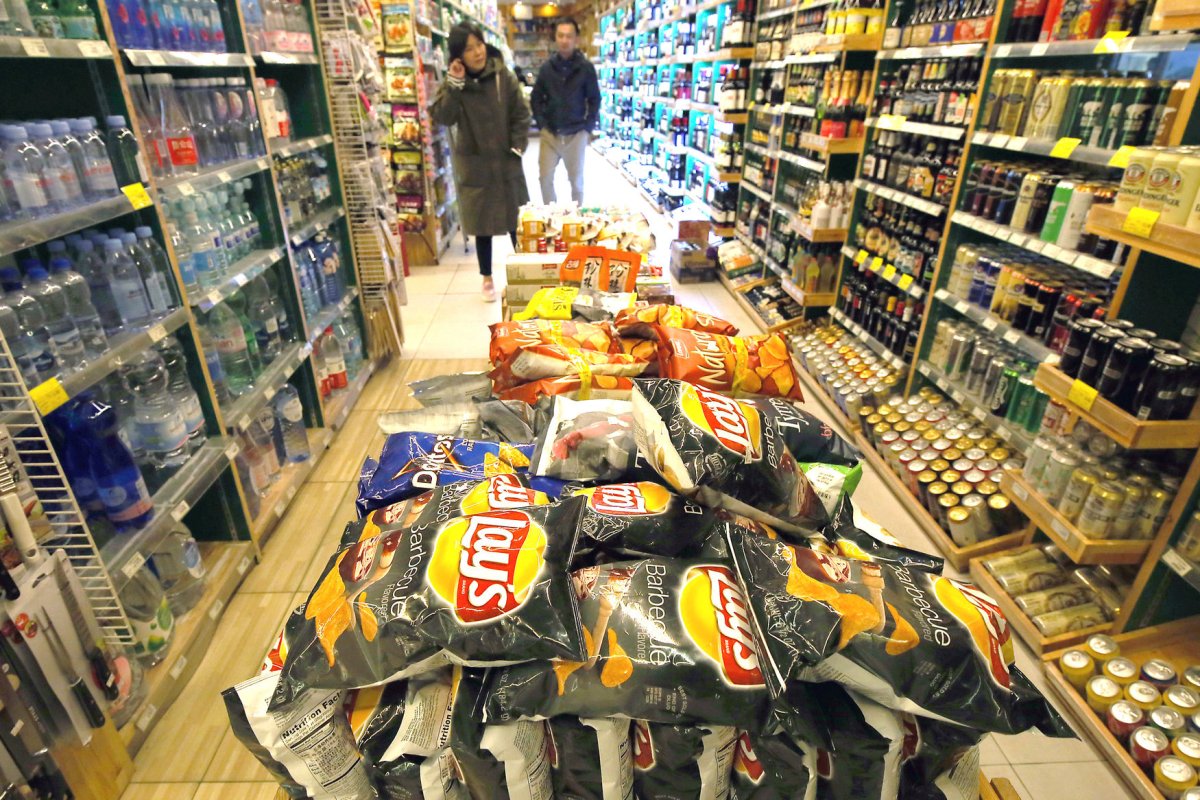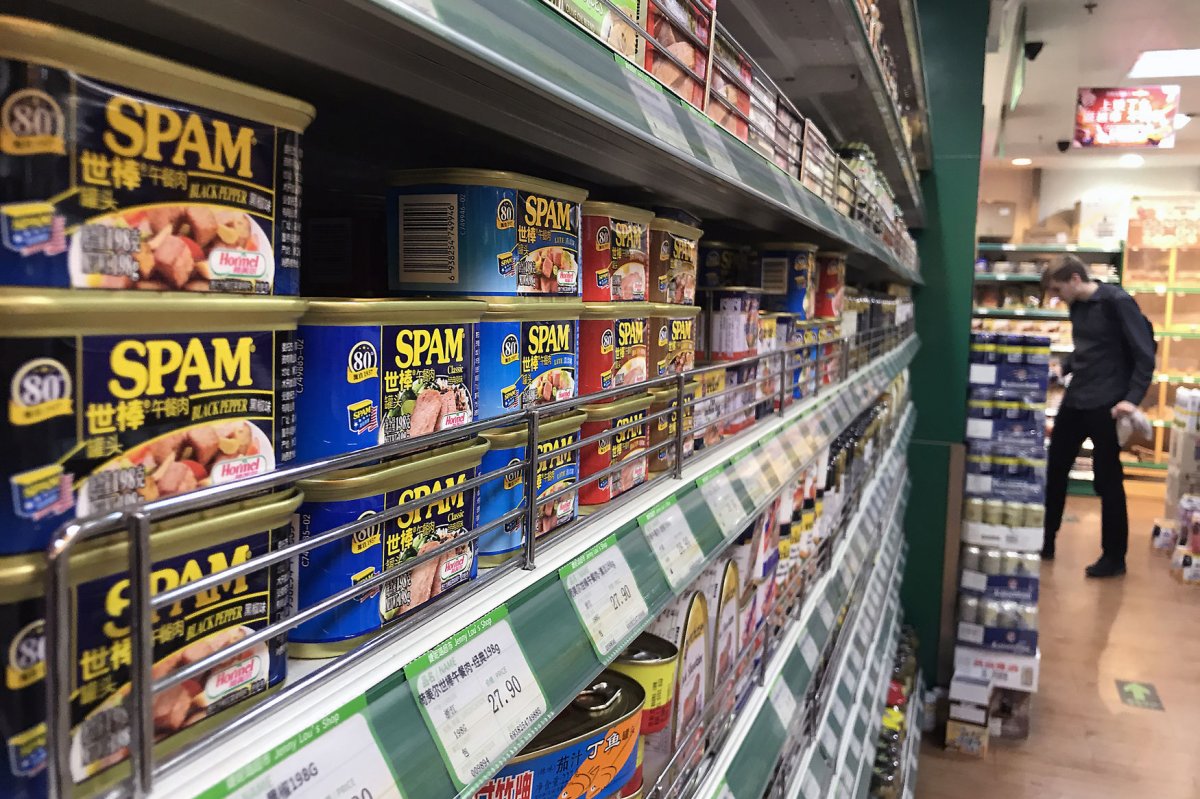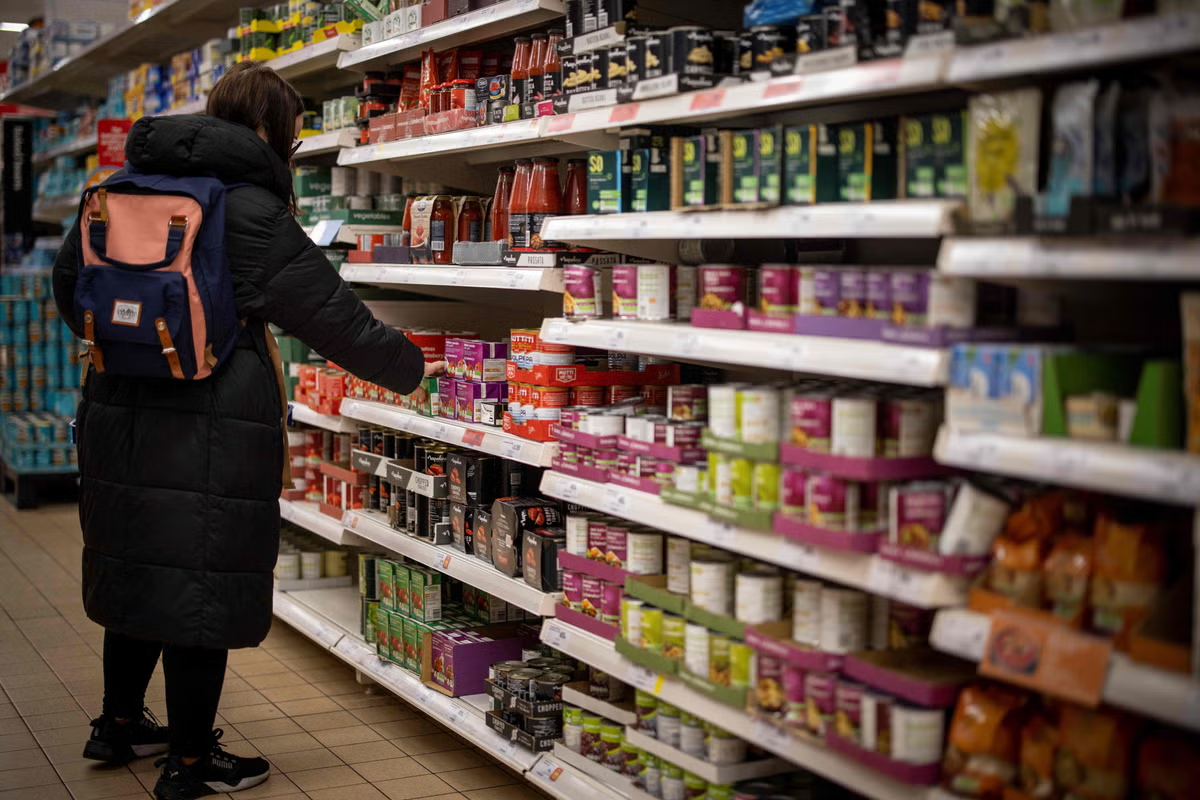
Four out of five foods sold for toddlers in the United States are ultraprocessed, according to research that analyzed more than 2,700 products on grocery store shelves. Nearly half of those items also failed to meet at least one nutritional benchmark for children set by the World Health Organization.
“We wanted to know what parents were seeing when they went to the grocery store,” said lead author Erin Hudson, a postdoctoral researcher at the department of pediatrics at Children’s Hospital Los Angeles.
“The answer is over 80% of the products are ultraprocessed,” Hudson said. “Many of them are high in sugar, high in sodium, but parents really cannot tell that from just walking down the aisle.”
Commercial foods marketed for children between 6 and 36 months should have no added sugar, artificial sweeteners or concentrated fruit juices, and limited saturated fats and sodium, according to the WHO Nutrient and Promotion Profile Model.
“We found toddler products which failed to meet WHO standards on sugar were four times as likely to be ultraprocessed,” said Hudson, who presented the preliminary research findings on Sunday at the annual meeting of the American Society for Nutrition.