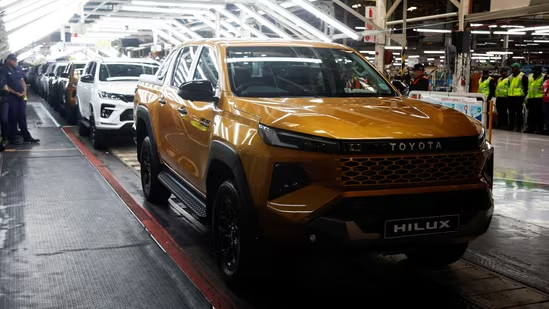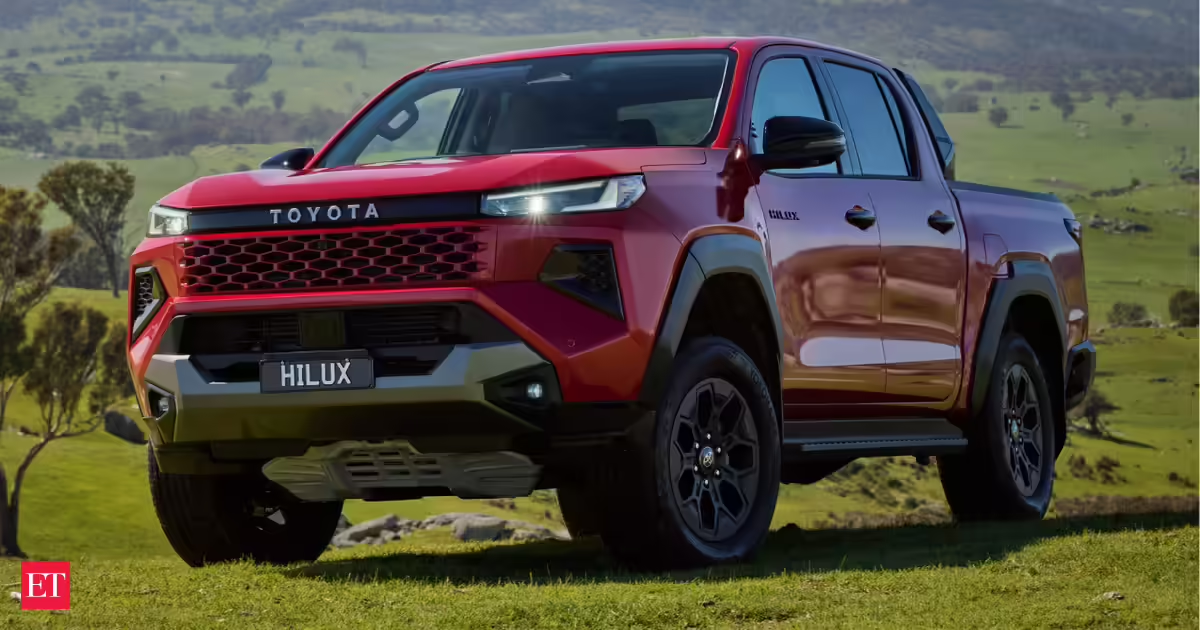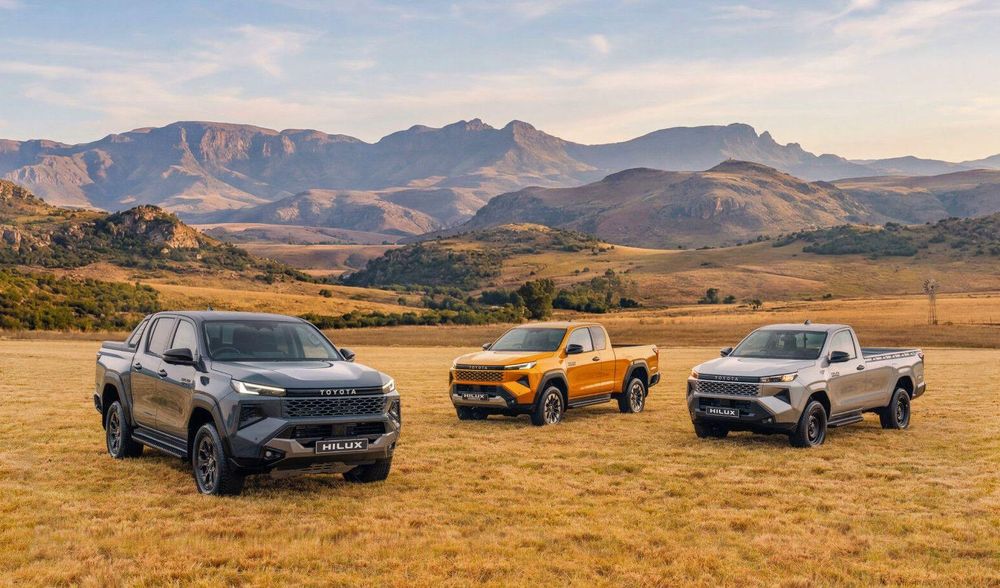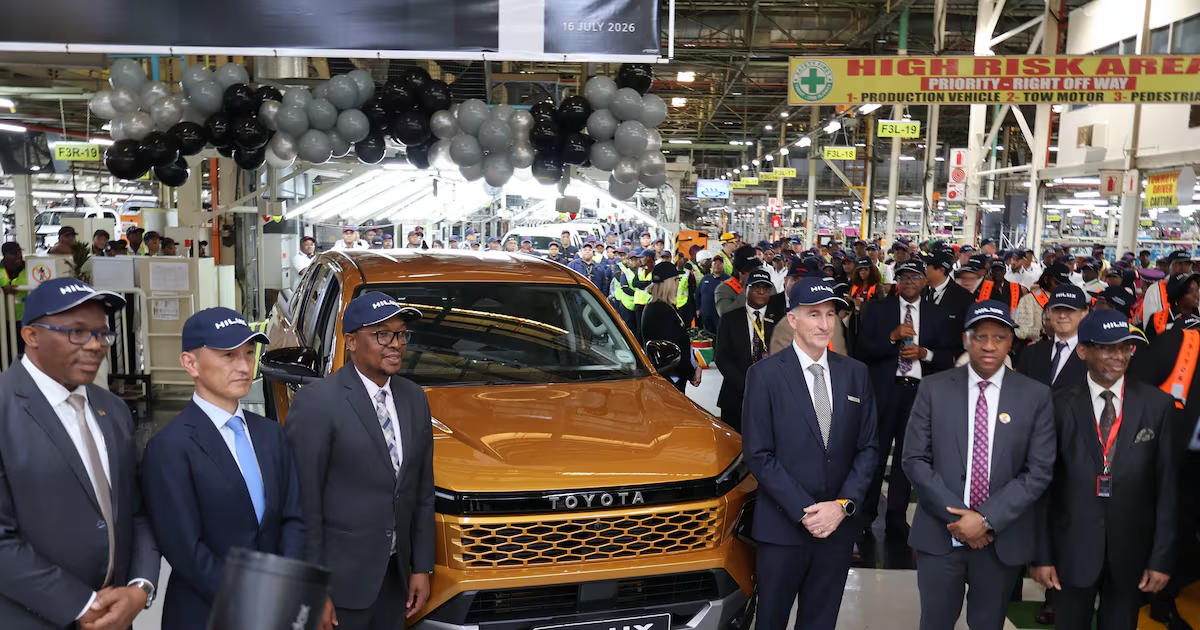
Toyota Kirloskar Motor has launched the all-new Hilux pickup truck in India at a starting price of ₹31.99 lakh, targeting lifestyle, adventure and utility-focused buyers.
Toyota Kirloskar Motor’s all-new Hilux is a strategic extension of the utility-vehicle franchise that has driven its growth in India, even as the company prepares for a broader phase of capacity expansion, SUV launches and electrification.Priced from ₹31.99 lakh, the Hilux is aimed at farmhouse owners, adventure groups, multi-car households and buyers seeking a vehicle for work, travel and leisure. The multiutility vehicle is being imported in CKD form and is powered by a 2.8-litre diesel engine producing 204 PS and 500 Nm, paired with a six-speed automatic transmission. It is available in 4x4 VX AT, 4x4 GX AT and 4x2 GX AT variants. Bookings opened on July 28, with deliveries scheduled to begin in the second week of August.Toyota’s domestic passenger-vehicle sales rose 18.6% to 3,67,107 units in FY26 over 3,09,508 units in FY25. On a calendar-year basis, domestic sales in H1 CY26 (January-June 2026) increased 15% to 1,85,666 units from 1,61,531 units in H1 CY25 (January-June 2025). However, in Q1 FY27 (April-June 2026) versus Q1 FY26 (April-June 2025), Toyota’s domestic dispatches grew 10.7% to 89,174 units, while industry dispatches rose 25.9% to 12,73,811 units.The moderation in relative growth makes capacity and new products increasingly important. The Hilux will add limited volumes, but strengthens Toyota’s positioning in utility vehicles alongside the Innova, Fortuner, Hyryder and other SUV-led models.A broader customer baseSabari Manohar, Executive Vice-President, Sales, Service and Used Car Business, Toyota Kirloskar Motor, said the pickup was attracting customers who use it for weekend travel, farmhouse visits and group expeditions. Some buyers are also choosing it as a second or third vehicle.The company has not set a volume target for the Hilux. Manohar said Toyota was focused on understanding customer needs rather than chasing market numbers.“Customer centricity means understanding what customers need today and preparing for what they will aspire for tomorrow,” Masakazu Yoshimura, Chairman, Managing Director and CEO, TKM, said.Tadashi Asazuma, Deputy Managing Director, TKM, described the Hilux as representing the “growing convergence of utility and lifestyle”.Capacity and product strategyToyota has officially confirmed a new plant in Bidkin, Maharashtra, scheduled to begin production in the first half of 2029. The facility will have an initial annual capacity of 100,000 vehicles, employ around 2,800 people and manufacture a new SUV.Toyota has not disclosed the investment for the Bidkin plant. However, industry estimates put its combined investment in three proposed Maharashtra plants at around ₹18,000 crore. The expansion could eventually take Toyota’s Indian production capacity to around one million vehicles by the 2030s, with the facilities also supporting exports and electrified products.The additional capacity is expected to support the new SUV program, increase localisation, and reduce waiting periods for high-demand models.Toyota remains cautious about discussing the product calendar. Manohar declined to provide details of new launches for FY27 and beyond, saying the company would announce future products at an appropriate time and continue to refine existing models based on customer feedback.This points to a selective rather than an aggressive launch strategy, with Toyota extending established utility vehicles while adding new products in response to demand.The ownership propositionThe company is also building its proposition around the ownership experience. Manohar said the company was focusing on service reach, parts availability, financing solutions and resale confidence, including through used-car and buyback-related initiatives.That approach is important for niche products such as the Hilux, where reliability, service access and long-term ownership costs can influence the purchase as much as performance.The pickup’s immediate contribution to sales will remain limited. Its larger role is to help Toyota reach customers who want one vehicle for utility, adventure and lifestyle use while reinforcing the brand’s core association with durability and dependability.Toyota’s next phase will be judged by whether this utility-led positioning, combined with new capacity and selective product additions, can restore growth closer to the pace of the broader Indian market.Published on July 29, 2026