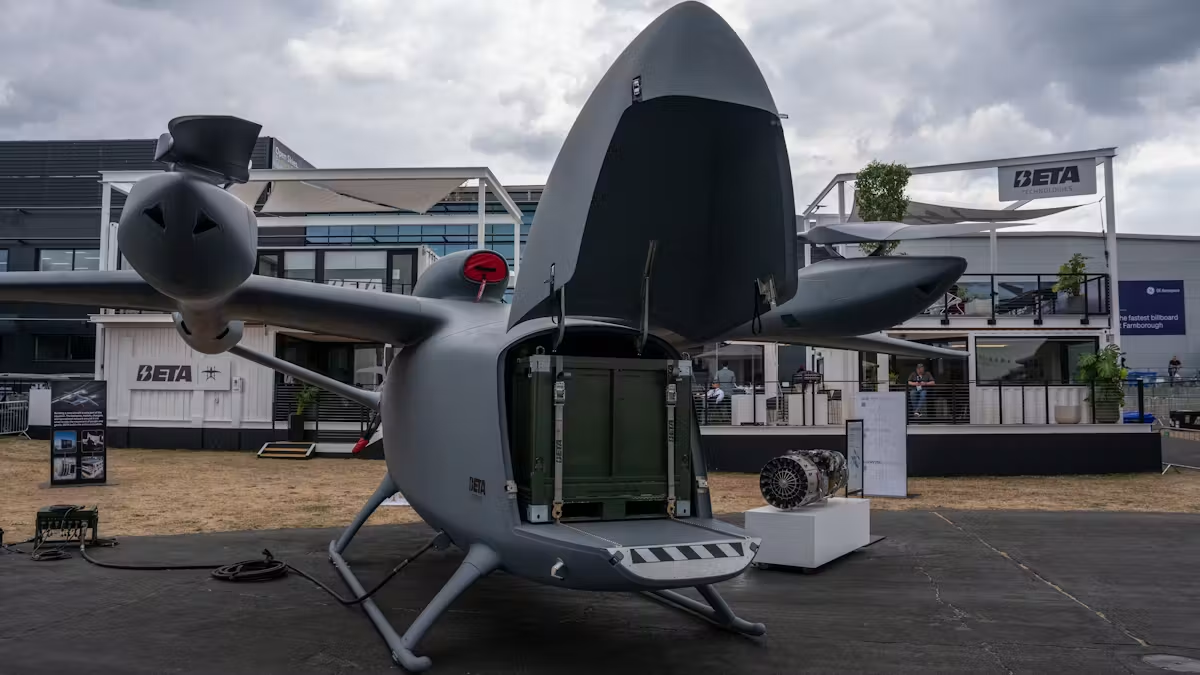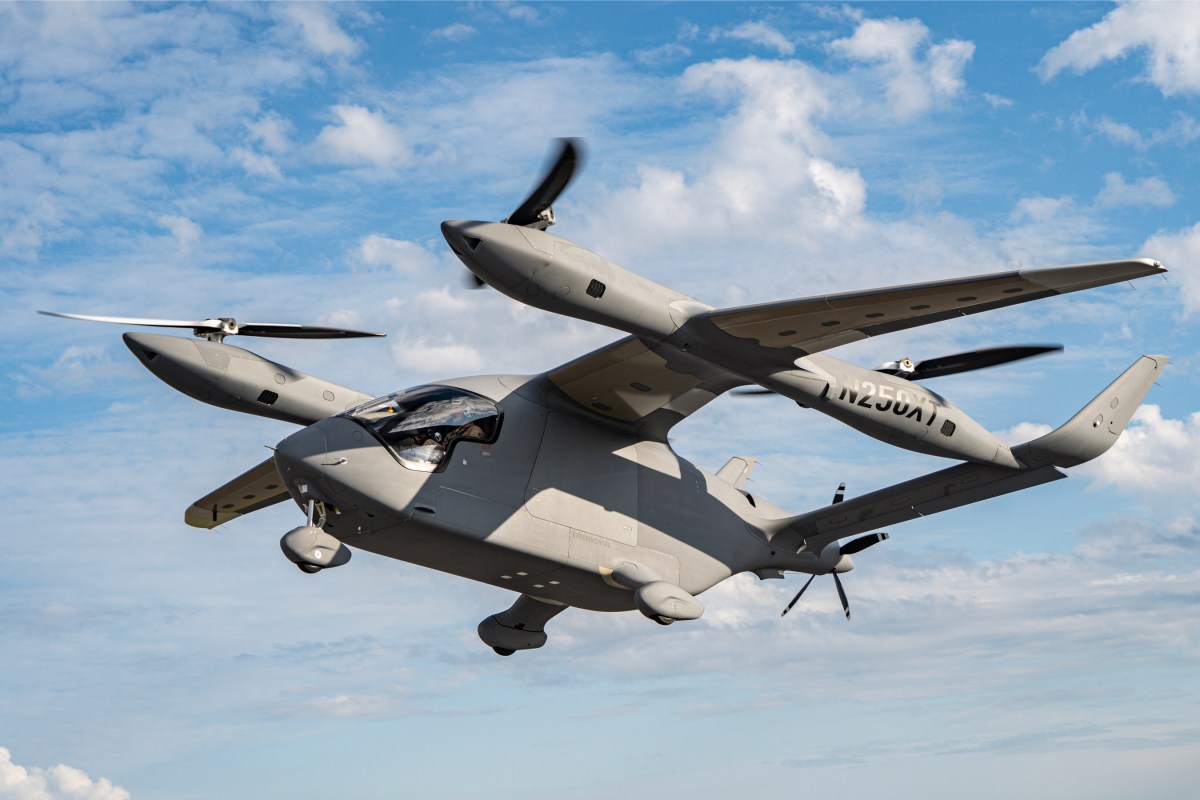
The National Laboratory of the Rockies has published a first-of-its-kind “capability maturity matrix” to help the aviation sector assess its readiness to support and deploy advanced air mobility. Photo from Joby Aviation.
Support CleanTechnica's work through a Substack subscription, on Patreon, or on Stripe. Help us produce all of the high-quality, original content we publish week after week despite the challenges of content-scraping AI, antisocial media, inflation, and other hurdles.
Airports, Governments, Communities, and Aviation Sector Can Chart Their Readiness for Next-Generation Air Mobility
Advanced air mobility (AAM) is rapidly moving from concept to reality. Flying taxis are no longer a figment of “Jetsons”–style science fiction—they are preparing to cross American skies, joined by planes that can take off and land on rooftops, uncrewed aerial cargo haulers, and emergency aircraft that could one day bring life-saving medical support to hard-to-reach areas.
As new aircraft advance through testing and certification, pilot projects expand, and communities across the country begin to consider how these technologies may fit into the future of transportation, one practical question is emerging: What does it actually mean to be ready for advanced air mobility?