Commentary
US President Donald Trump’s tariffs were in search of a legal justification. Forced labour is the latest one, says Hinrich Foundation’s Deborah Elms.
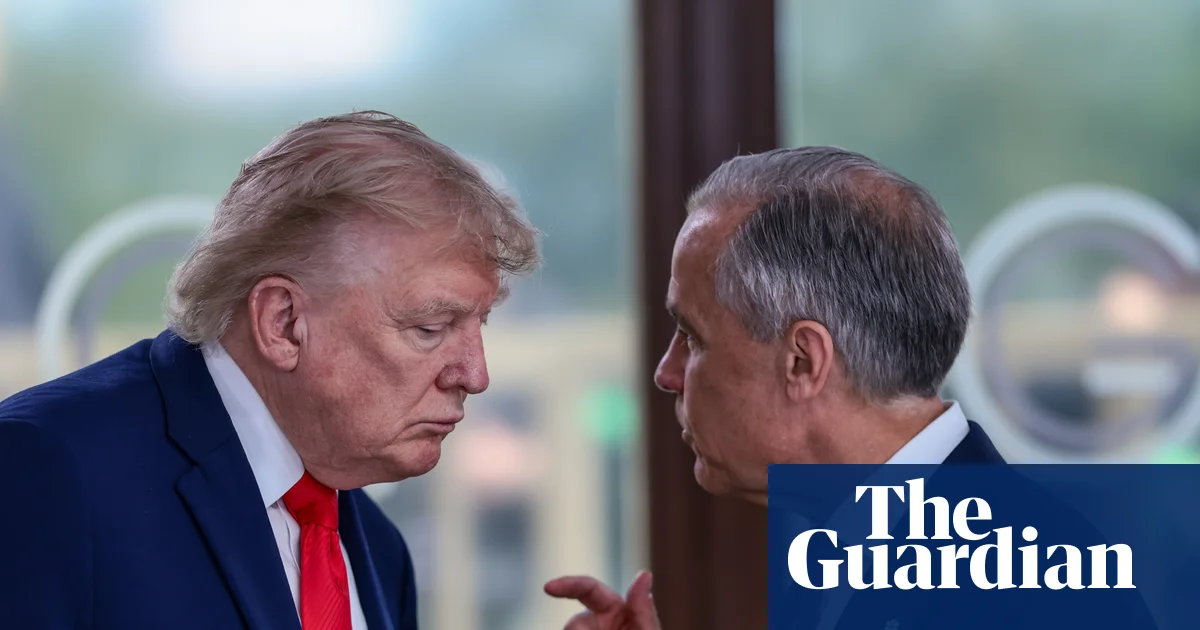
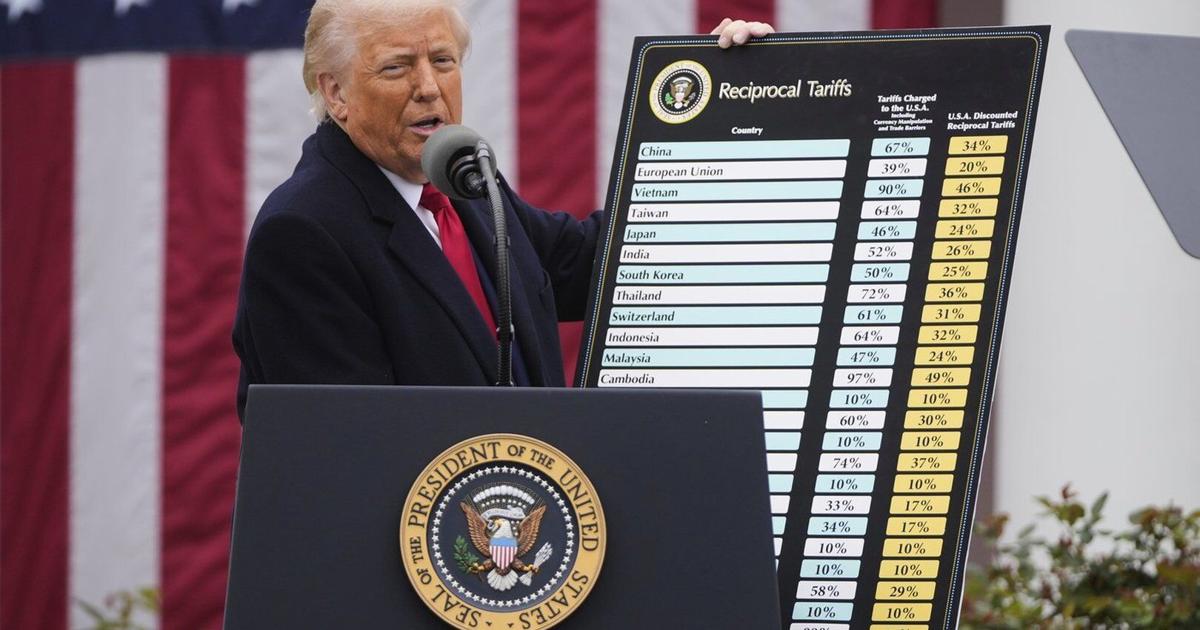
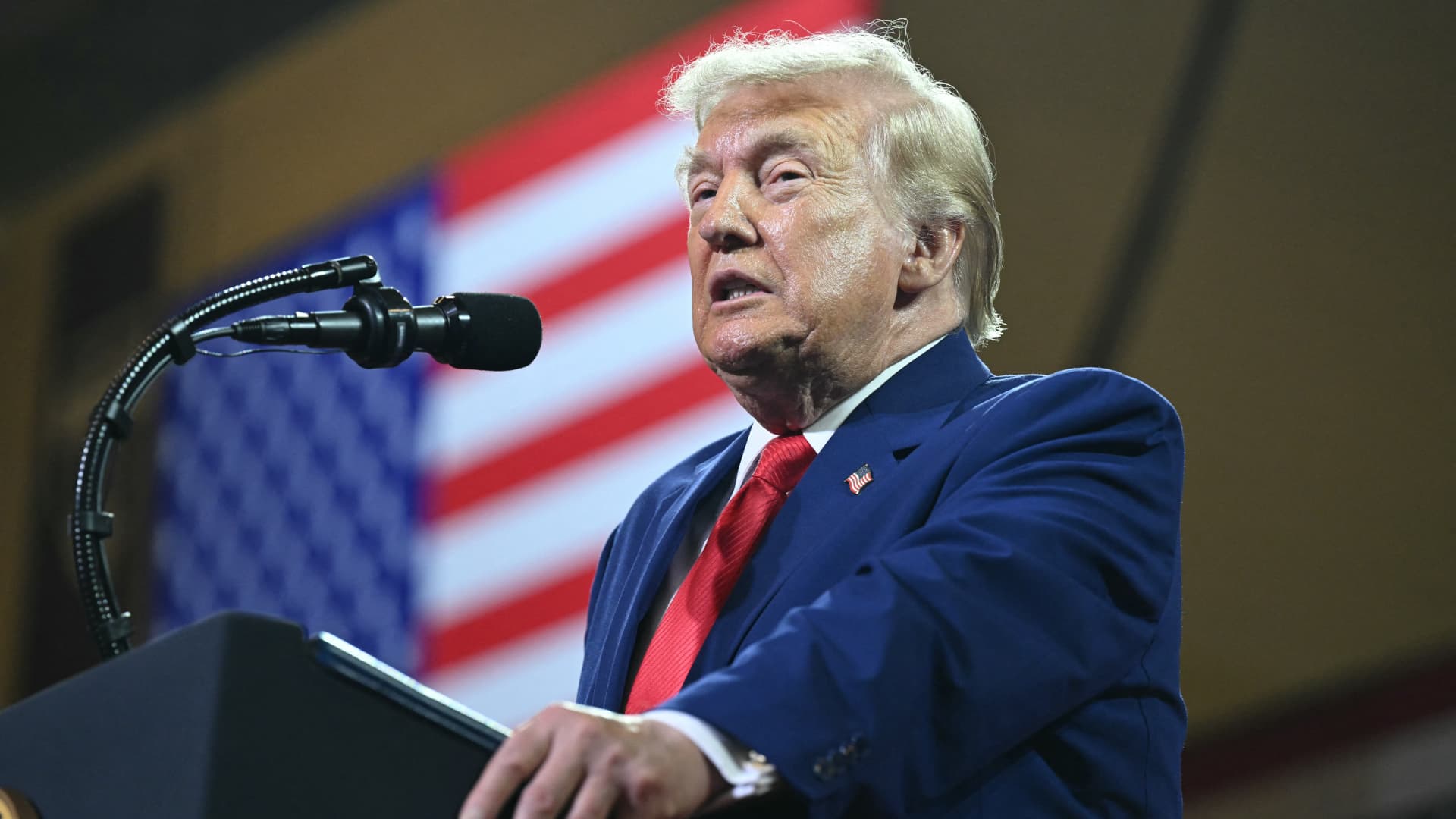
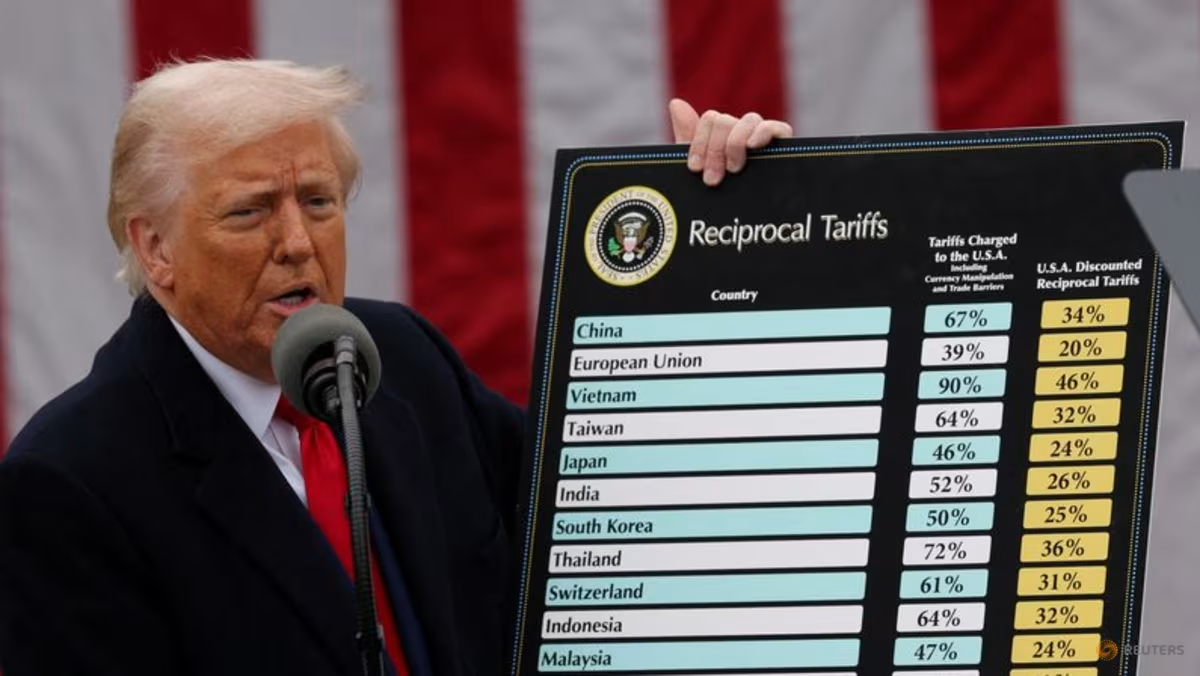
US President Donald Trump delivers remarks on tariffs in the Rose Garden at the White House in Washington, DC, Apr 2, 2025. (Photo: Reuters/Carlos Barria)
29 Jul 2026 06:00AM
SINGAPORE: First, it was a national emergency, then “international payments problems” and now, forced labour in the supply chain.In little over a year, the Trump administration has invoked three legal justifications for its broad tariffs. Three different laws designed to tackle three separate problems, yet they have somehow affected goods trade nearly exactly the same way. On Friday (Jul 24), the United States imposed tariffs on 60 trading partners, including Singapore, at levels ranging from 10 per cent to 12.5 per cent. The latest excuse is that all 60 were found to inadequately limit trade in goods made with forced labour. Their inability to effectively enforce such bans created unfair trade conditions for American companies, and thus, the White House proclaimed, it was necessary to impose tariffs against all these trade partners to create a level playing field.That President Donald Trump would rebuild his tariff wall was never really in doubt. The challenge was which law could keep it standing.