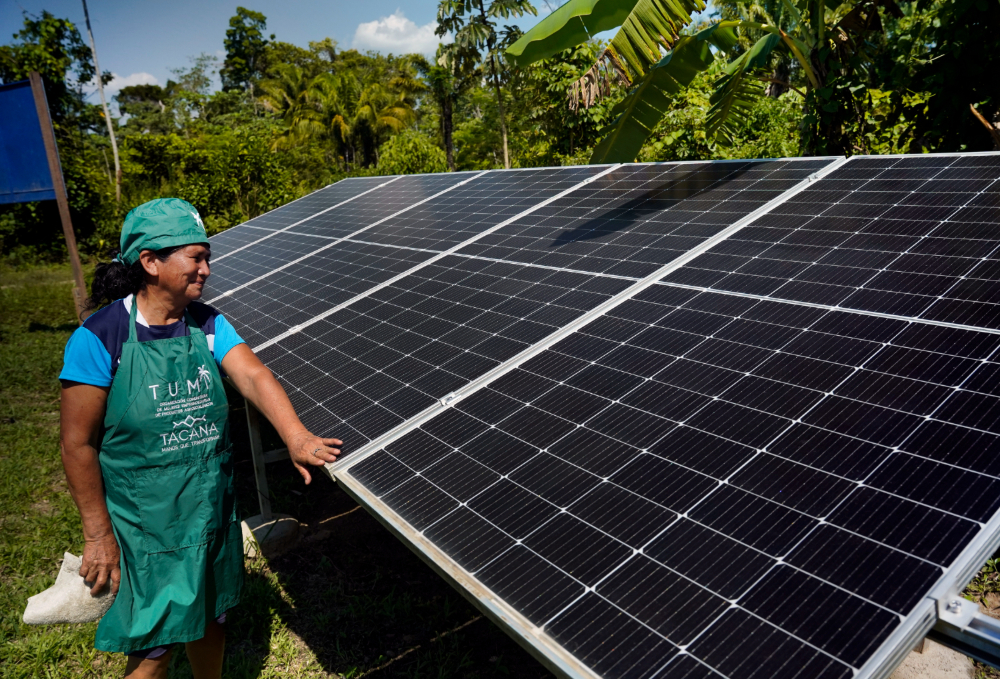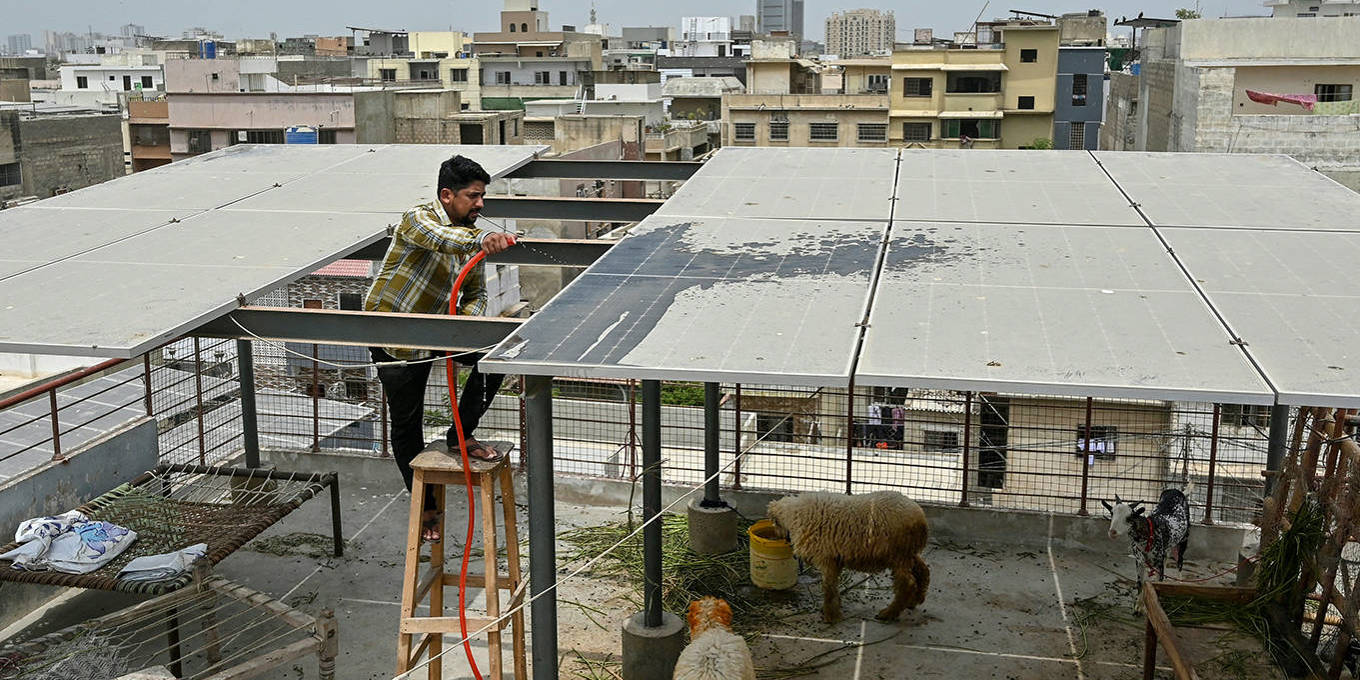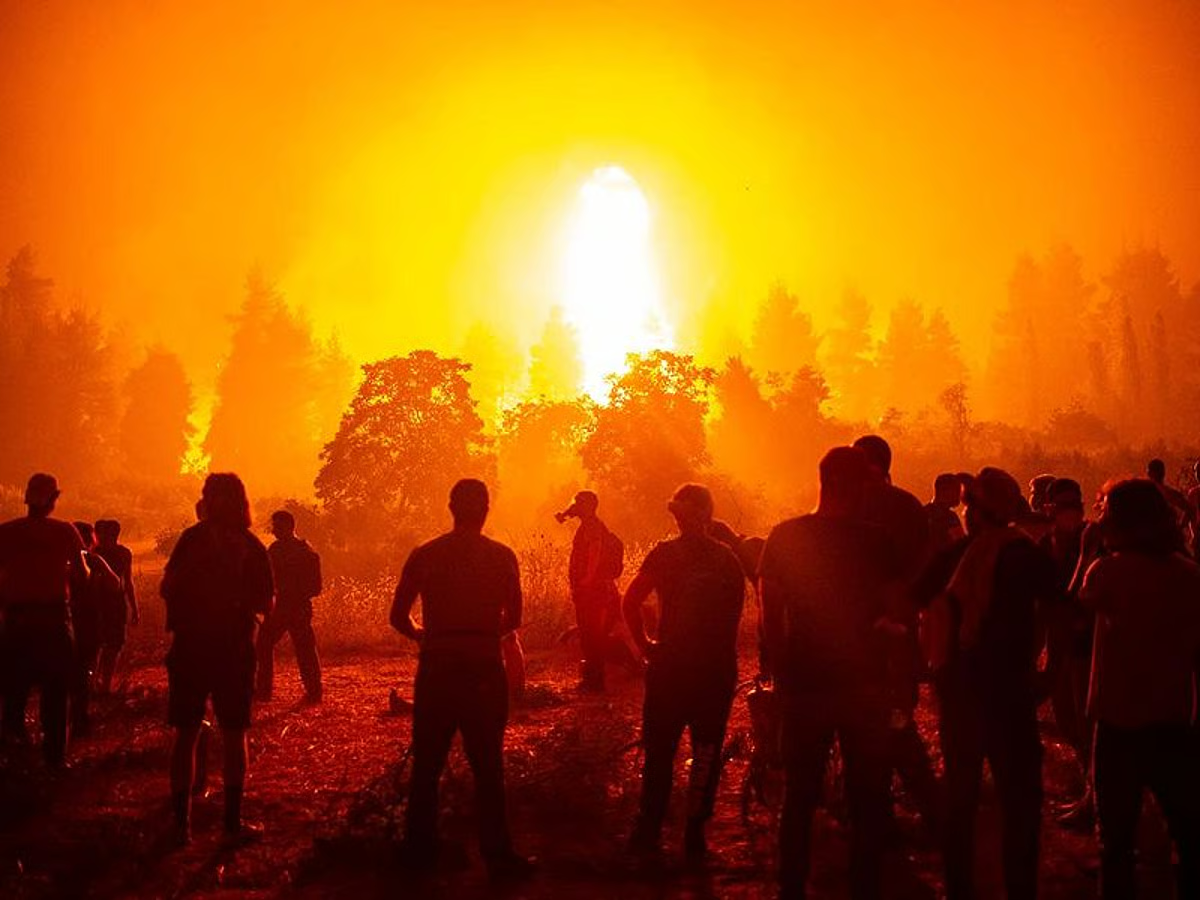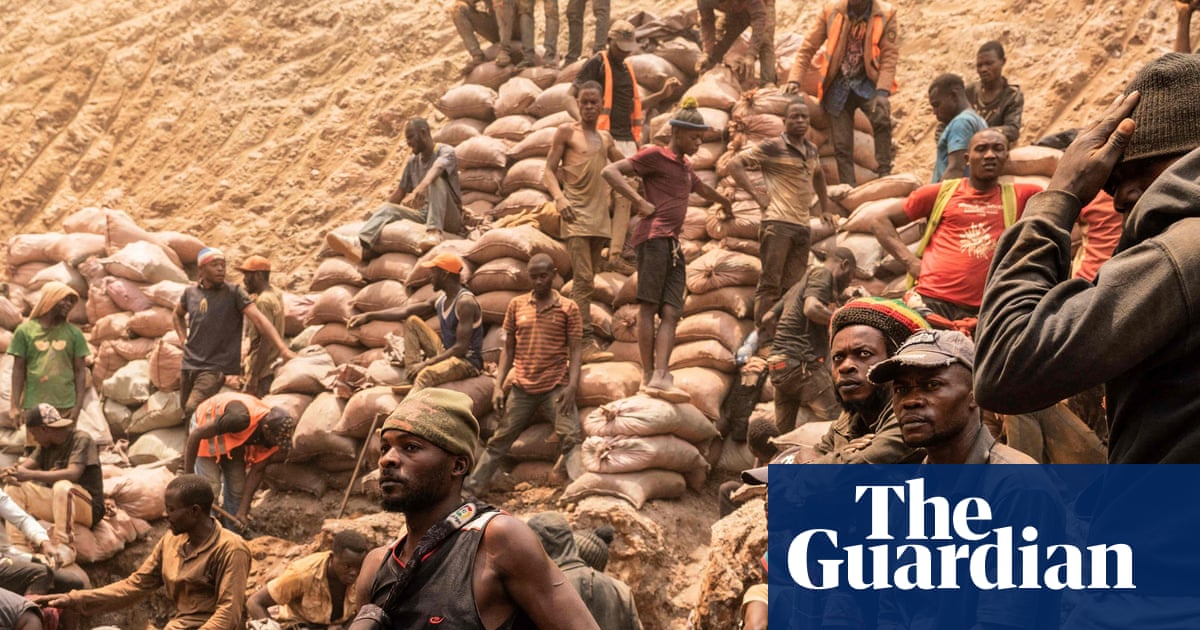
Countries around the globe are proving that cutting greenhouse gas emissions doesn’t have to come at the expense of vulnerable communities, workers, Indigenous peoples or ecosystems. A new United Nations Environment Programme report released Tuesday highlights a range of international laws and policies that are putting the once-aspirational idea of a “just transition” into practice.
In climate and energy policy, a just transition aims to shift economies away from fossil fuels while ensuring that the costs and benefits are shared fairly. That means creating alternative livelihoods for workers and communities dependent on fossil fuels, involving affected people in decision-making and creating new economic opportunities.
Although the term “just transition” often is swept into ideological debates about climate and energy policy, the underlying concept is simple. It’s like planning to replace an unsafe community bridge. Everyone agrees a new bridge is needed, but if people can’t afford the toll, or if the construction cuts off neighborhoods, the project may solve one logistical problem while creating several others. A just transition means designing the changes so the benefits outweigh the burdens, especially for the people most affected, by involving them in the process.