An incident response ensued. University officials found that the stockroom freezer where the P. shigelloides was stored also, for some inexplicable reason, held a vial labeled N. meningitidis.
University officials determined that 33 people linked to the lab class had been exposed. They called in state public health officials, who quickly helped with risk assessments and sample testing, made public health recommendations, and helped with the investigation.
Incident response
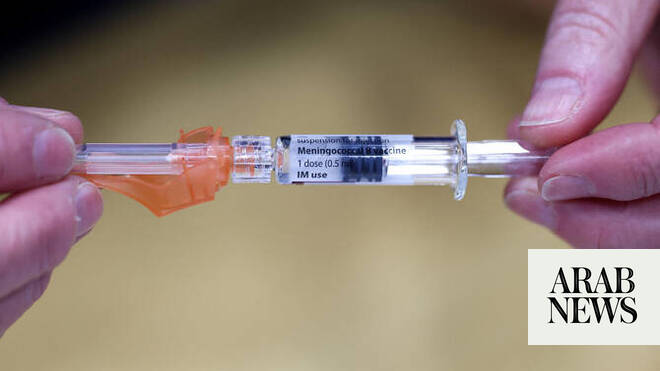
The health officials recommended that all the exposed people start taking post-exposure prophylactic antibiotics for 10 days. Of the 33 exposed, all but one person started on antibiotics. Health officials noted that 15 of the 33 (45 percent) had gotten at least one meningococcal vaccination previously. Still, two people developed headaches and sought emergency care; they were given spinal taps to rule out N. meningitidis infection.
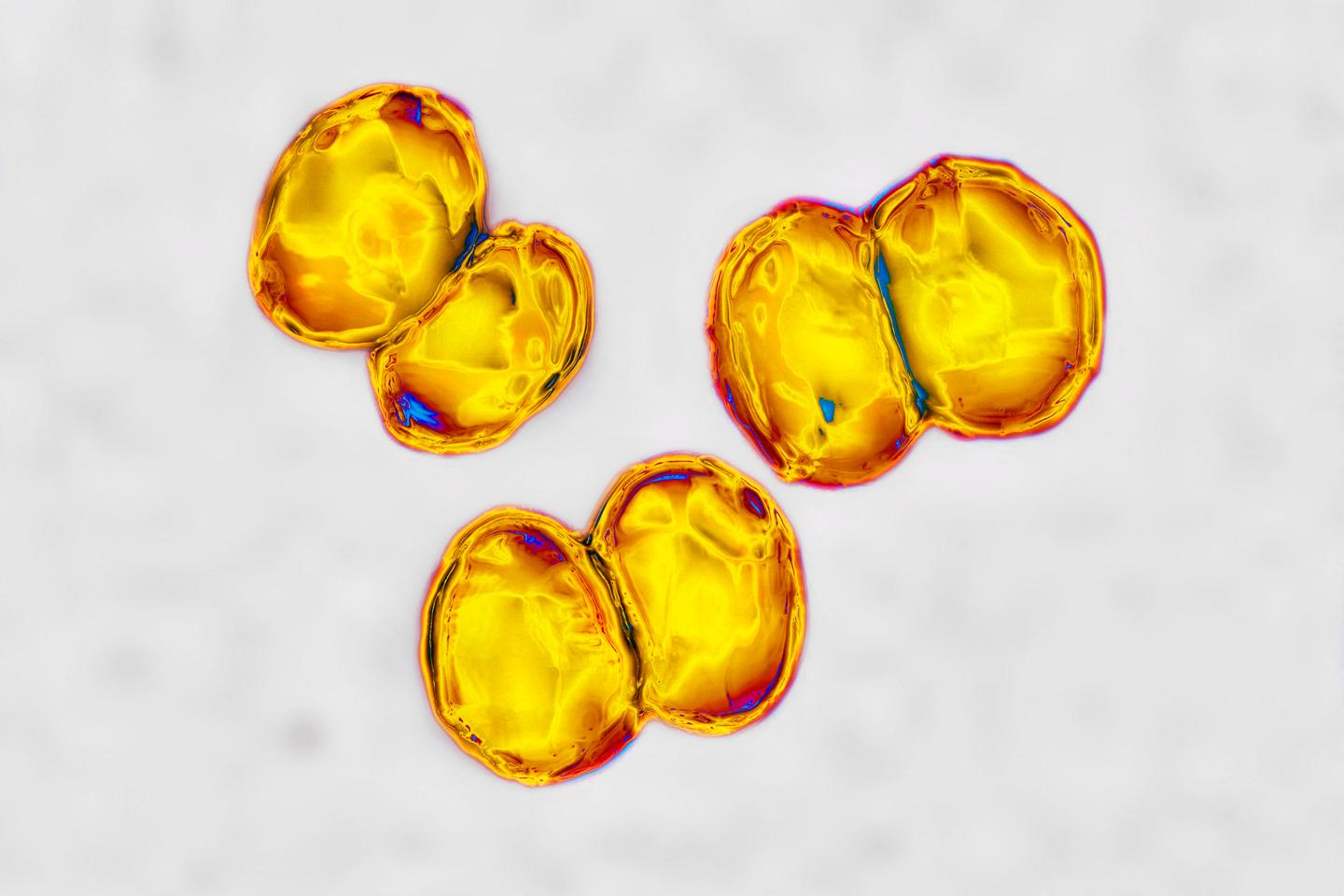
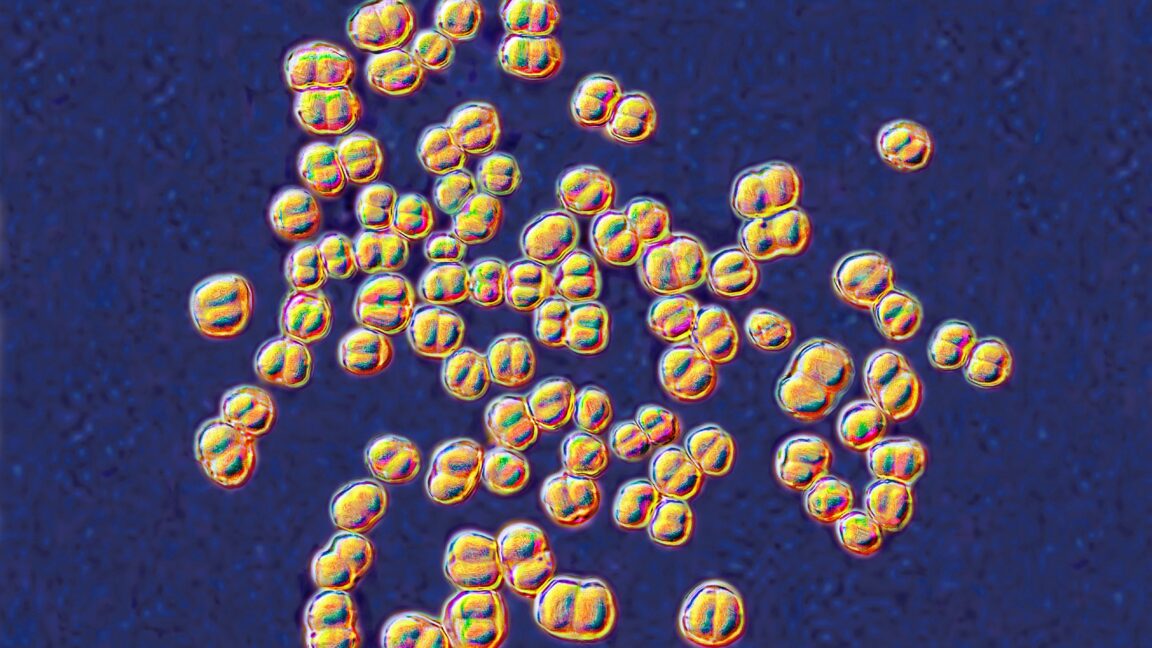
Several days later, the state’s public health laboratory obtained two samples from the ill-fated lab experiment. They used mass spectrometry and whole-genome sequencing to conclusively identify the mystery bacterium: N. sicca, a nonpathogenic relative of N. meningitidis.