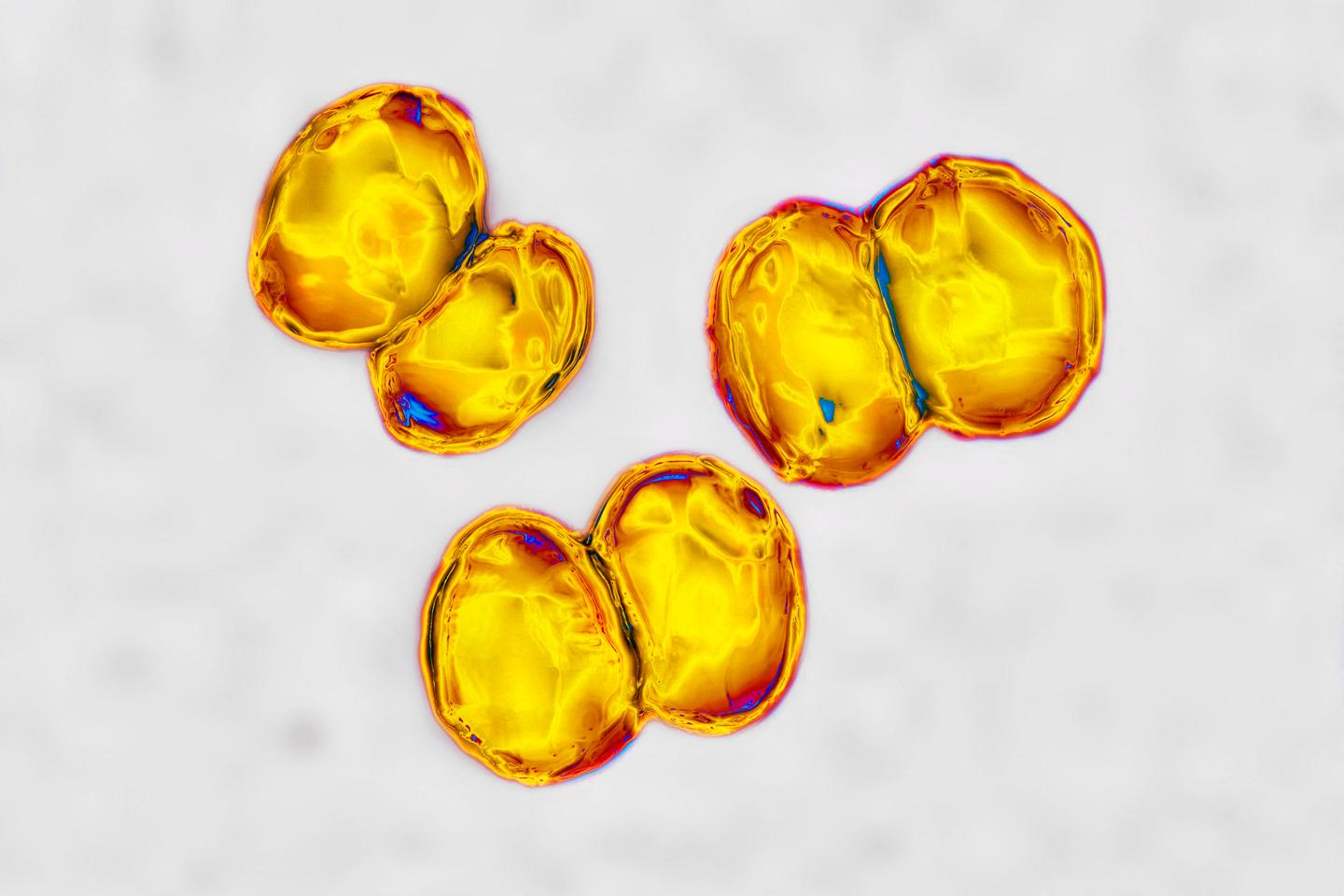
Color enhanced transmission electron micrograph (TEM) of Meningococcus bacteria (Neisseria meningitis), is a pathogenic bacterium in humans, known for its role in meningitis. For unknown reasons, approximately one person out of 400 becomes a victim of a very serious meningococcus infection. JAMES CAVALLINI/PHOTO RESEARCHERS/BIOSPHOTO
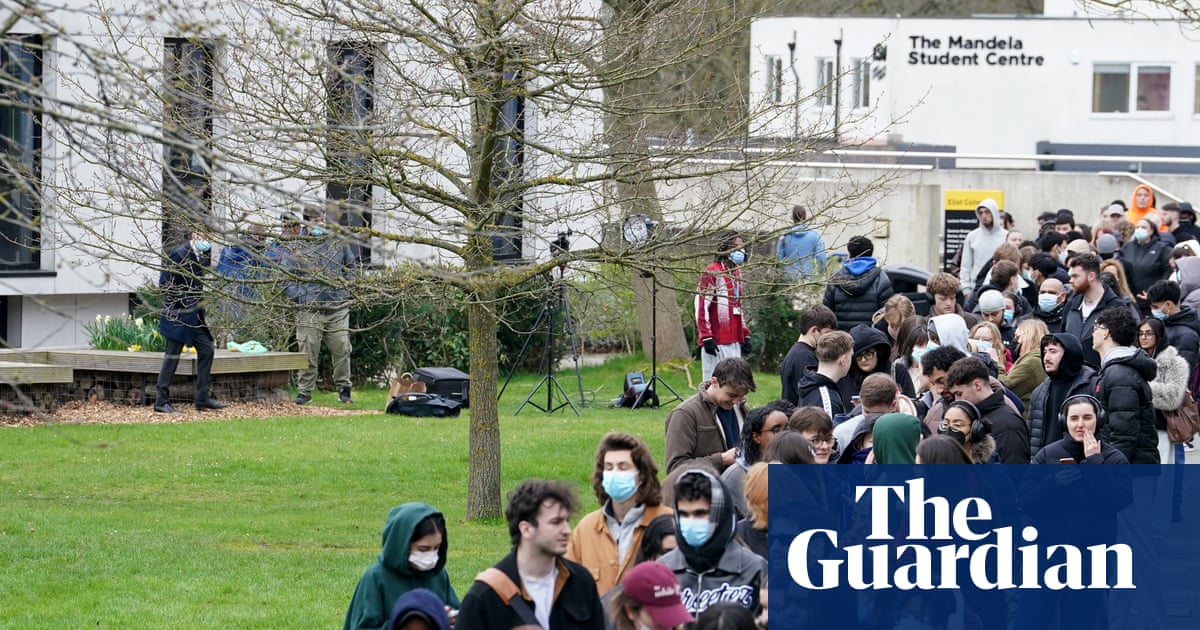
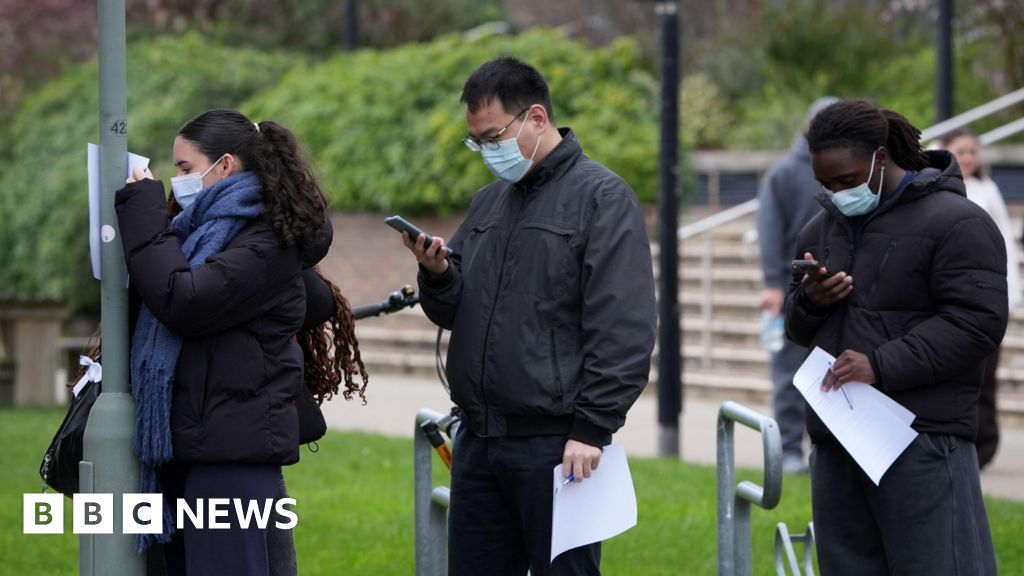
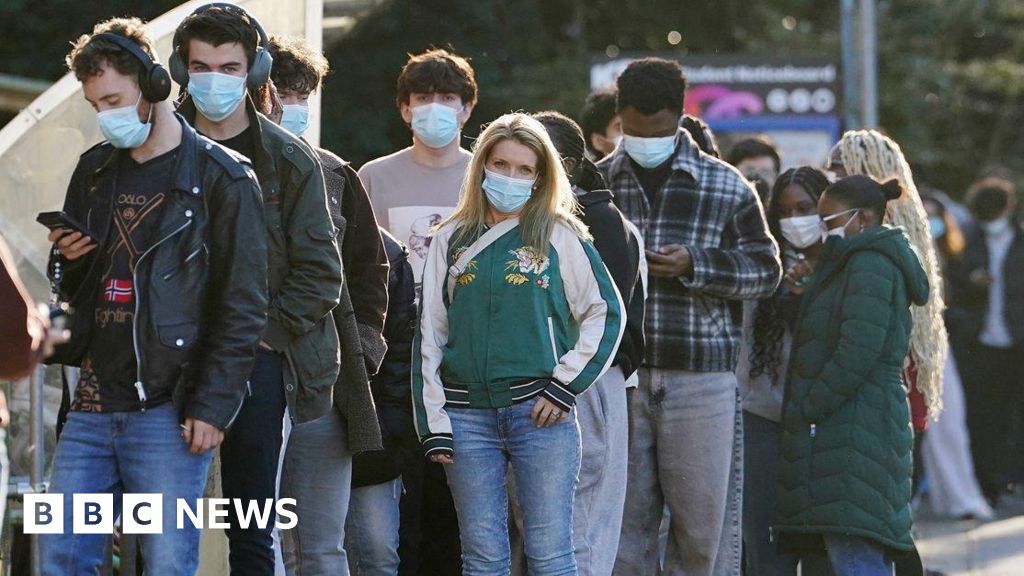
The British health minister on Tuesday, March 17, described a deadly outbreak of meningitis linked to a nightclub as "unprecedented" after two students died and 13 people were hospitalized. Health Minister Wes Streeting told parliament that the outbreak was a "rapidly developing situation" with the number of confirmed cases rising to 15.
The UK Health Security Agency (UKHSA) has reported two dead from the outbreak in Kent in southeastern England – a 21-year-old university student and an 18-year-old school student.
The outbreak has been linked to Club Chemistry in the city of Canterbury, a large three-storey venue popular with students. The health security agency said that it had been "notified of 15 cases," including those who died, up from 13 previously reported.
Four cases have been identified as Meningitis B, a bacterial strain rarer and deadlier than the viral type, it said. Meningitis B causes death in around one in 10 cases, according to the National Health Service.