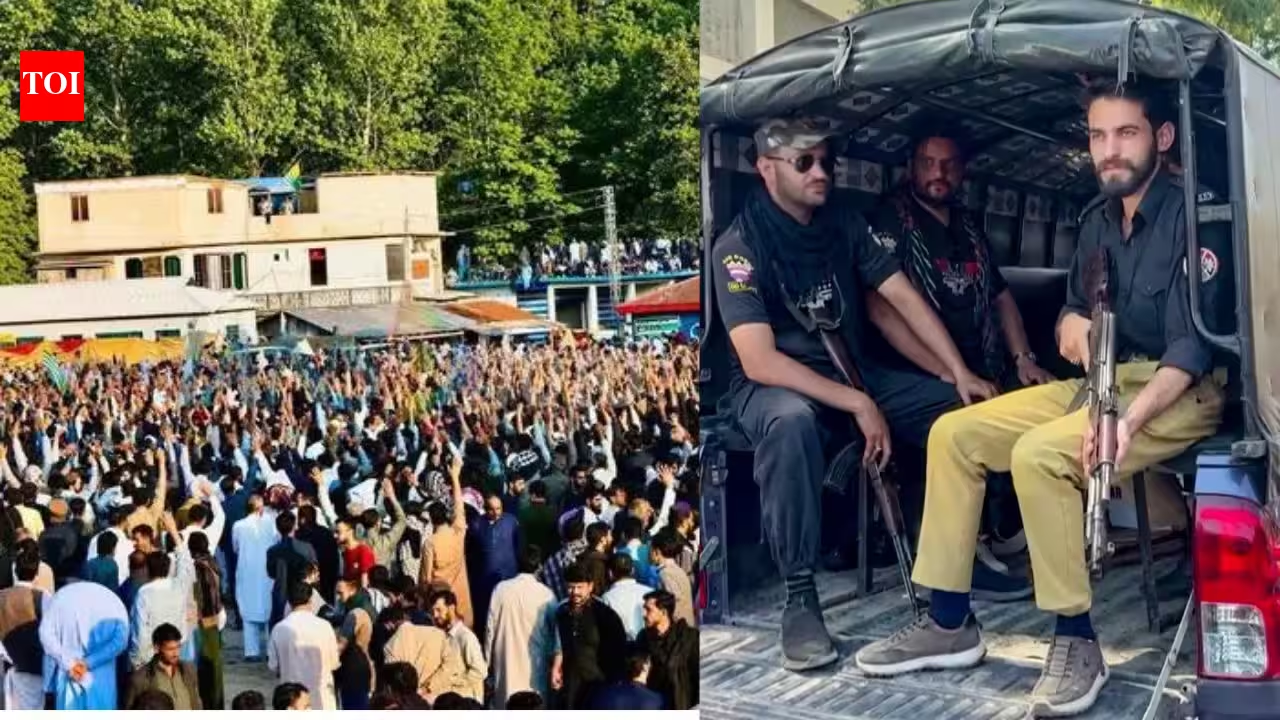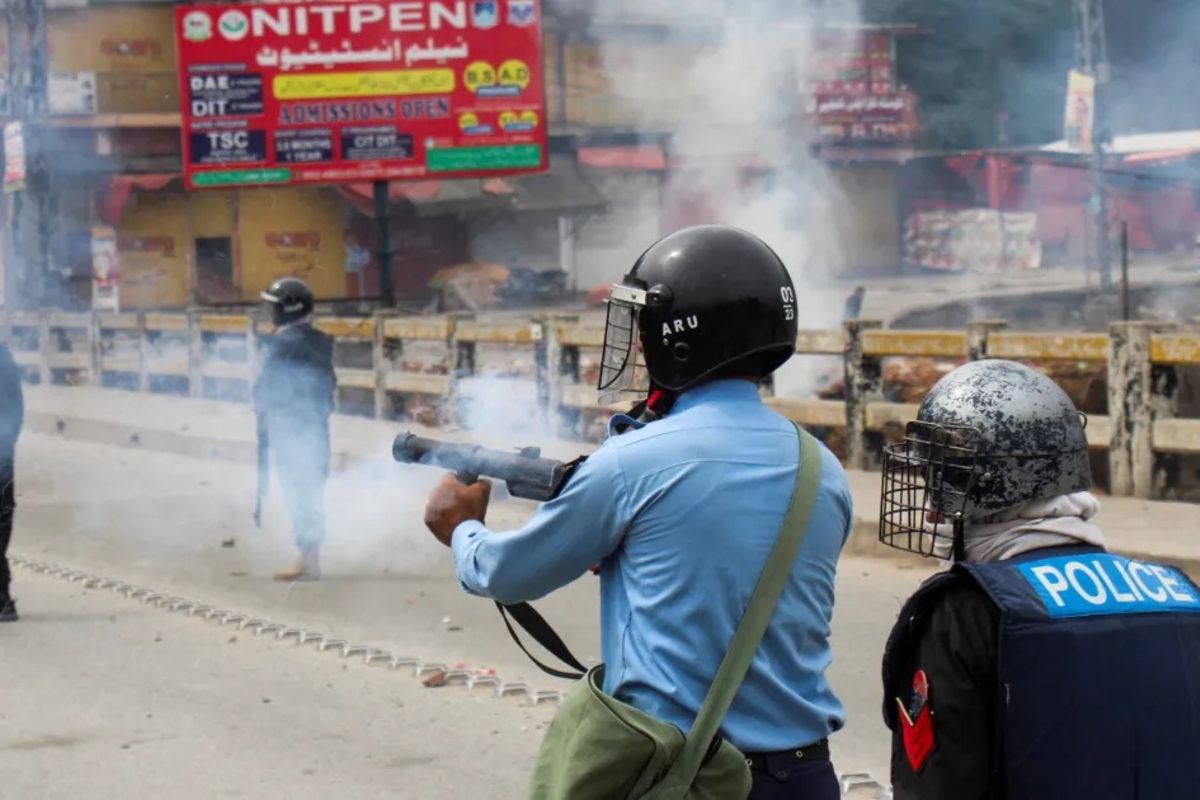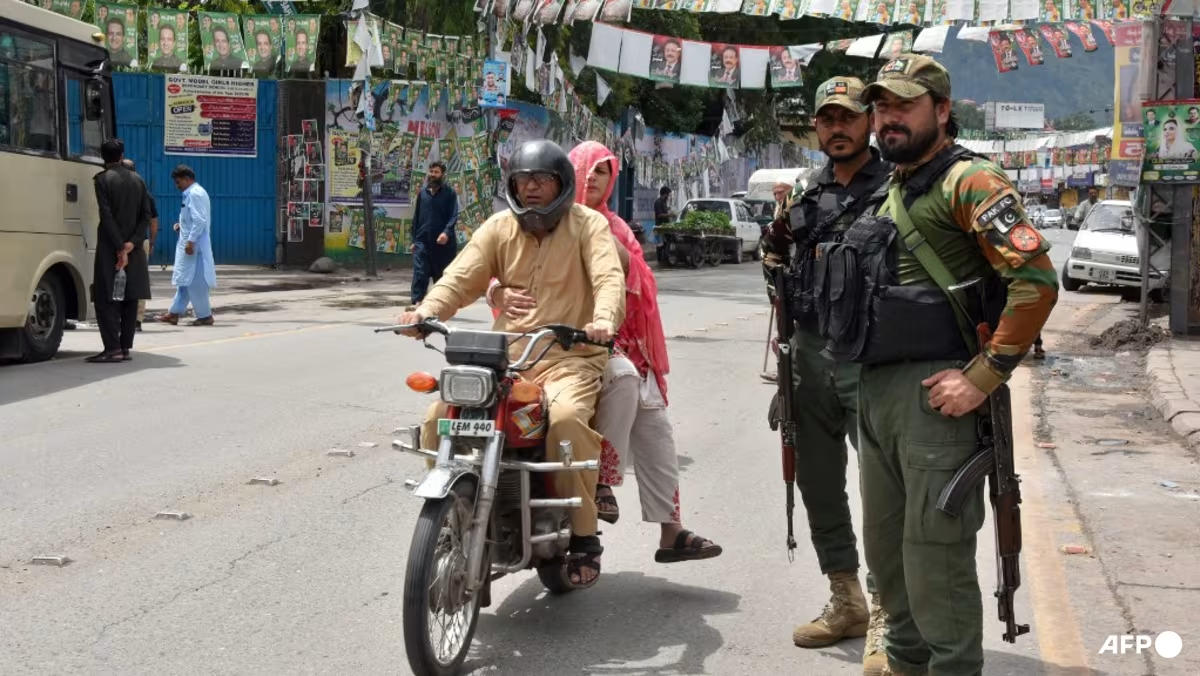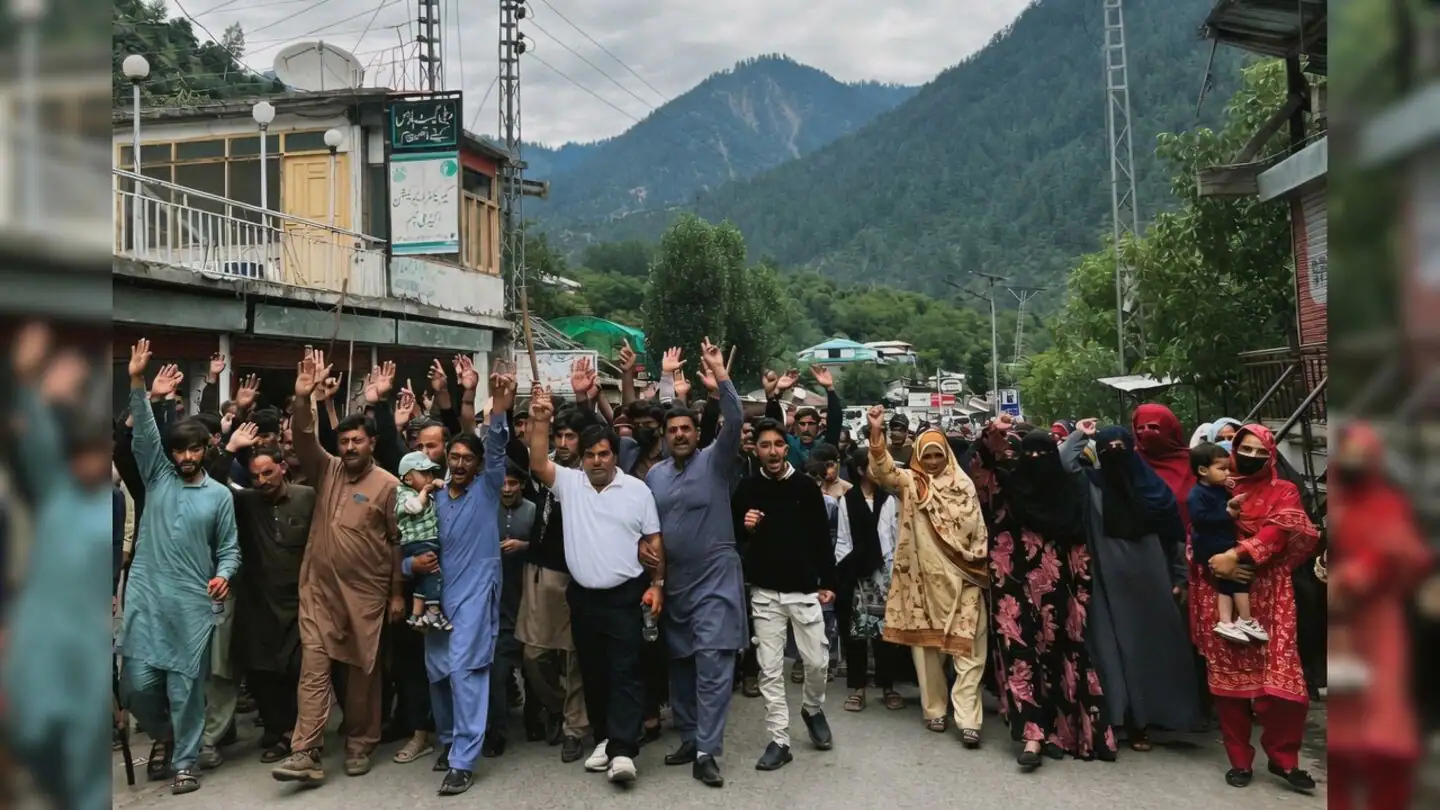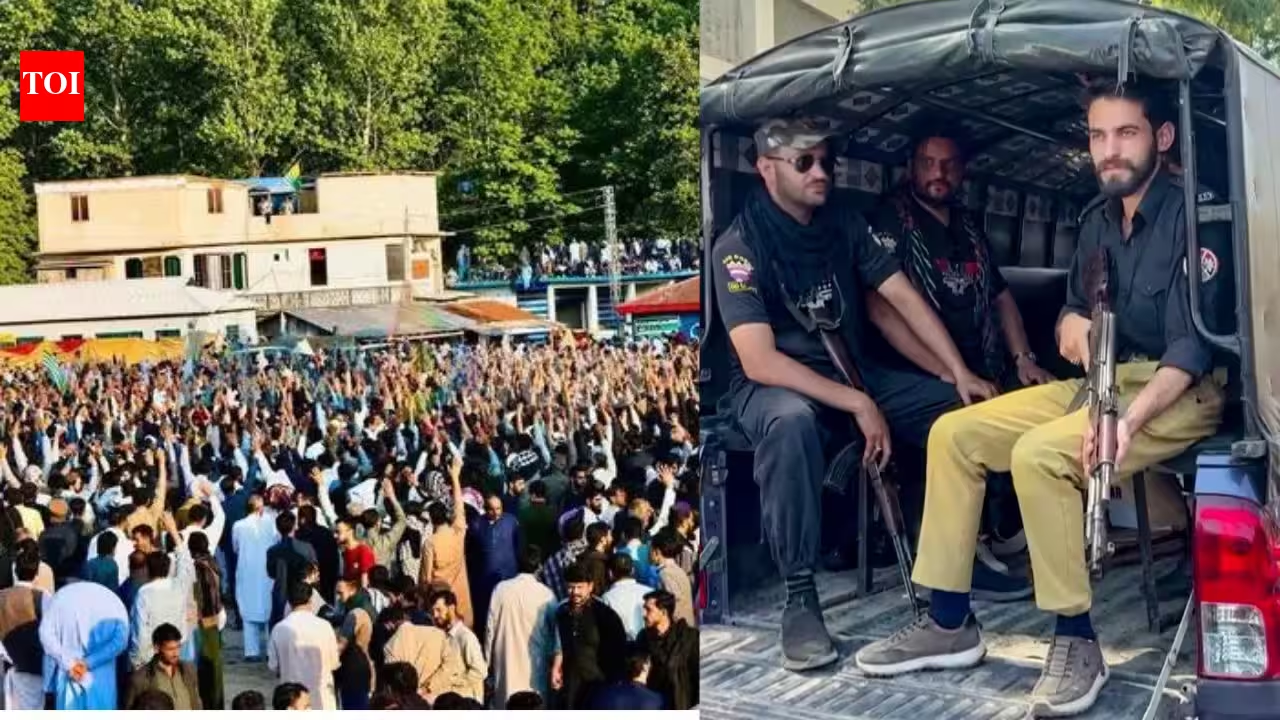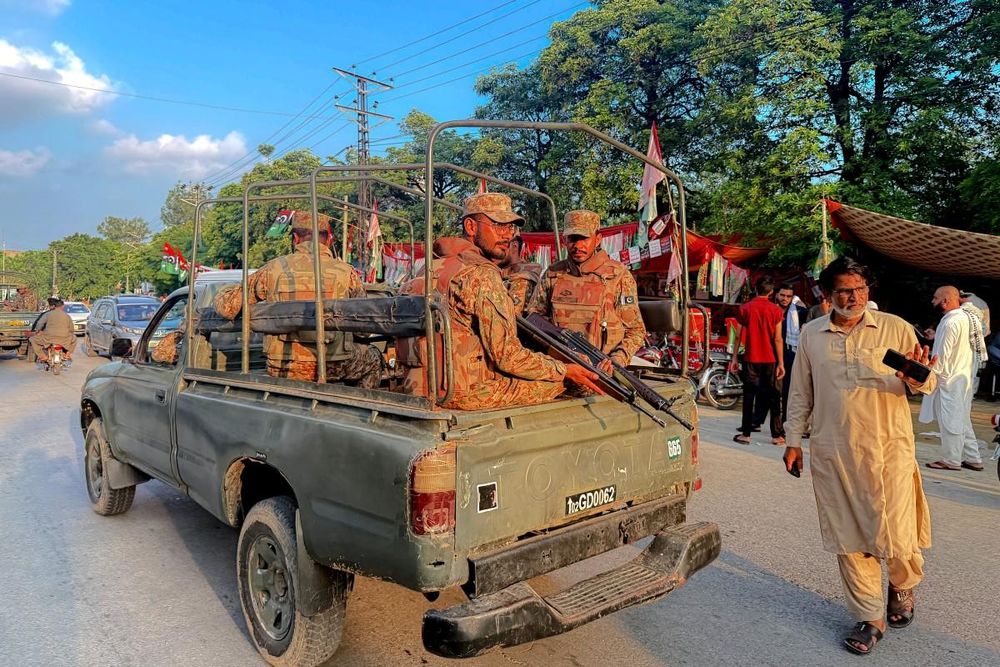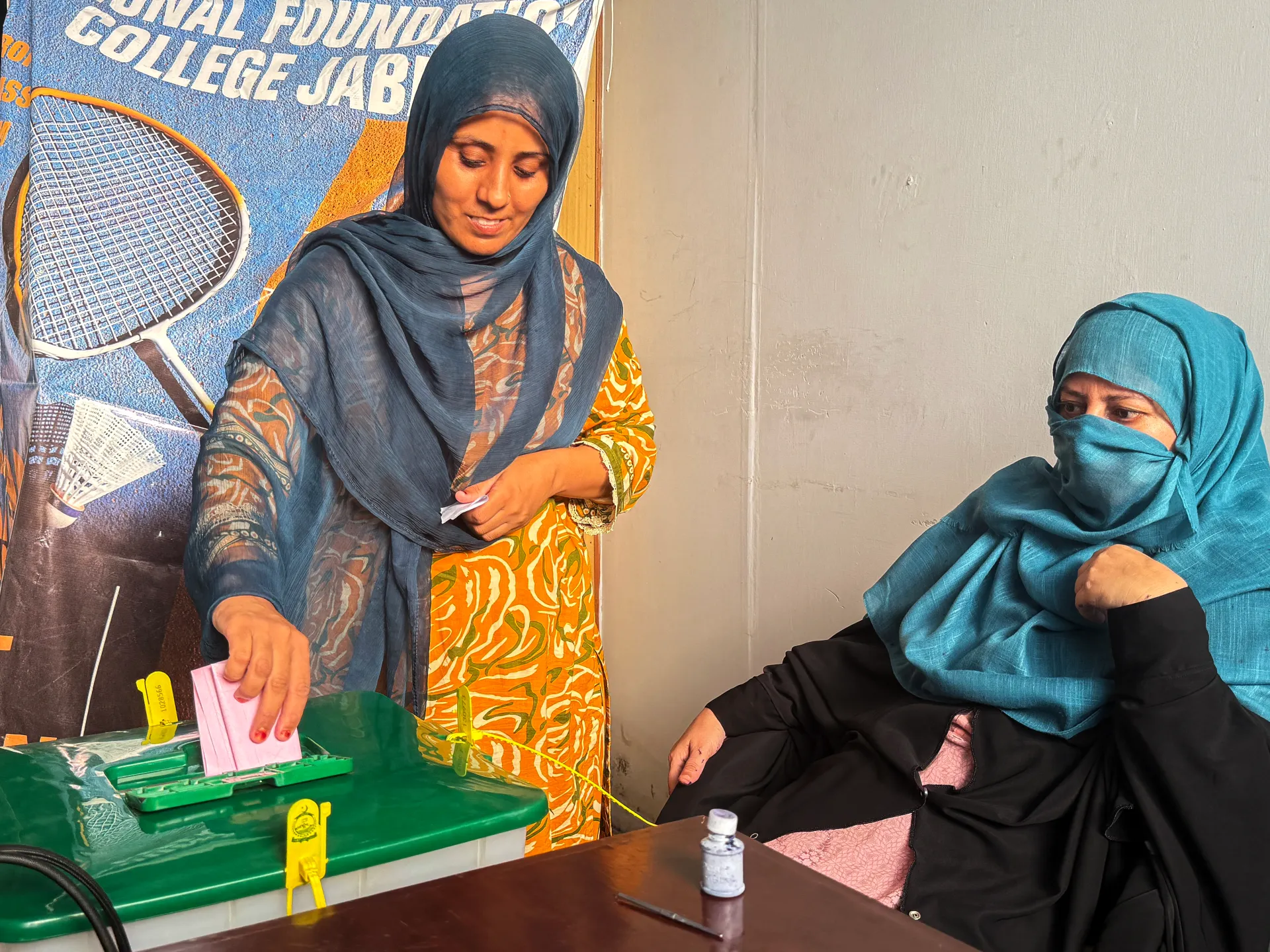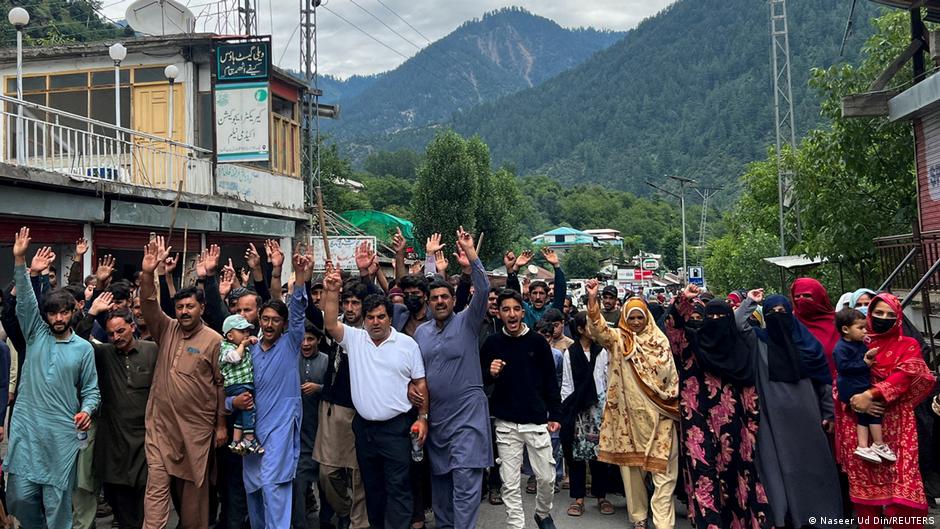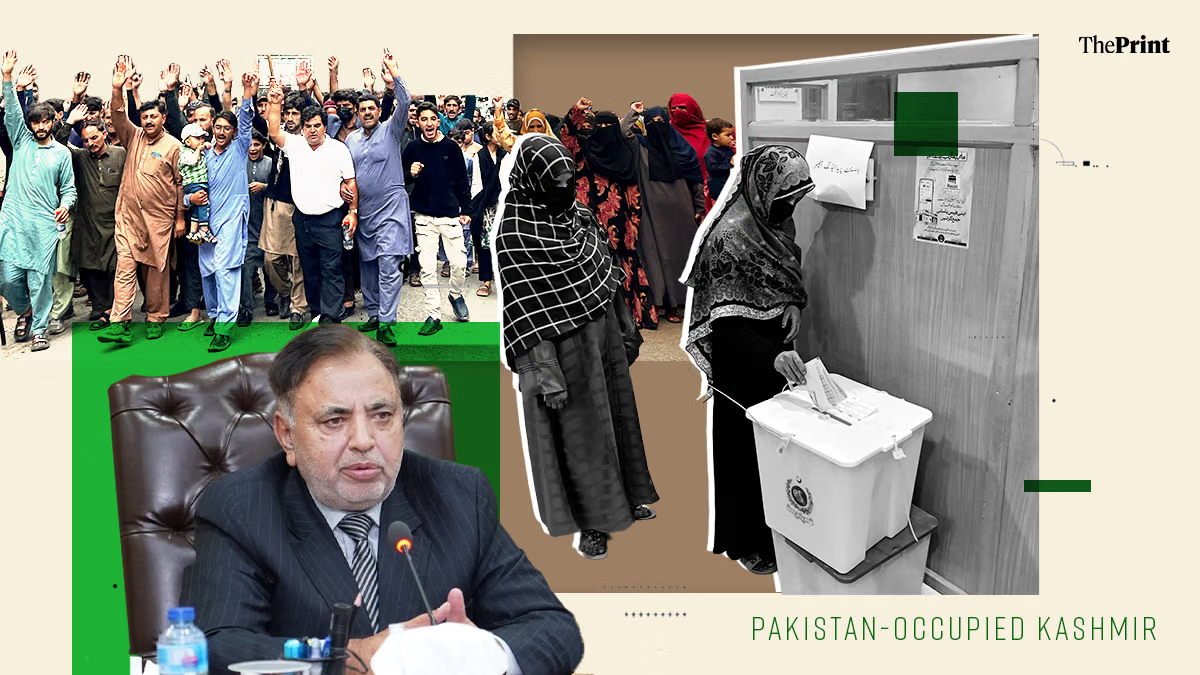
Polling was held in 13 constituencies in Mirpur division on 27 July, and will be held in 9 constituencies in Muzaffarabad division and 12 seats reserved for refugees across PoK on 1 August. The remaining 11 constituencies in Sudhanoti division, hit hardest by the unrest, will go to the polls on 10 August. Preparations had formally begun on 5 June, when the territorial poll panel announced the schedule.But the two political forces that have historically dominated PoK’s politics are missing from this election, the Joint Awami Action Committee (JAAC) and Imran Khan’s Pakistan Tehreek-e-Insaf (PTI).The JAAC, which campaigned on the promise of electoral reforms and subsidised flour and electricity, was banned by the territorial administration in June under anti-terrorism laws. The poll panel then barred its candidates from contesting. Several of its leaders and workers tried to run as independents, but their nomination papers were reportedly rejected on various technical grounds.Former prime minister Imran Khan’s PTI, meanwhile, chose to sit out the contest, saying that it saw little chance of a free and fair vote.For Islamabad, peaceful polling with a sizable turnout would bolster its argument that it governs the occupied territory with some credibility. A disputed election, or continued protests, on the other hand, would likely fuel calls for greater autonomy and a change in PoK’s constitutional status.While the territorial administration oversees day-to-day governance, Pakistan’s federal government exercises control over PoK’s defence and foreign policy, besides core constitutional questions about autonomy—signifying a division of power that considerably limits the authority of elected representatives in the disputed territory.According to the occupied territory’s polling body, more than 3.8 million voters are registered to vote in the elections this time, up from roughly 3.2 million in 2021. Of those, about 439,000 are registered in the 12 constituencies reserved for refugees.Direct contests are held on 45 of PoK’s 53 seats. The Assembly was expanded in August 2019 with one additional seat allocated each to Muzaffarabad, Neelum, Sudhanoti, and Kotli. This raised the majority mark in the Assembly from 25 to 27.Of the 45 directly-contested seats, 33 represent constituencies inside the occupied territory itself. The remaining 12 constituencies—spread across Pakistan’s provinces including in Lahore, Rawalpindi, Gujranwala, Faisalabad and Sialkot—are reserved for those registered as refugees from India.Infographic: Shruti Naithani/ThePrint
Violence mars Pakistan-occupied Kashmir polls. What’s at stake & why it’s an Islamabad-backed farce
Polling for 53 seats in Pakistan-occupied Kashmir (PoK) unfolds against internet shutdowns and a spate of arrests, besides deadly clashes between Joint Awami Action Committee and security forces.
2,696 words~12 min read