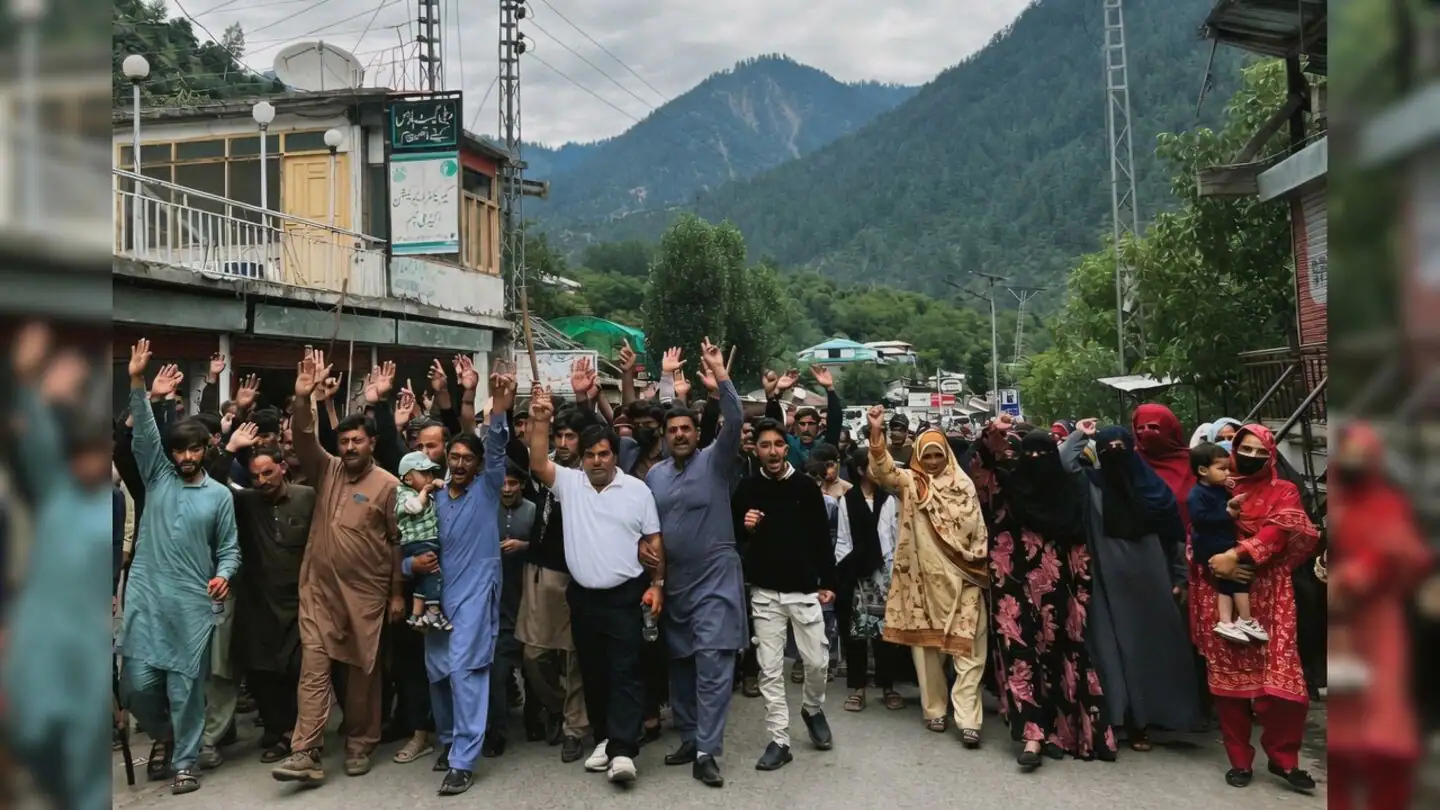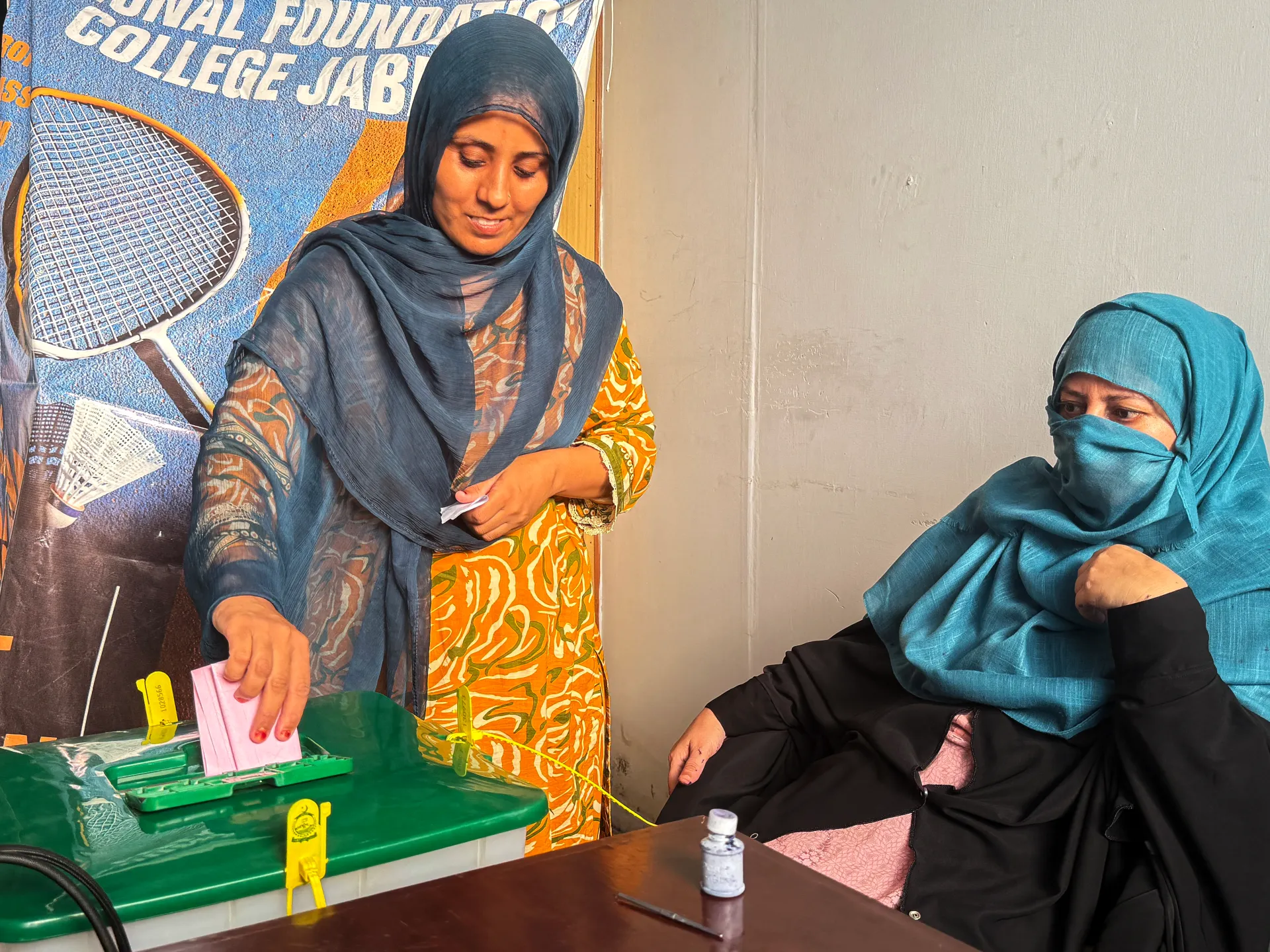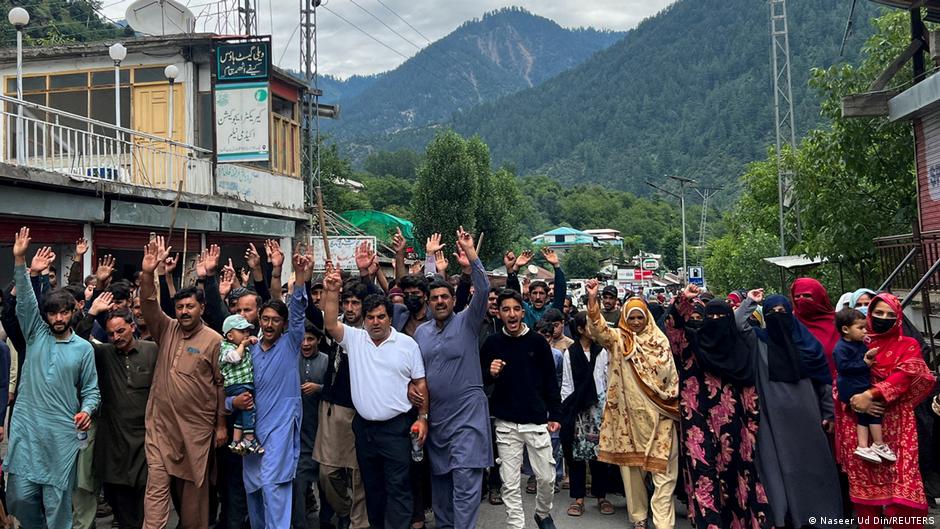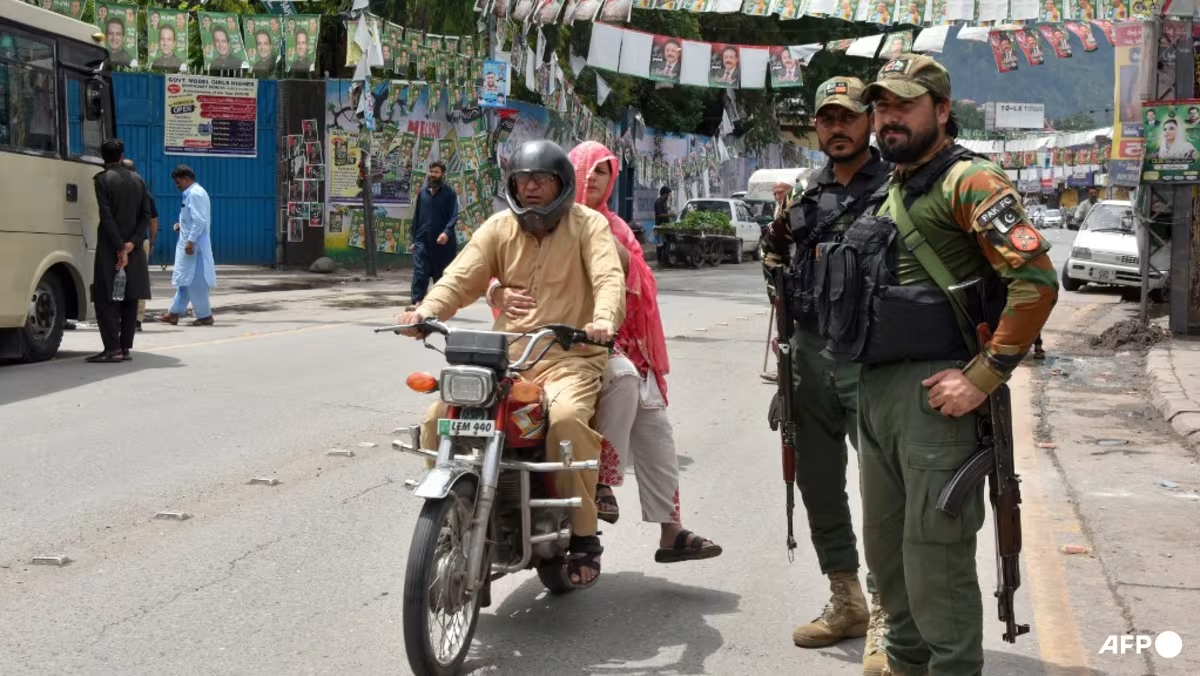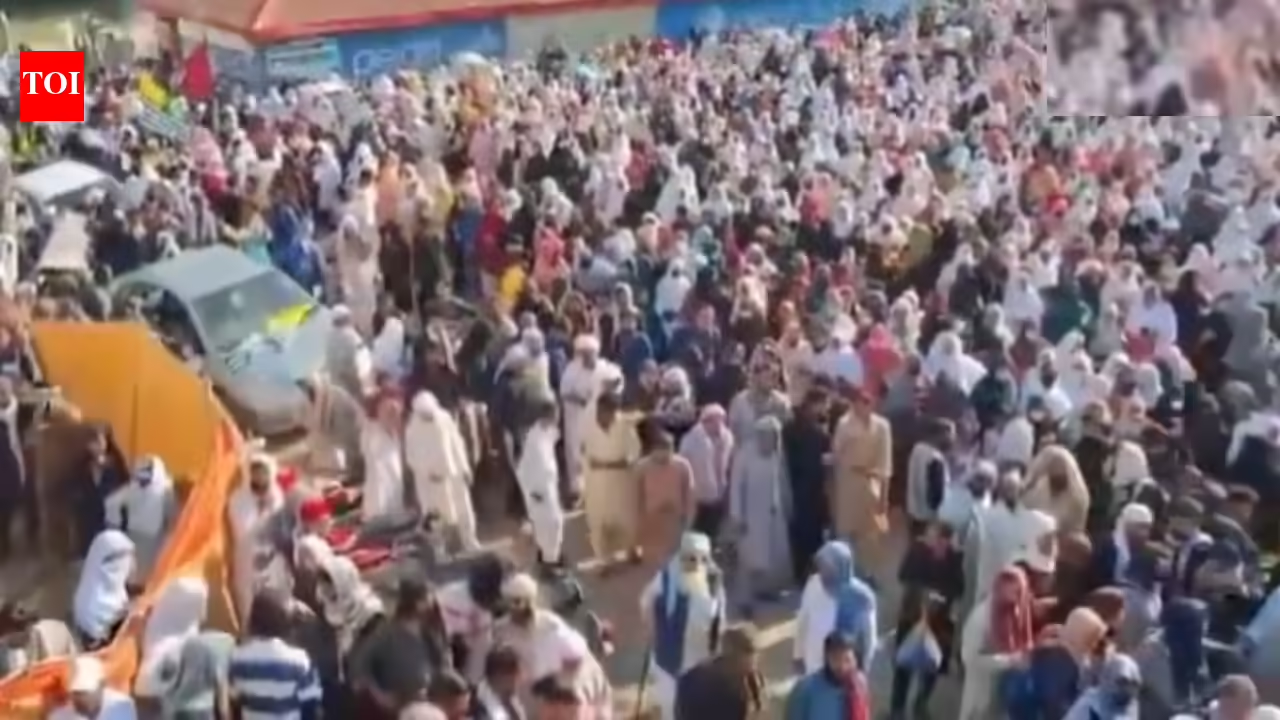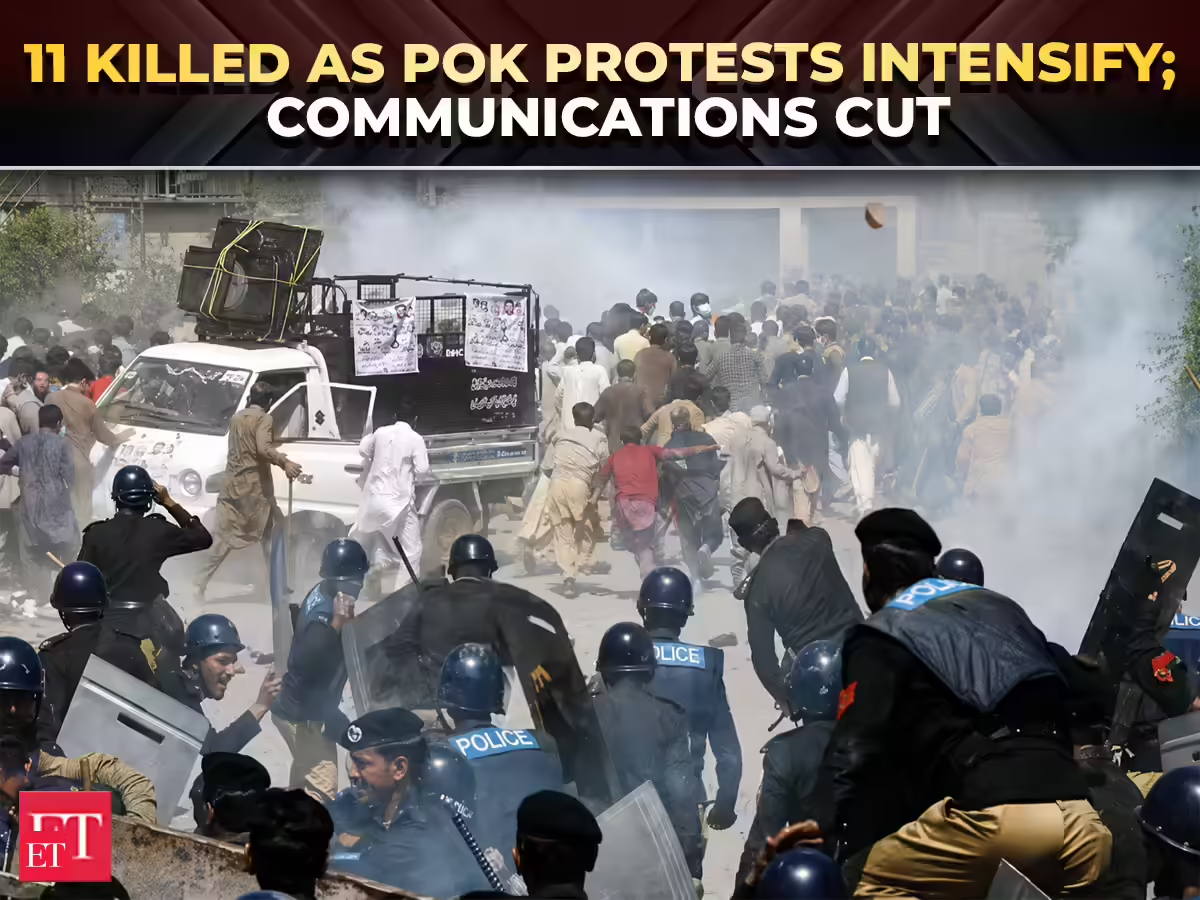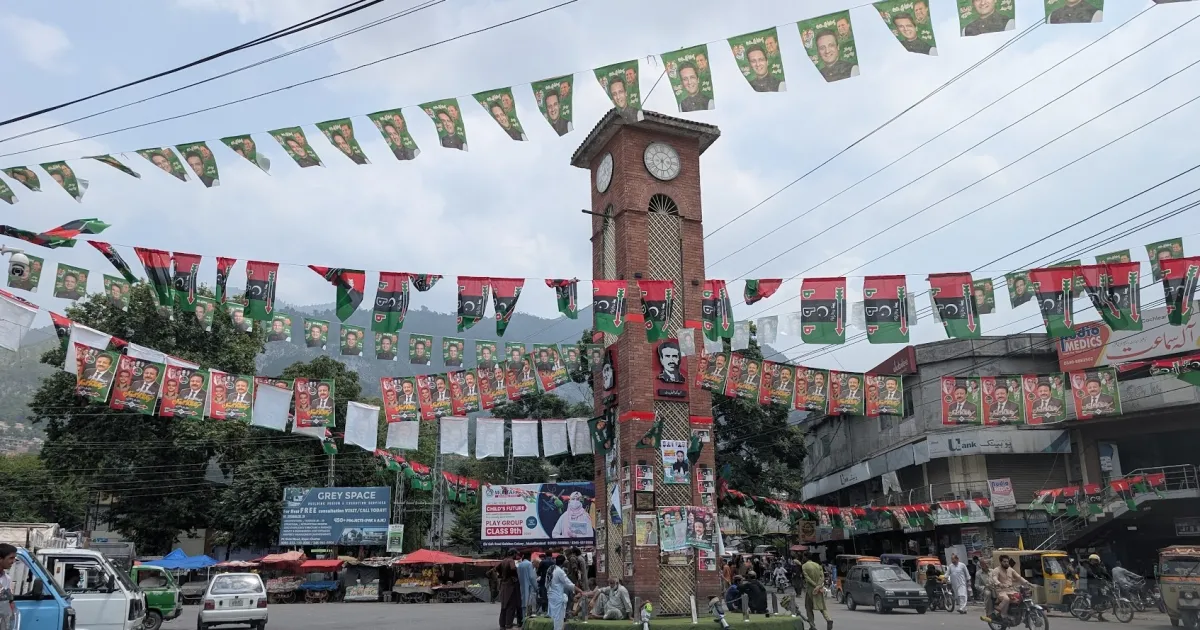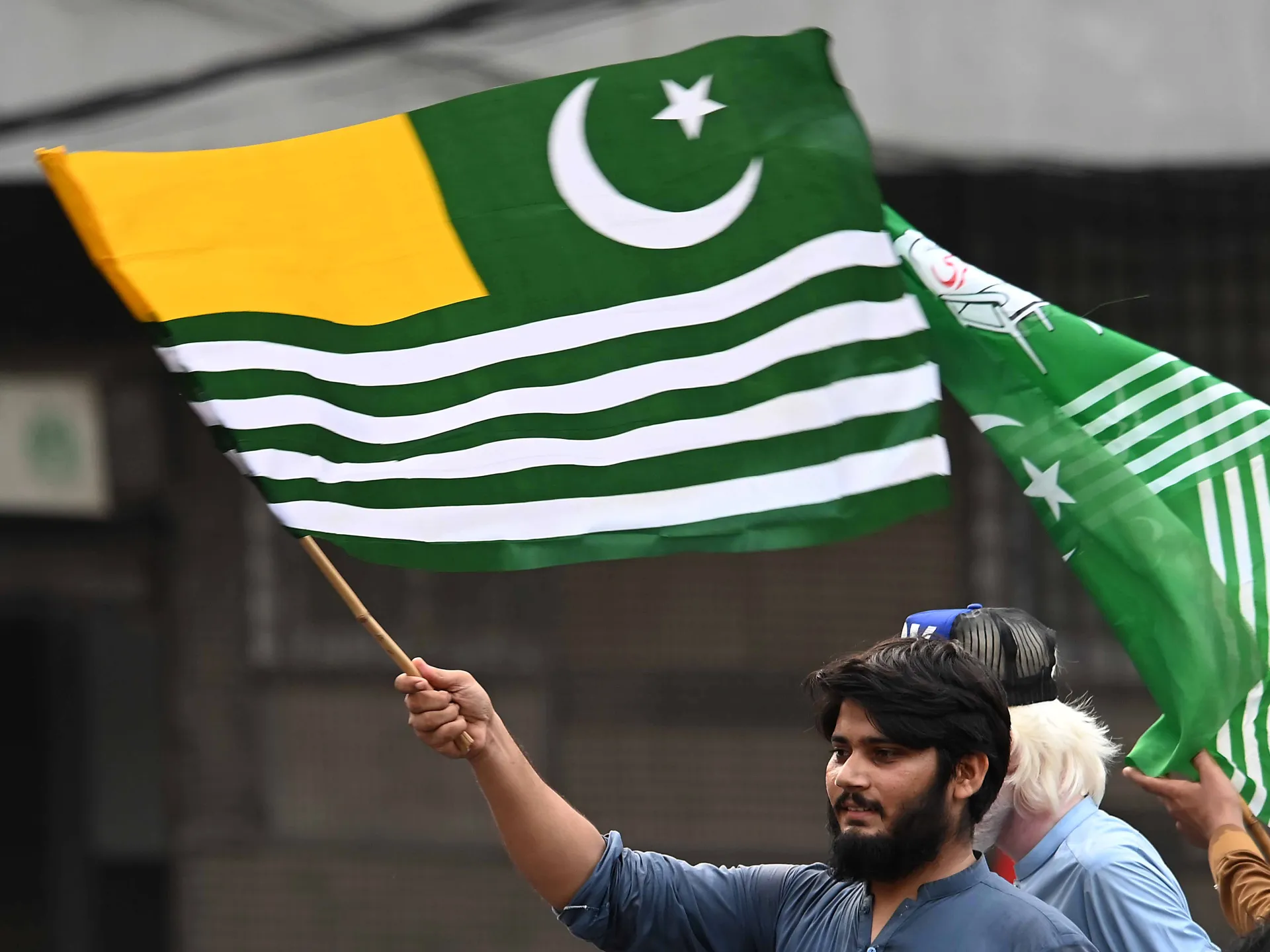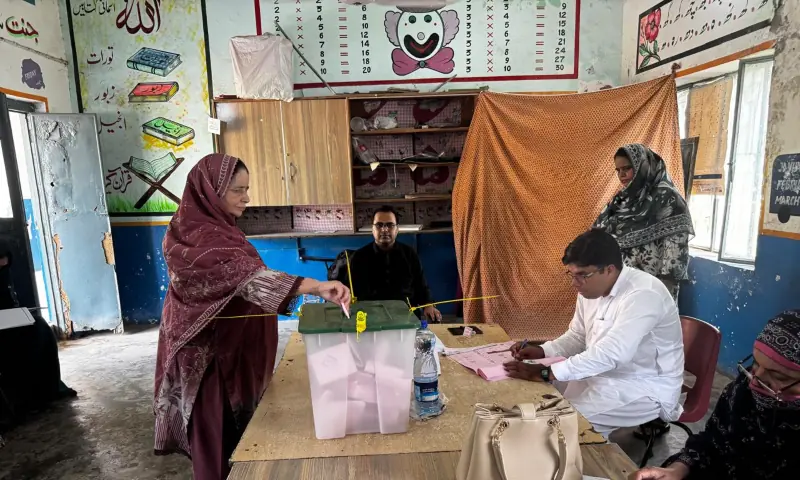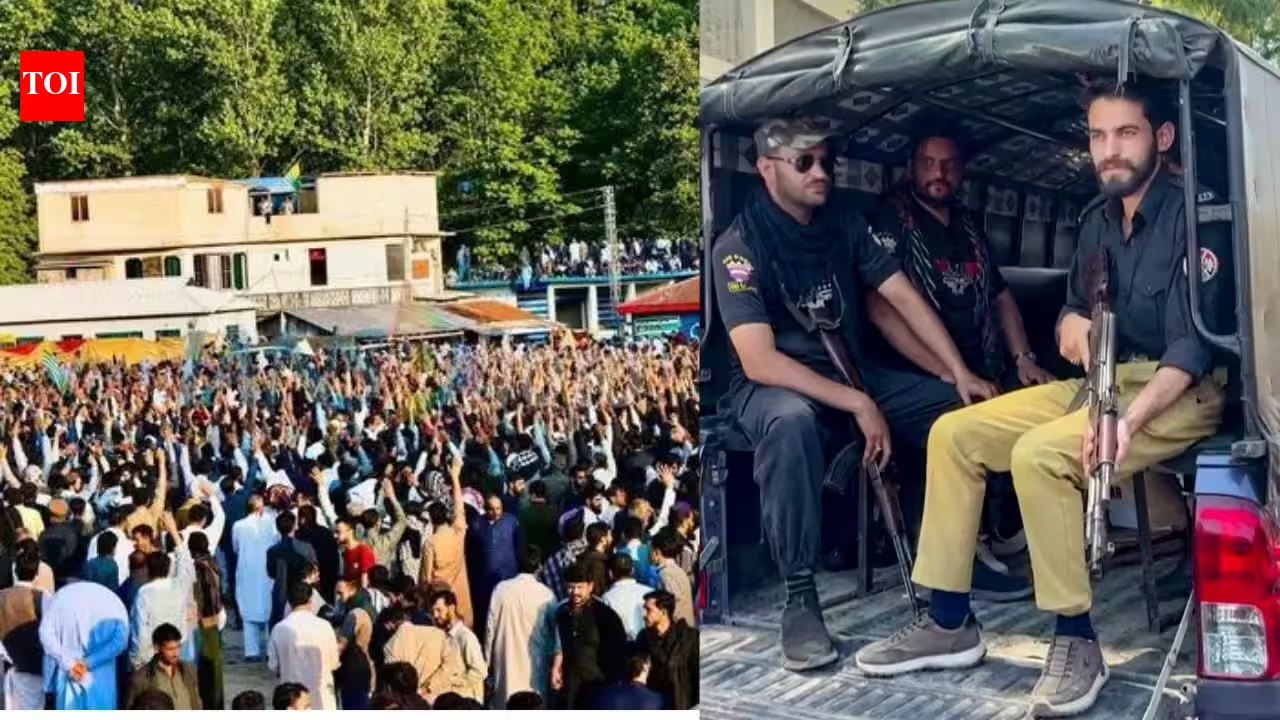
Elections to the so-called legislative assembly in Pakistan-occupied Kashmir (PoK) begin on Monday amid heightened security and continuing political unrest. The three-phase polls come after weeks of violent clashes that have left several people dead and hundreds injured.Polling for the 45 directly elected seats of the 53-member assembly will be conducted in three phases, ending on August 10. The first phase covers 13 constituencies in Mirpur division on Monday. This will be followed by polling in nine constituencies of Muzaffarabad division and all 12 refugee constituencies on August 2, with the remaining 11 constituencies of Poonch division voting on August 10.Ahead of the polls, Pakistan's Punjab province deployed 14,000 police personnel to PoK for election security."The Punjab government has sent 14,000 personnel of Punjab policemen for Kashmir poll security duty on the request of the Kashmir government," a government official told PTI."Of these, 30 per cent are carrying weapons and 70 per cent are equipped with anti-riot equipment," the official added.The election schedule was announced by PoK election commissioner Ghulam Mustafa Mughal earlier this month.The assembly comprises 53 seats, of which 45 are directly elected, while eight are reserved for women, technocrats and clerics. Of the total seats, 12 are reserved for refugees who settled in PoK after 1947. Meanwhile, elections to the Gilgit-Baltistan Assembly were held on June 7.Jaac protests, crackdown and rights concerns cast shadowThe polls are taking place against the backdrop of sustained unrest in the region. The Joint Awami Action Committee (JAAC) led protests for nearly two months, demanding, among other issues, the abolition of the 12 refugee seats.The demonstrations escalated into violent clashes with security forces, with Pakistani authorities reporting casualties among both protesters and security personnel.Following the unrest, the regional government banned Jaac under anti-terrorism legislation and authorities arrested more than 100 people before and after the clashes, according to PTI.The human rights commission of Pakistan (HRCP) said it was "deeply alarmed" by the violence in PoK, where 11 people, including four police officers, were killed and hundreds injured during clashes. The unrest has also drawn international attention, with the office of the united nations high commissioner for Human Rights expressing concern over the "wave of unrest". UN high commissioner for human rights Volker Türk appealed for calm and said "dozens of people, mostly protesters but also law enforcement personnel, have reportedly been killed since June."India has reiterated its long-standing position on the region. On July 14, the ministry of external affairs described the protests in PoK as a "direct consequence" of Islamabad's decades-long "systemic exploitation and administrative oppression" in areas under its "forcible" occupation. New Delhi also criticised reported police brutality against protesters.India has consistently maintained that the entire Union Territories of Jammu and Kashmir and Ladakh, including the areas under Pakistan's control, are "integral and inalienable parts of India" and that Pakistan remains in "illegal and forcible occupation" of parts of these Union Territories.Political battle intensifiesThe election is also unfolding alongside political contestation in Pakistan. The Pakistan Muslim League-Nawaz is facing its coalition partner, the Pakistan People's Party, in the PoK polls, while former prime minister Imran Khan's Pakistan Tehreek-e-Insaf has boycotted the election.Separately, Pakistan's Punjab government has denied permission to Pakistan Tehreek-e-Insaf to hold a rally in Lahore on August 5 to mark the third anniversary of Imran Khan's imprisonment. The party has said it will move the court seeking permission for the event.Former prime minister Nawaz Sharif has also expressed his desire to become the prime minister of PoK, saying it would allow him to "personally oversee" the development of the region.
PoK heads to polls amid weeks of deadly clashes and political unrest - what to expect
Elections to the so-called legislative assembly in Pakistan-occupied Kashmir (PoK) begin on Monday amid heightened security and continuing political unrest. The three-phase polls come after weeks of violent clashes that have left several people dead and hundreds injured.
592 words~3 min read