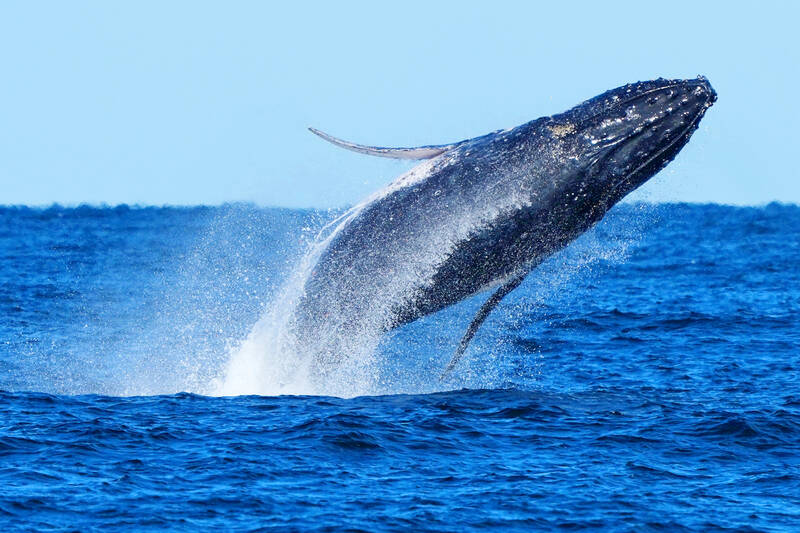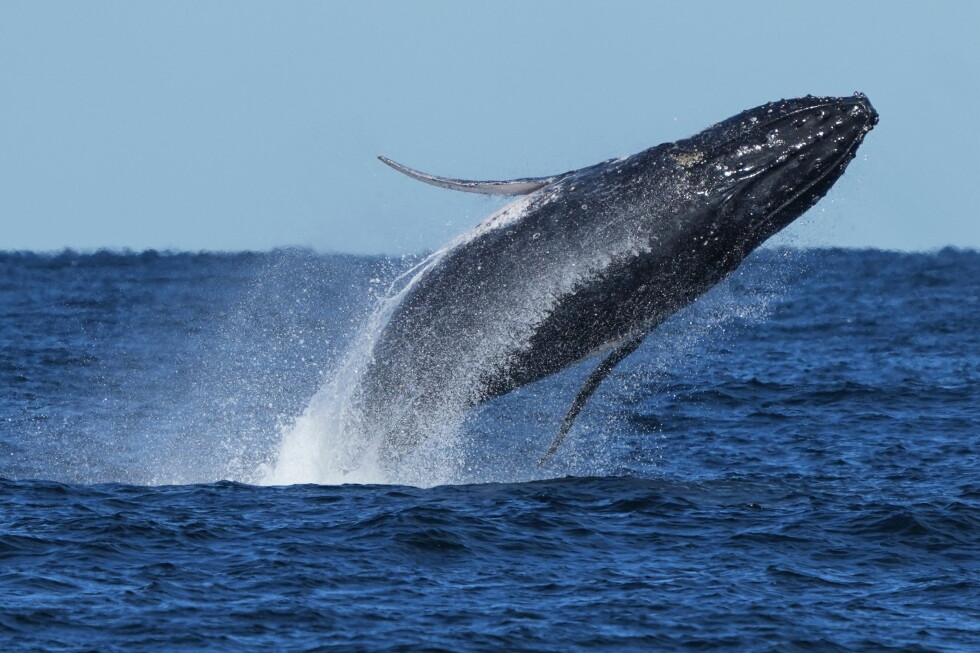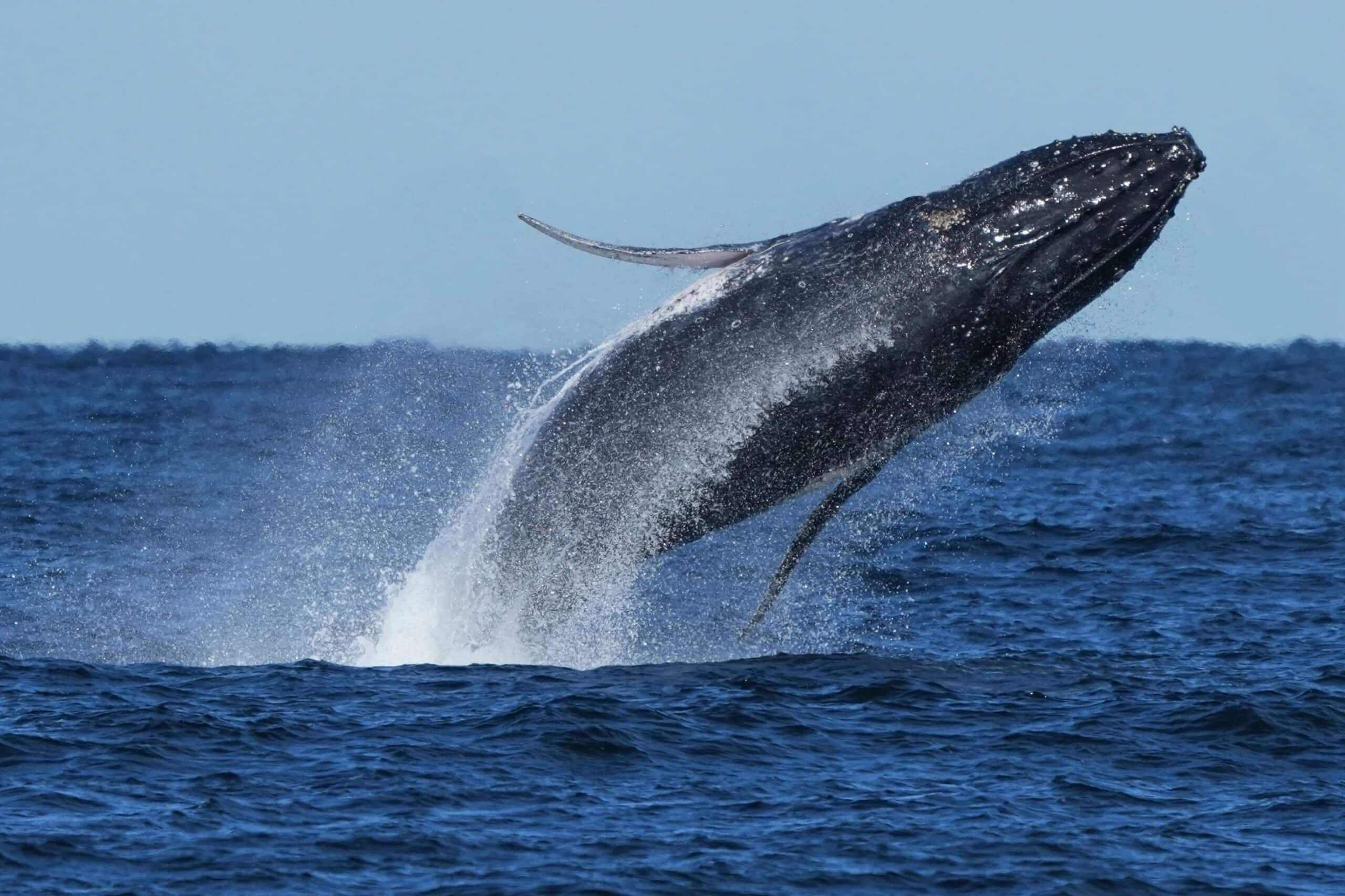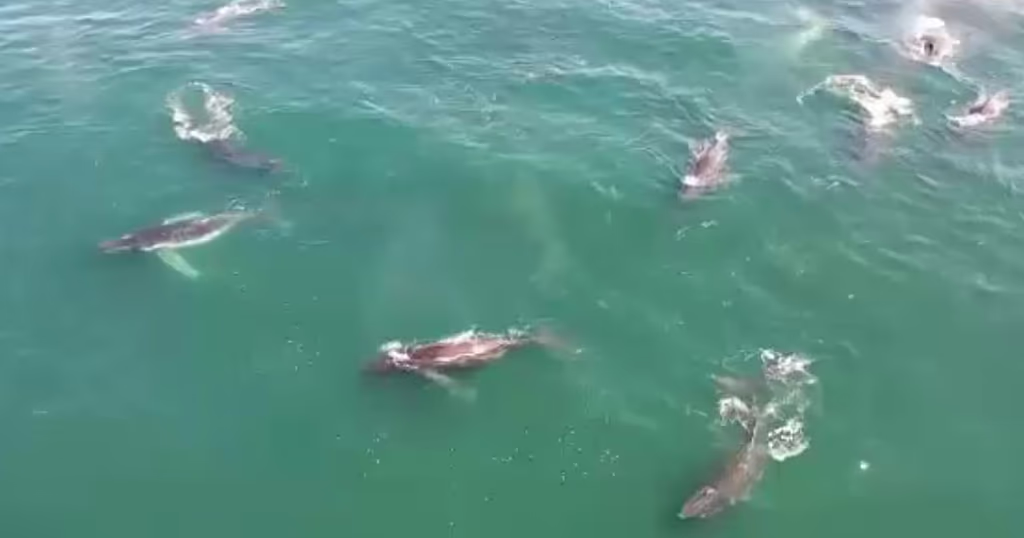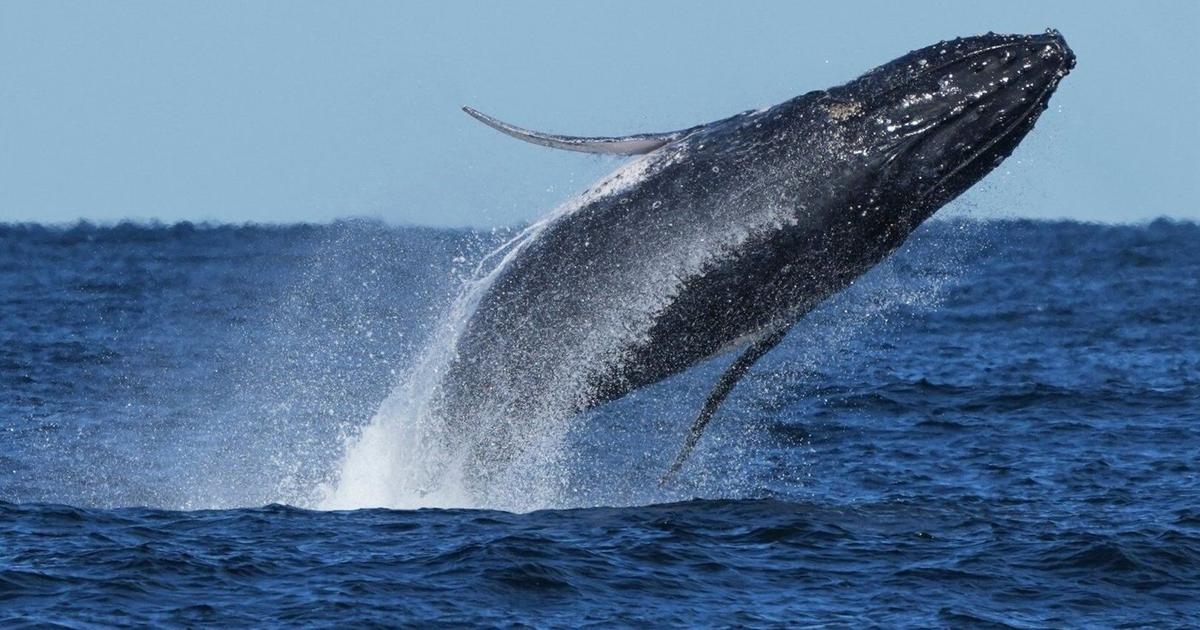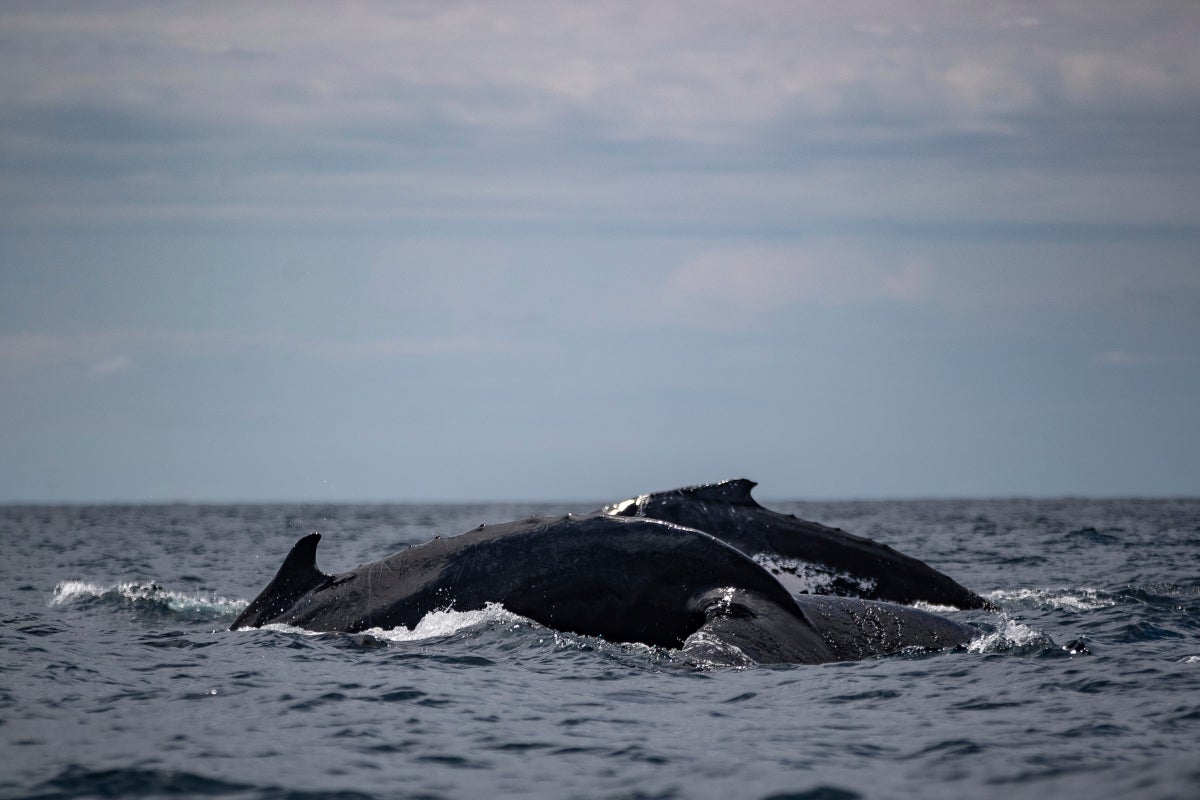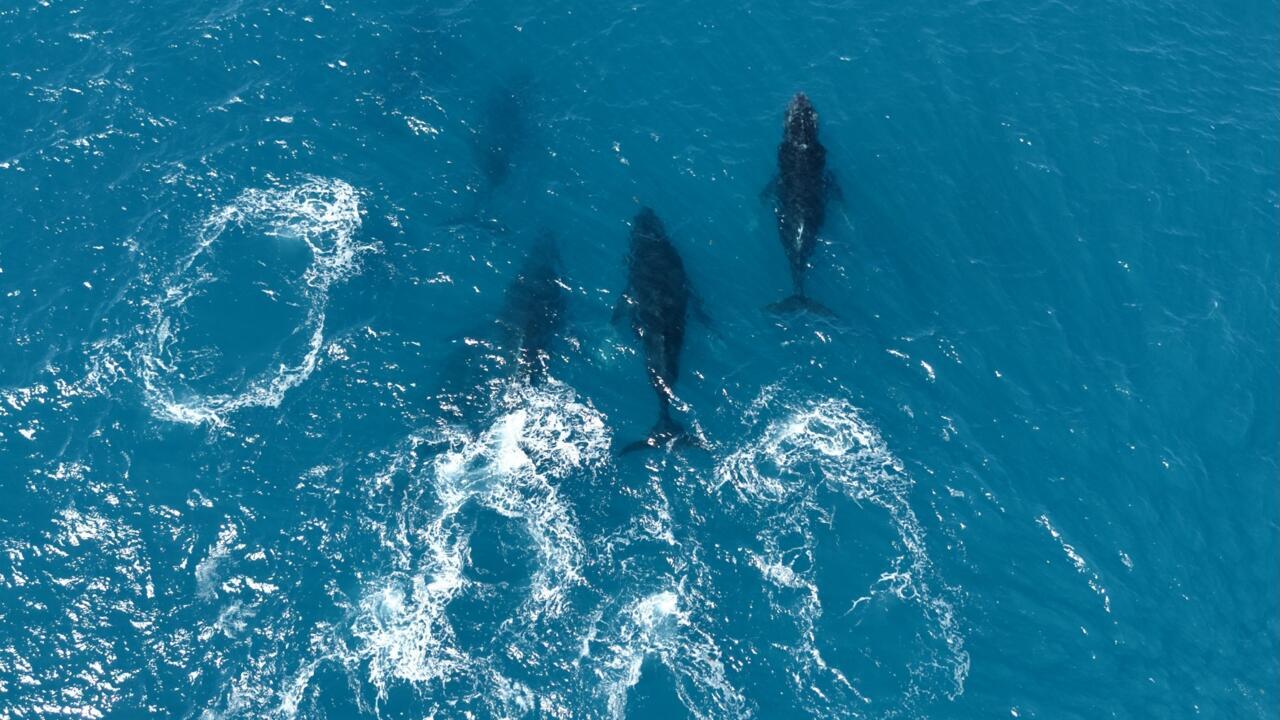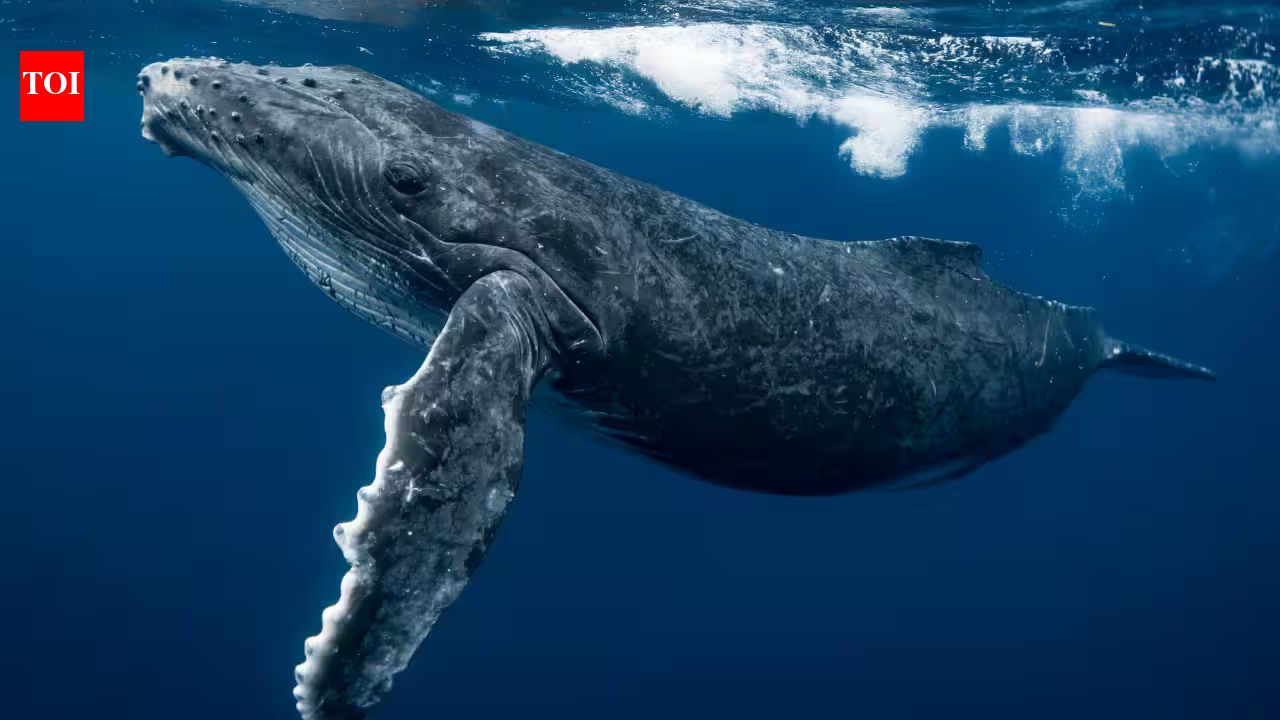
Image Credit: CanvaThe gathering of nearly 300 humpback whales feeding off South Africa's west coast has offered scientists an extraordinary glimpse into one of the world's greatest wildlife recovery stories. According to a report by the Associated Press, the rare sighting comes decades after commercial whaling drove the species to the brink of extinction. Once reduced to fewer than 10,000 individuals worldwide, humpback whales have now rebounded to an estimated global population of more than 100,000.A rare feeding event caught on cameraMarine researchers observed nearly 300 humpback whales feeding together in waters off South Africa, making it one of the largest feeding aggregations ever recorded in the region. The whales were taking advantage of dense patches of prey, including krill and small fish, creating a spectacular natural event that also provided valuable scientific data.Humpback whales are well known for their migratory behaviour, travelling great distances each year from the warm waters of their breeding grounds to the cool waters where they feed. While feeding, they consume enormous quantities of food, which they store to prepare for migration and reproduction.Scientists believe favourable ocean conditions and abundant prey likely helped attract such an unusually large number of whales to the same location.Image Credit: CanvaFrom near extinction to remarkable recoveryThe significance of the event lies in the history of humpback whales, one of the species most affected by commercial whaling. They have been hunted since the 19th century for their blubber, oil, and meat. By the mid-1960s, continuous hunting operations had brought their numbers down to less than 10,000 globally.Gradually, the actions taken by nations around the world to save whales have altered this trend. Limitations imposed on commercial hunting of whales, including those made through the International Whaling Commission, have allowed humpback whales to return in large numbers to many regions throughout the world.Currently, there are over 100,000 humpback whales worldwide, and thus, humpback whales represent one of the most successful stories for conservation efforts.Recovery brings hope, but not complete safetyWhile the numbers of humpback whales have risen considerably, scientists warn that the animals still face many dangers today. Ironically, scientists say the species' recovery has also increased the risk of ship strikes, as more whales are now travelling through busy shipping routes where collisions with vessels are becoming more common.Entanglement in fishing equipment continues to be a serious source of injury and death, as do ship strikes that pose new dangers to whales travelling through the crowded maritime areas. Furthermore, climate change has brought changes in water temperatures and the availability of the food sources that whales need for their survival.Moreover, increased noise pollution from shipping and industrialisation can disrupt the whales' communication, navigation, and feeding behaviour. Scientists believe future research will be critical in understanding the effect of these changes on the whale population in the years to come.A powerful reminder of conservation's impactHowever, the aggregation of about 300 humpback whales along the coast of South Africa is not just a magnificent example of animal behaviour but also a vivid illustration of how effective conservation measures can contribute to positive results.Not long ago, the future seemed bleak for humpback whales because of the threats of commercial whaling driving them toward extinction. Their present comeback to an estimated number of over 100,000 demonstrates that strict laws and concerted efforts can lead to recovery.In terms of research, the rare occasion not only provides an excellent opportunity for scientists but is also a cause of hope that one of the most famous marine animals has made a comeback into the ocean's ecosystem. Despite these challenges, the sight of numerous humpback whales feeding in unison represents a remarkable example of natural recovery.
Nearly 300 humpback whales gathered off South Africa; decades after hunting reduced their numbers below 10,000, the population has crossed 100,000
The gathering of nearly 300 humpback whales feeding off South Africa's west coast has offered scientists an extraordinary glimpse into one of the world's greatest wildlife recovery stories. According to a report by the Associated Press, the rare sighting comes decades after commercial whaling drove the species to the brink of extinction.
608 words~3 min read