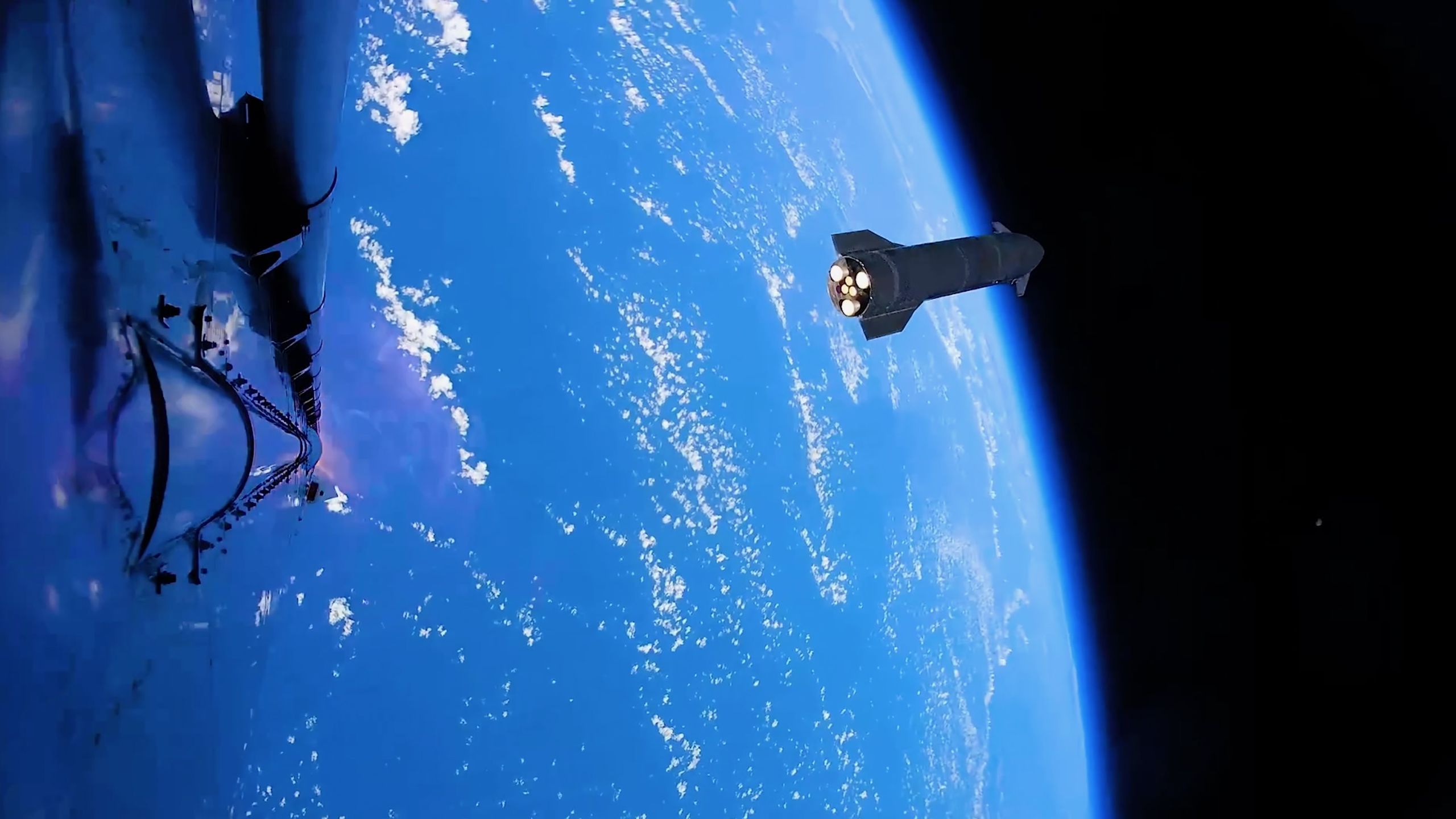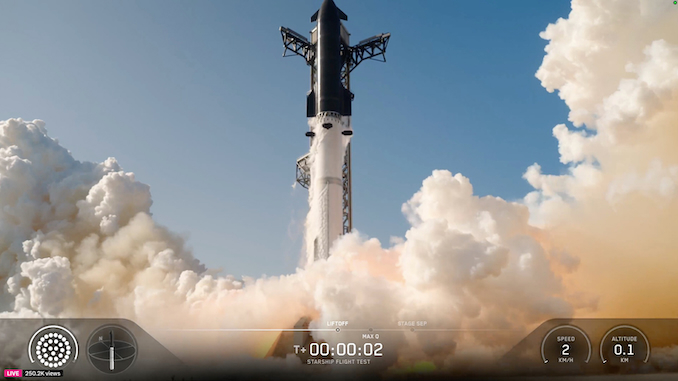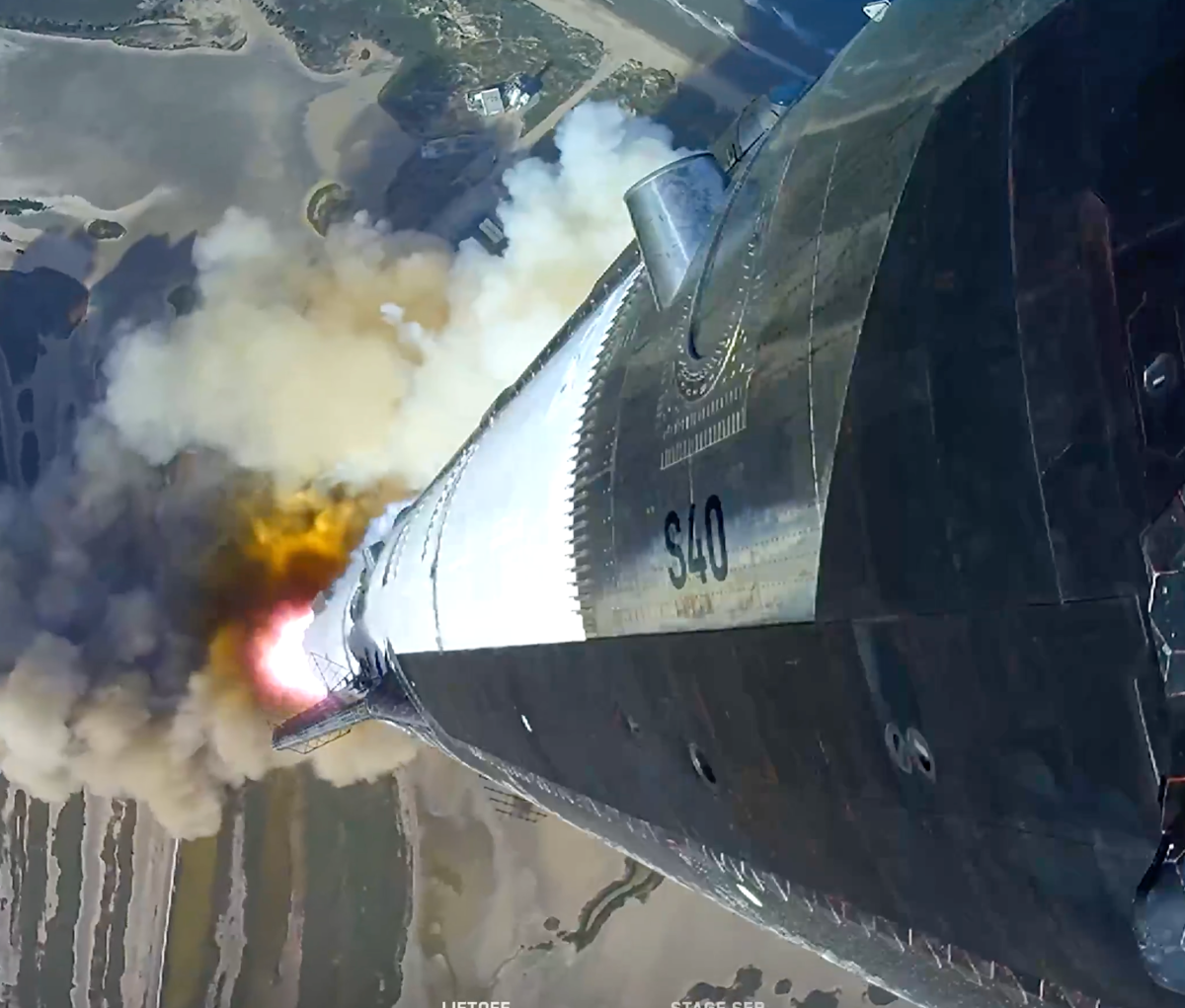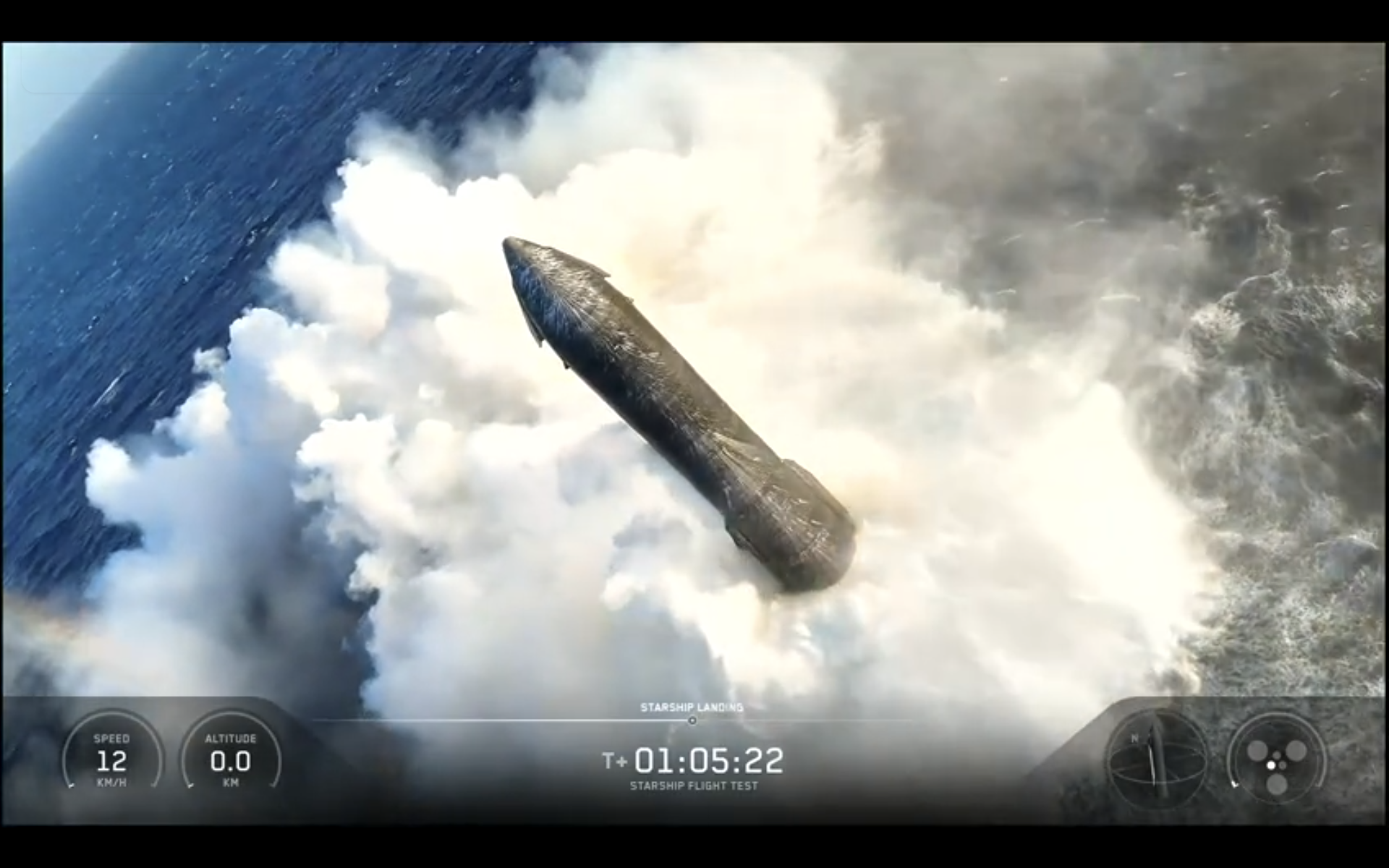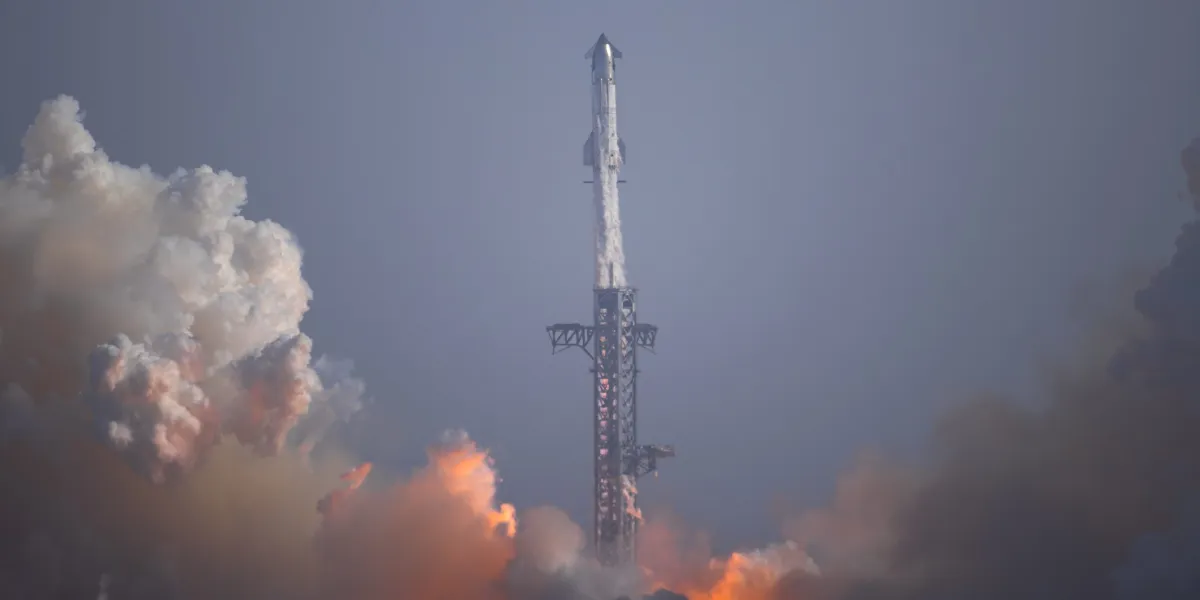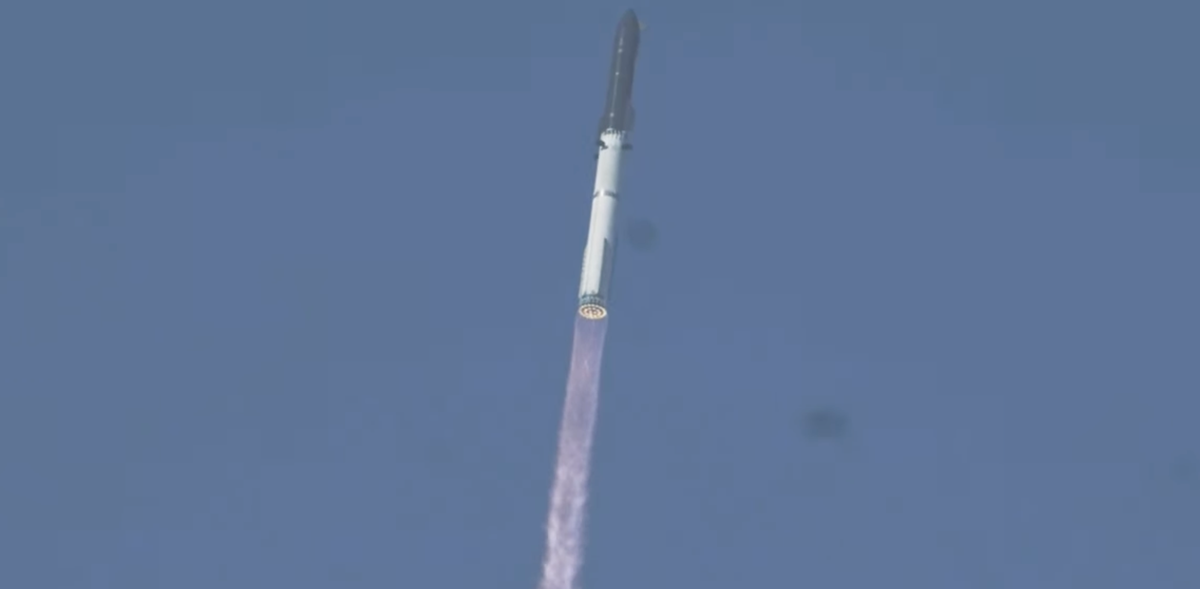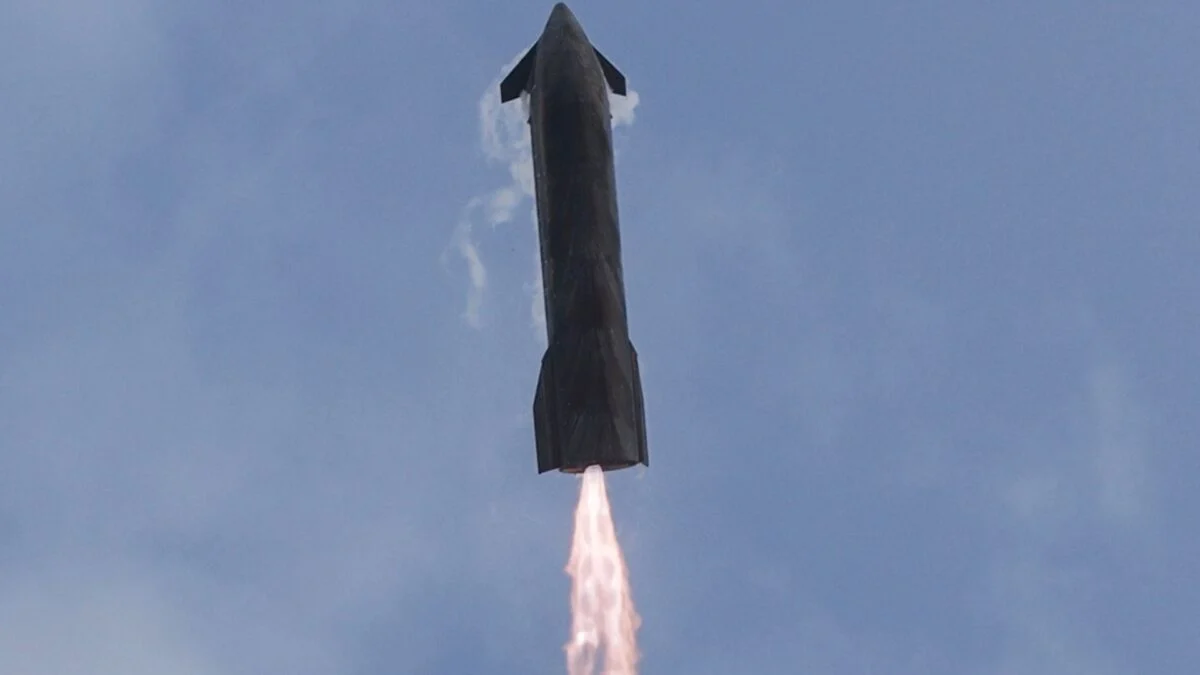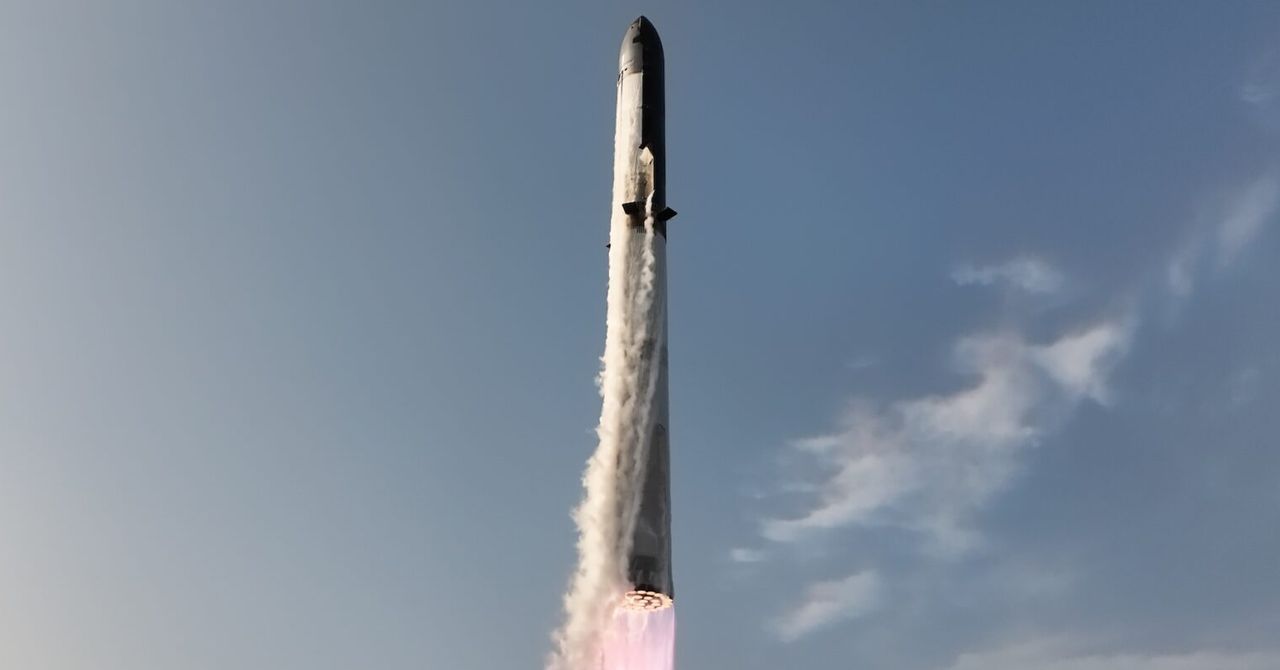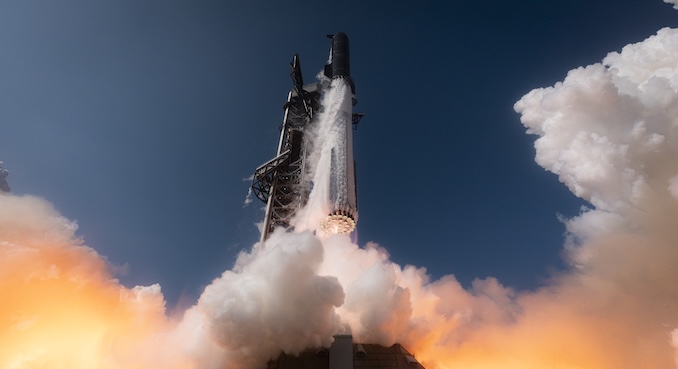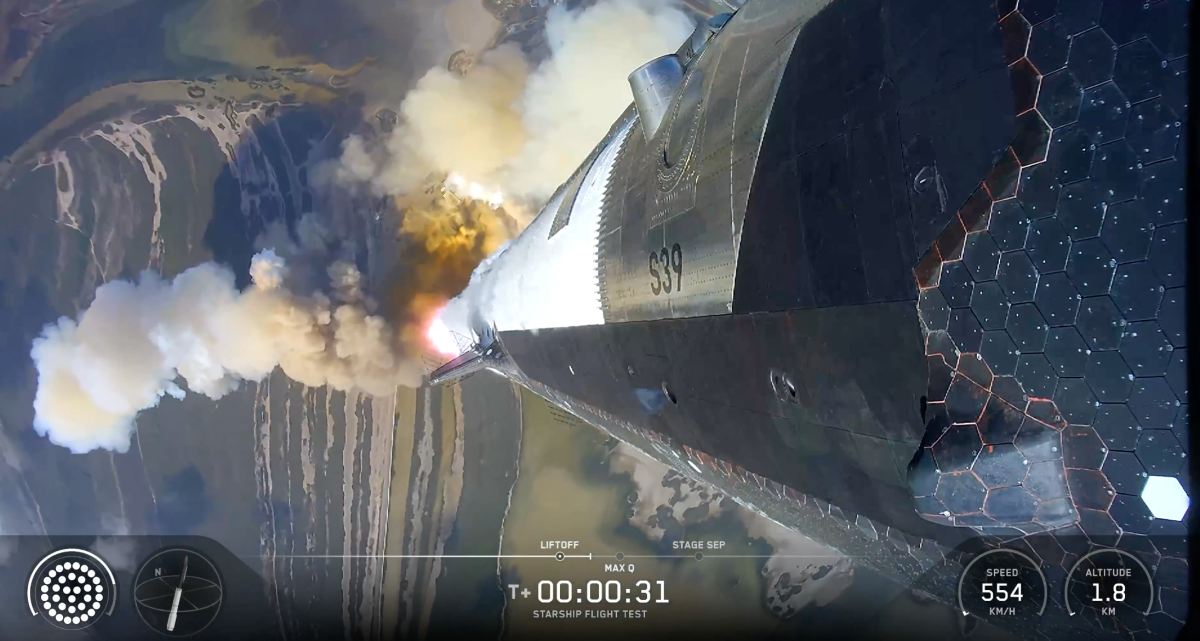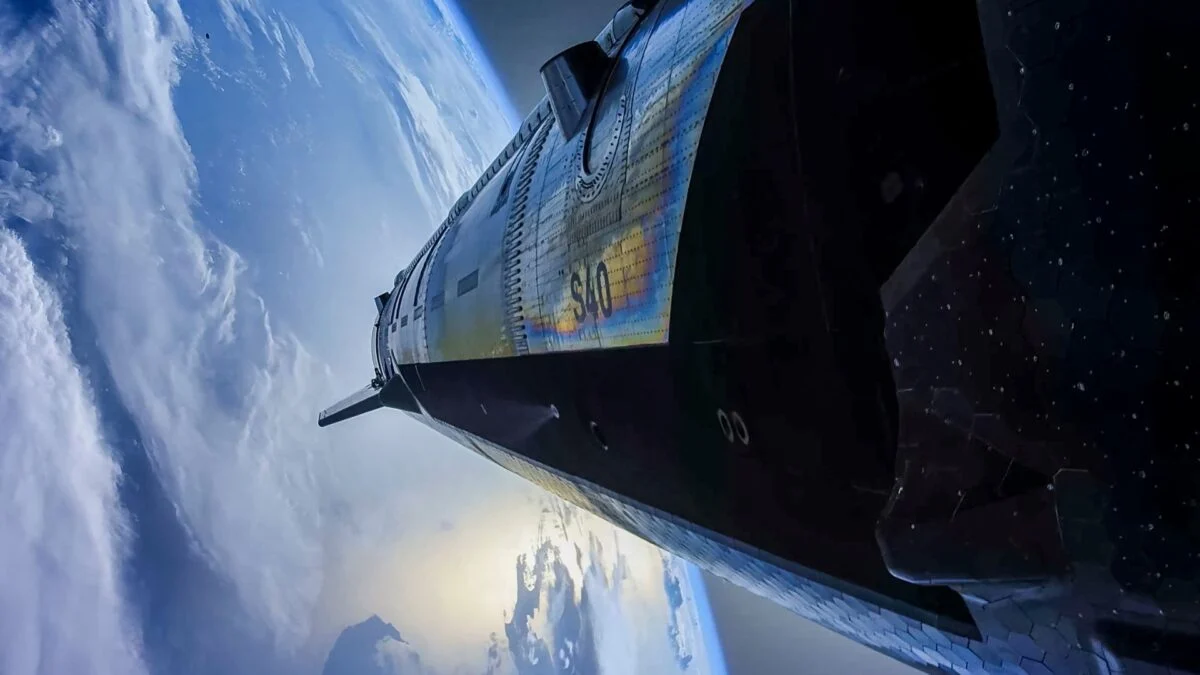
Starship Version 3, the biggest and most powerful rocket ever built, had an overall successful second test flight on Friday. Both the rocket and its booster demonstrated key capabilities, including the first deployment of SpaceX’s next-generation Starlink satellites, but experts say one thing still stands in the way of achieving Starship’s ultimate goal. “Starship’s current thermal protection system is a dead-end for all missions that require full and rapid reusability,” Dan Rasky, a former NASA engineer who studied heat shield materials for nearly four decades at the agency’s Ames Research Center, told Ars Technica. He and two other spaceflight industry experts—former NASA astronaut Charles Camarda and the head of the Trump administration’s NASA transition team, Charles Miller—reportedly analyzed images of Starship after it splashed down in the Indian Ocean on Friday. They didn’t love what they saw.
Credit where credit is due Before we dive into the issues, let’s get a few things straight. Firstly, the heat shield absolutely did its job during Flight 13. Starship successfully reentered Earth’s atmosphere, and SpaceX reported that the heat shield was intact after splashdown.
Secondly, it’s undeniable that Starship’s heat shield performance has improved markedly over the last several flights. The proof is in the pictures. In the images below, you can clearly see how much more uniform the shield appeared after flights 12 and 13 compared to 10 and 11, with minimal tile loss and damage. SpaceX Starship Heat Shield Comparison Between Flights 10-13. It’s getting better every time. This is what progress looks like. 🦾 pic.twitter.com/2BzANY9BoL — Nic Cruz Patane (@niccruzpatane) July 25, 2026 The difference between flights 11 and 12 is particularly encouraging. Flight 12 was the first mission to launch Starship V3, and in this spaceflight reporter’s opinion, the heat shield stole the show. One of the biggest differences between Starship V3 and its predecessor, Starship V2, is the heat shield tile array, according to New Space Tracker. The improved tile geometry and attachment clips that SpaceX used for this new rocket have certainly made a difference, and it appears these upgrades are progressing the shield’s design toward rapid reusability.