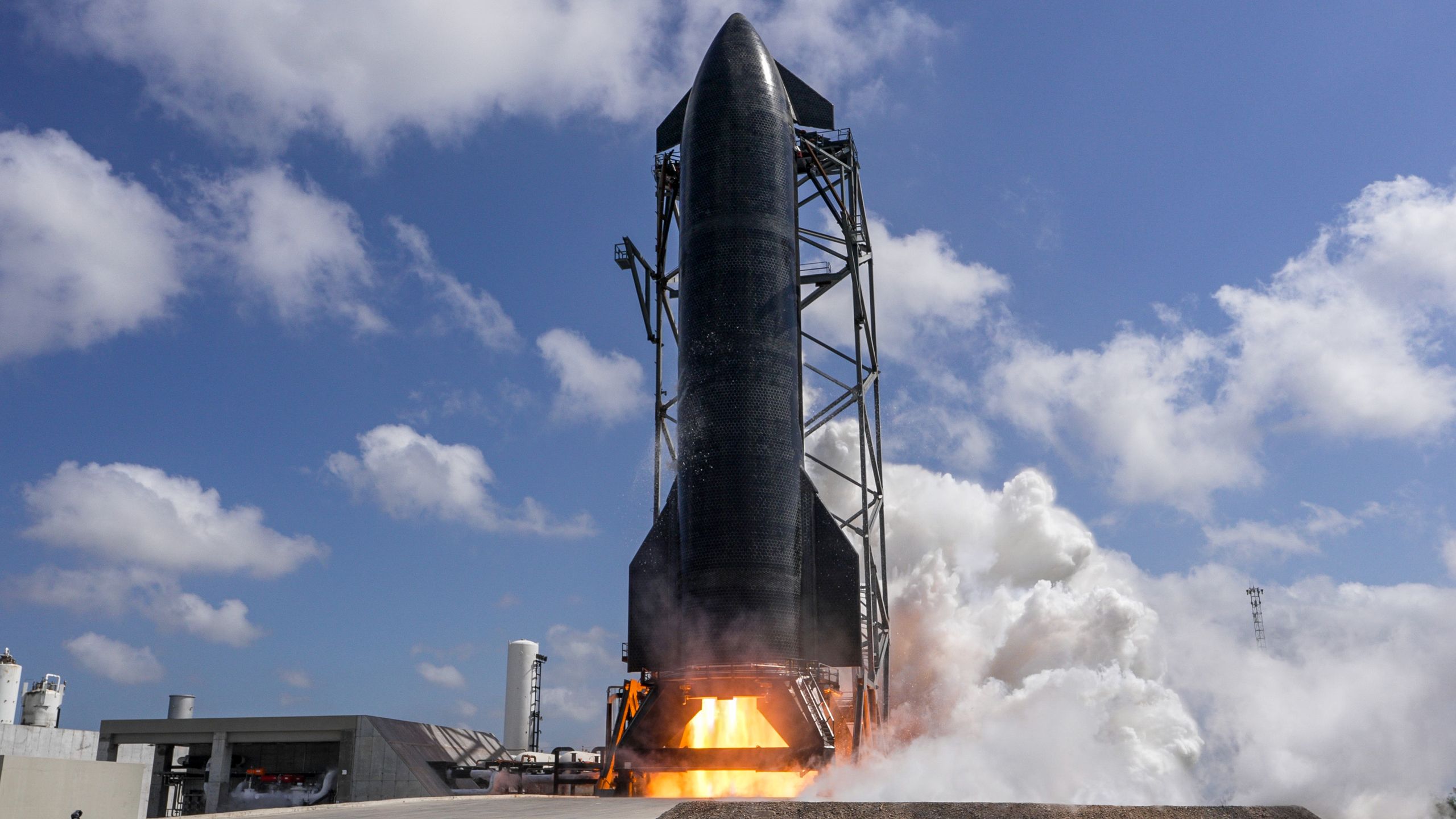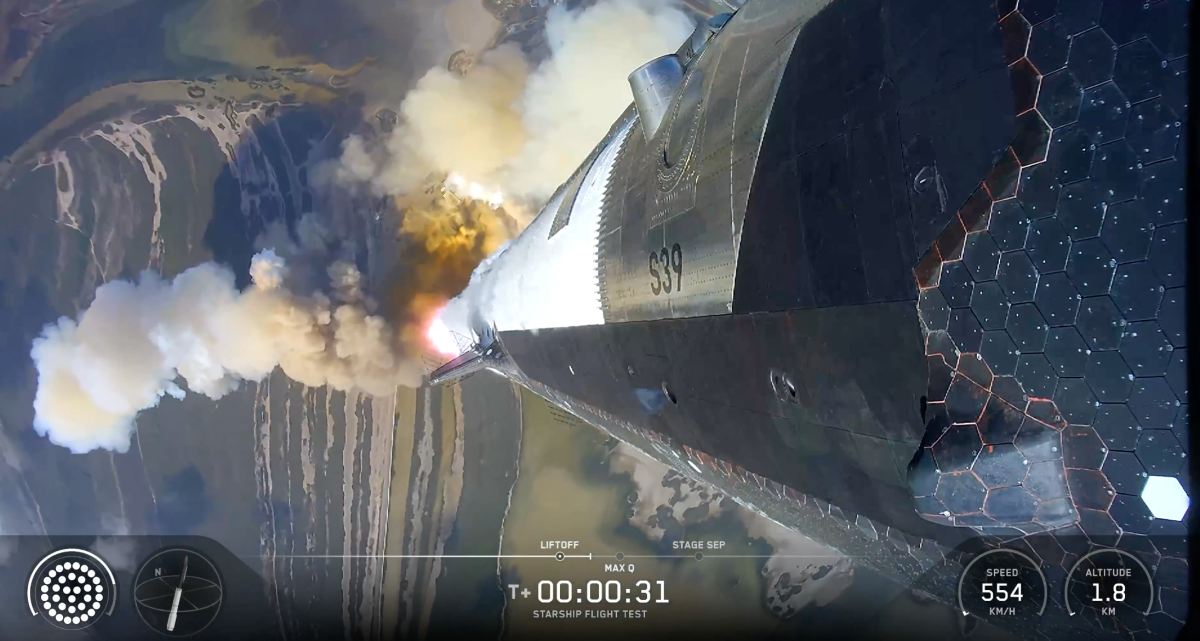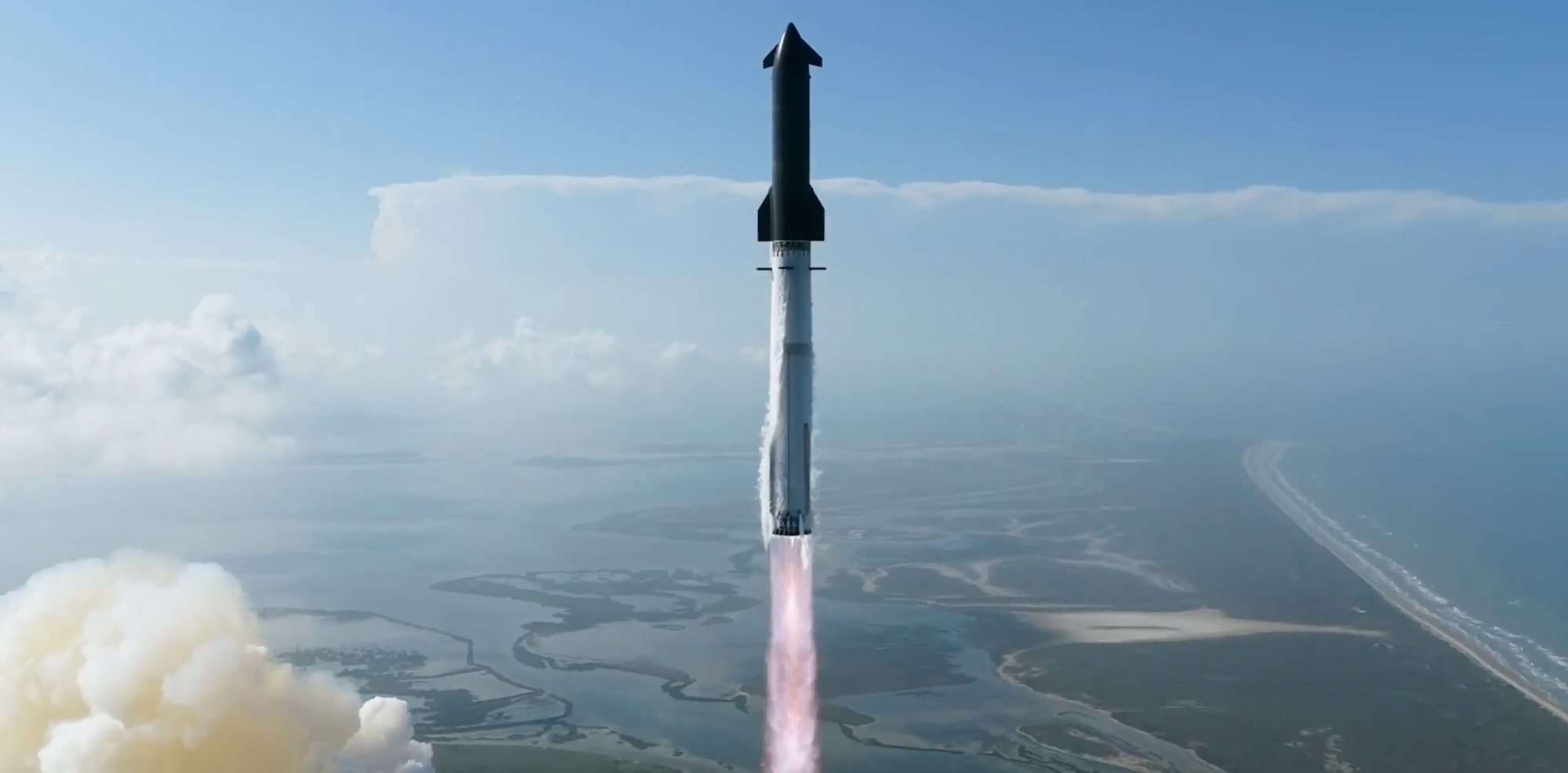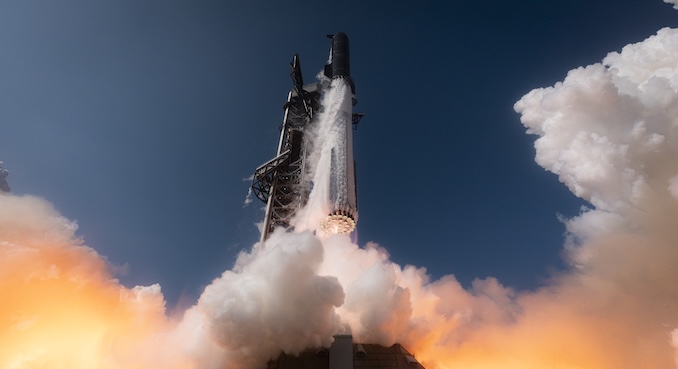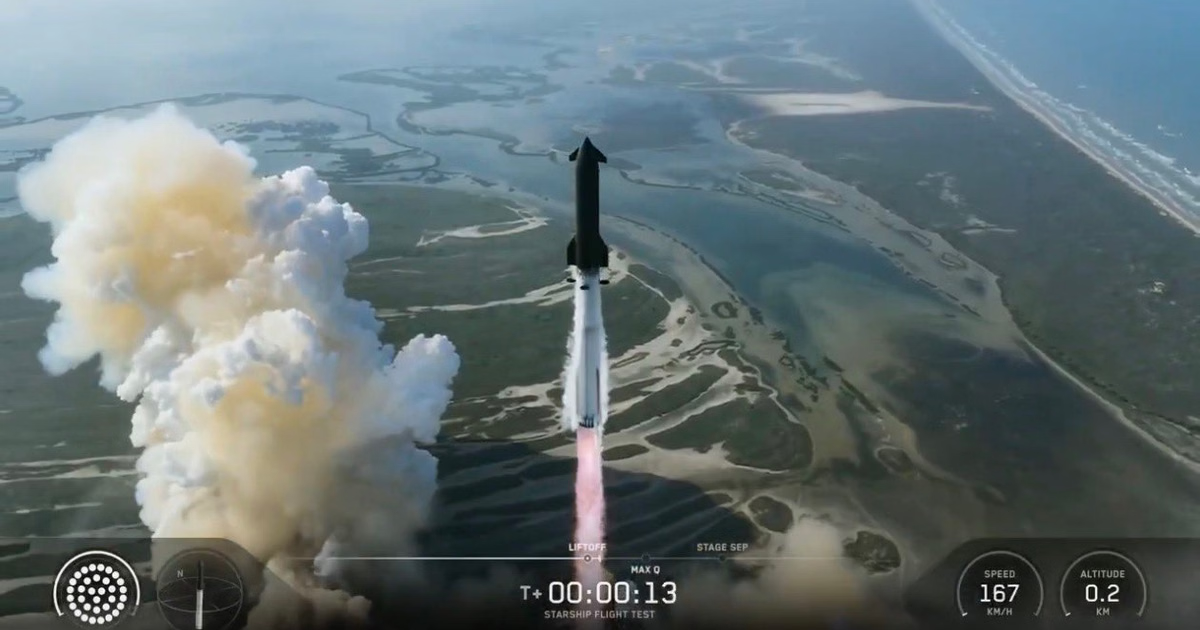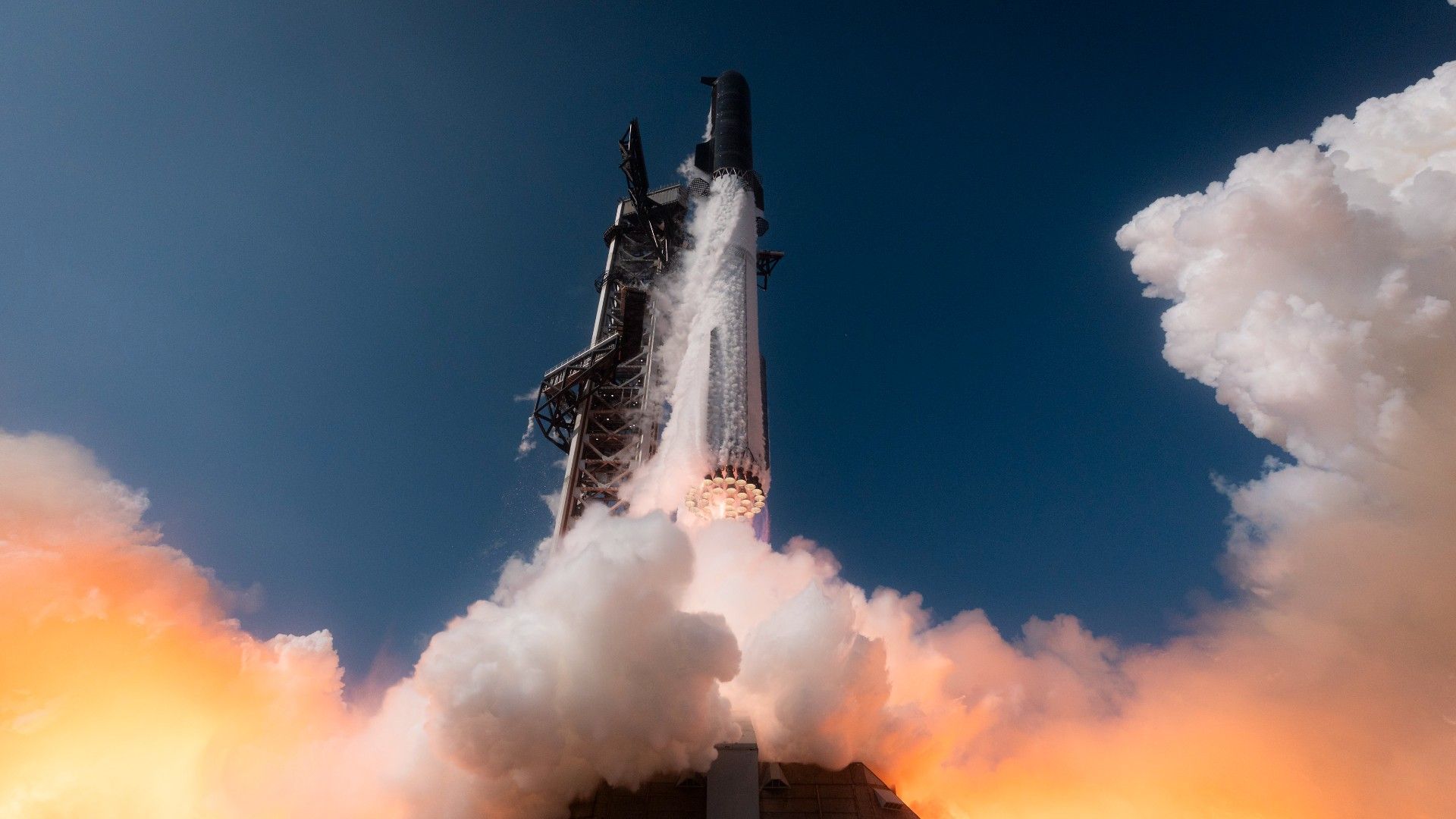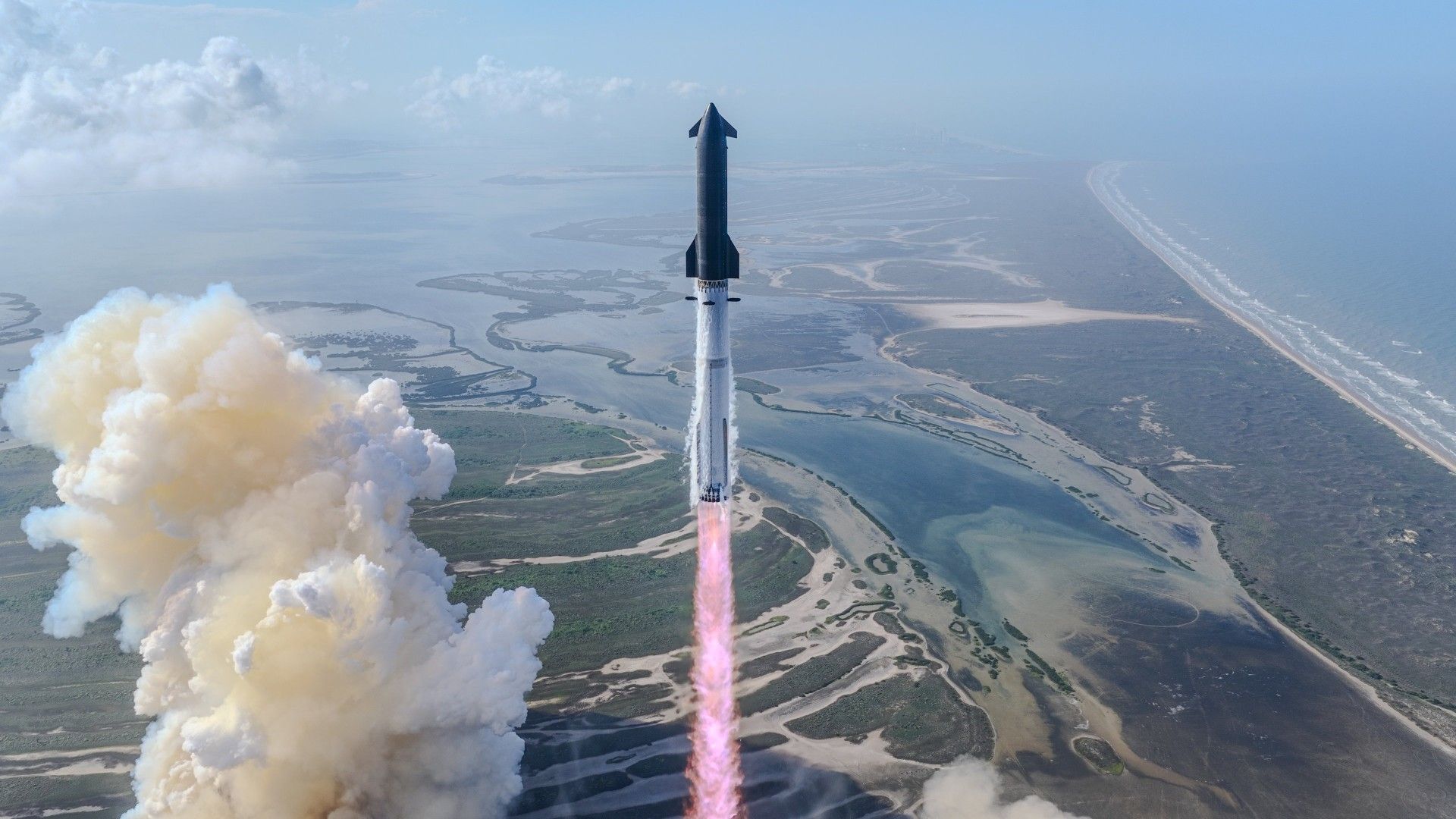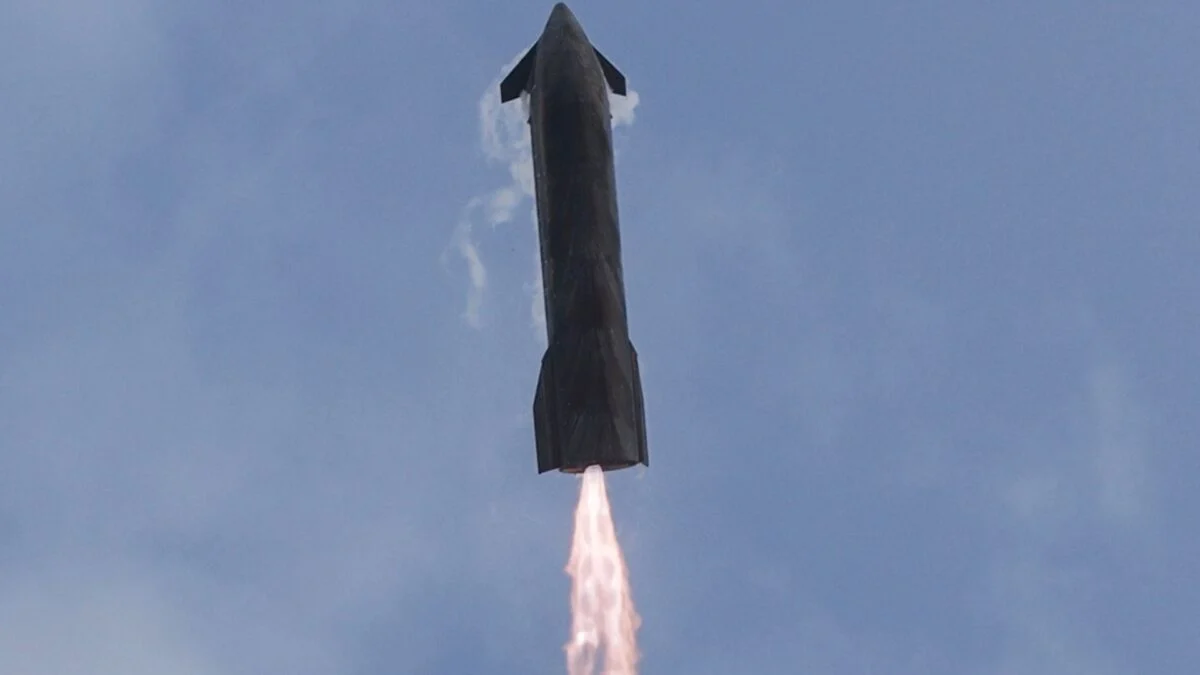
The biggest and most powerful rocket ever built launched from Starbase, Texas, on Friday. After back-to-back delays and a last-minute scrub on Thursday, it was exhilarating to see Starship V3 finally embark on its maiden voyage. But for this spaceflight reporter, the highlight of Flight 12 was seeing the state of the heat shield as Starship returned to Earth. According to Chris Hadfield, a retired Canadian Air Force colonel, test pilot, and astronaut, Starship V3’s upper stage endured temperatures reaching 2,600 degrees Fahrenheit (1,450 degrees Celsius) during atmospheric reentry. Video and images taken as Ship performed the flip maneuver and landing burn revealed minimal damage to the heat shield—a stark difference from previous flights of Starship V2. We need heat shields to protect us, since we use the air to slow us down as we return to Earth. From orbital speed, it gets to 1650°C / 3000°F. From the Moon: 2750°C / 5000°F. For yesterday's Starship suborbital test flight, peak was 1450°C / 2600°F. Great to see the @SpaceX… pic.twitter.com/kEakB9HOCJ — Chris Hadfield (@Cmdr_Hadfield) May 23, 2026 What SpaceX did differently this time As Starship V3 reentered Earth’s atmosphere, SpaceX gathered critical data on its heat shield performance. Because Ship was intentionally destroyed upon splashdown in the Indian Ocean, the company will rely on this data to evaluate the heat shield’s performance over the coming weeks. But based on the vehicle’s appearance during its reentry and landing burn, it did pretty darn well.
Starship V3’s Heat Shield Was the Real Star of Flight 12
Despite some hiccups, the first flight of Starship V3 was an overall success, and the rocket's heat shield certainly exceeded expectations.
542 words~2 min read