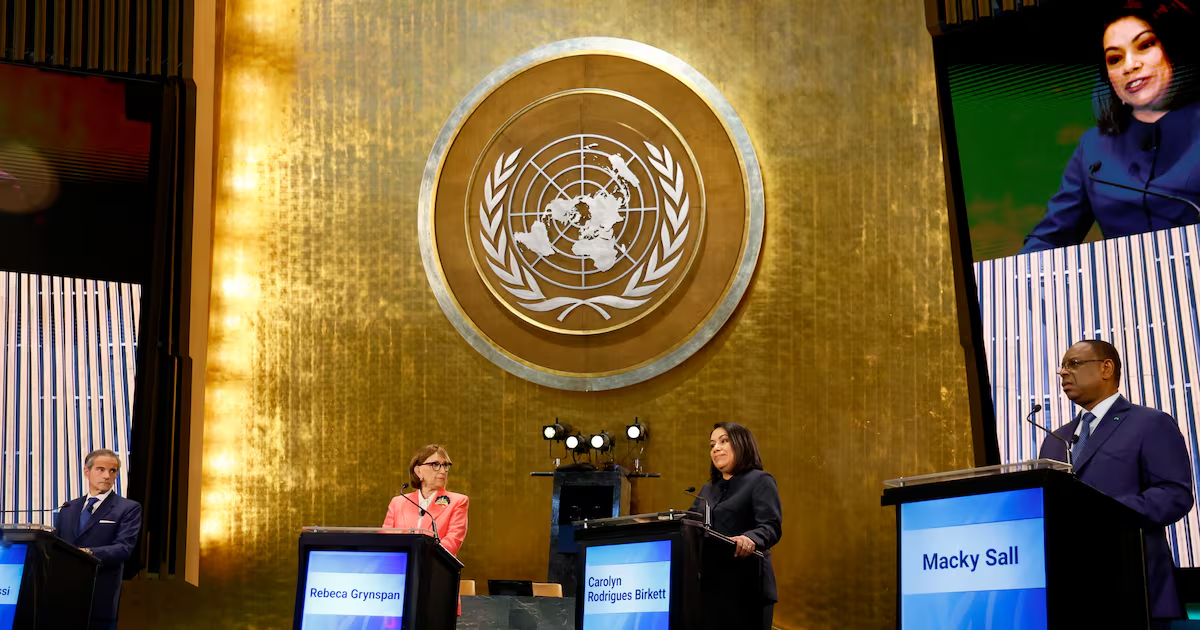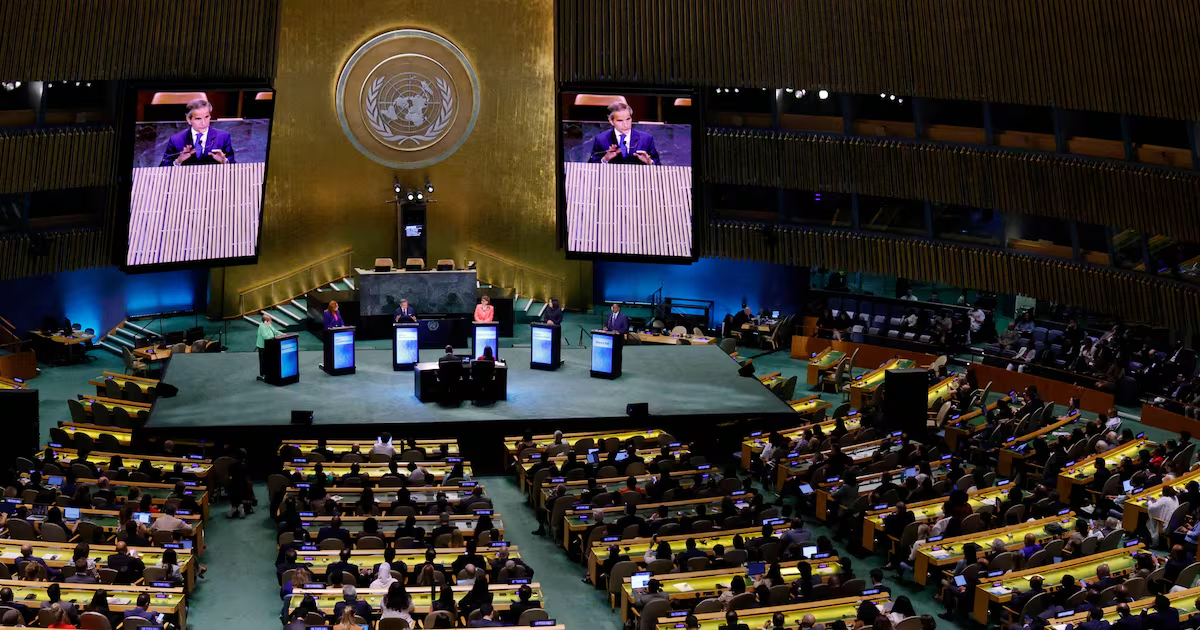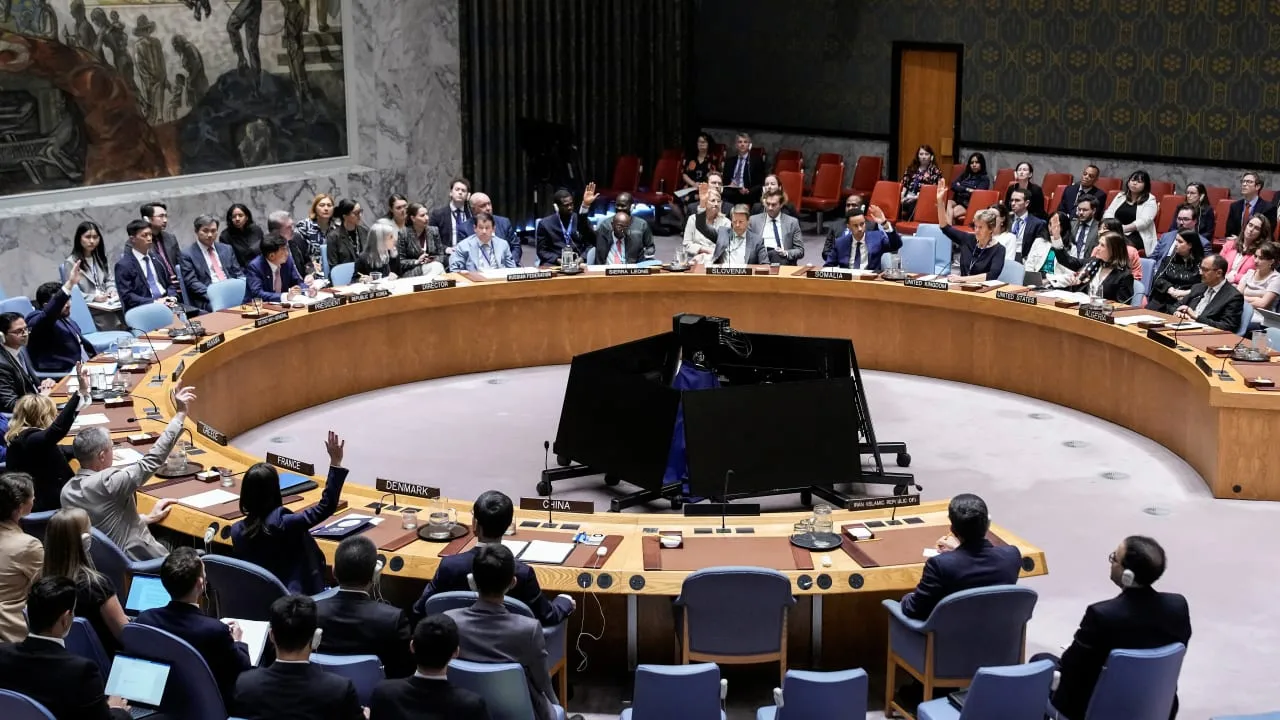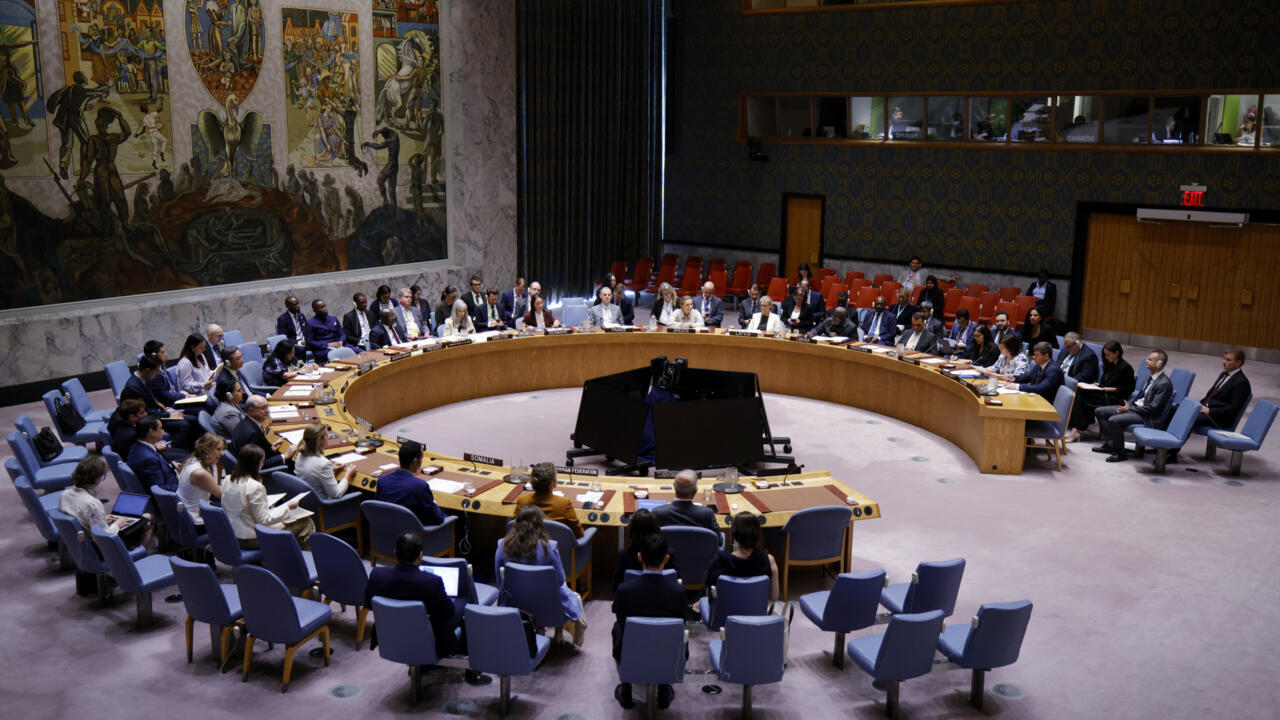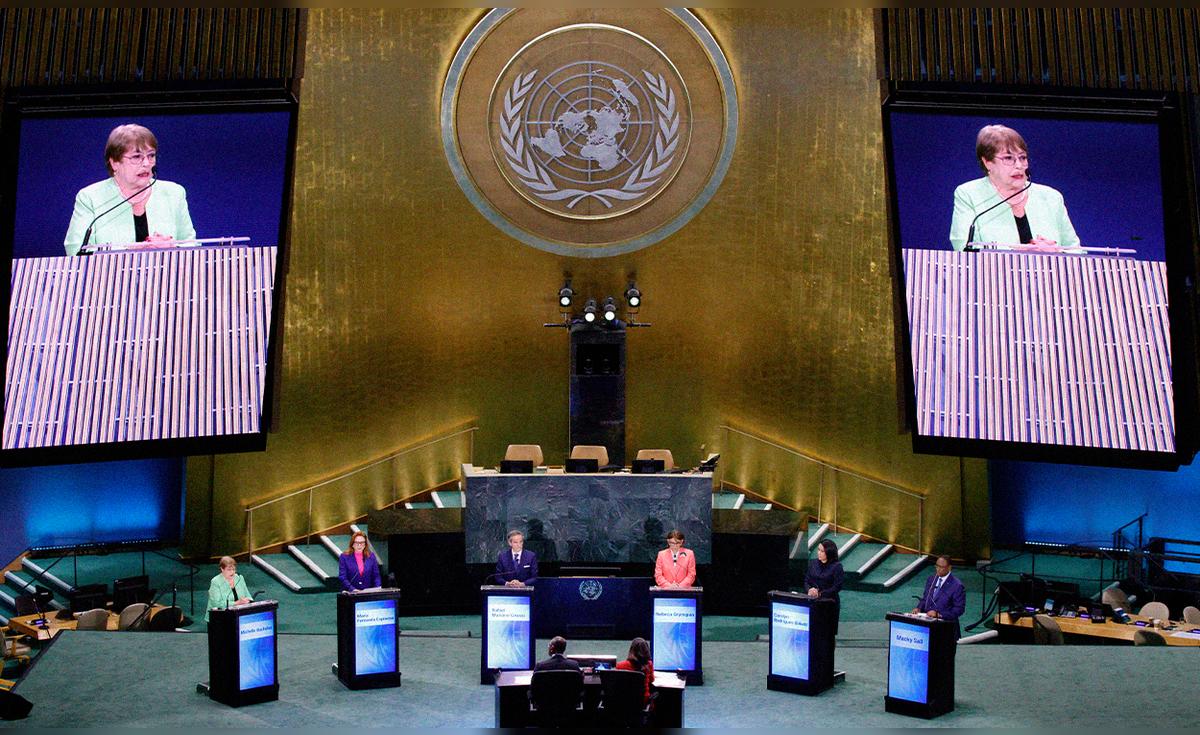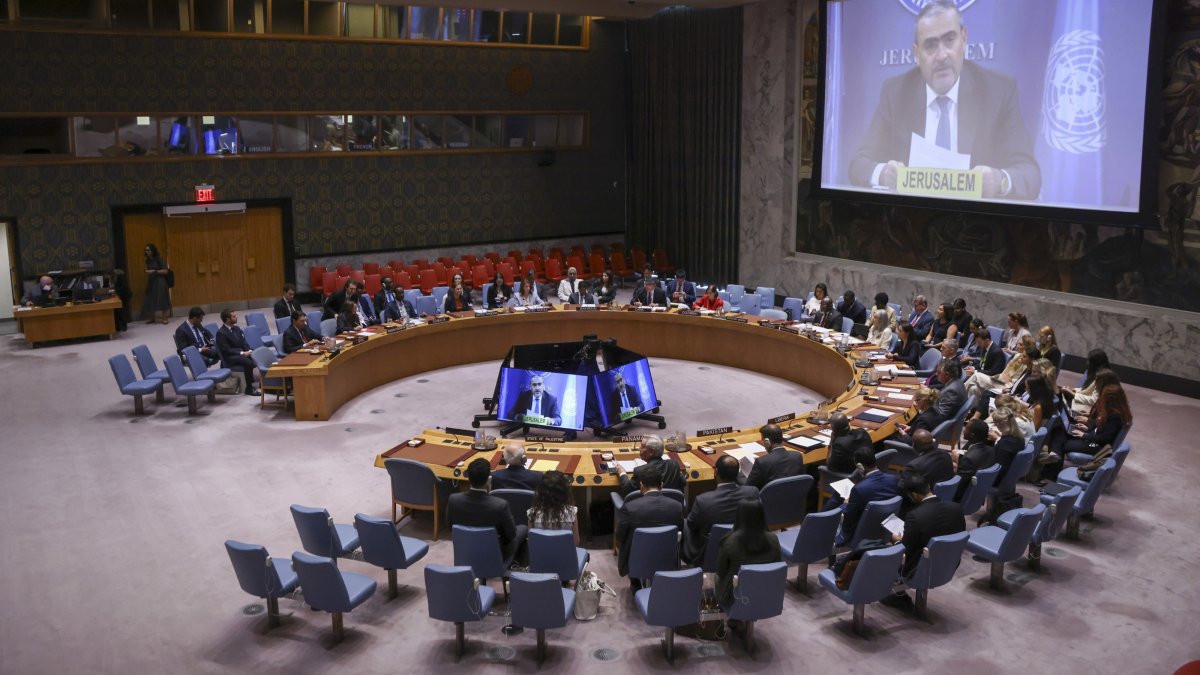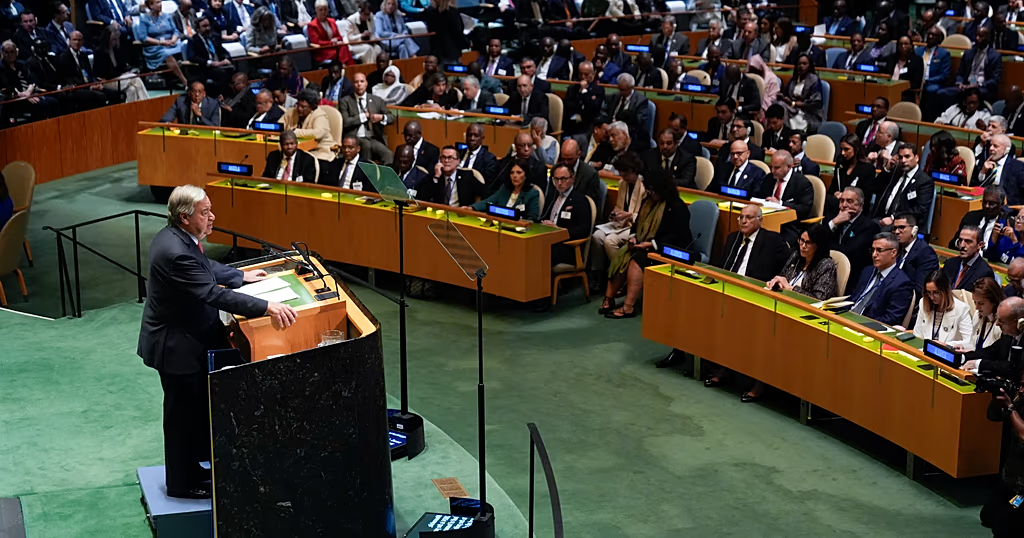
Becoming the secretary-general of the United Nations is notoriously difficult. To be appointed, a candidate must receive at least nine votes from the 15-member U.N. Security Council while also avoiding a veto from any of its five permanent members. It has long been suspected that candidates strike murky deals with the veto-wielding members to get their candidacy over the line, but almost nothing has been made public about how these backroom deals work.
To shed some light on this opaque process, the 1 for 8 Billion campaign, a civil society coalition pushing for greater transparency in selecting the next secretary-general, interviewed more than 40 former diplomats, candidates from previous races, and former senior officials. The resulting report found that all five permanent members—the United States, United Kingdom, China, France, and Russia—have attempted to compromise the independence of candidates in past selection processes, including the current secretary-general, António Guterres.
Becoming the secretary-general of the United Nations is notoriously difficult. To be appointed, a candidate must receive at least nine votes from the 15-member U.N. Security Council while also avoiding a veto from any of its five permanent members. It has long been suspected that candidates strike murky deals with the veto-wielding members to get their candidacy over the line, but almost nothing has been made public about how these backroom deals work.