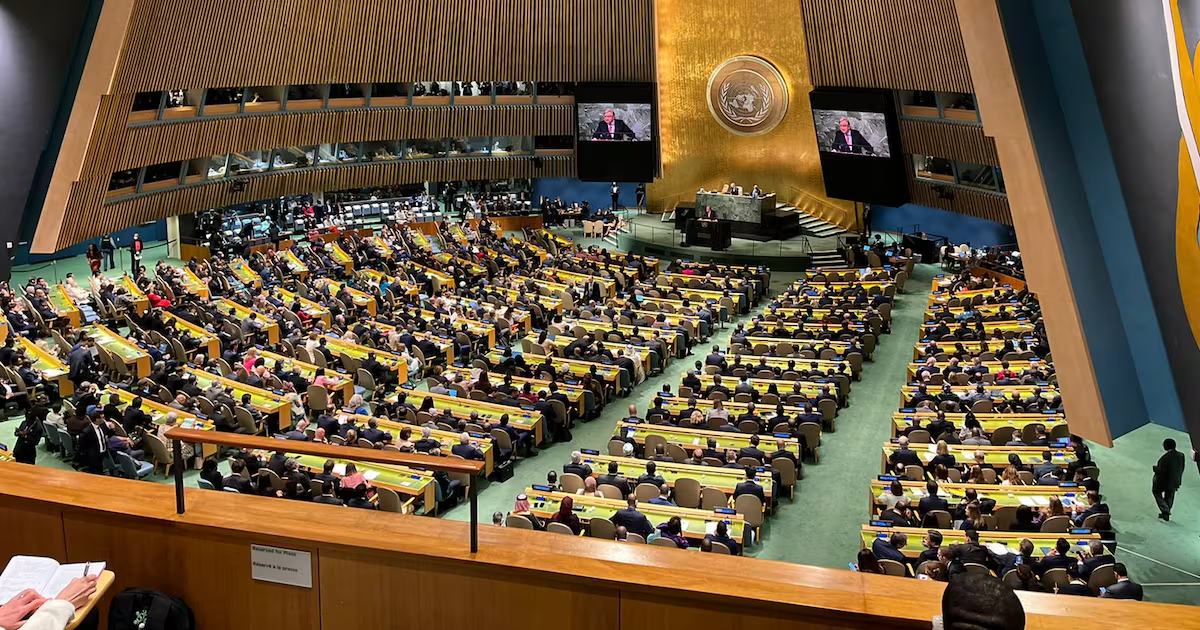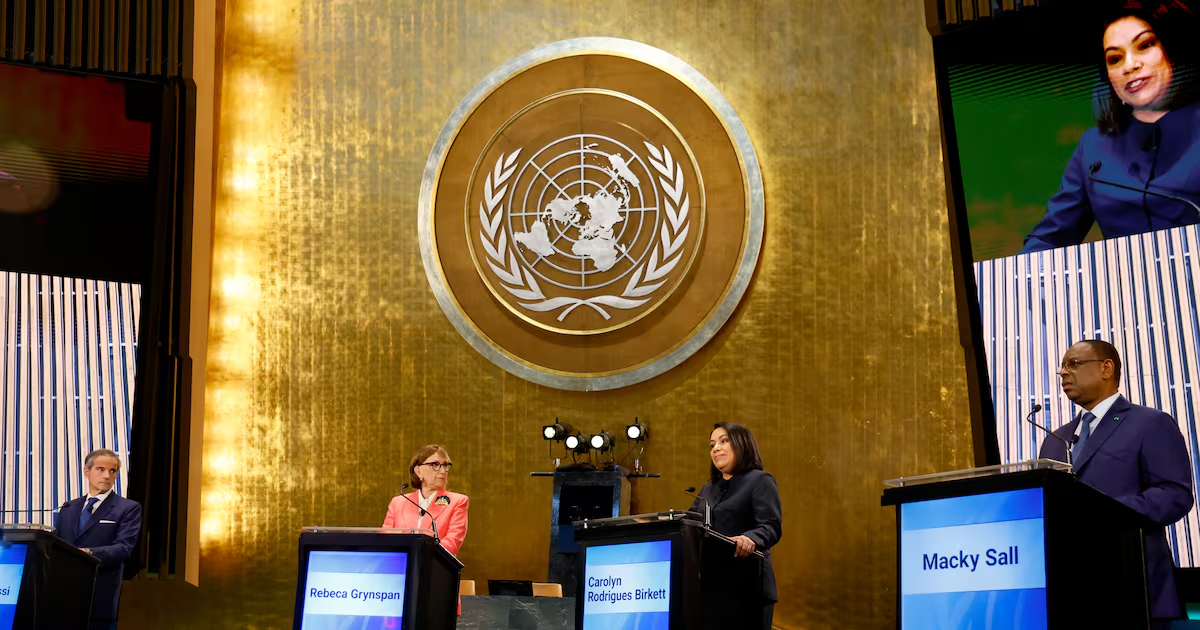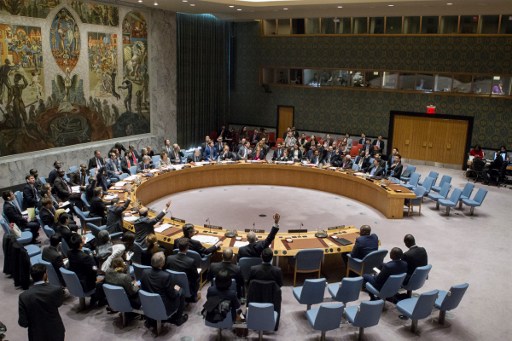
The selection of the United Nations Secretary-General is often popularly described as a “leadership transition.” At the United Nations, the selection process is referred to officially as a “nomination.” These terms camouflage a deeper reality: the enormous distance between procedural openness and genuine political access within the UN system. The UN Secretary-General is the top officer of the UN Secretariat, with the responsibility to oversee the United Nations and to manage the $3.5 billion dollar budget for operations and programs. The selection of a UN Secretary-General is rigorous and competitive. This position is not simply attained, this position is won. This distinction in process matters. The highest positions in such international institutions are not assumed through merit or seniority but involve factors that include public visibility, political recognition, state endorsements, negotiation, and the skill to navigate formal and informal filters of power.JOIN US ON TELEGRAMFollow our coverage of the war on the @Kyivpost_official. For Ukraine, such international institutions are important. While large nations such as the United States and China may not miss the United Nations were it to disappear, for the more than 190 smaller nations, the infrastructure of the UN provides expertise, capacity and a venue for networking among diplomats otherwise not available. Therefore, the 2026 selection of the next UN Secretary-General deserves closer attention.
Selection of the UN Secretary-General
The UN’s increasingly transparent Secretary-General selection process still leaves decisive power in the hands of the Security Council’s permanent members.
1,431 words~7 min read