https://arab.news/rzajr
This year will be marked by the election of new secretaries-general at several multilateral organizations at a time when these institutions are facing political, financial and operational challenges that threaten their very existence.
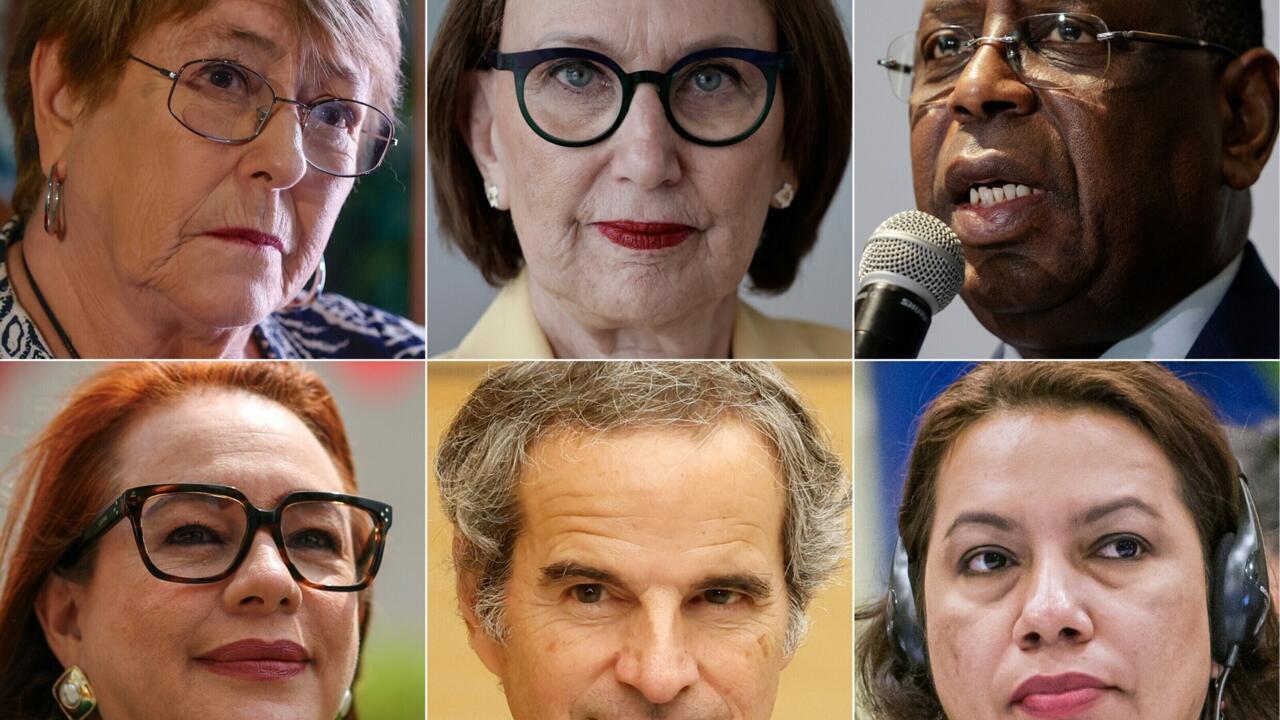
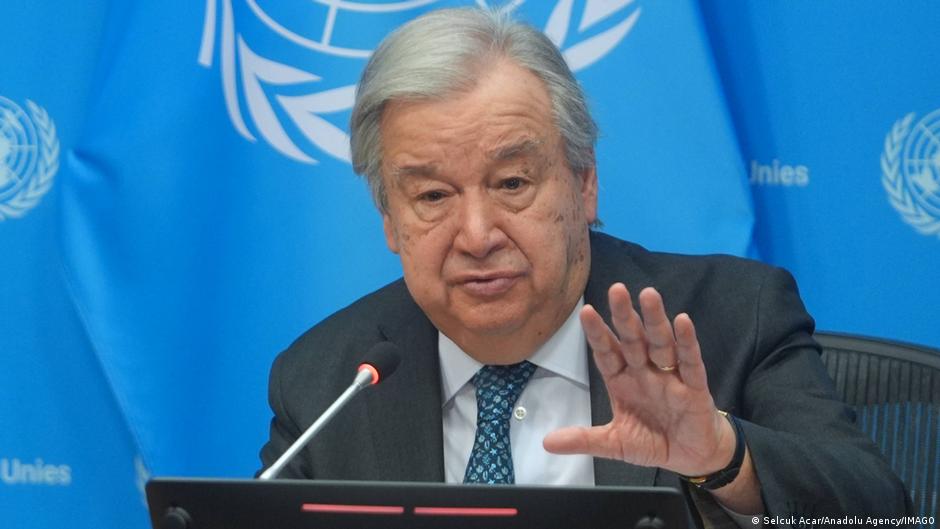
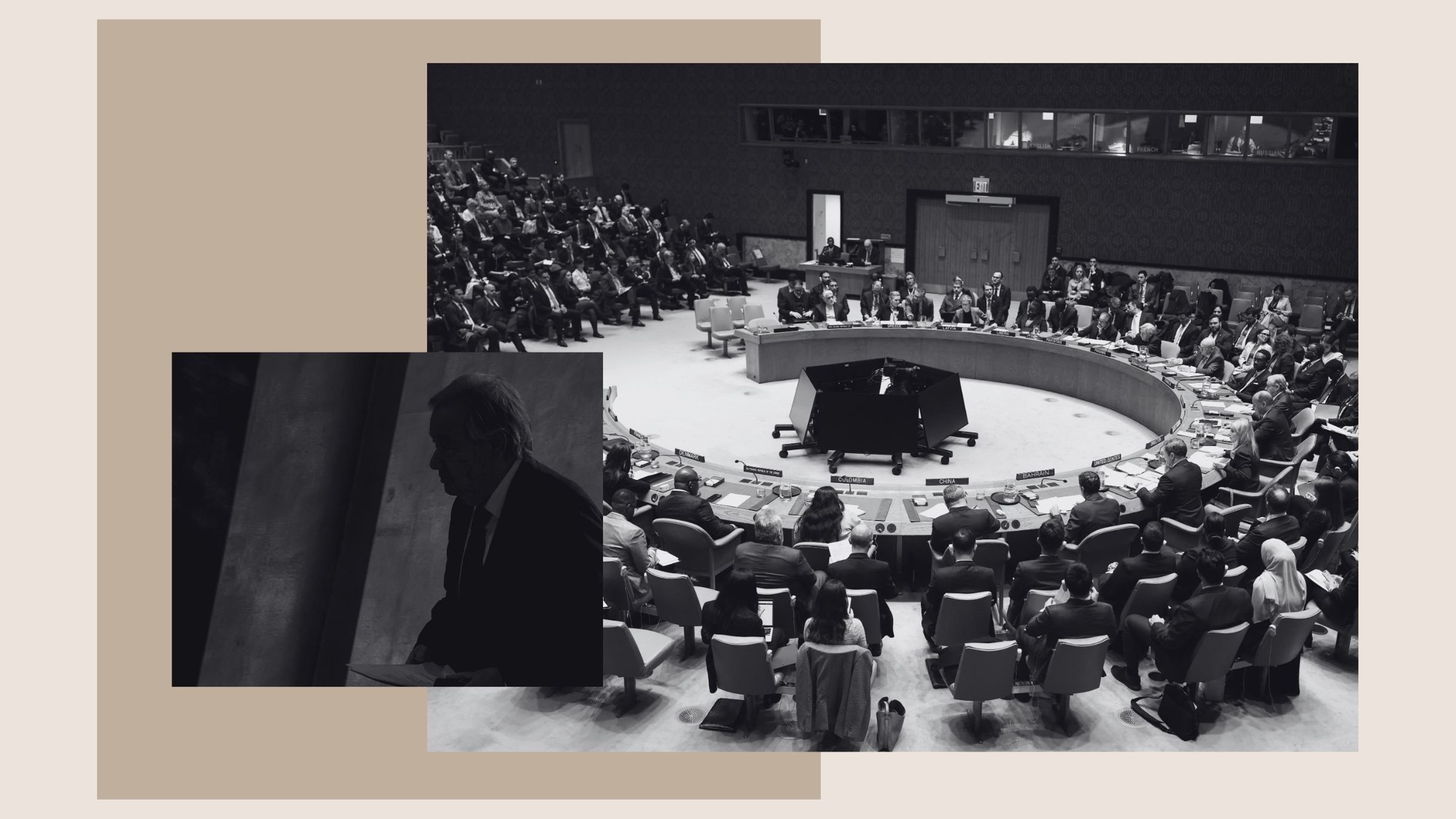
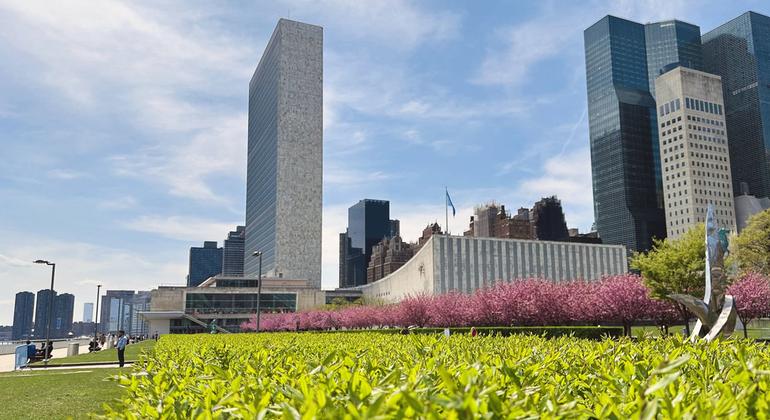
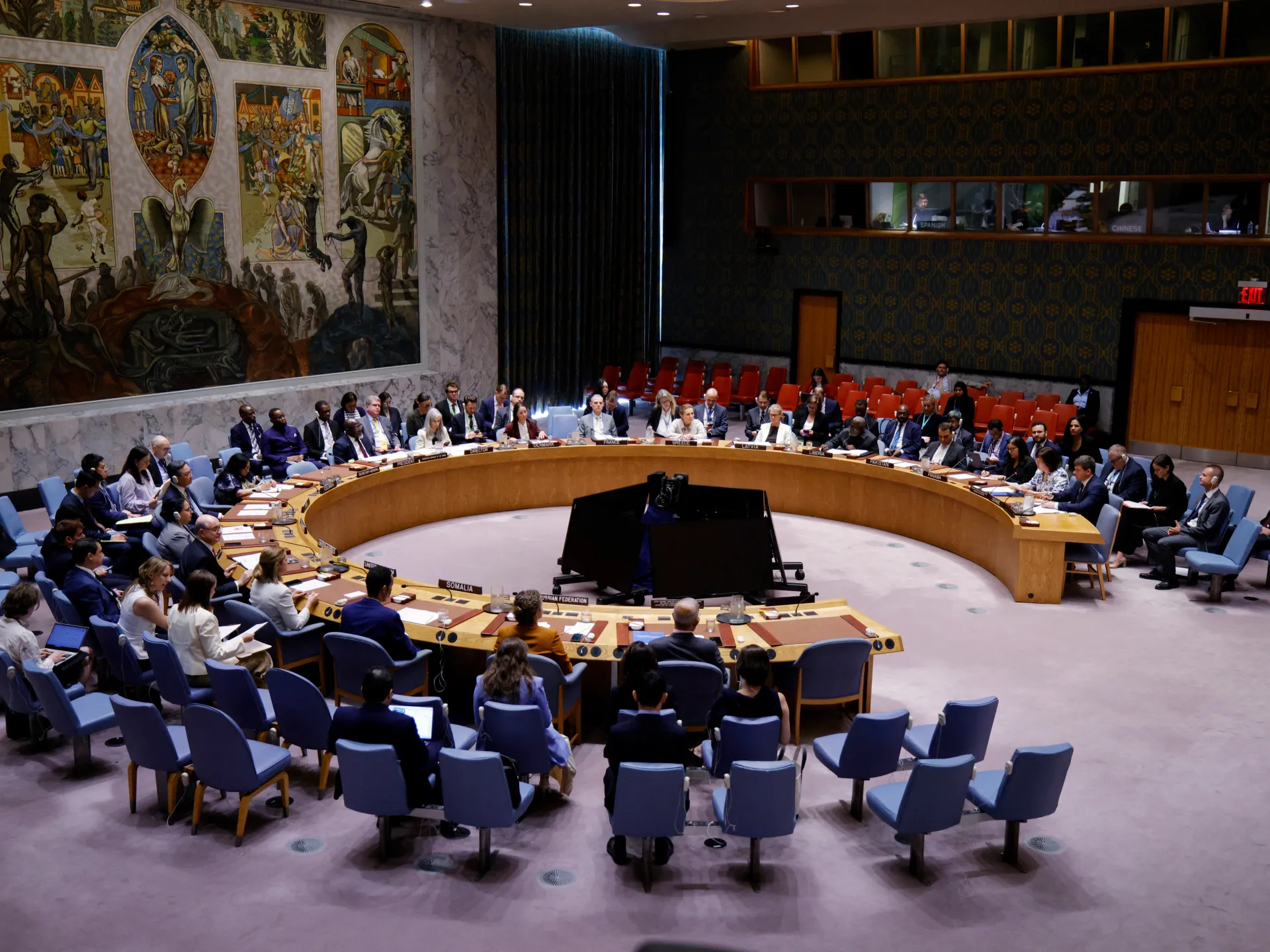
The most prominent, of course, is the UN, where the process to elect the next secretary-general was formally kicked off on Nov. 25, as member states were asked to nominate candidates to take over the role from Jan. 1, 2027. Meanwhile, in the next few months, both the League of Arab States and the Organization of Islamic Cooperation will have new secretaries-general, as the process for nominations is already underway. The African Union had a new chairperson in 2025, while the EU reelected or appointed key leaders in 2024.
In a fragmented international system marked by unilateralism, heightened rivalry among major powers and an increasing number of conflicts and humanitarian disasters, the new secretaries-general will be tested regarding the credibility and relevance of their organizations. Under financial constraints and complex mandates, as well as urgent demands for reform and reconstruction, the incoming leaders will face a humongous challenge to make their organizations function efficiently and meet expectations.