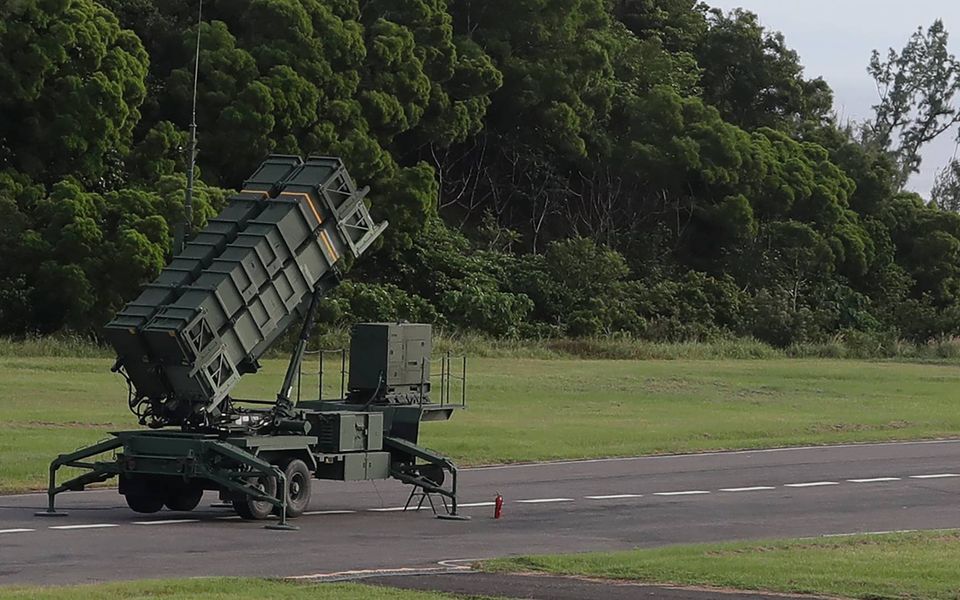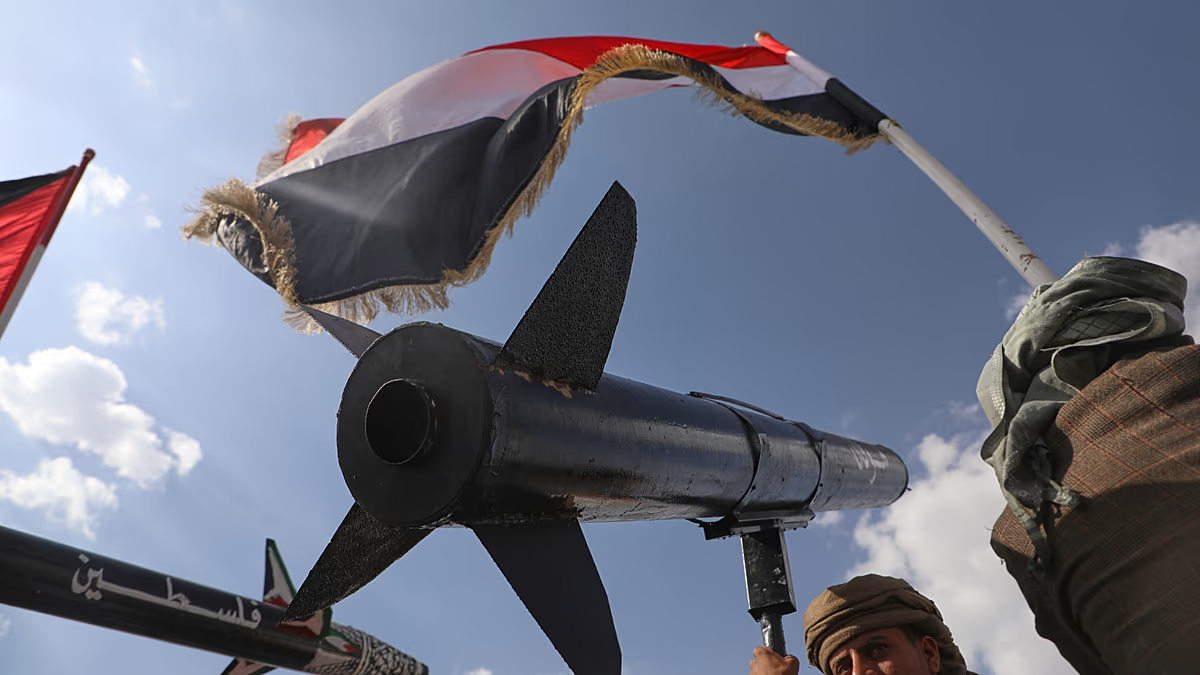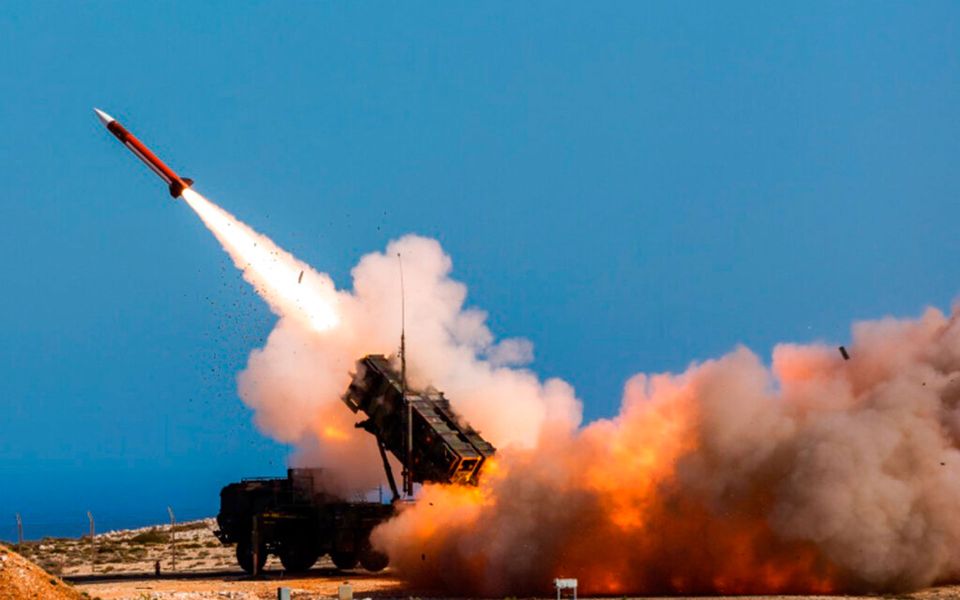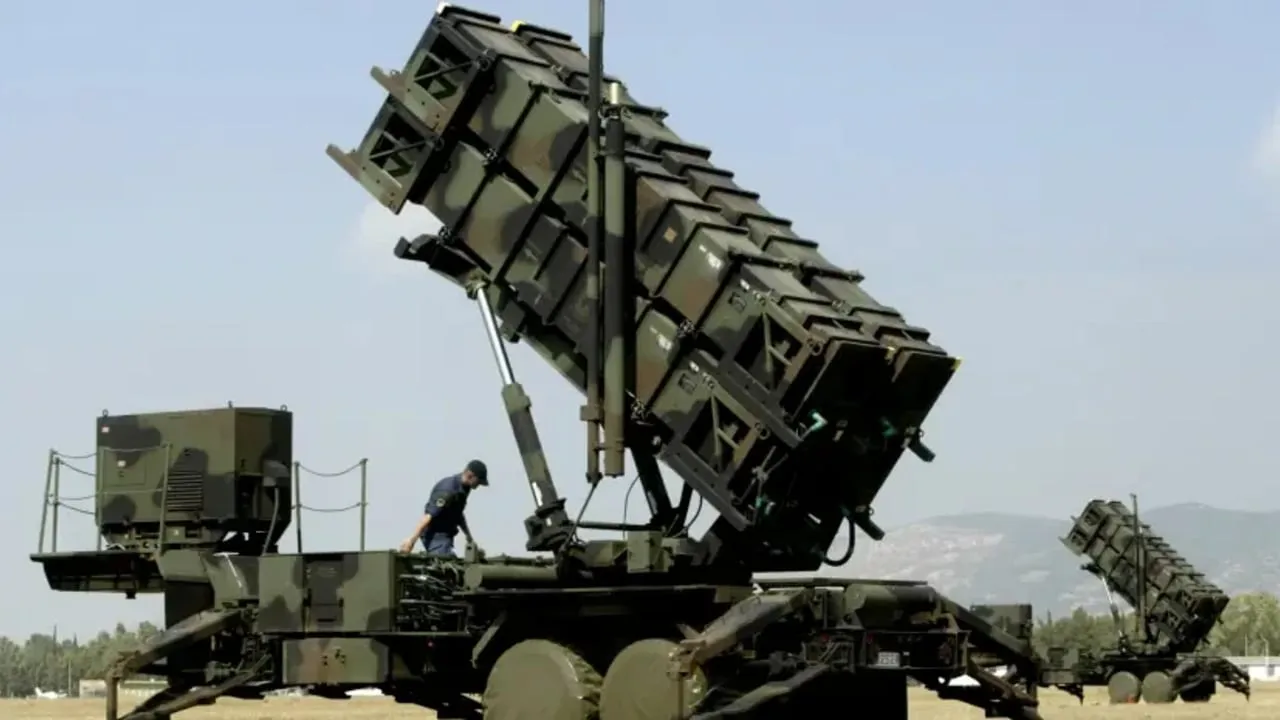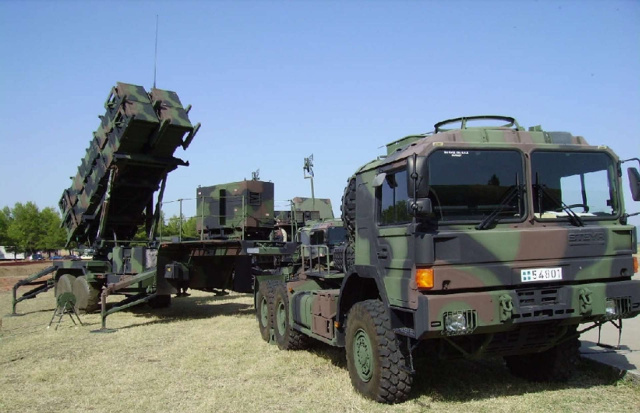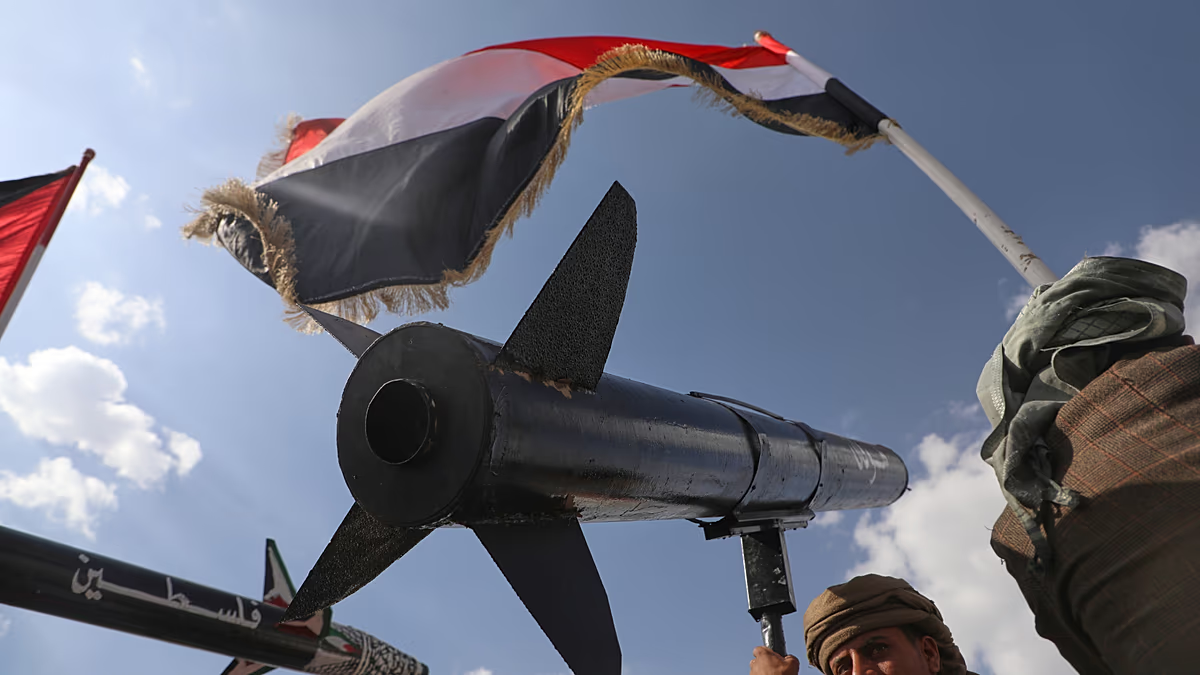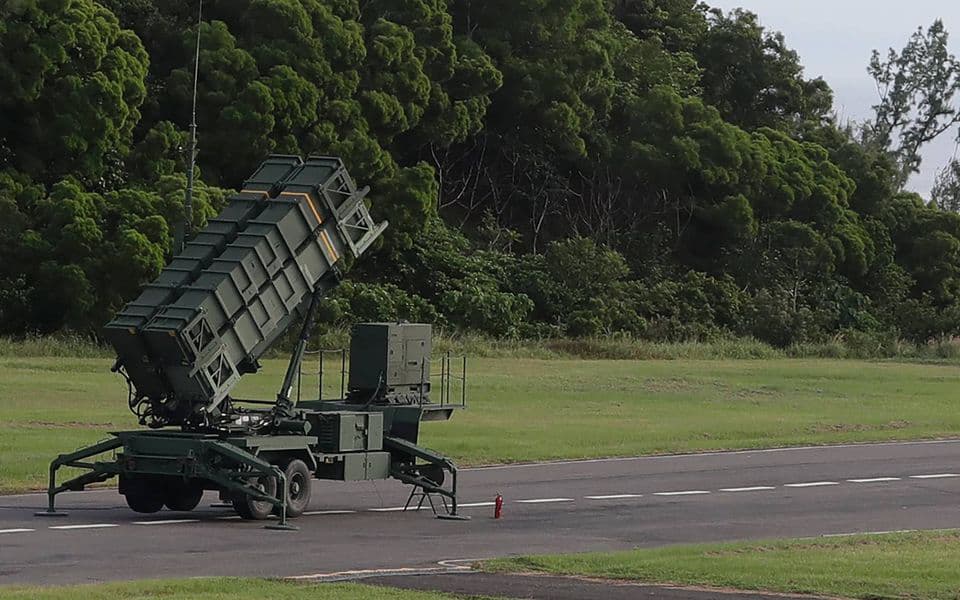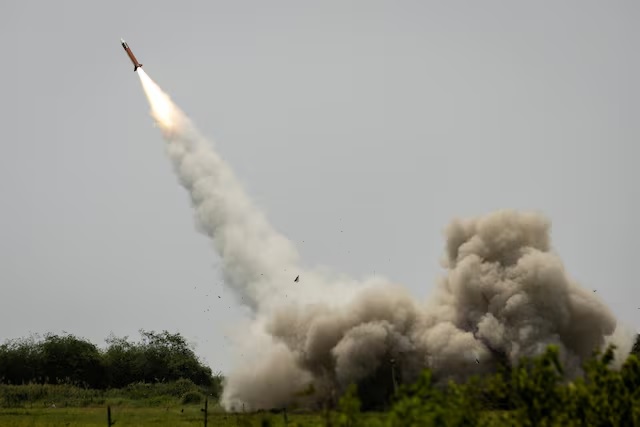
Last weekend’s involvement of Greece’s anti-missile battery in downing two ballistic missiles and two drones launched from Yemen by Houthis against Saudi oil installations in the Red Sea demonstrated once again the capability of the Patriot interceptor system, but also the need to upgrade it with the latest missiles.
Officers of the Hellenic Force in Saudi Arabia possessed information that the Houthi rebels had received more weapons directly from Iran. The Houthis themselves had announced they were going to attack oil company Aramco’s refineries near the city of Yanbu. Thus, the Greek force was ready, proving its importance in defending crucial energy supplies. The Saudis are already aware of this; perhaps the European Union will also notice.
Despite the fact that the PAC-2 missiles used by the Greek battery are getting long in the tooth – the missile was first used operationally in the 1990-91 Gulf War and the specific variant has been used by the Greek Air Force for 23 years – they proved 100% reliable once again. The Greek battery first intercepted oncoming drones last spring and the PAC-2 record is spotless.
Still, Greece’s military leadership is convinced that an upgrade, to the new PAC-3 ACE missiles, is in order, as they consider the PAC-2 to be at the limit of their operational life. But, with demand for the new missiles at a premium, delays in delivery are a problem. For this reason, Greece is considering missile co-production to shorten delivery times.