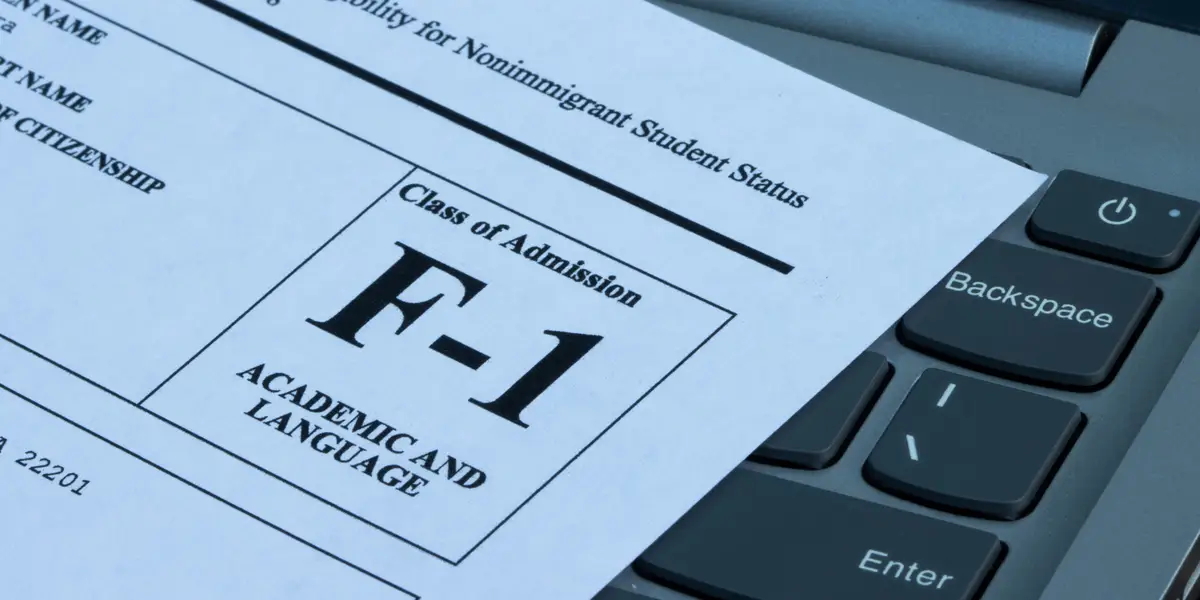
For nearly half a century, the federal government encouraged international students and scholars to study in the U.S. by allowing them to stay for the duration of their training — regardless of how many years it took. The Trump administration now plans to tear up that long-standing policy, fueling concerns in the research community that the U.S. could lose out on talented foreign scientists.
In mid-July, the Department of Homeland Security announced that future international students and postdoctoral researchers will be allowed to stay in the U.S. for no more than four years on nonimmigrant visas unless they apply for and receive an extension from DHS. Those already in the U.S. won’t need an extension if their training is set to end before September 2030, even if they’ve already been in the country for more than four years.
The department has said the change, which takes effect Sept. 15, is necessary to prevent “forever students,” who they allege manipulate the current system by enrolling in courses to avoid leaving the U.S. But immigration experts, academics, and advocates for students and postdocs warn the stricter policy will harm the nation’s scientific standing by deterring internationals, who made up nearly a quarter of life science Ph.D. graduates and 59% of postdocs in 2023, from coming to the U.S. for training.