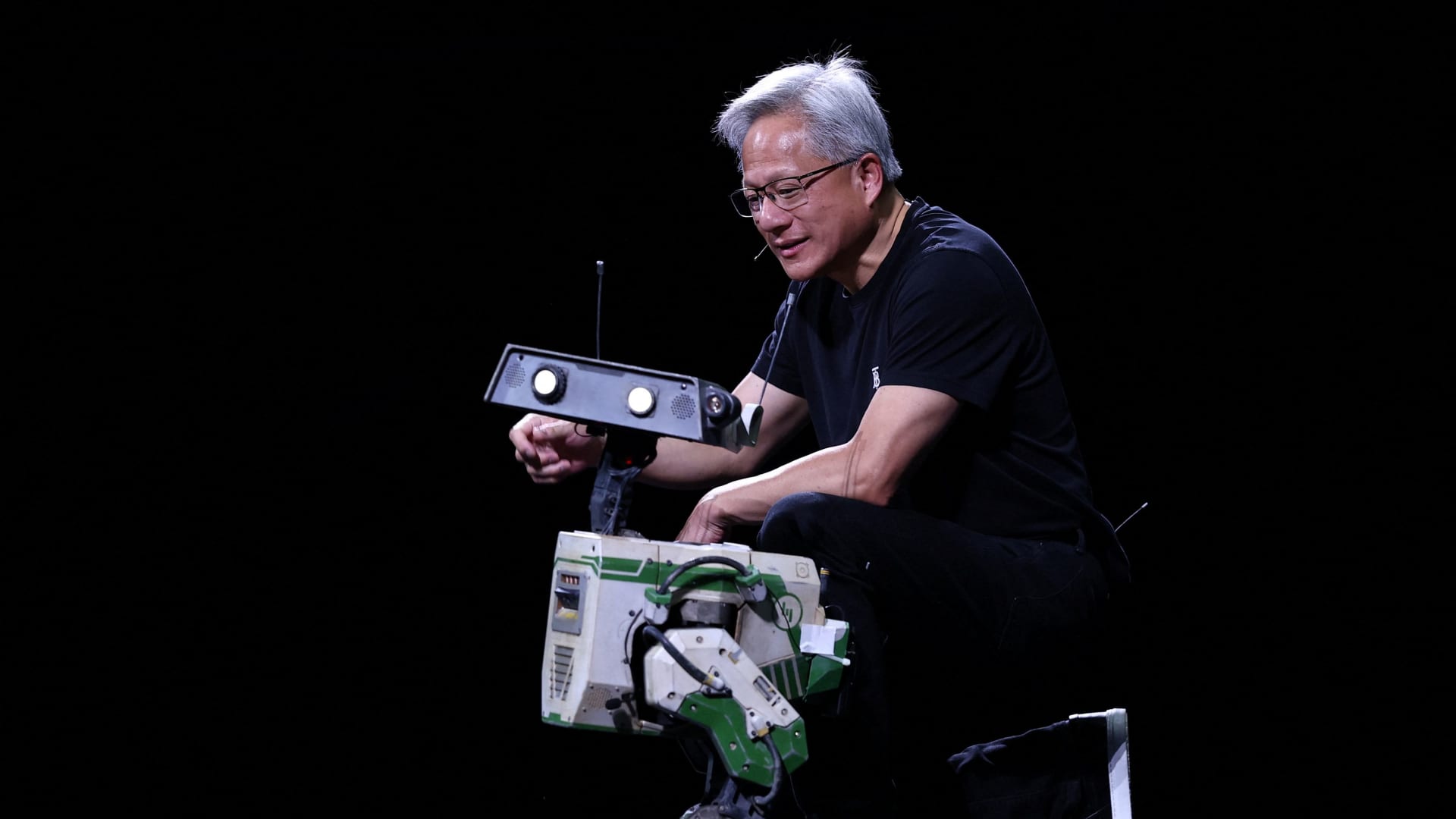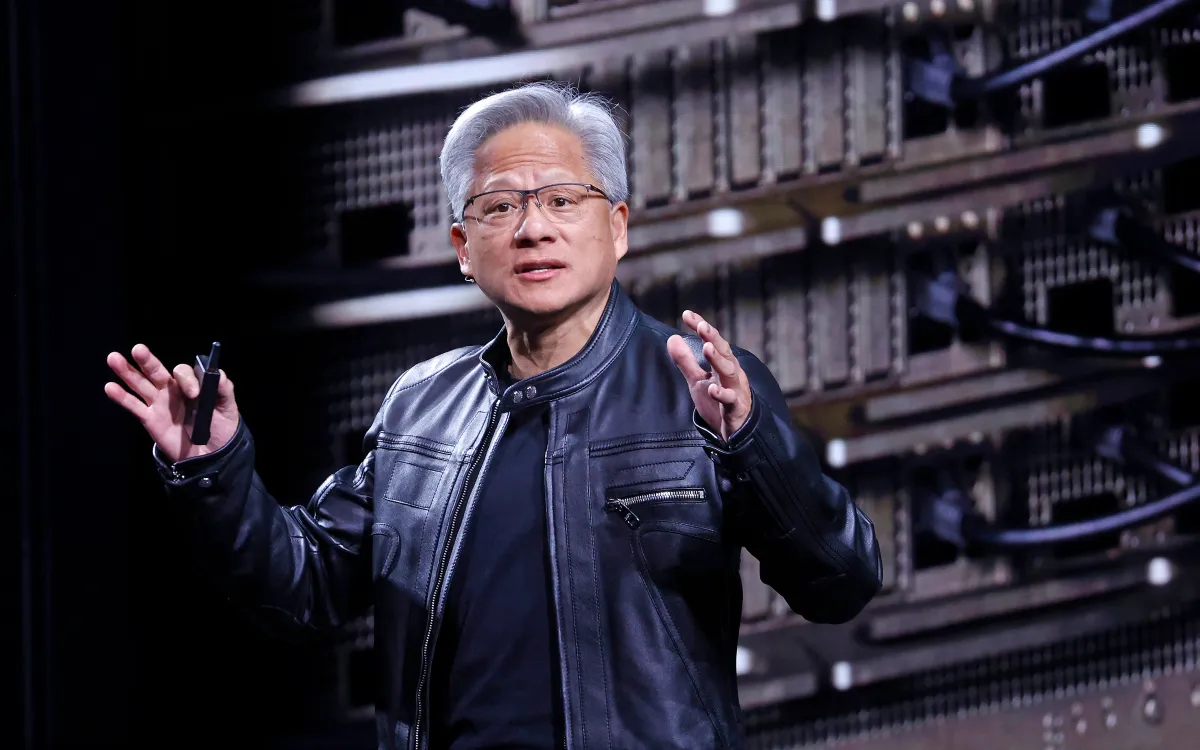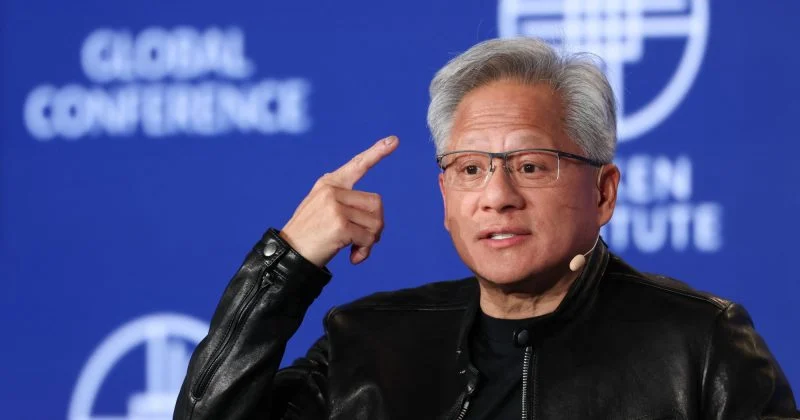
Jensen Huang has never been one to undersell a moment. At VivaTech on June 11, 2025, the Nvidia CEO declared that the “ChatGPT moment” for physical AI has officially arrived, framing it as the starting gun for what could be a decade-long buildout of autonomous machines, robotics, and digital twins.
The estimated size of this opportunity, according to Nvidia: roughly $50 trillion across manufacturing, logistics, autonomous vehicles, and adjacent sectors. For context, that’s larger than the entire US GDP.
From chat windows to factory floors
Physical AI, as Nvidia defines it, is the embedding of artificial intelligence into systems that interact with the physical environment. Think robotic arms assembling cars, autonomous delivery vehicles navigating city streets, and digital twins that simulate entire supply chains before a single bolt is turned.
In January 2025, the company rolled out significant updates to its Omniverse platform and introduced new Cosmos models, both designed specifically to accelerate generative physical AI technologies. Omniverse is Nvidia’s simulation engine that lets companies build and test AI-driven robots in virtual environments before deploying them in the real world.