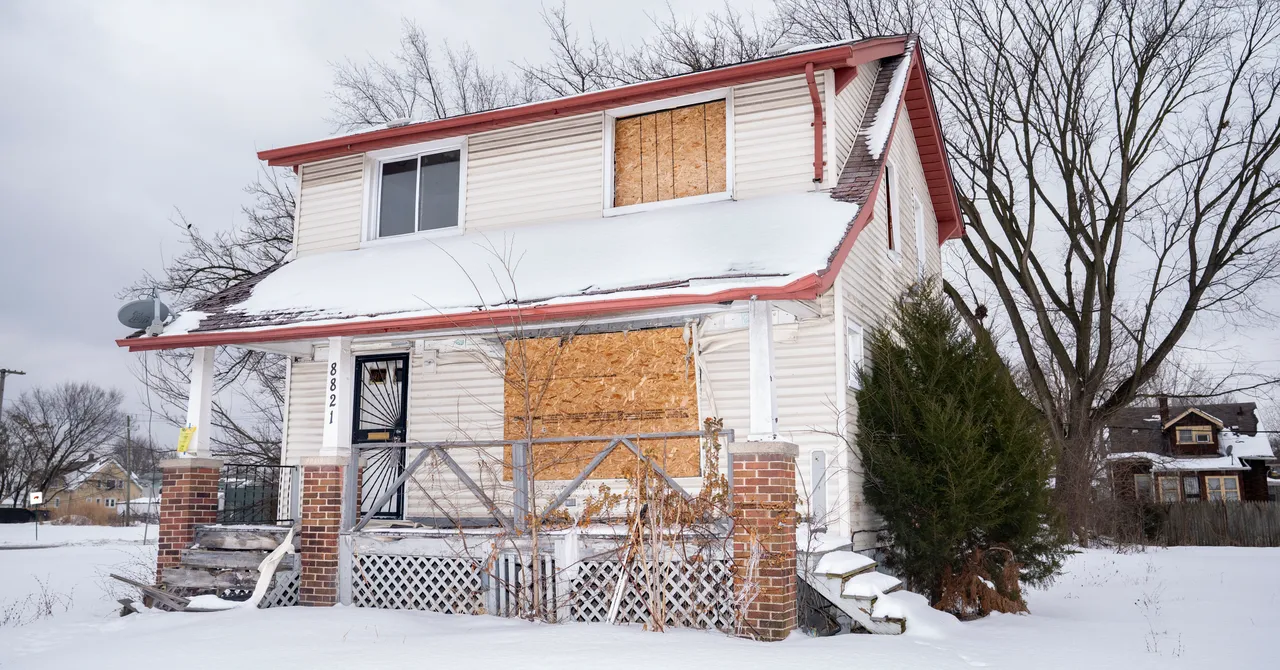
RealT, the tokenized real estate platform that raised roughly $140 million by selling fractional ownership of Detroit rental properties via blockchain tokens, has announced voluntary liquidation. The collapse marks the largest failure in the tokenized real estate sector to date and leaves thousands of investors worldwide holding digital assets backed by properties the City of Detroit says were neglected, tax-delinquent, and blighted.
Co-founder Jean-Marc Jacobson disclosed the liquidation decision on July 2, citing escalating insolvency pressures and conflicts with a court-appointed fiduciary. The escrow account established to manage the wind-down reportedly contains about $640,000, a sum that is insufficient when you owe money to somewhere between 14,000 and 22,000 investors.
From tokenized dreams to Detroit nightmares
RealT let investors, many of them overseas, buy blockchain-based tokens representing fractional shares of real rental properties. The platform amassed a portfolio of approximately 700 properties, concentrated heavily in Detroit. For international investors, particularly a sizable contingent from France, this looked like an easy on-ramp to US property income without dealing with the headaches of actually owning a house in Michigan.