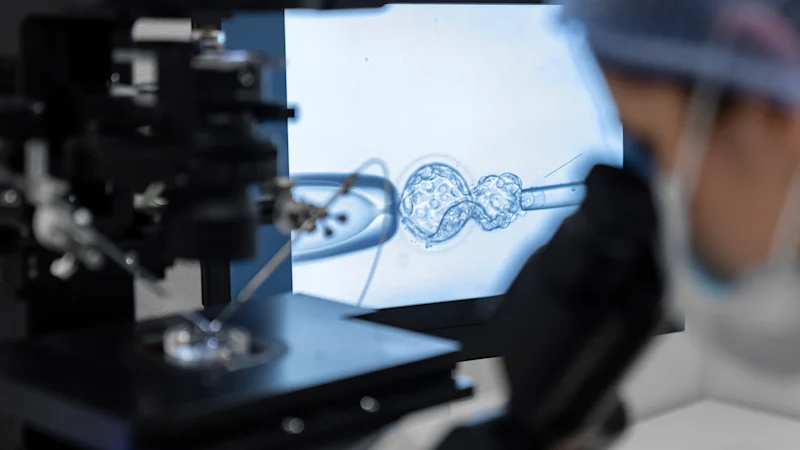
There are more than a million frozen embryos in the U.S. — and it seems just about as many ethical and legal questions behind their regulation.
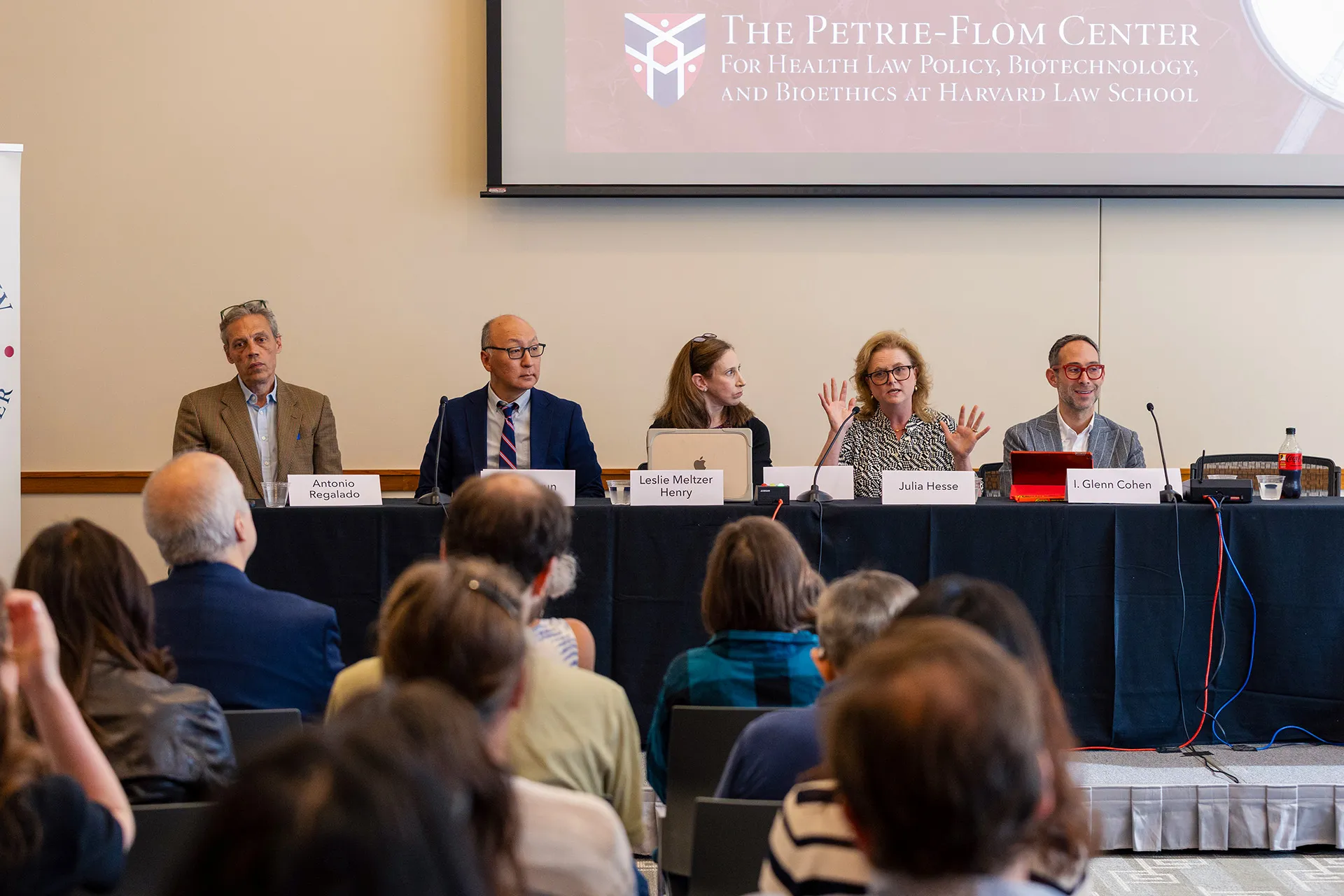
A panel of experts attempted to untangle some of the thorniest issues at play during a recent Petrie-Flom Center for Health Law, Biotechnology, and Bioethics event titled “Hot Topics in Embryo Law and Ethics.”
Since 1980, more than 500 legal cases involving frozen embryos have been filed in state courts, according to Leslie Meltzer Henry, a professor of law at the University of Maryland Francis King Carey School of Law and faculty at the Johns Hopkins Berman Institute of Bioethics.
The cases, she said, often involve disputes between intended parents following a divorce, separation, or another change in plans. Although the highest courts of nine states have addressed such disputes, no consistent standard has emerged.
This fragmented legal landscape, she said, “contributes to the costly emotional litigation that has left both intended parents and fertility providers without clear guidance.”