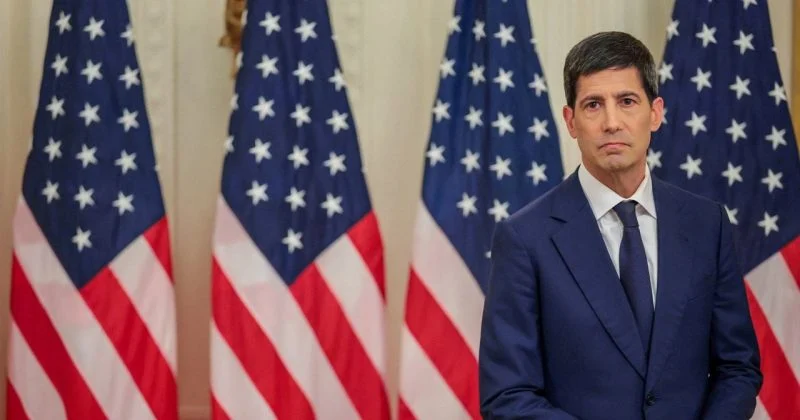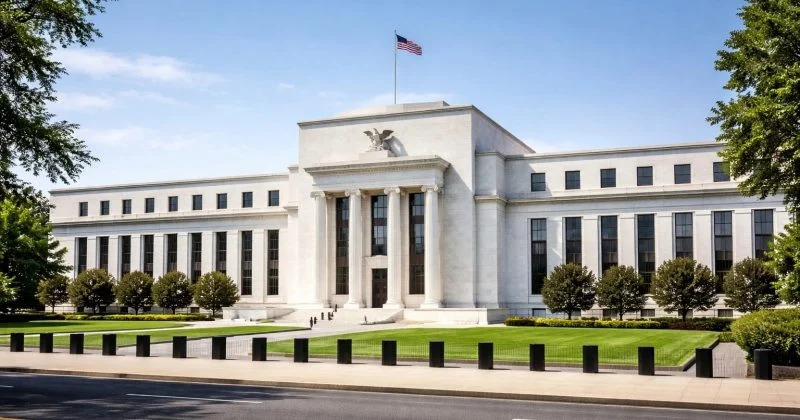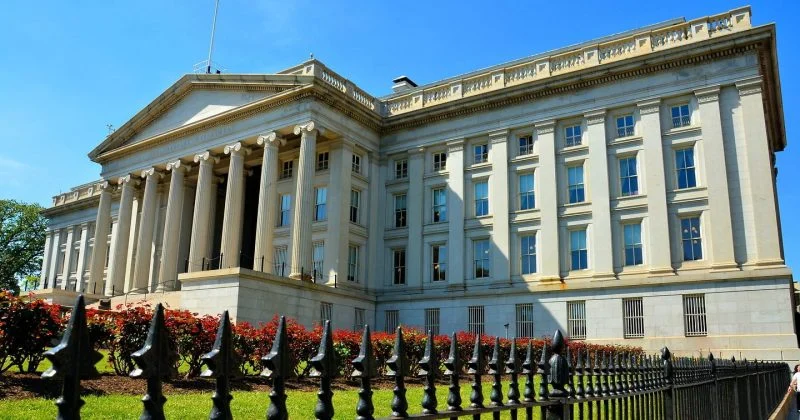
The U.S. Treasury’s Secretary, Scott Bessent, has highlighted the strength of the U.S. economy, pointing to resilient consumer spending, rising wages for lower-income workers, and a significant increase in investments. Core inflation has reportedly dropped to 2.6%, a figure that aligns with recent core consumer price index (CPI) data. Furthermore, record levels of investment are being channeled into the United States, suggesting future growth in construction and manufacturing sectors. These developments have drawn attention in the context of potential Federal Reserve actions, with market pricing reflecting a notable shift towards expectations of a rate hike.
Recent market data indicates a sharp increase in expectations for a Federal Reserve rate hike by the September 2026 meeting. The probability of such an outcome has risen to 68.5%, up from 44% a week ago. This shift is consistent with the strong economic indicators reported by the Treasury Secretary, which suggest a higher likelihood of monetary policy firming. The July meeting’s expectations have also increased, though less dramatically, reflecting continued uncertainty about the timing of any rate adjustments.
The markets appear to be reacting to the confluence of economic strength and lower inflation, which may provide the Federal Reserve with room to maneuver in terms of interest rate policy. The focus remains on upcoming economic data releases and Federal Reserve communications, which could further influence market expectations.