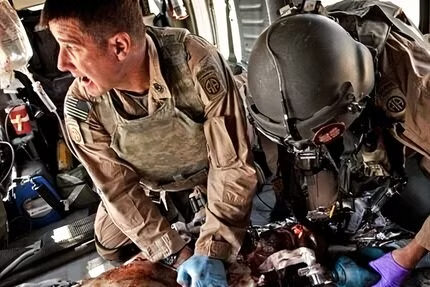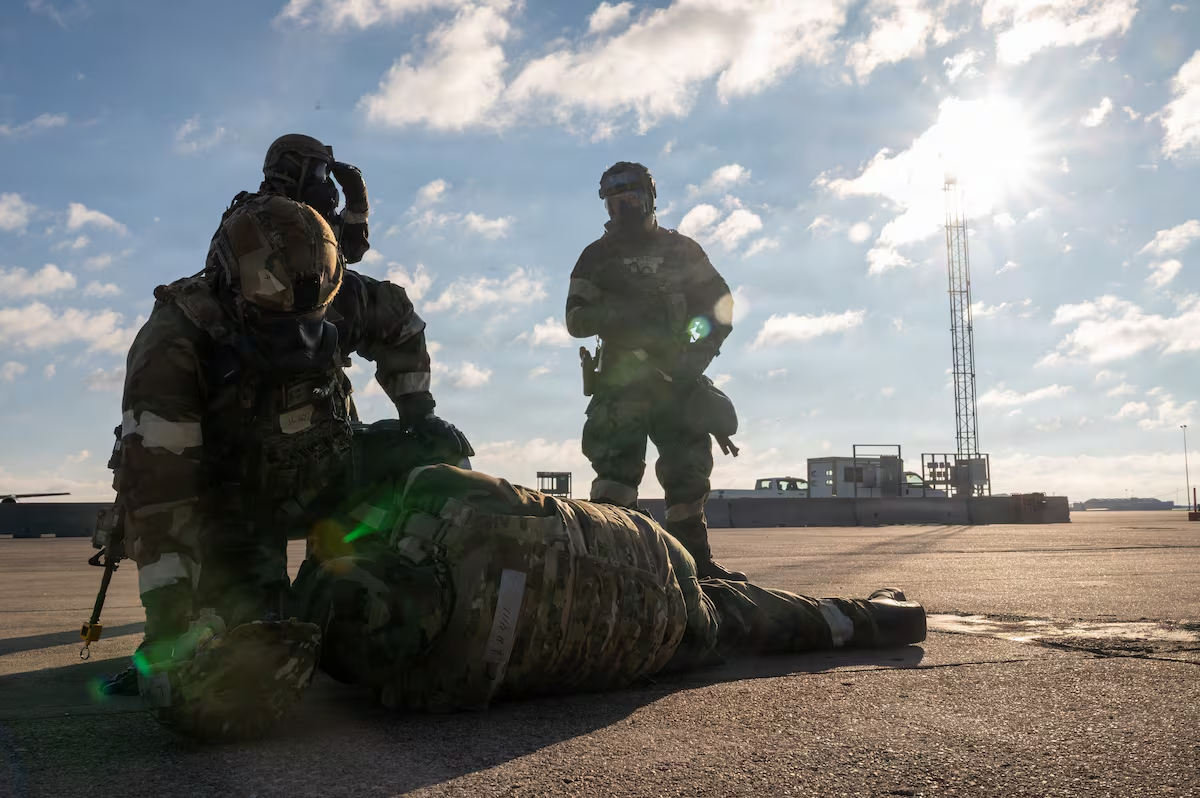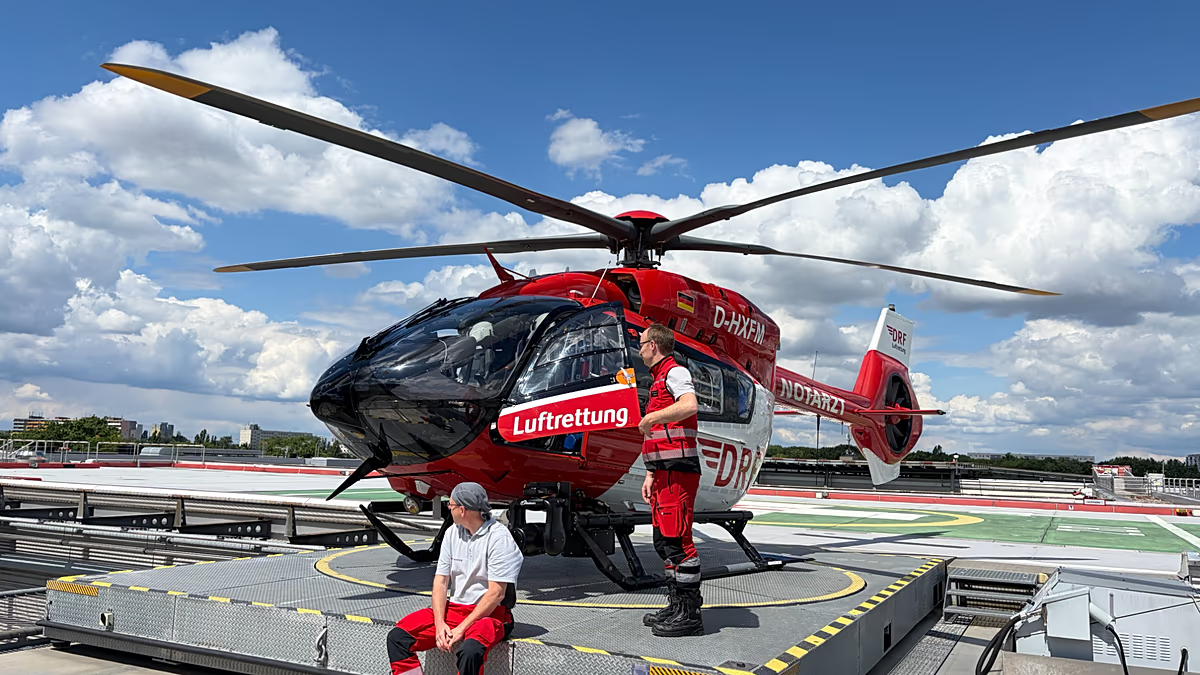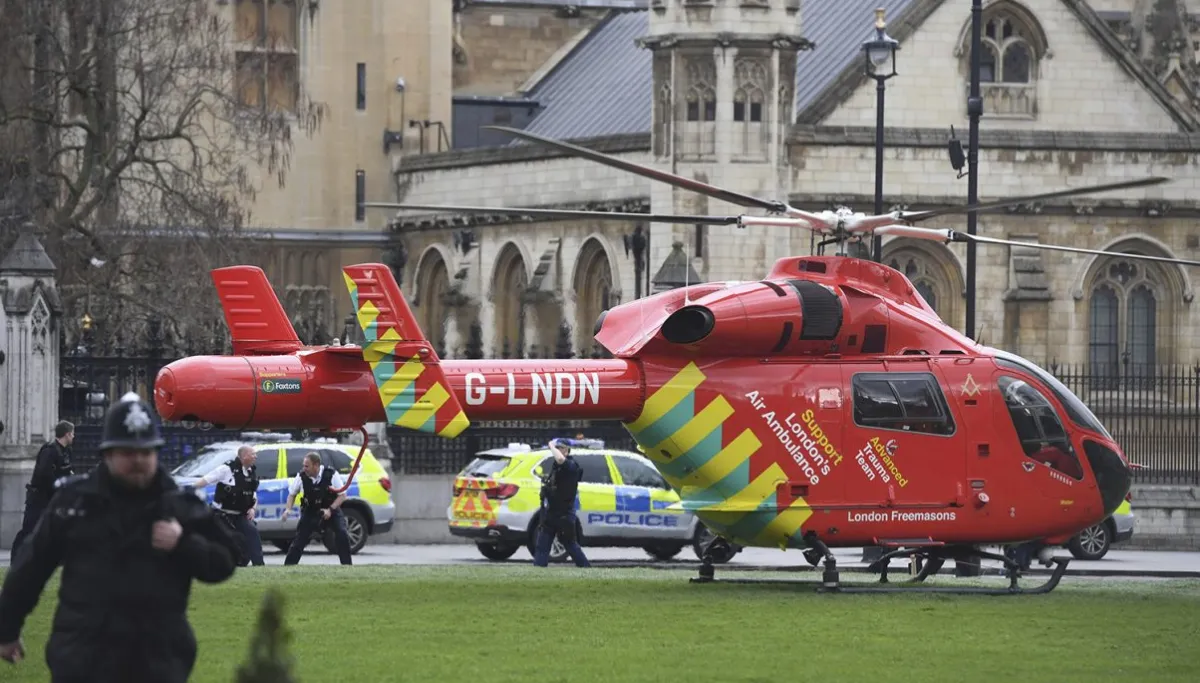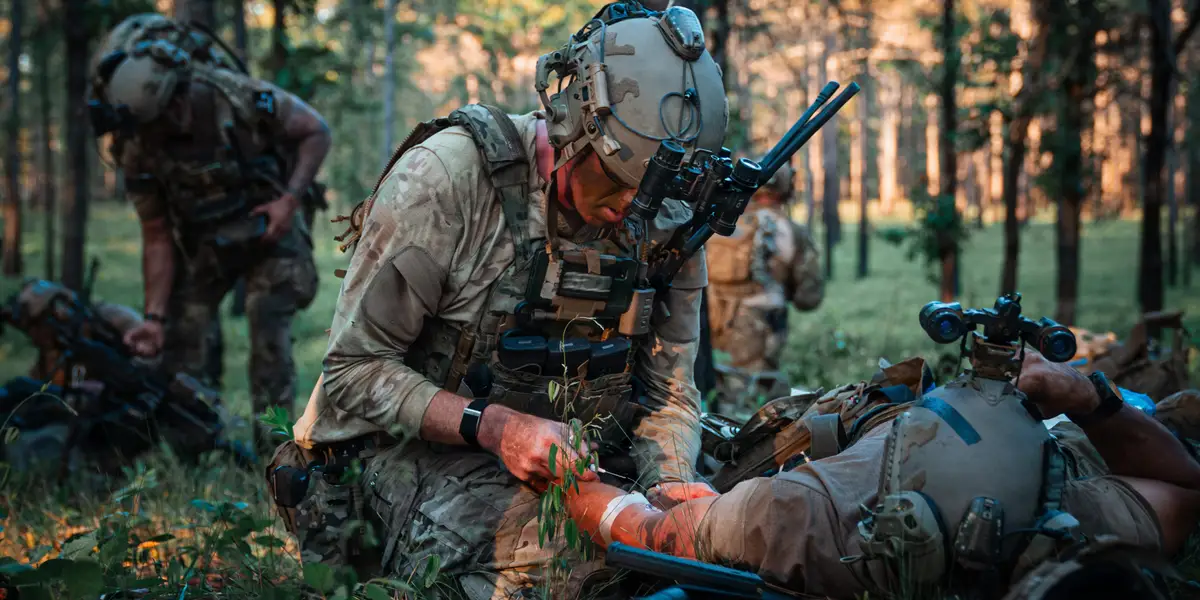
The US military is trying something new, reimbursing civilian ambulances for blood provided to those needing life-saving intervention prior to reaching the hospital.
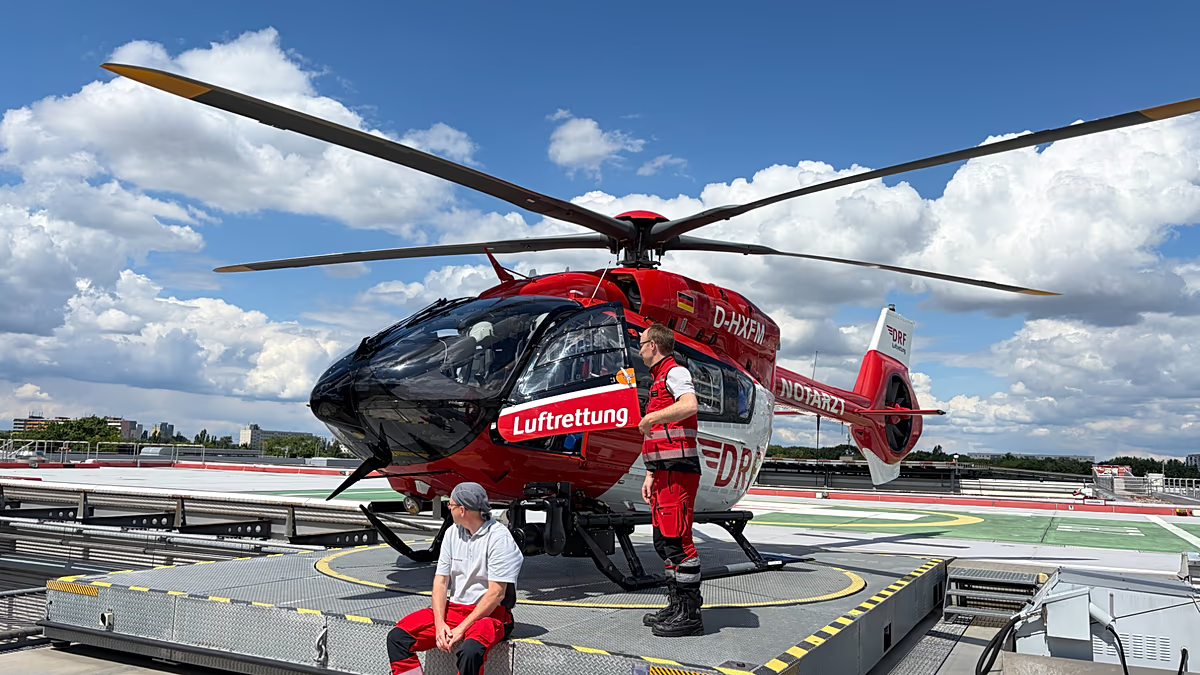
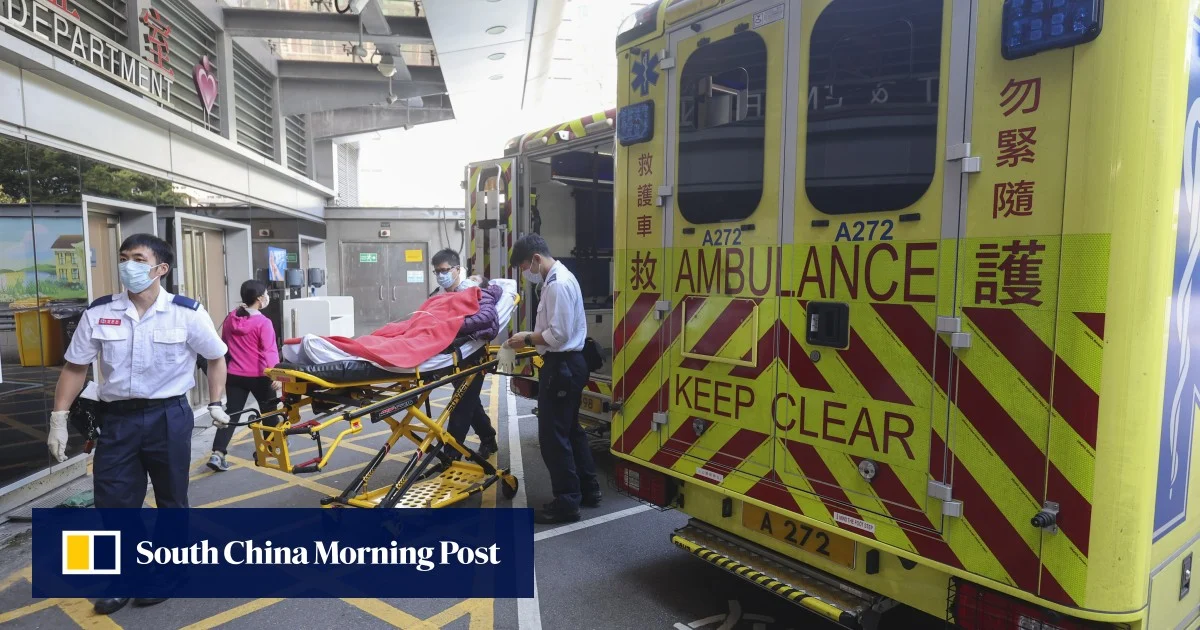
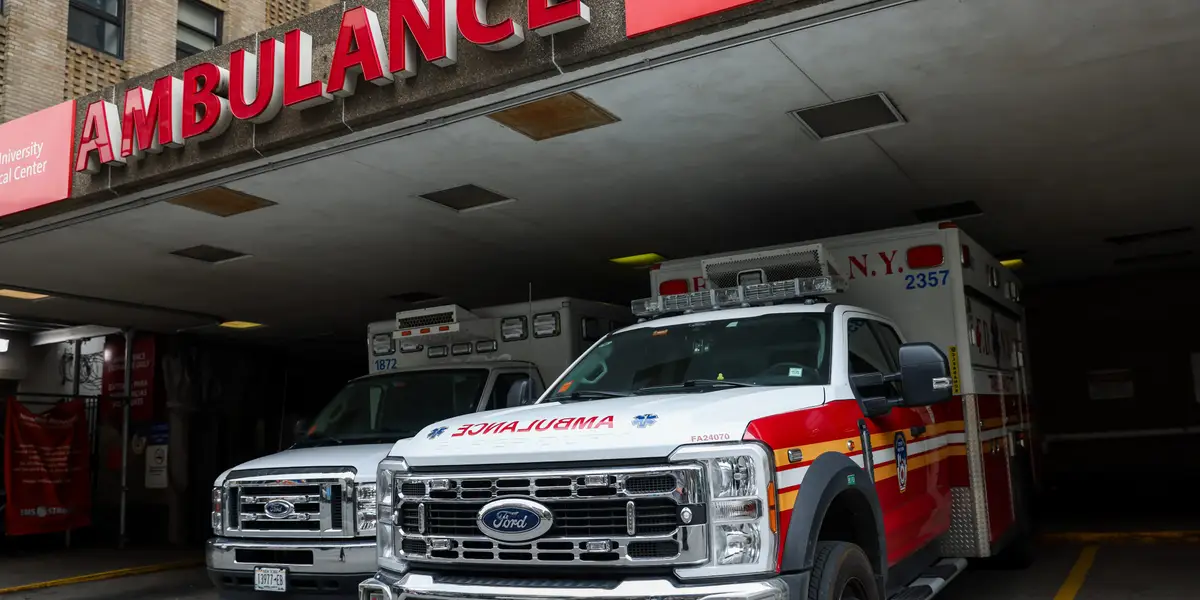
American ambulances arrive at car crashes and shootings carrying oxygen, medications, defibrillators, and other tools to open an airway or relieve pressure around a collapsed lung. But the vast majority lack one of the most precious resources for a hemorrhaging trauma patient — blood.In an unusual experiment born from the lessons of two decades of war in the Middle East, the Pentagon's health insurance program will test whether paying ambulance providers separately for blood transfusions can help change that.The Defense Health Agency's five-year TRICARE demonstration project, which is scheduled to begin in January, will reimburse authorized ground and air ambulance providers that administer "medically necessary" whole blood or blood components, such as red blood cells or plasma, to military personnel, family members, and retirees, according to a recent government posting.If the experiment proves effective, it could help address a major barrier to carrying blood on ambulances, potentially convincing insurers to adopt new payment models that reduce the cost burdens for providers for life-saving interventions.Right now, the national trauma system is not getting blood to many patients when they need it, said Donald Jenkins, a professor of surgery at UT Health San Antonio and chair of the Southwest Texas Regional Advisory Council's Regional Whole Blood Committee, which has overseen an expansion of whole blood across the state's trauma system. The problem is particularly acute for patients in rural areas who may be farther from hospitals that stock blood.