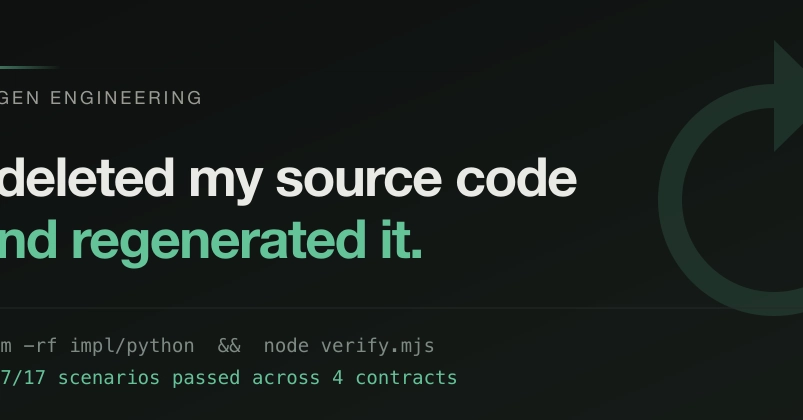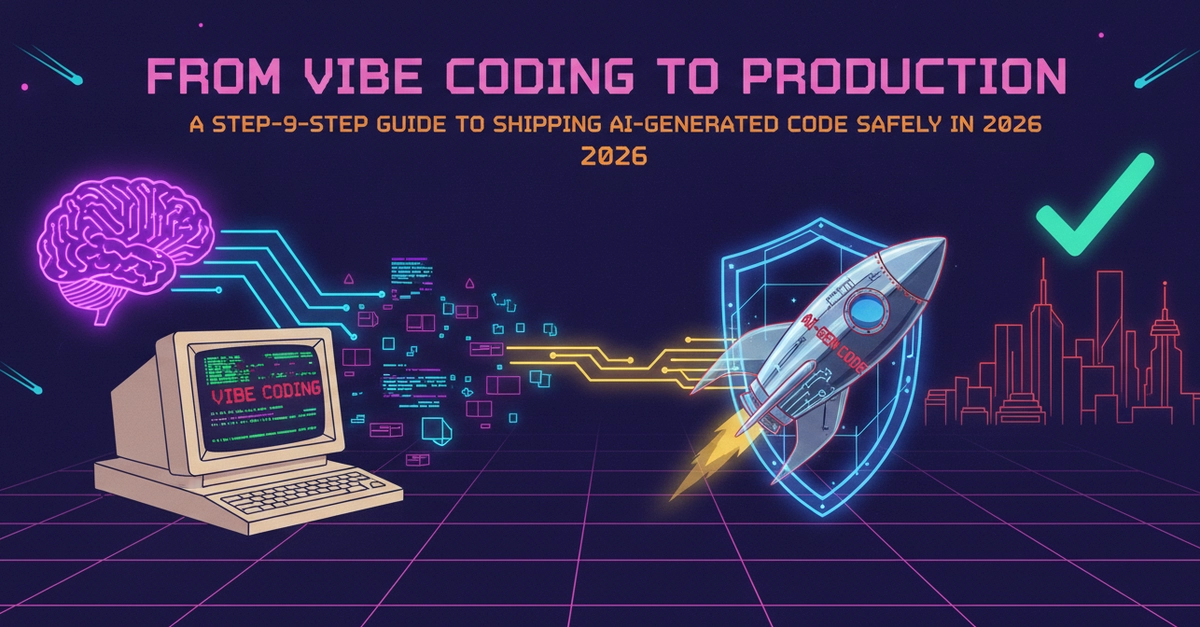
Our production chain is deterministic end to end: same configuration, same build, same app. That's what a platform promises. And a few months ago, we plugged into it the least deterministic component in existence: a language model, tasked with producing code that will be installed in a customer's app.
What happens to that code — how it fits in, what it's allowed to touch — is a story I've told elsewhere. This one is about the machinery around the model: what you have to build so that a component that never answers the same way twice can live inside a chain that isn't allowed to vary.
The output isn't an answer — it's a proposal
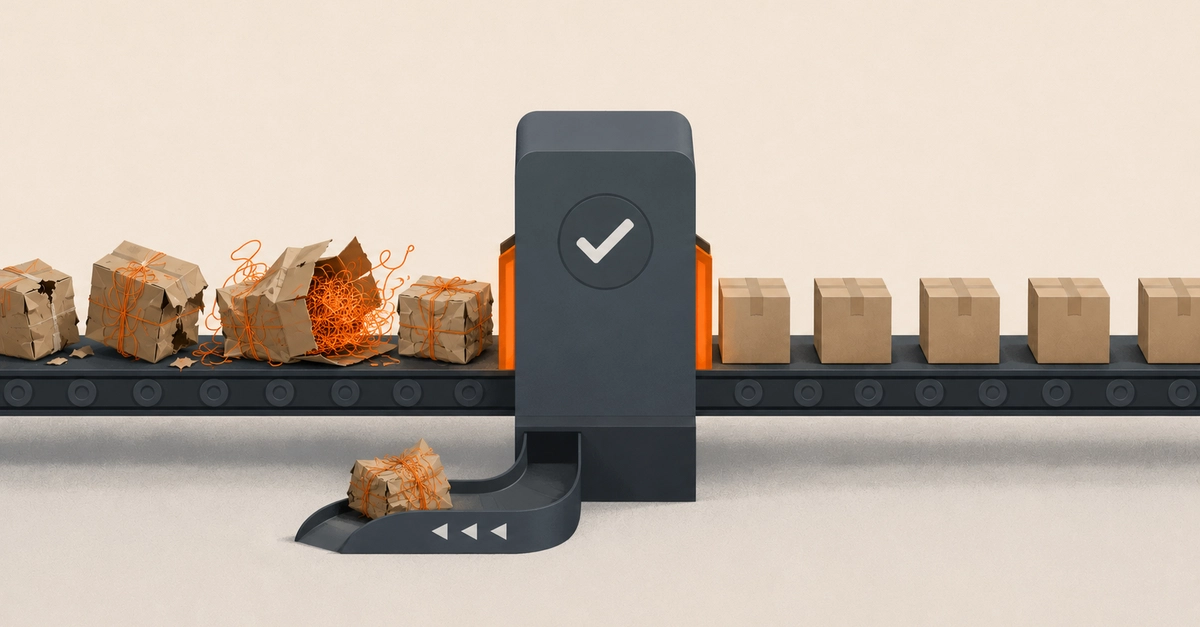
That's the first mental shift. When the model hands back its work, nothing treats it as a result: it's a proposal — and it's about to be inspected.
The rules are non-negotiable: one root container; no script sneaked into the HTML — external dependencies are declared in the open; HTTPS everywhere; only approved domains are reachable. None of this is politely requested in the prompt in the hope the model remembers. The prompt educates; the validator decides. Everything gets re-checked mechanically, after the fact, on every generation.