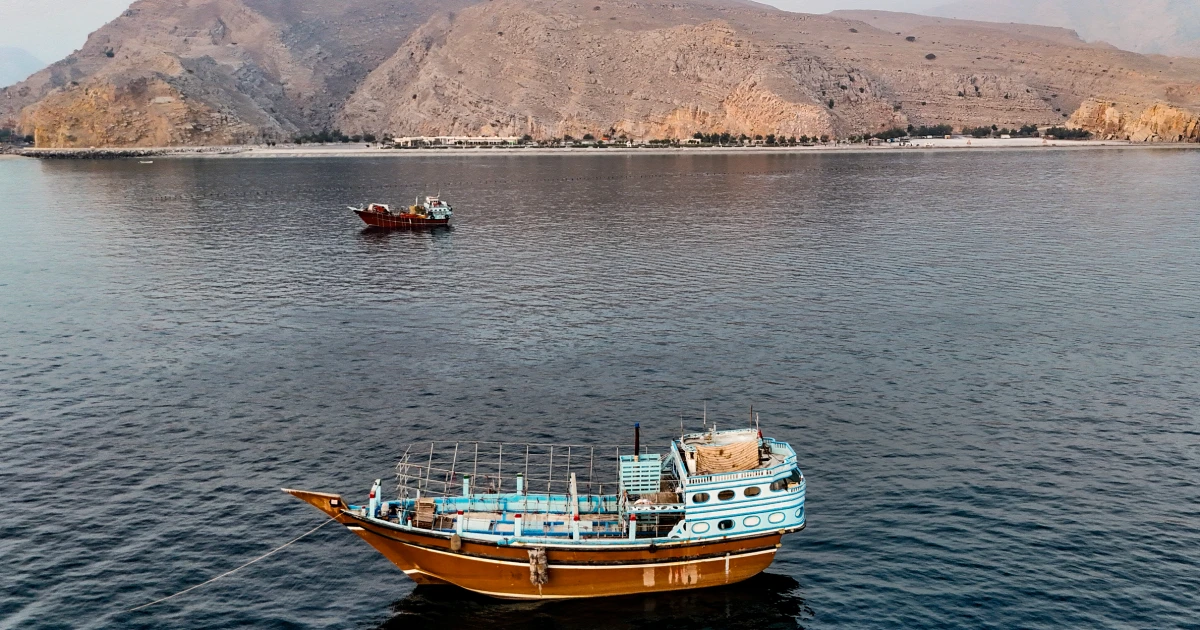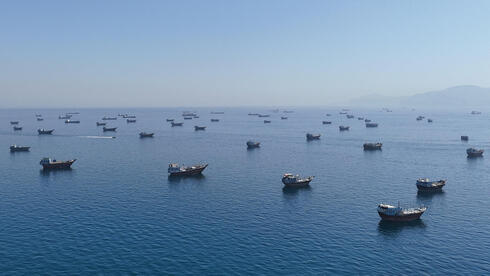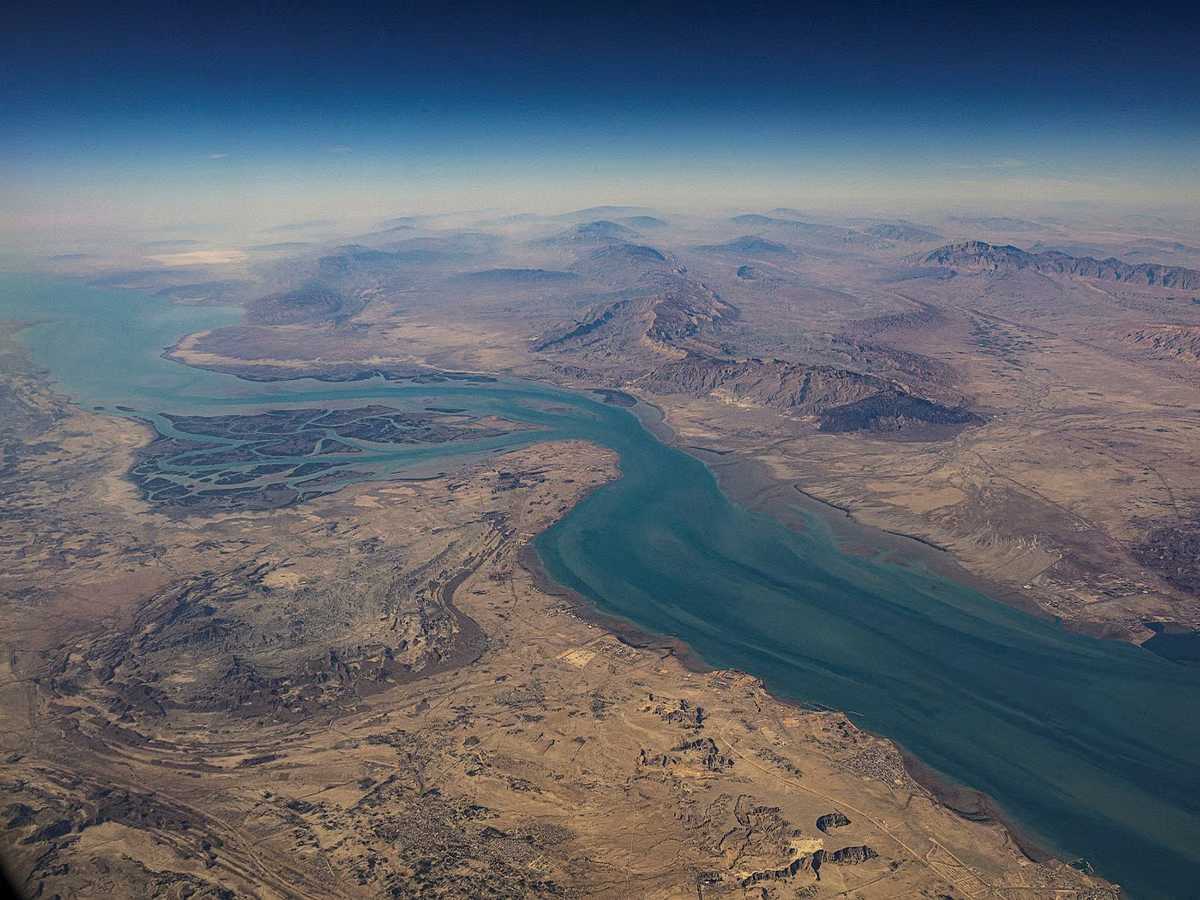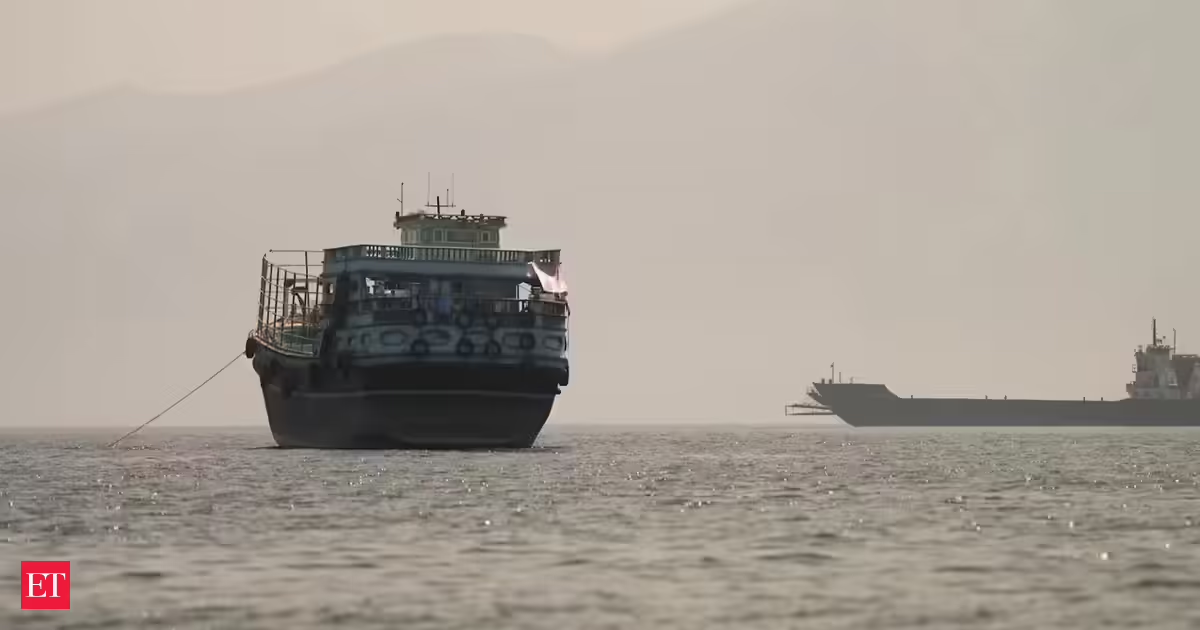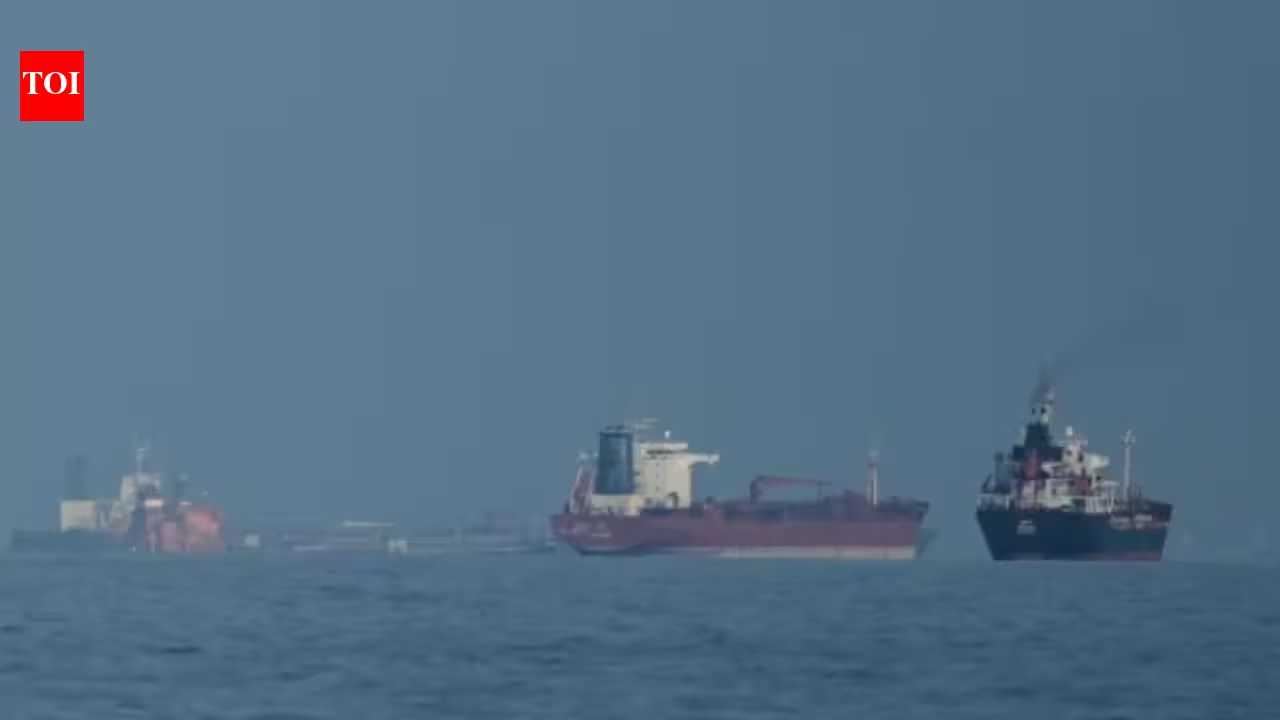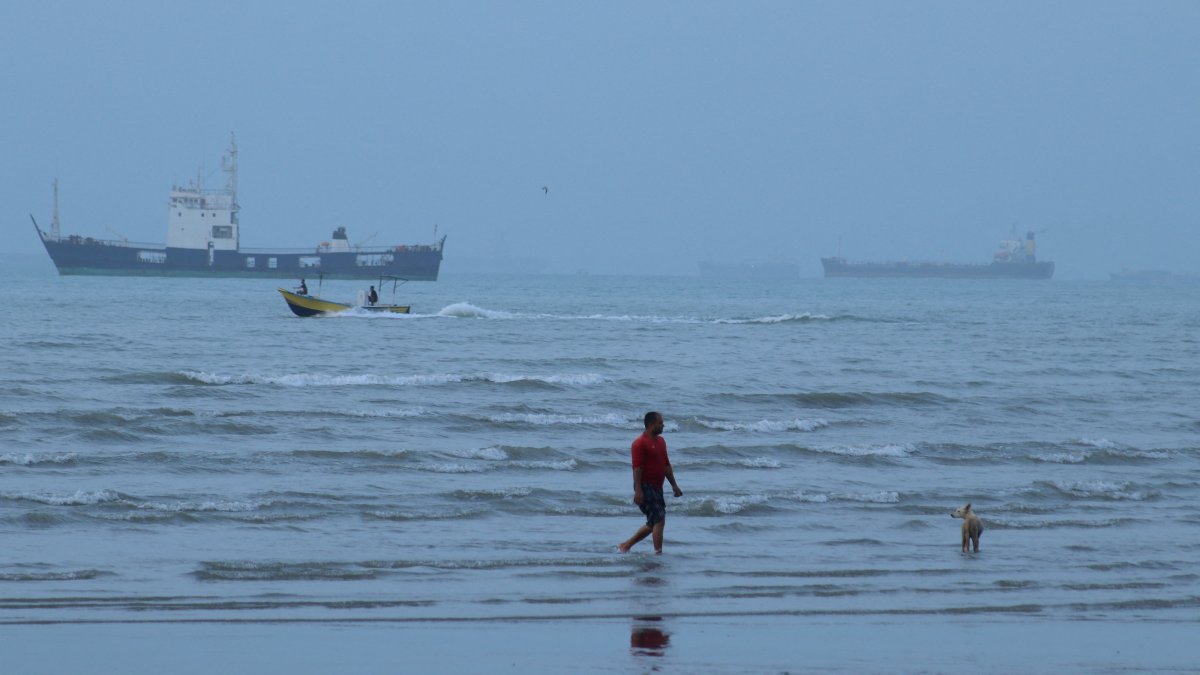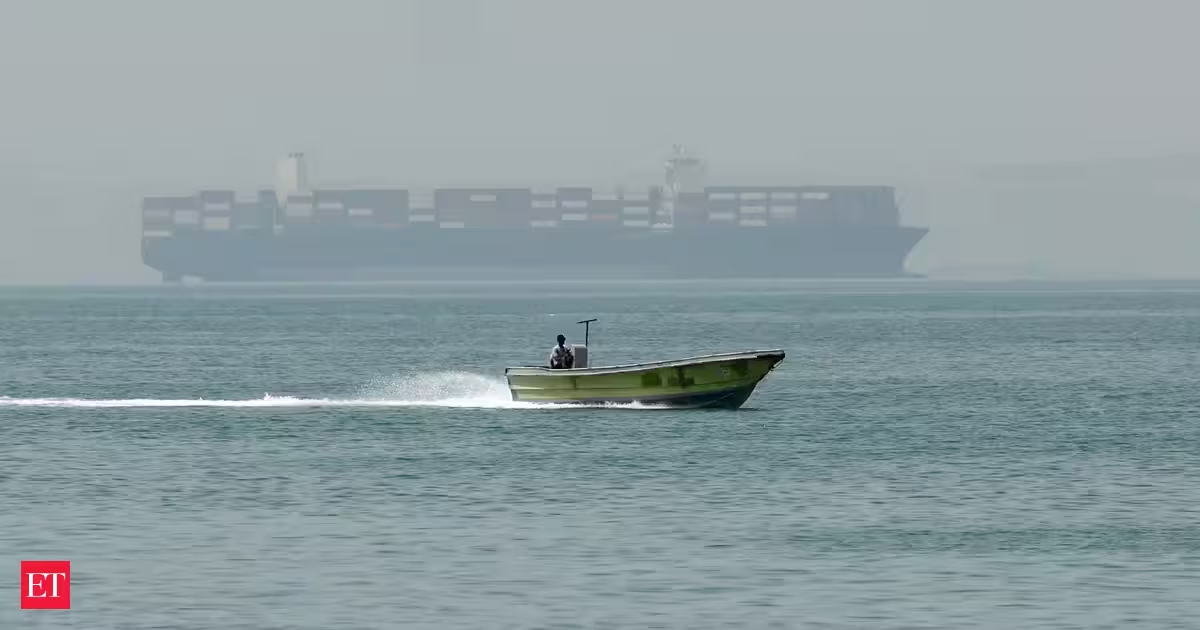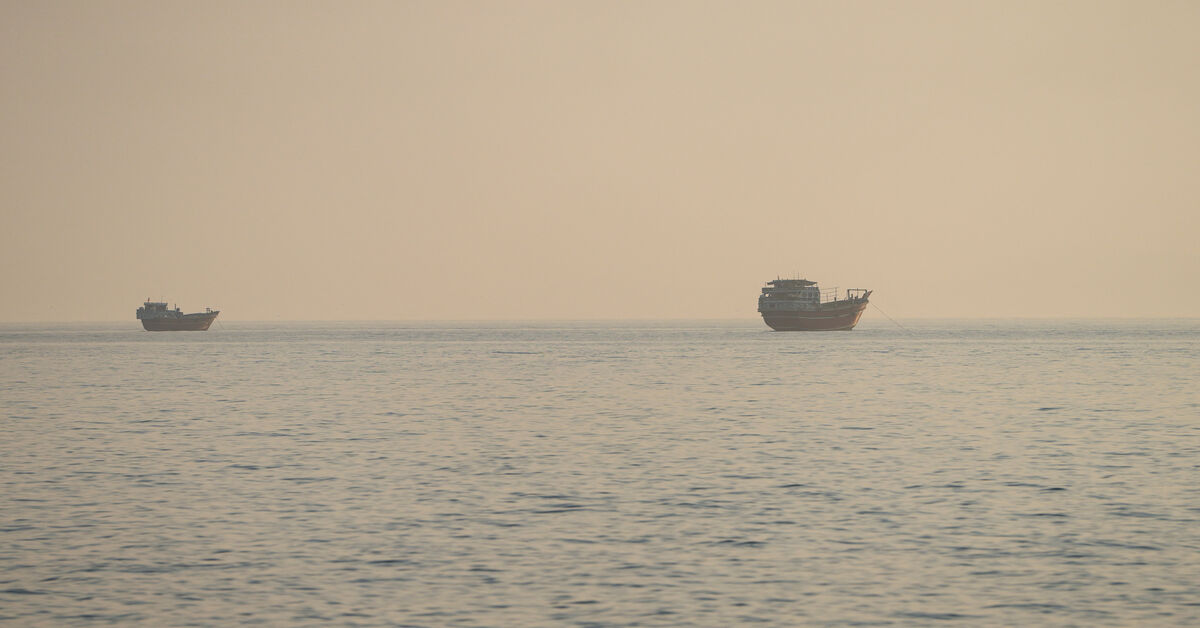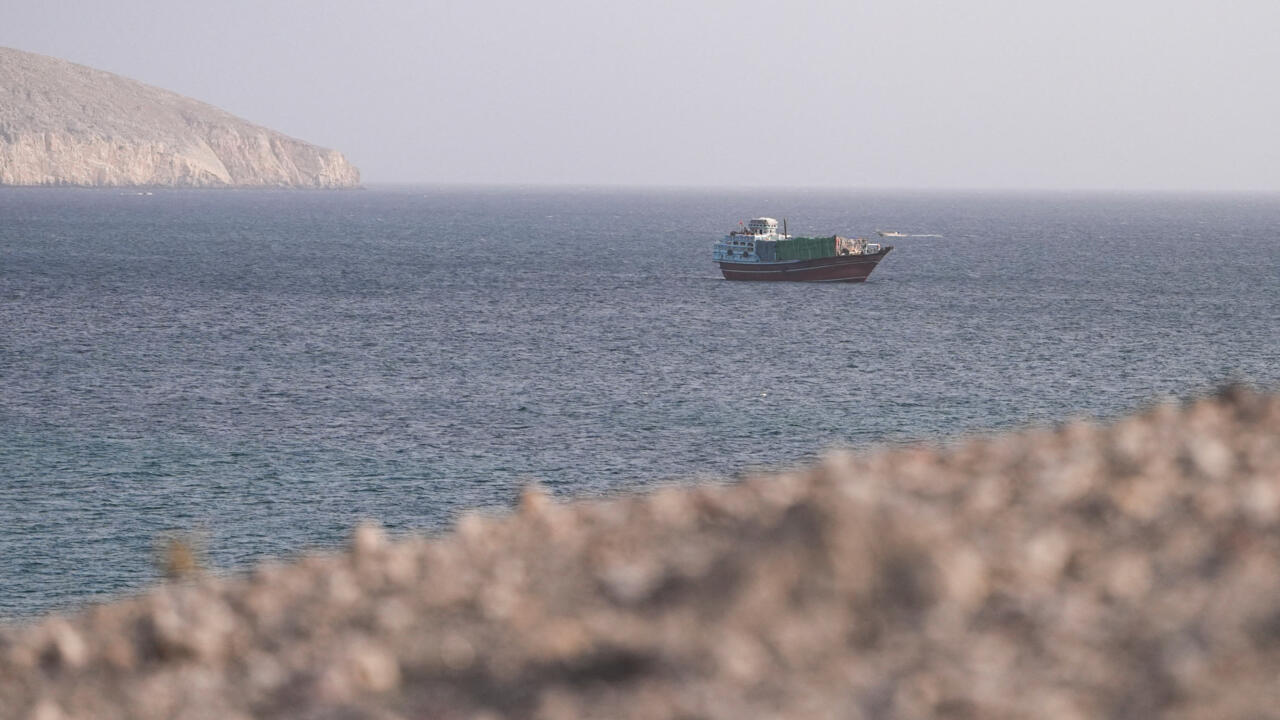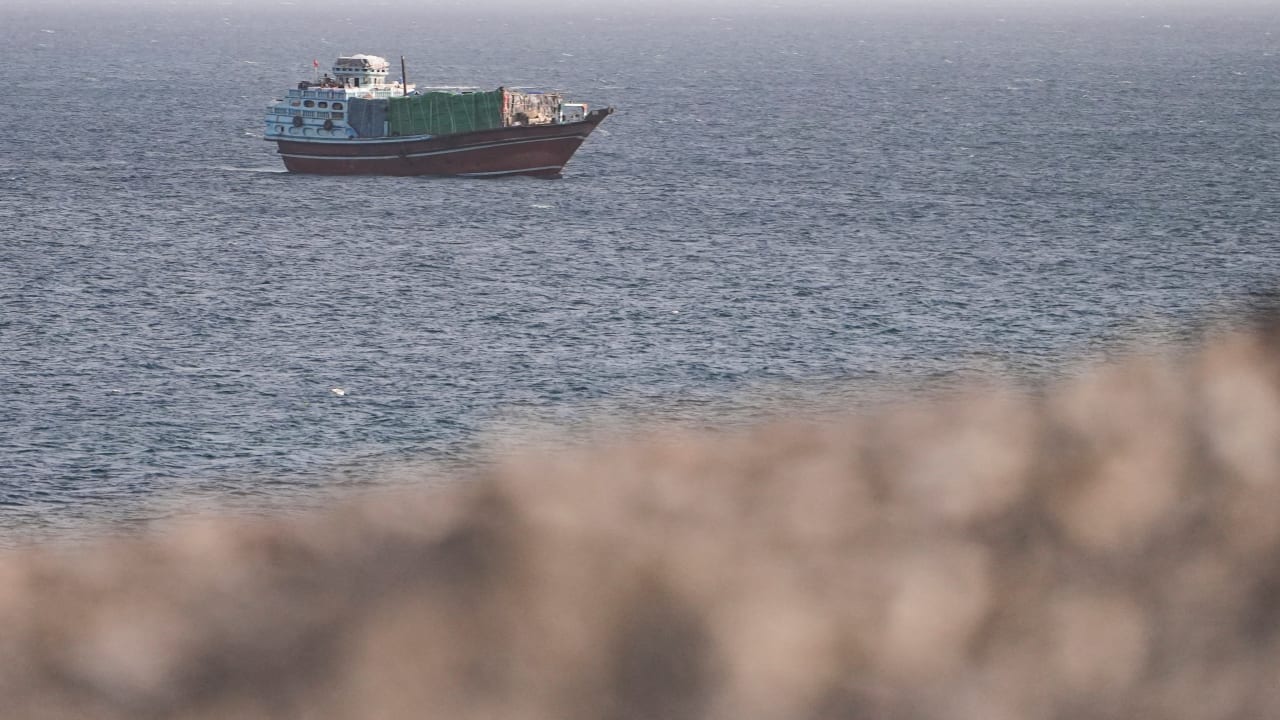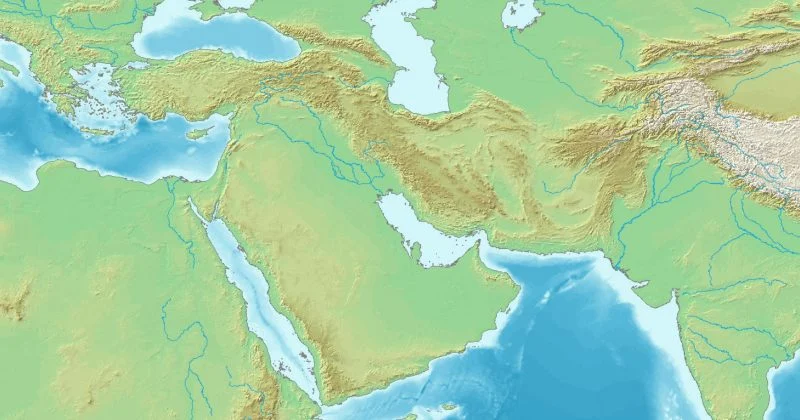
The world’s most important oil chokepoint might soon come with a price tag. Gulf states have signaled support for a plan that would allow Iran to collect voluntary fees from ships passing through the Strait of Hormuz, a narrow waterway through which roughly a fifth of the world’s oil supply flows daily.
The proposal, championed by Oman, frames these charges as service fees tied to navigation safety, security, and environmental protection. Iran estimates the arrangement could generate approximately $40 billion in annual revenue from regional maritime activity.
What’s actually on the table
The framework envisions Iran providing services to vessels transiting the strait and collecting fees in return. Earlier Iranian proposals floated charges as high as $2 million per tanker, with some discussion of yuan-denominated payments. Iranian officials have at times described these payments as obligatory, which is a rather significant distinction when you’re talking about the world’s most critical energy corridor.
The initiative represents a departure from mandatory toll systems seen at other maritime chokepoints like the Straits of Malacca.