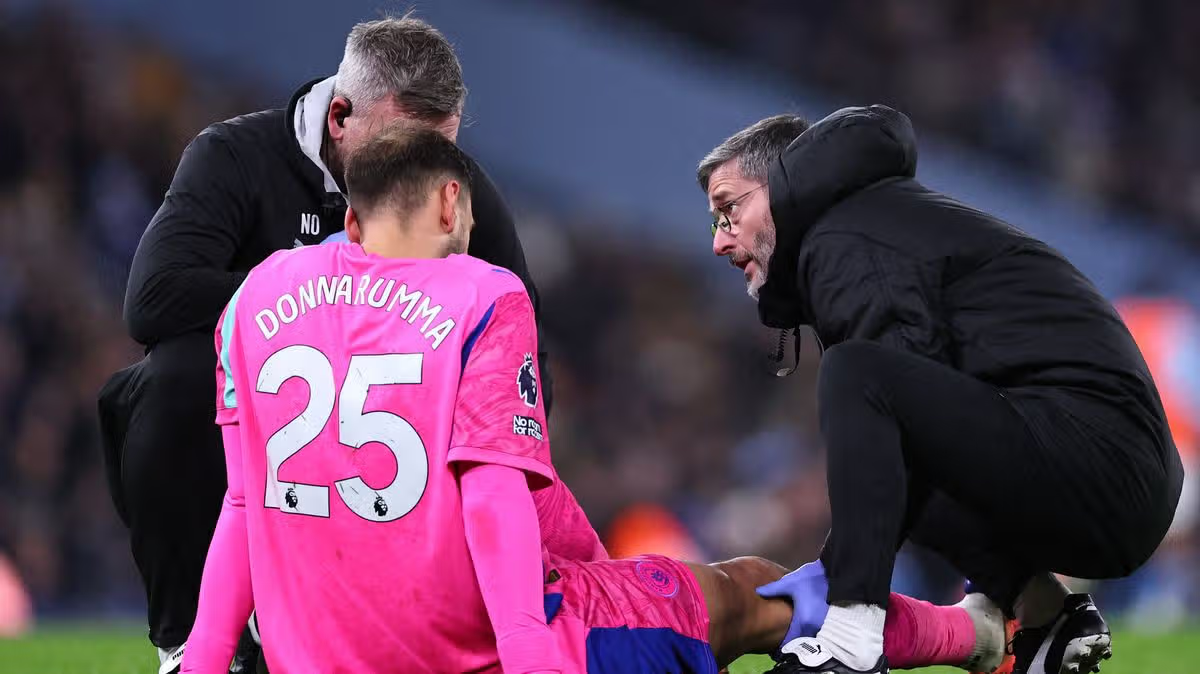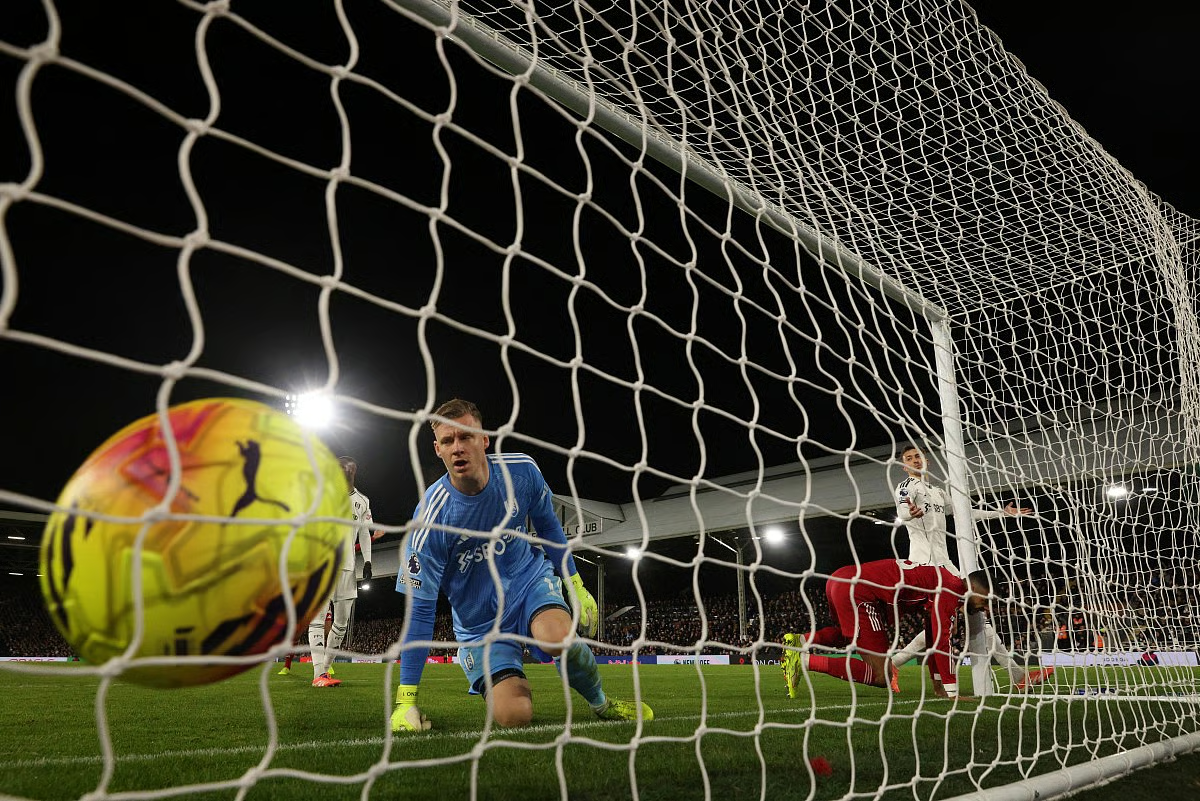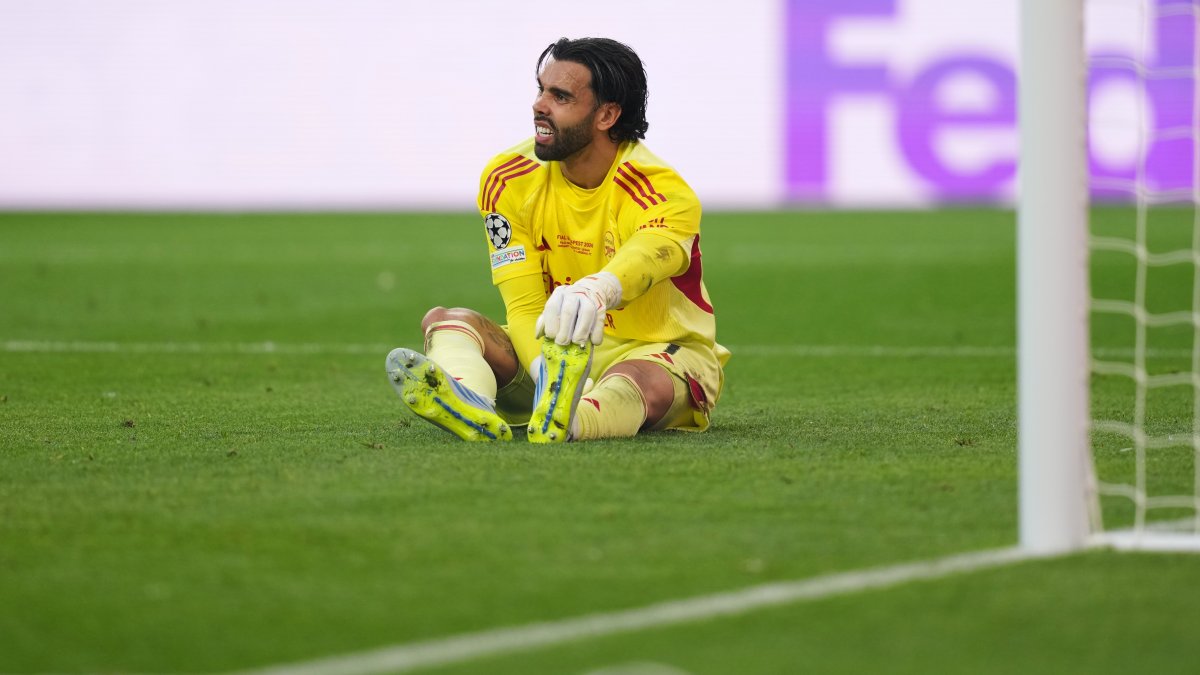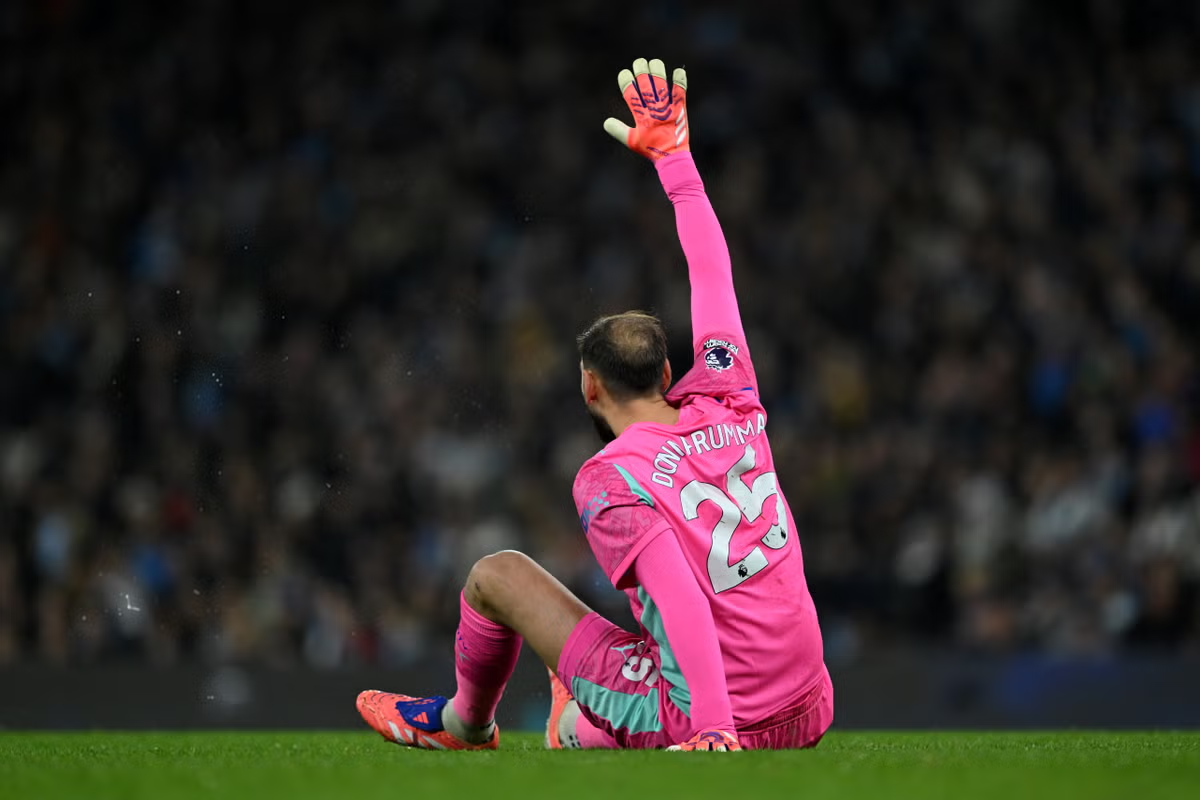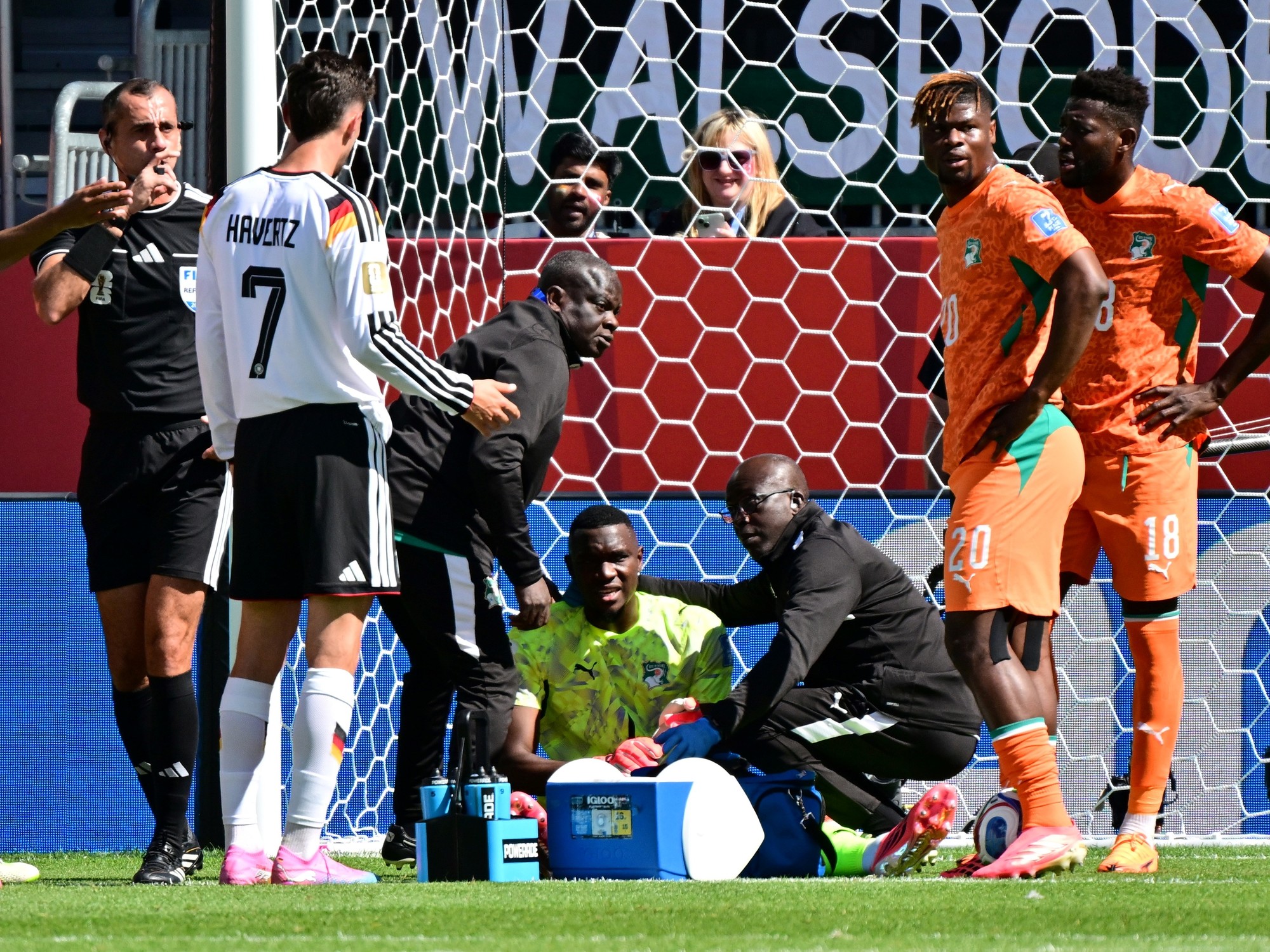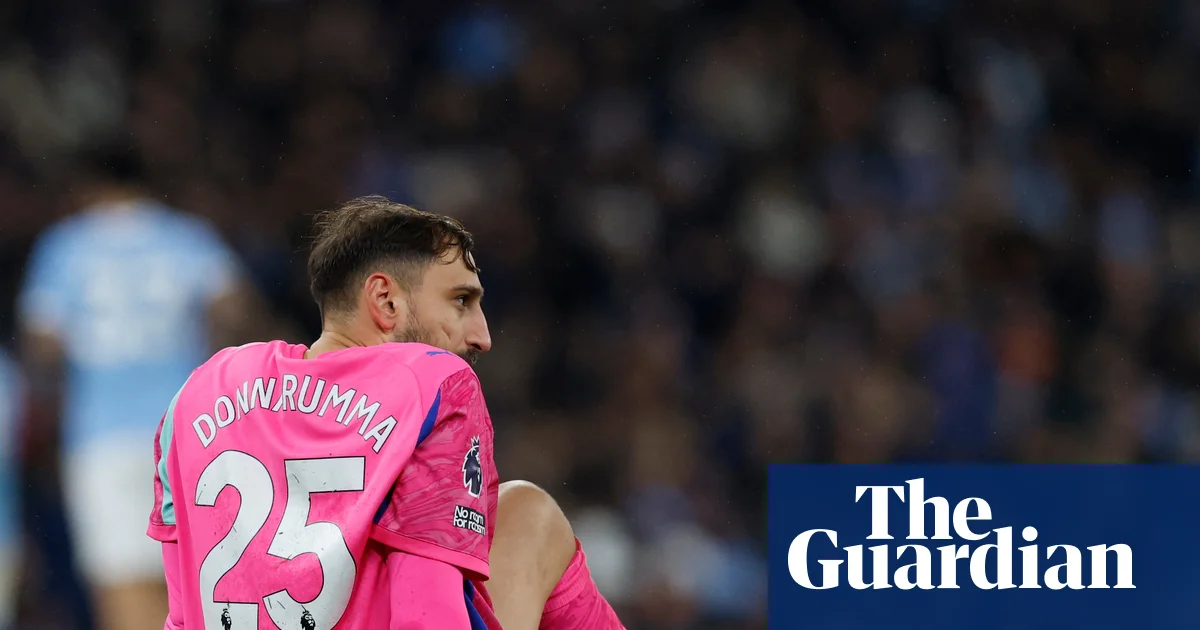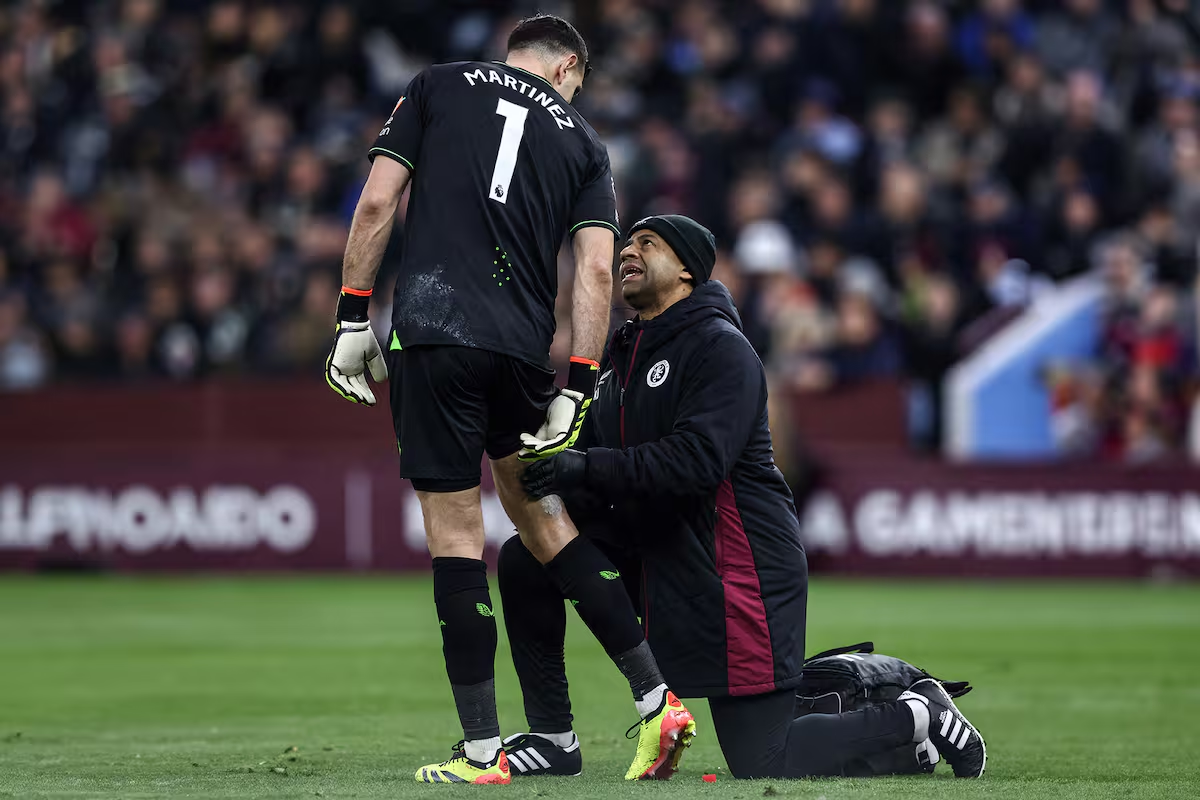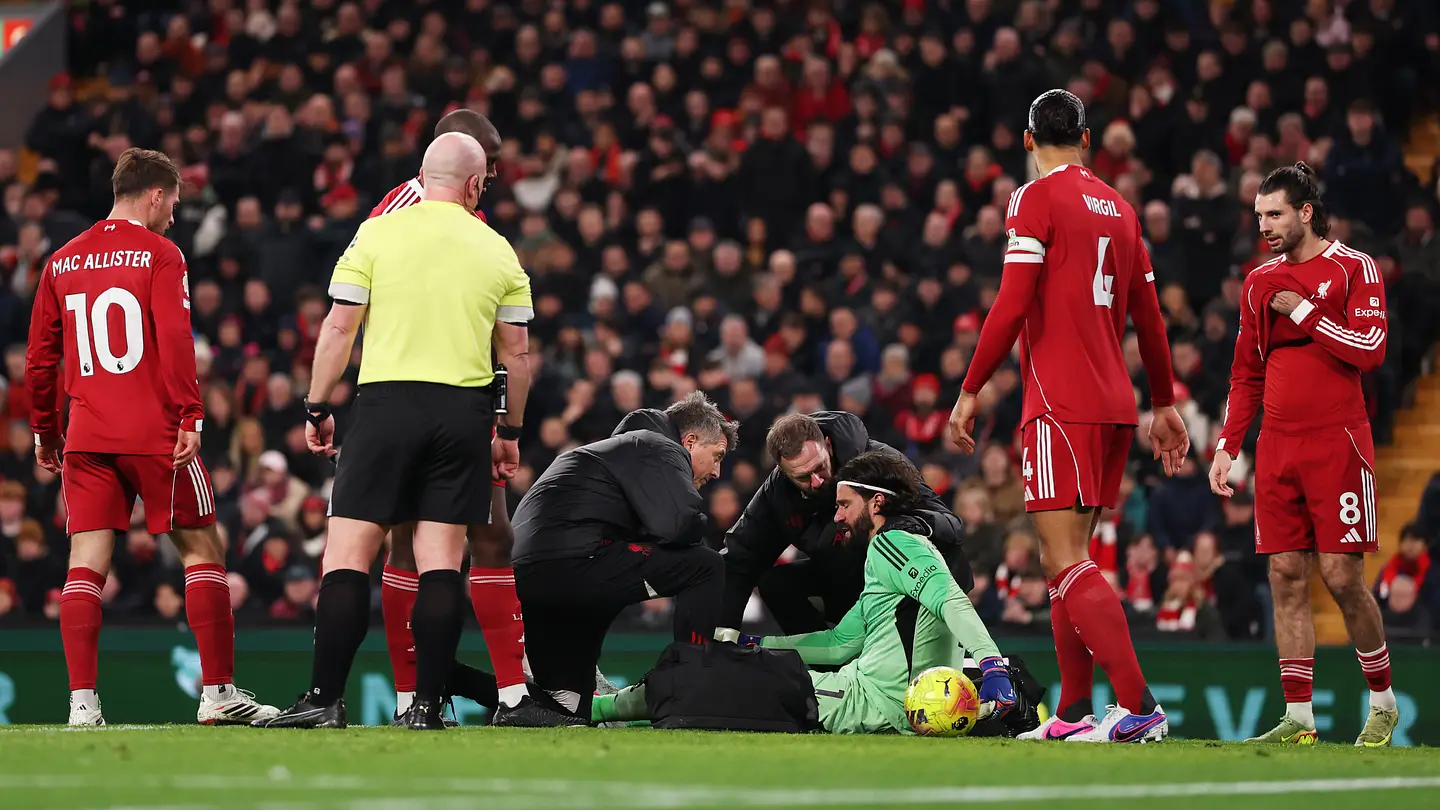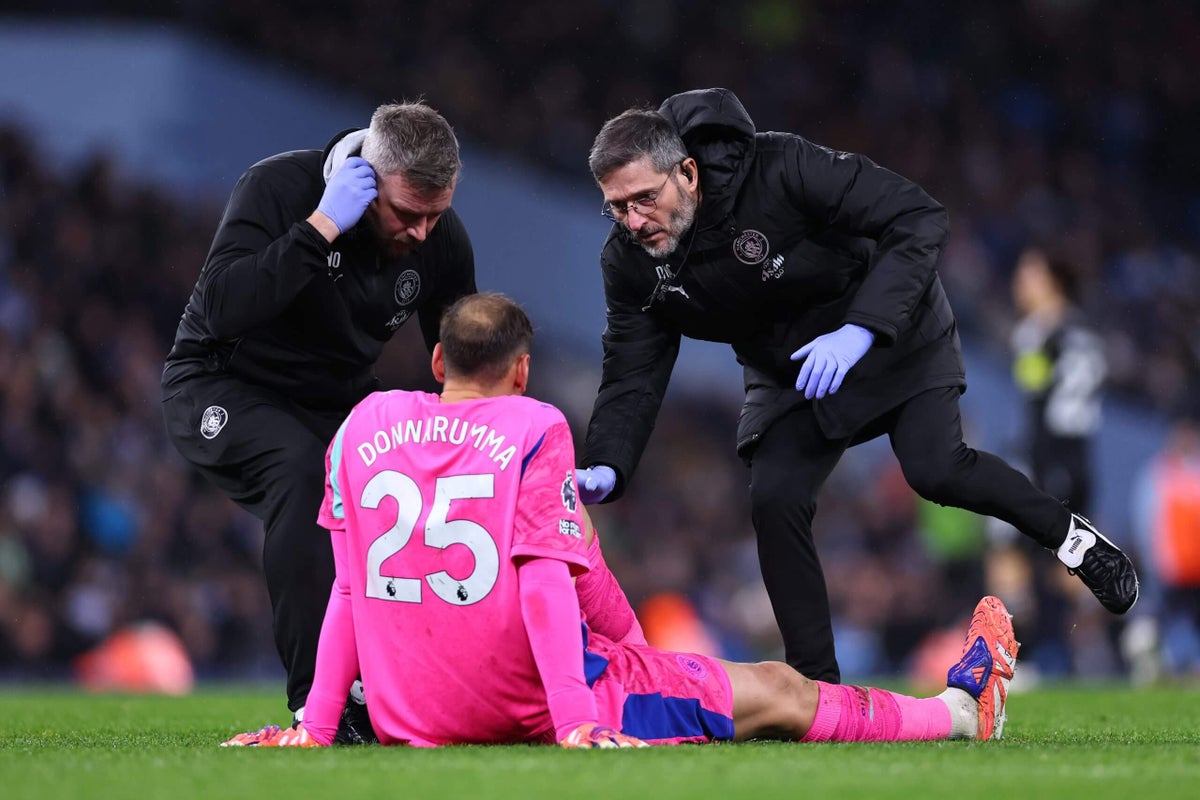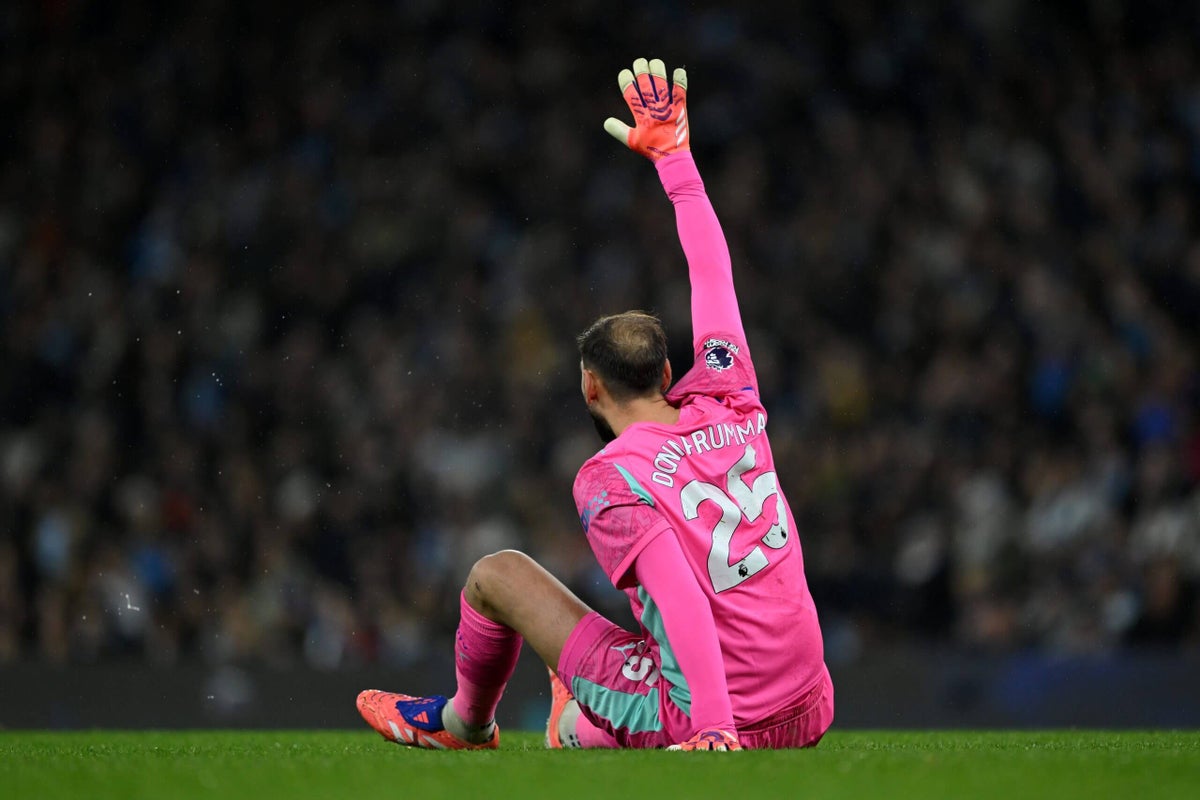
Football’s governing bodies had no choice but to act against goalkeepers sitting down and demanding treatment so their manager could host a tactical timeout, or kill the opposition’s momentum.Frustration had been growing among paying spectators about fake injuries, complicit doctors and unnecessary delays, and action was overdue given the unethical practice has been prevalent for several seasons.The new rule will kick in whenever a goalkeeper requests treatment for an injury, unless they require immediate attention after a foul or collision, or if they are bleeding. In all other circumstances, an outfield player will be required to leave the field for one minute from when the match resumes.The rule is designed to act as a deterrent and be easy to police for referees. I support the proposal and think it will work, but acknowledge it comes with risks.Let’s take an example of team already down to 10 players that is defending a corner. The goalkeeper is in pain — and this time it’s genuine — but does not want to request treatment because his side will be reduced to nine when the kick is taken. Clearly inhibited, he then fails to make a save that might otherwise have been routine.
Such a scenario may be seen next season, but the unfortunate consequences will be on those in the game who have exploited a loophole so blatantly. Those who refused to join in, such as Leeds United manager Daniel Farke, deserved more praise than they received.Daniel Farke was annoyed by Manchester City’s behaviour in November (Justin Setterfield/Getty Images)Other options were considered, including asking referees to stop players approaching the technical area during such stoppages. This worked at the World Cup, but coaches knew they had a three-minute window in each half to bestow their wise words under the guise of hydration breaks.Another idea floated was to ask the players to convene in the centre circle, or retreat to their own penalty areas, while treatment took place. That would risk turning referees into sheepdogs, so thank goodness that option was not pursued.In any event, the delays were often being engineered to kill the game, especially by winning or weaker teams who were creaking under pressure. Hopefully, the prospect of playing with 10 men for a minute will be enough of a disincentive.People in football should reflect on why it has come to this. It is not only managers and coaches to blame — clubs’ medical staff should be ashamed of themselves for going along with such dishonest practices, not least because they sign up to a code of conduct that demands better.In the UK, the General Medical Council — doctors’ independent and professional regulator — says its registrants must always act with honesty and integrity, never put the public’s trust in the profession in doubt, and see patients based on their clinical need.There is a similar code with the same sentiments that applies to physiotherapists, who are regulated by the Health and Care Professions Council.I have stood on the pitch and watched medical teams pretend to provide treatment to a perfectly healthy player while in constant communication with their technical area over how long to take. I have been a fourth official and noticed the substitute goalkeeper rarely, if ever, warms up.Officials have always been told to allow the pantomime for fear that, on the one occasion we refuse to be complicit, the goalkeeper will be genuinely injured and a goal will result.Hopefully we shall see an end to all this nonsense and that the new regulation makes the problem quietly disappear.