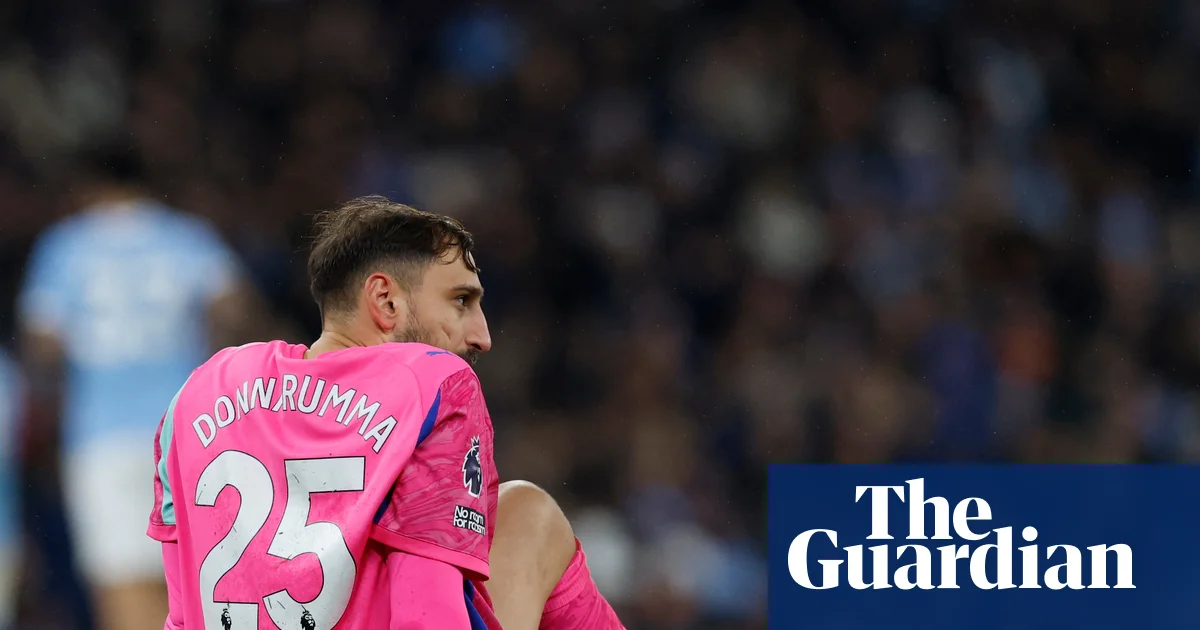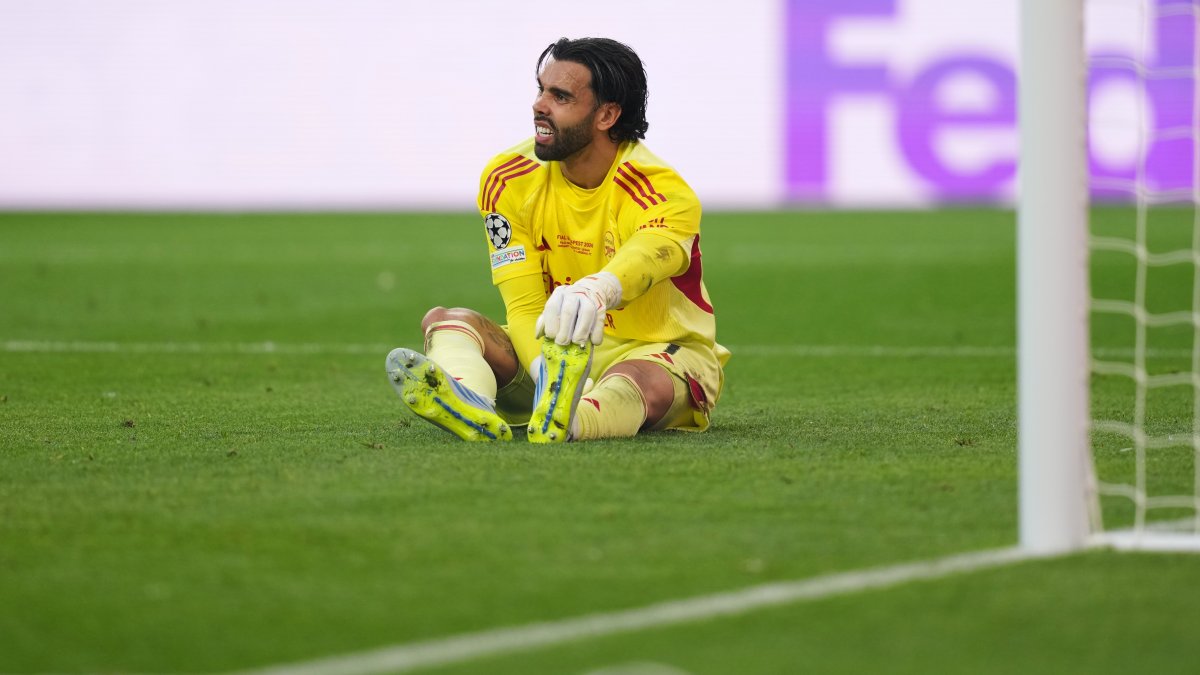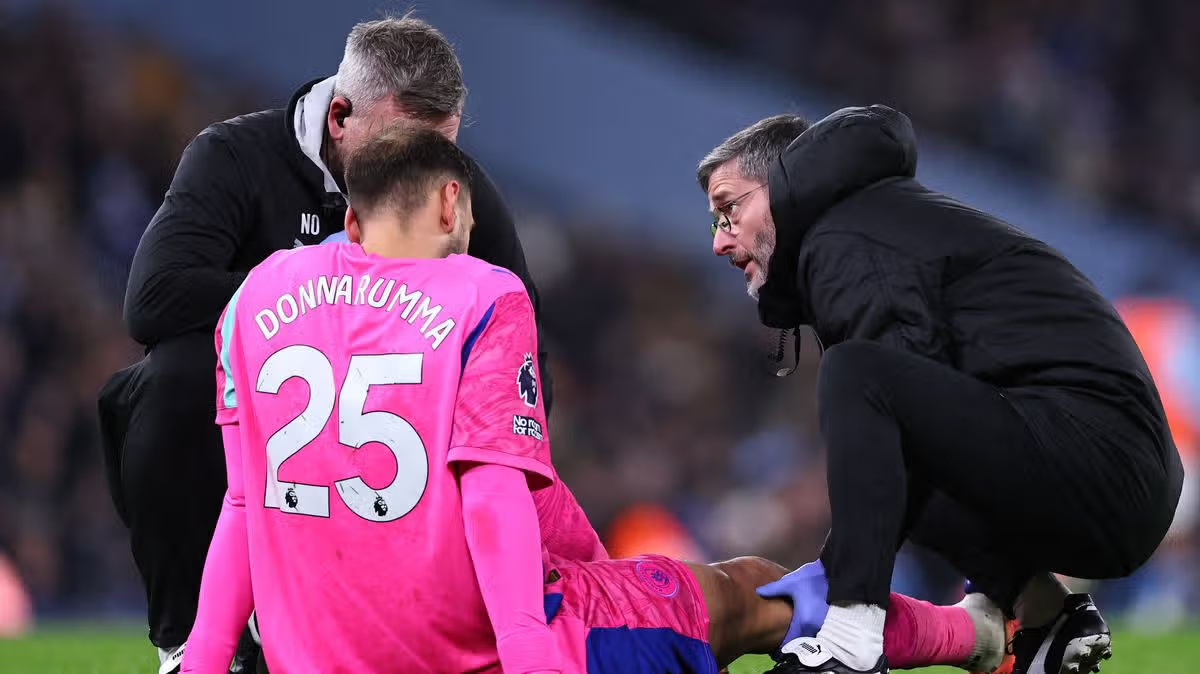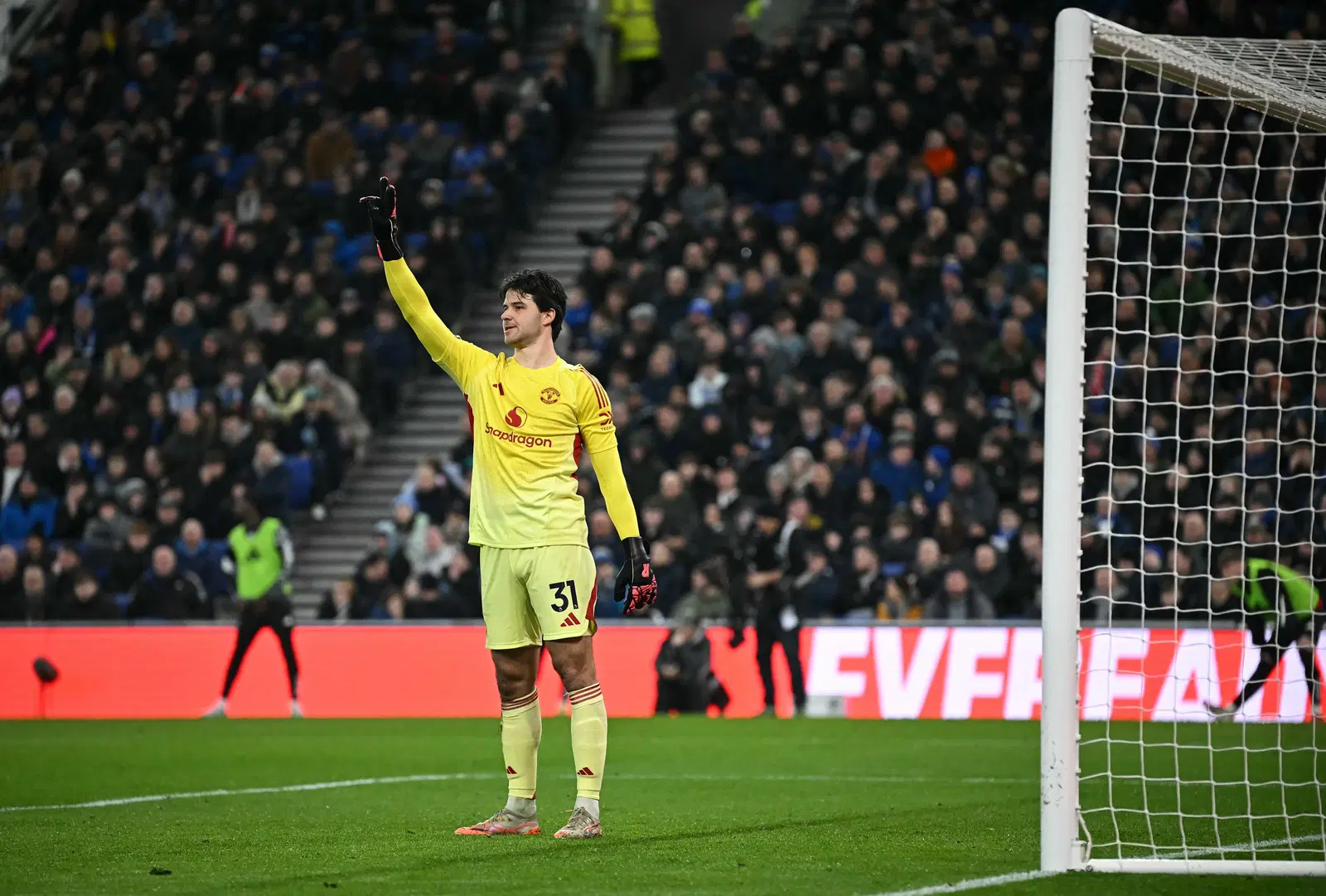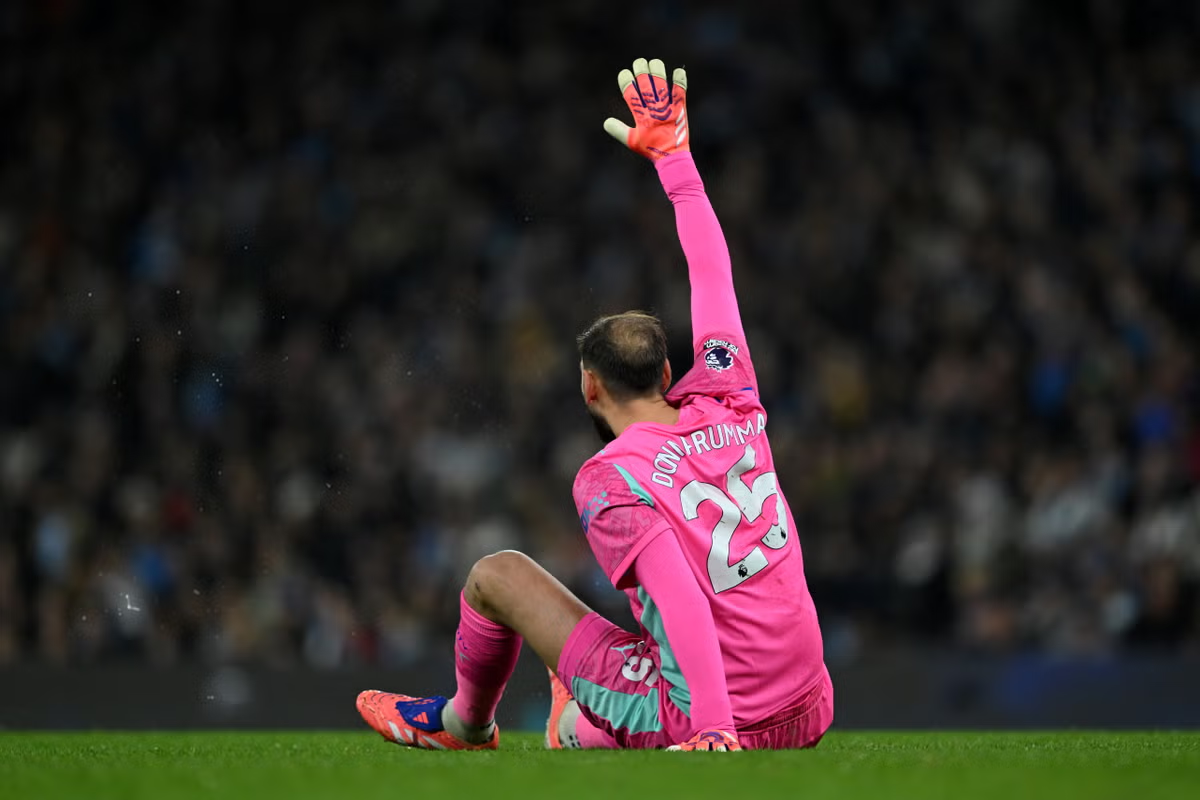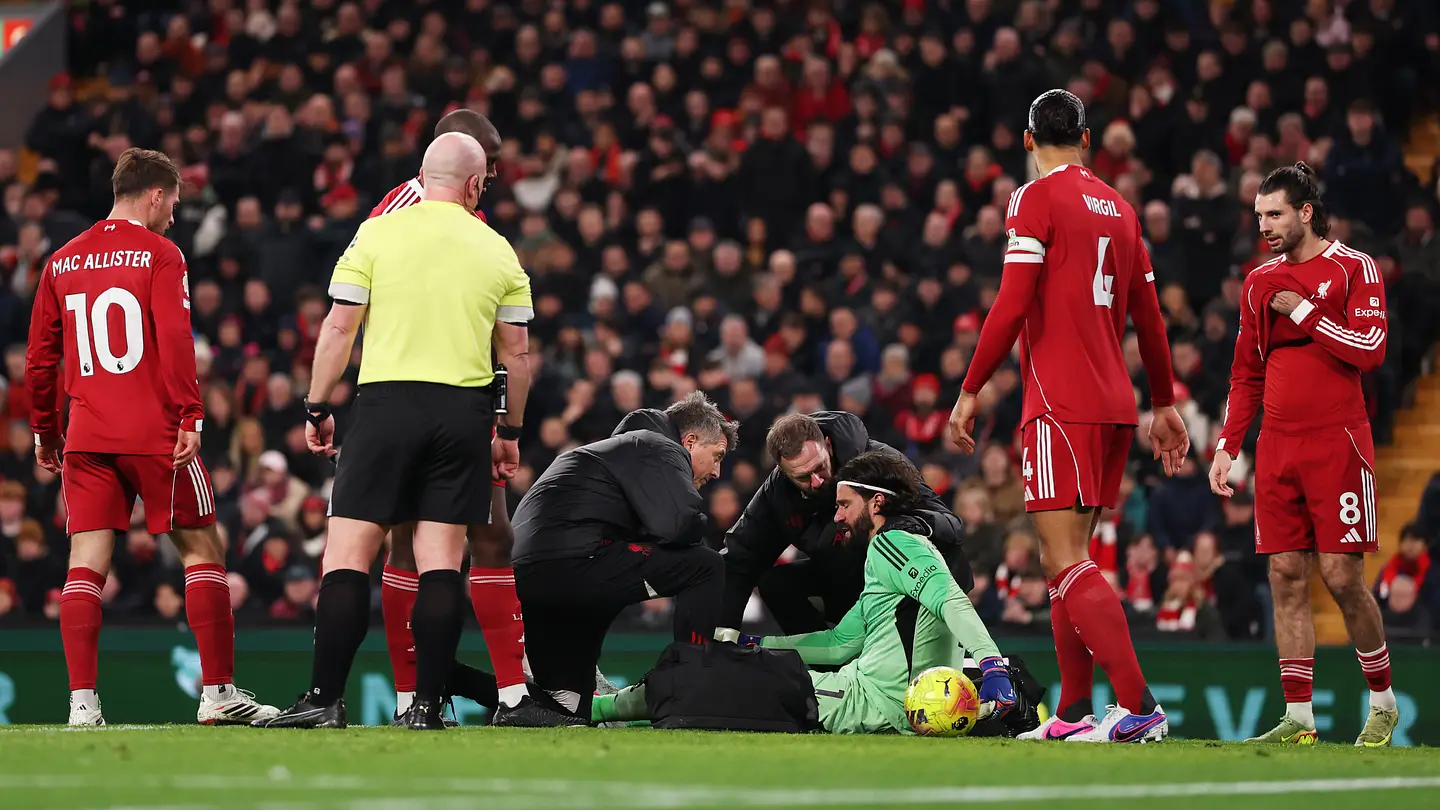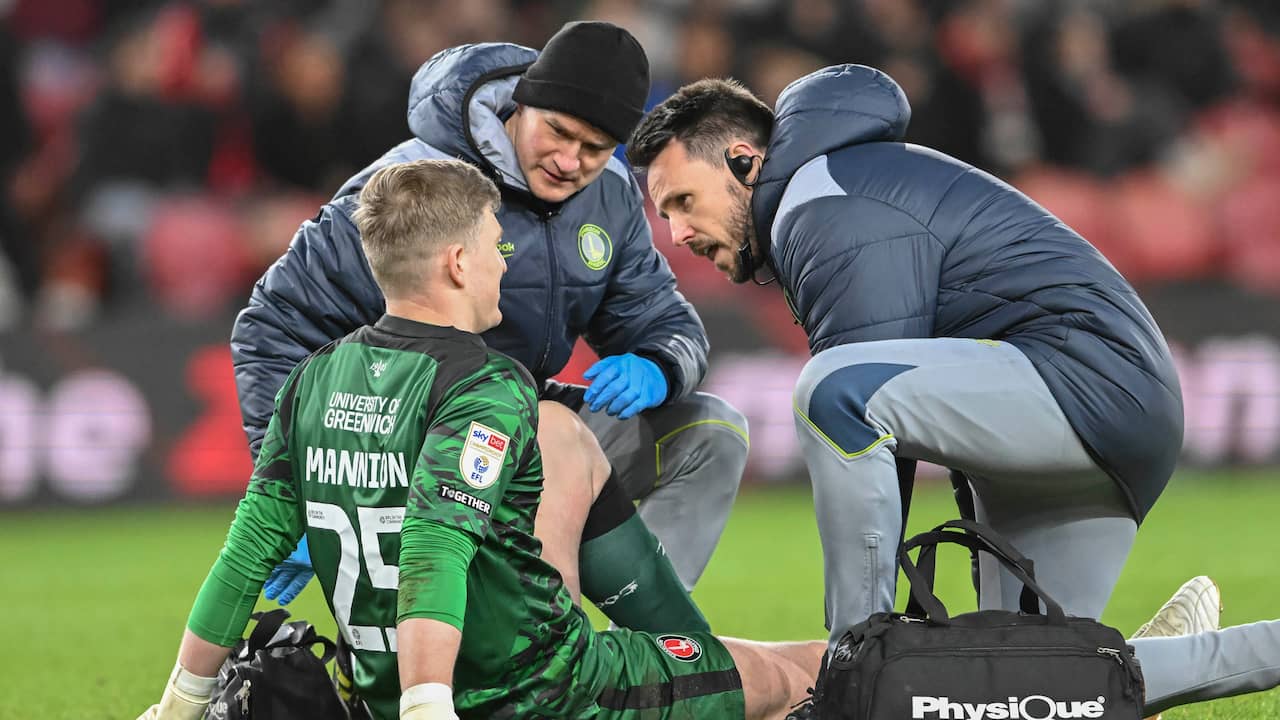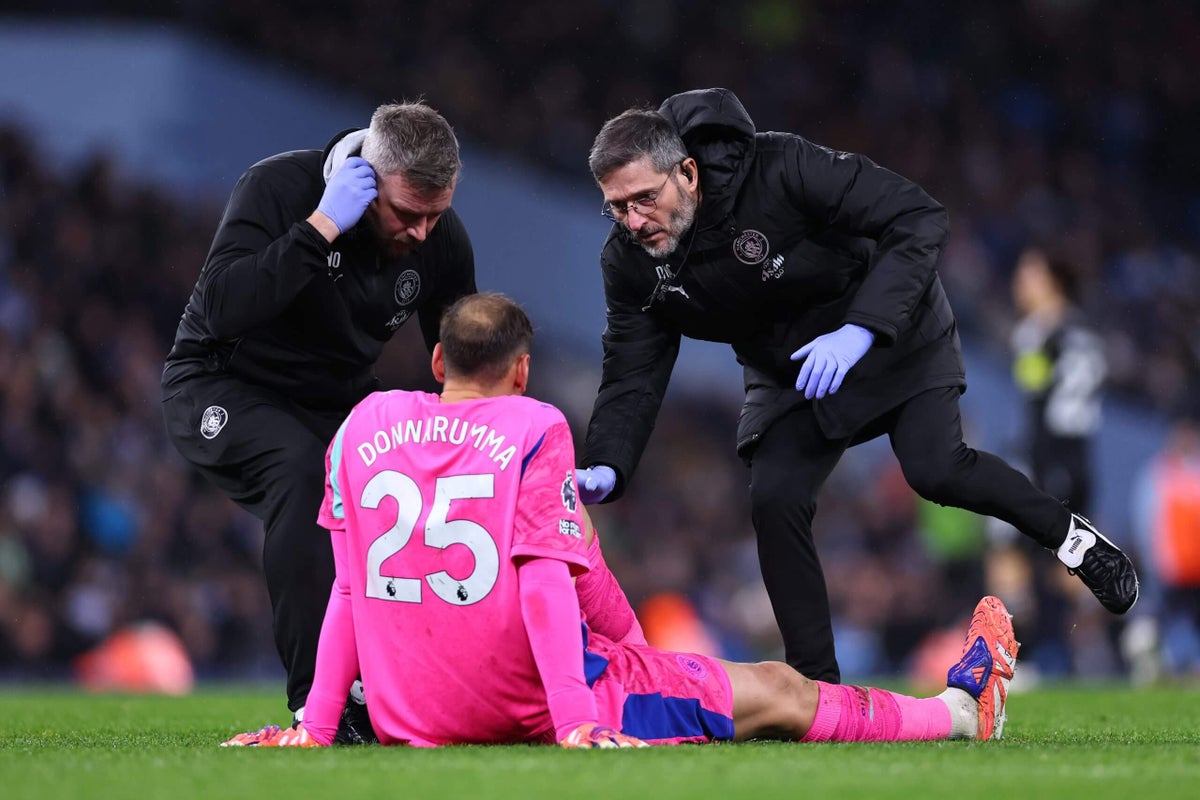
Global football’s law-making body has approved a trial of a measure intended to stamp out the tactic of goalkeepers allegedly feigning injury.English football will implement the trial immediately, which means from next month whenever the referee gives permission for a physio to treat a goalkeeper, that team’s manager must nominate an outfield player to leave the field for one minute.The Zurich-based International Football Association Board (IFAB) has actually approved two variations of the trial, with the English game choosing the nominated-player option, while leagues such as Australia’s A-League will test a version in which the captain always has to leave the field.Under the version which will be used in the English Football League, FA competitions, the National League, the Premier League and Women’s Super League, the manager will have 10 seconds to tell the fourth official who they are choosing to take off, or the captain will be the one who is temporarily removed.IFAB signalled its intention to eradicate these tactical timeouts at its last annual general meeting in February but said it would not approve any trials until after the World Cup.In the meantime, FIFA’s refereeing chief Pierluigi Collina told officials at this summer’s tournament to stop players from going to the technical area whenever there was a stoppage for treatment.English football’s professional refereeing body Pro Ref, which was formerly known as PGMOL, discussed both trial options with the FA and leagues before choosing the nominated-player approach.The spectacle of goalkeepers sitting on the turf, chatting to a physio while their team-mates get drinks and tactical advice from the manager, has become a feature of recent seasons. The tactic has also been used to disrupt the opposition’s momentum during the dying minutes of close games.In November, Leeds United manager Daniel Farke accused Manchester City’s Gianluigi Donnarumma of faking an injury during the second half of their Premier League clash in order to give City boss Pep Guardiola a chance to speak to his players at a point in the match when Leeds had the upper hand.Speaking to reporters after the match, which City won 3-2 thanks to a Phil Foden goal in stoppage time, Farke said: “Why he went down is obvious. It is within the rules. It is smart.“If I like it? If it’s within the sense of fair play? If it should be like this? I will keep to myself. It is up to the authorities to find a solution.”Are £100m midfielders the new normal?Tifo Football and moreAs part of the trial, officials will not stop players from going to the touchline while a goalkeeper is being treated but it is hoped that the prospect of playing with 10 players, particularly in the latter stages of a game, will deter teams from doing so unless the injury is genuine.The logic behind the trial is that outfield players who are treated on the field must go off for one minute. Clearly, sending a goalkeeper to the sideline would be too great a disadvantage, but sending nobody has created a loophole for teams to exploit. This measure, if the trials are deemed to be successful, should close it.There will, however, be exceptions to the need for an outfield player to go off for a minute.For example, if the goalkeeper has collided with another player, has been fouled or there is any fear of a serious injury, including a concussion, no outfield player will be sent to the sideline.If the trials are successful, the measure is likely to be added to the game’s laws in time for the 2027-28 season.
Premier League, WSL, EFL to implement trial designed to stop ‘goalkeeper timeouts’
IFAB, global football's lawmaking body, has approved trials which are aimed at stamping out goalkeeper injury timeouts.
605 words~3 min read