AI and ML
For enterprise agents, less is more
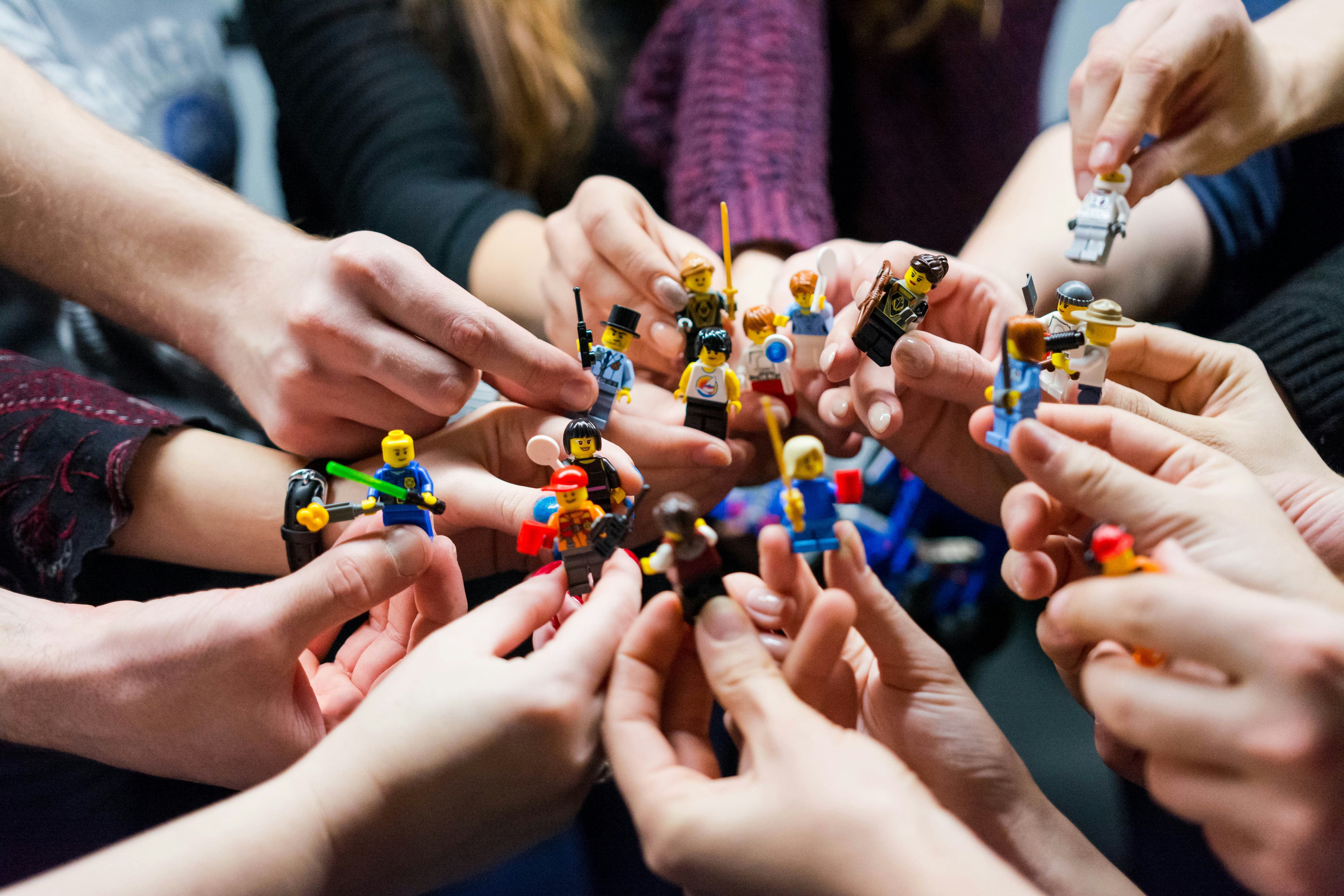
Anthropic and OpenAI have both proposed the deployment of agent armies as a way to maximize the notional benefits of artificial intelligence systems.But the optimal agent workforce isn't necessarily the largest. Researchers affiliated with the NTT Research's Physics of Artificial Intelligence (PAI) Lab and Harvard University's Center for Brain Science (CBS) say there's a point at which enterprise AI agents get in each other's way.Back in 2024, OpenAI used the term "swarm" to describe multi-agent architecture, before settling on a more anodyne term "OpenAI Agents SDK." Anthropic is focused on multi-agent orchestration.
In both cases, the implication is that productivity rises along with the number of agents you run, an idea that means you spend more at OpenAI and Anthropic.
But according to Elizabeth Pavlova, senior data scientist at Harvard CBS, and Hidenori Tanaka, head of NTT's PAI Lab and associate professor at Harvard CBS, adding agents doesn't necessarily improve productivity and may hinder it at some point.The ideal number of agents is 16, they say, at least for the Flag Game used to assess multi-agent interaction. With fewer than 16 agents, the software cannot gather enough evidence to reach a consensus decision. With more than that, the agents become polarized and split into opposing camps.In a paper scheduled to be presented at the ICML 2026 Workshop AI4GOOD, Pavlova and Tanaka describe the Flag Game, which is intended to measure the tension between an agent's private evidence and how that gets reconciled with social input from other agents.The goal of the game is to guess a national flag for which each agent has only a fractional view.Distributed systems require some consensus mechanism in order to work together. So the agents are allowed to communicate with each other.