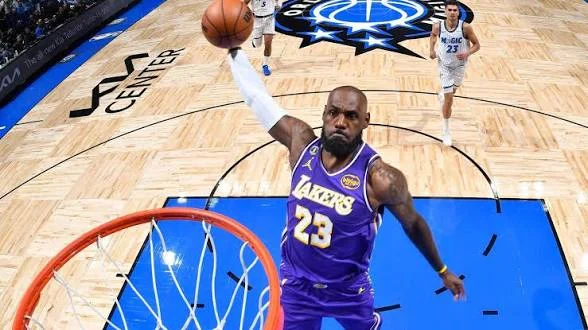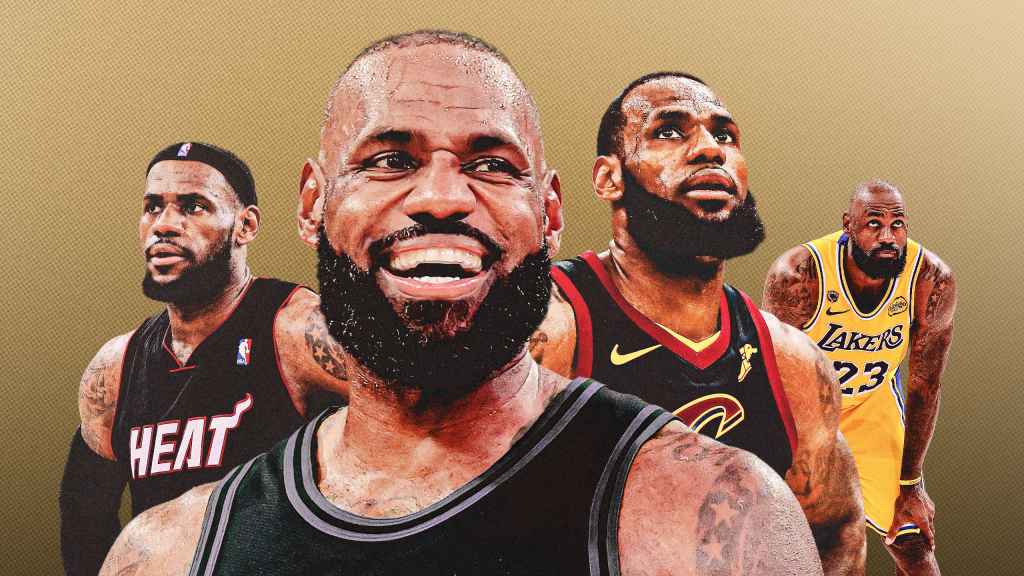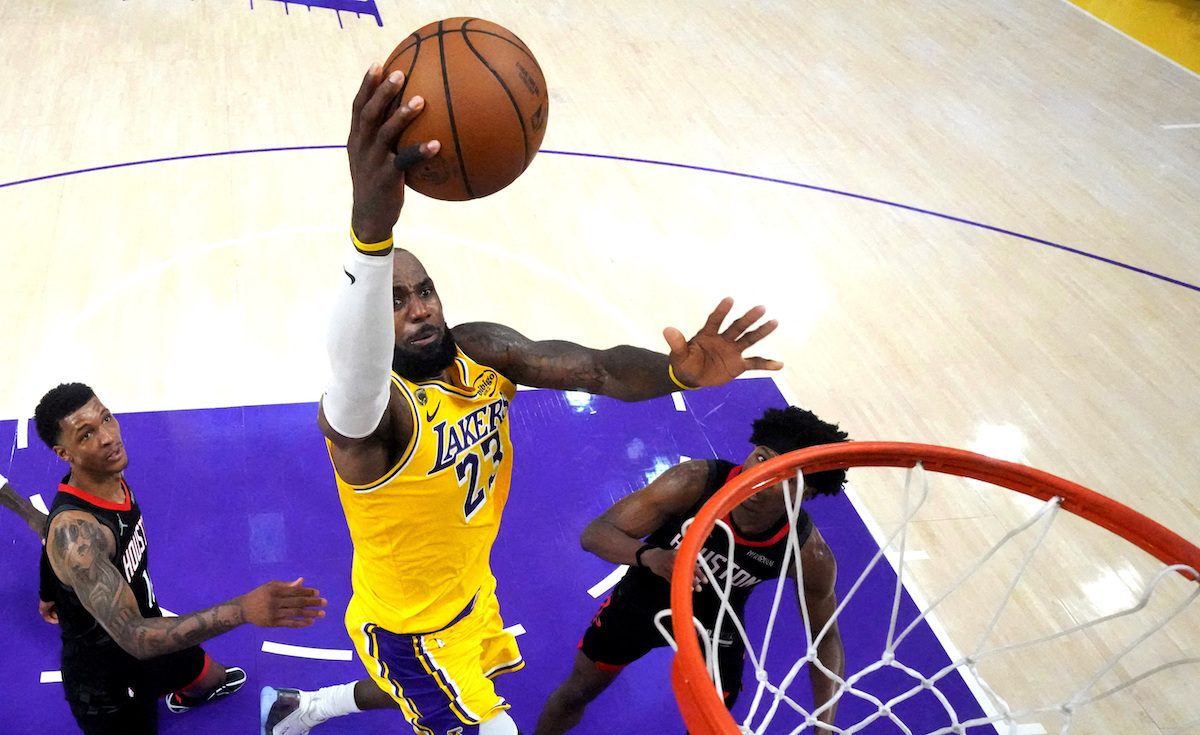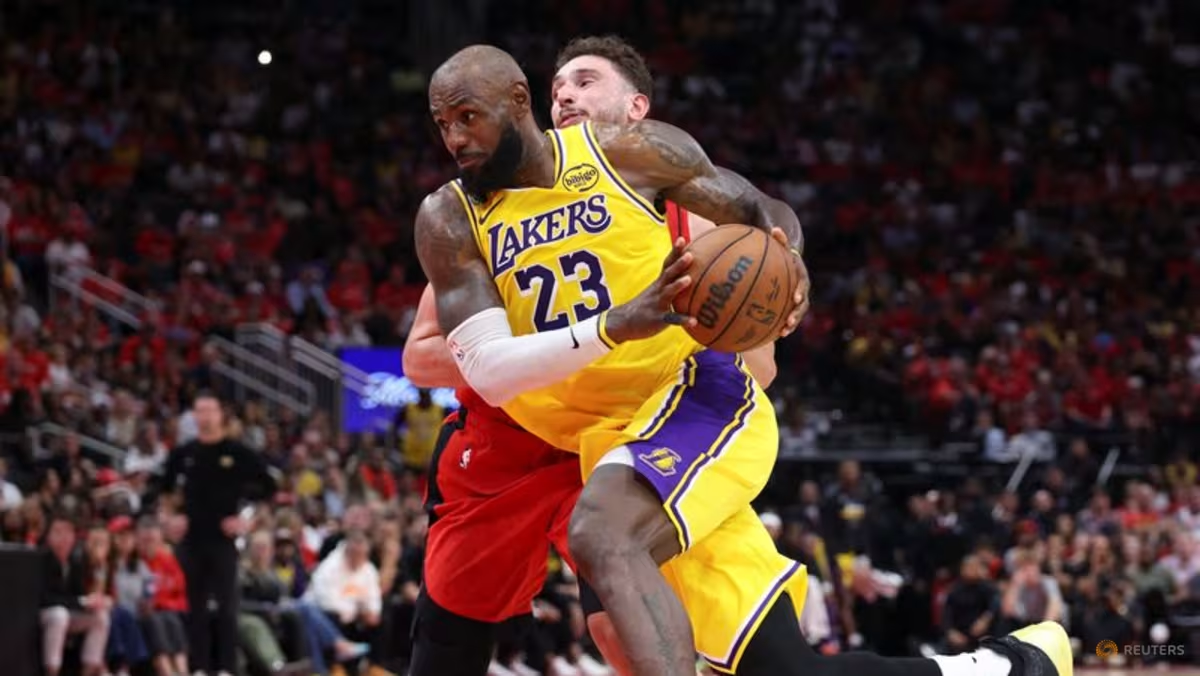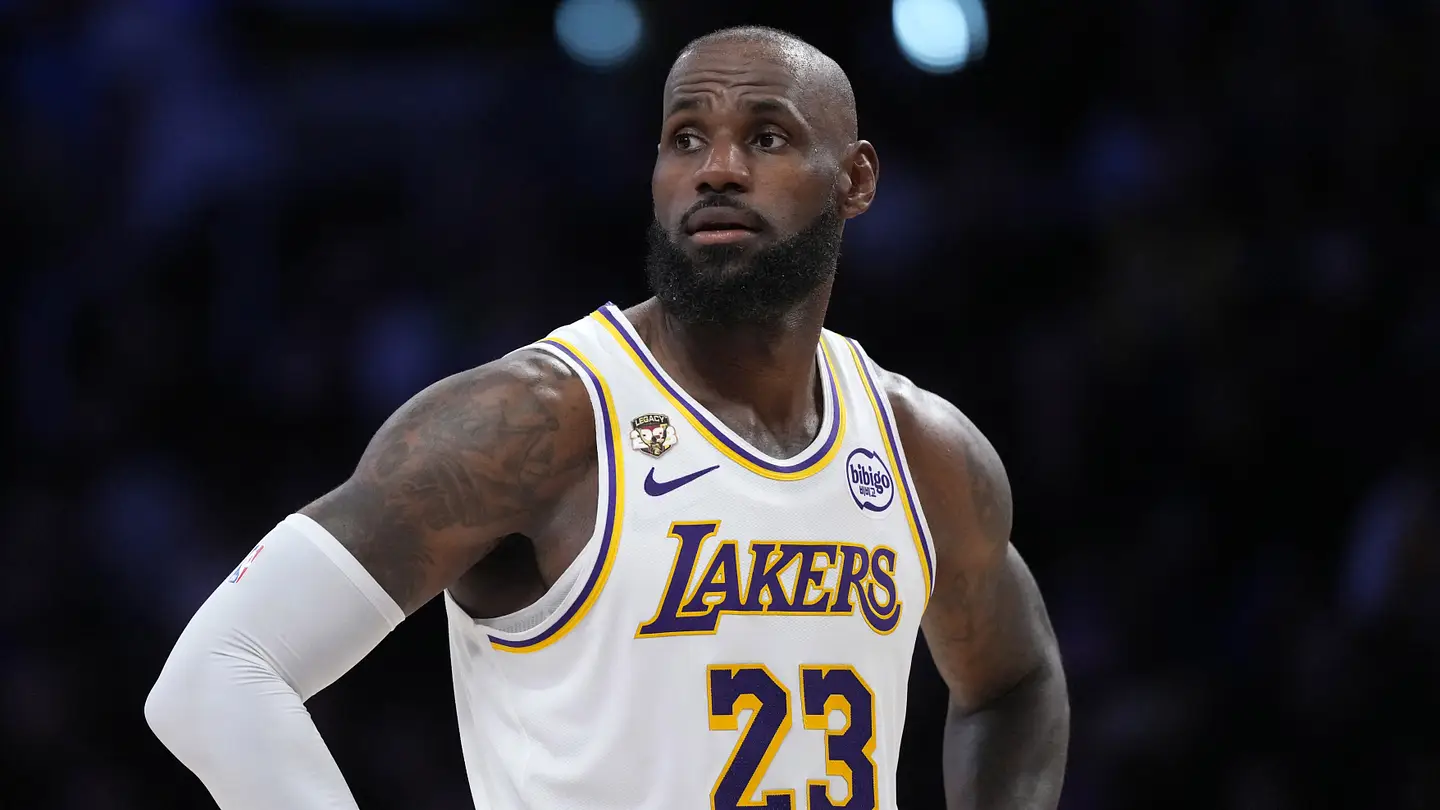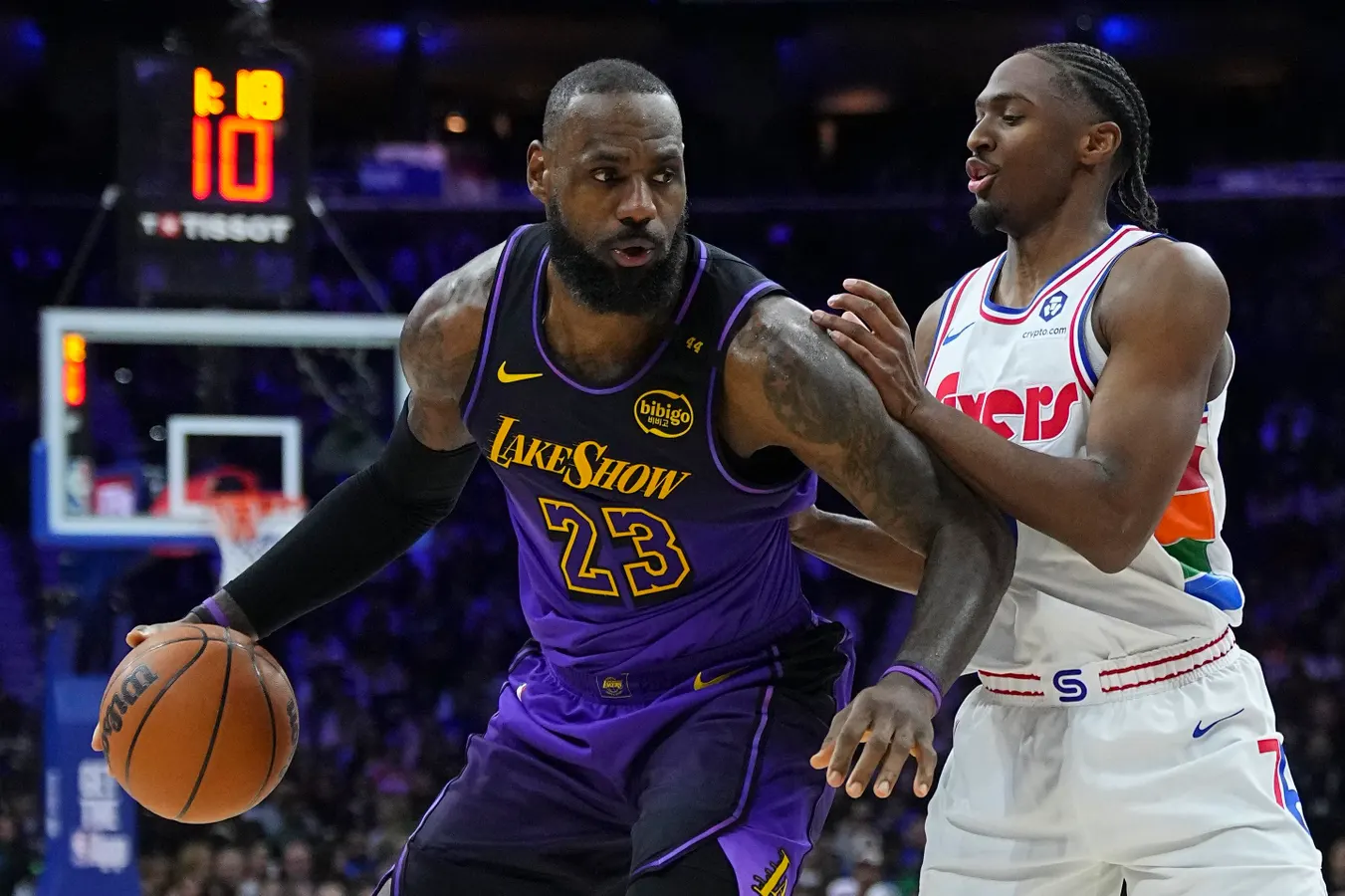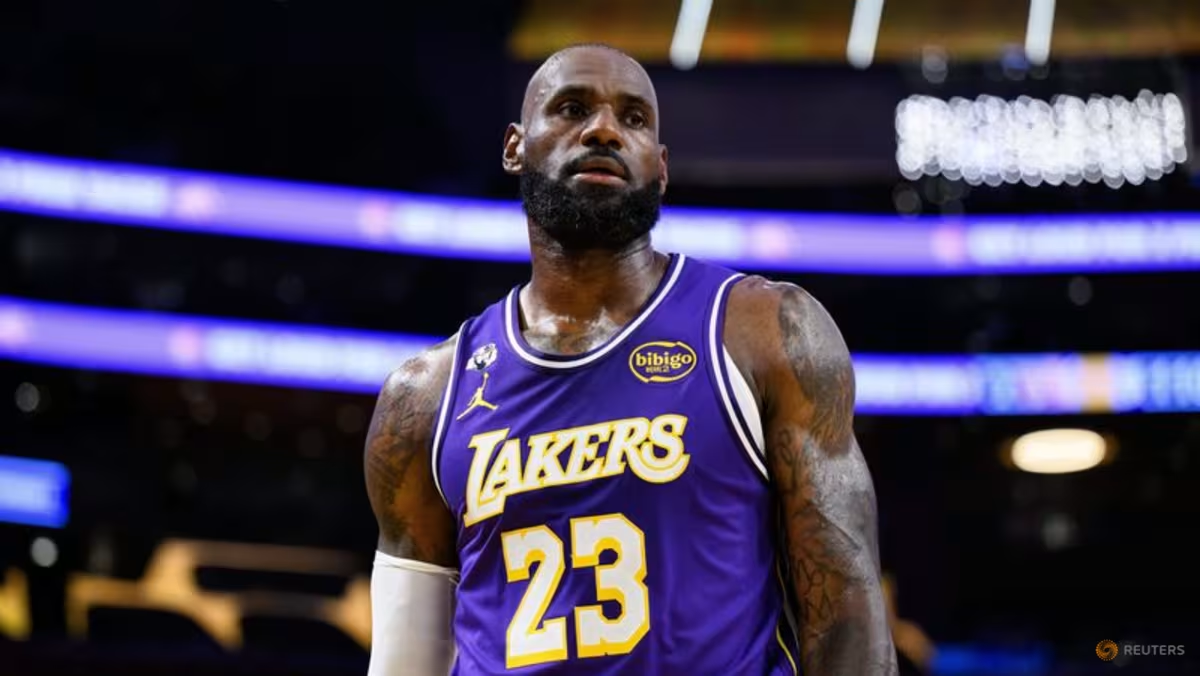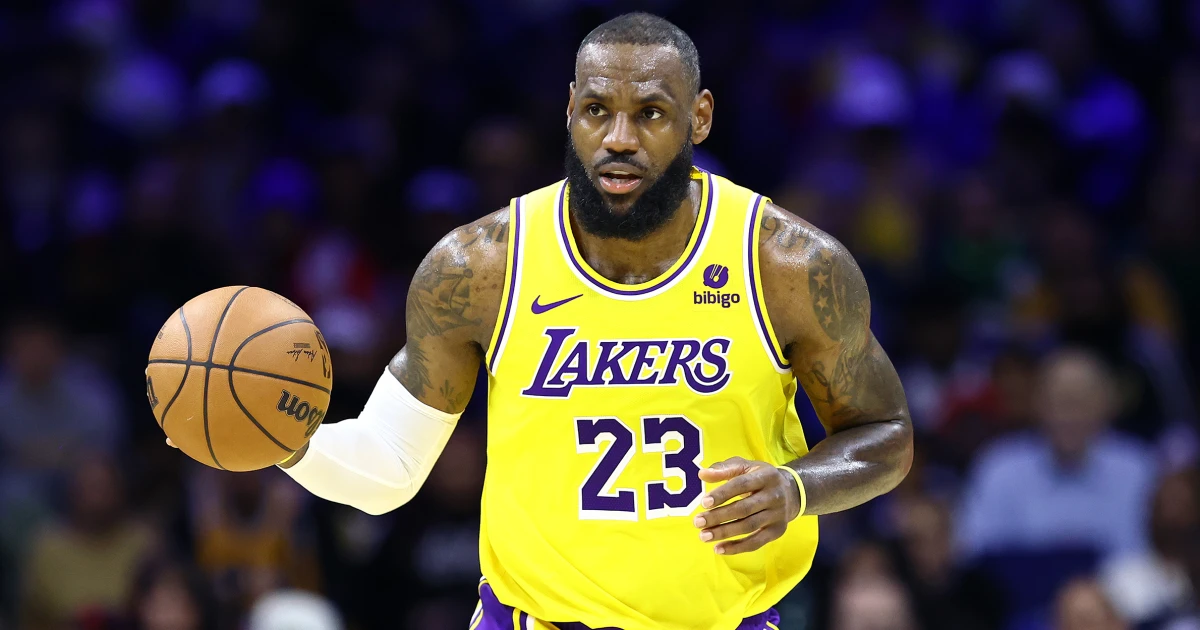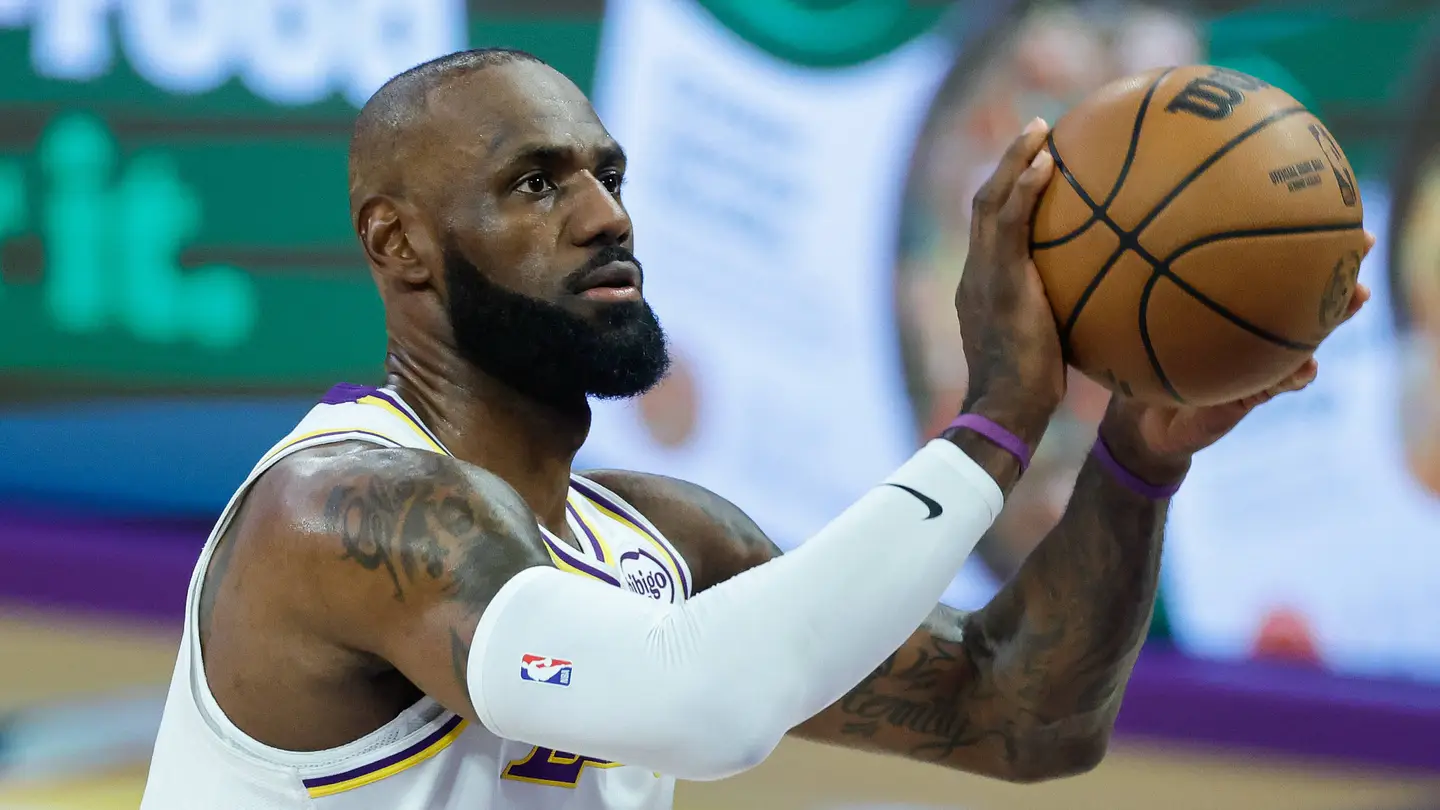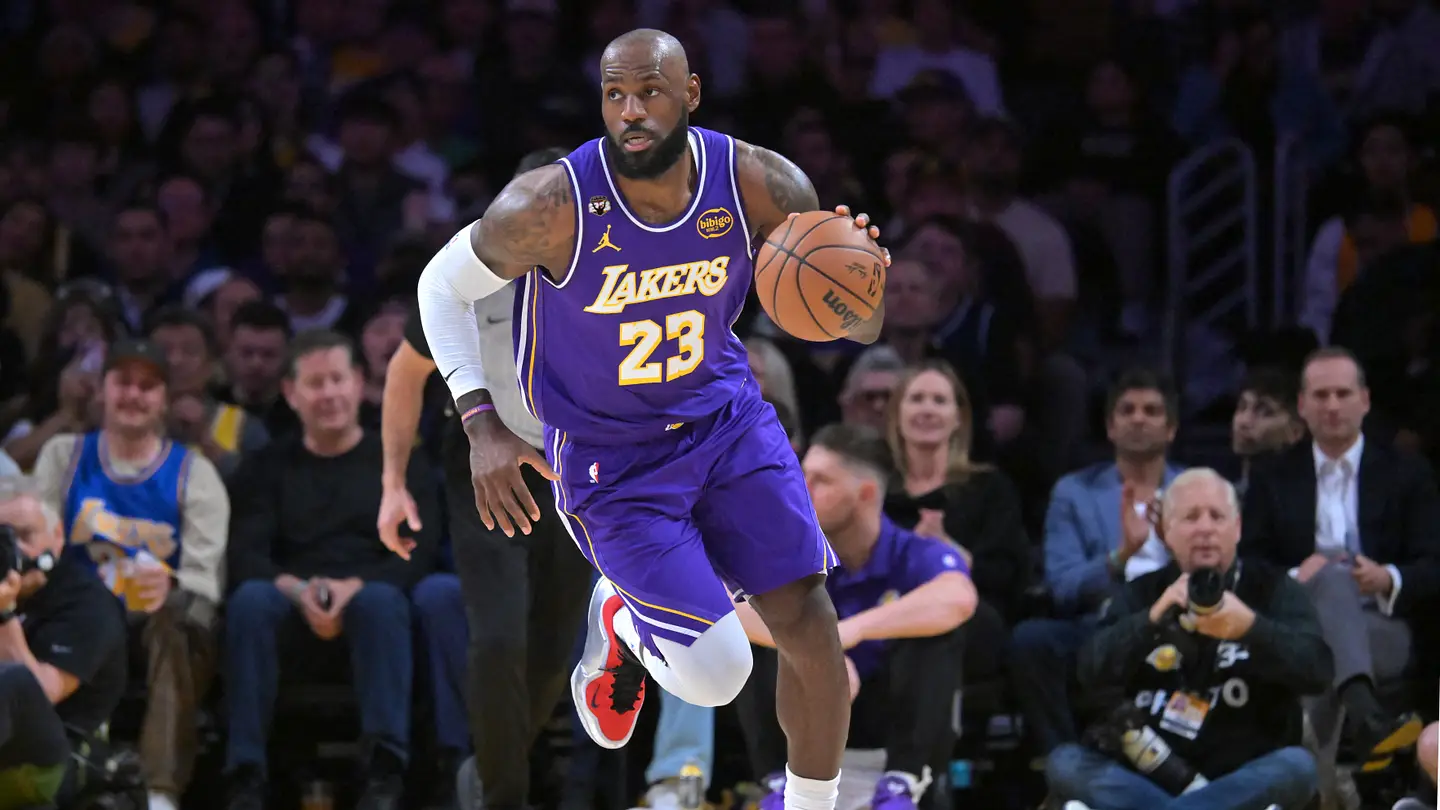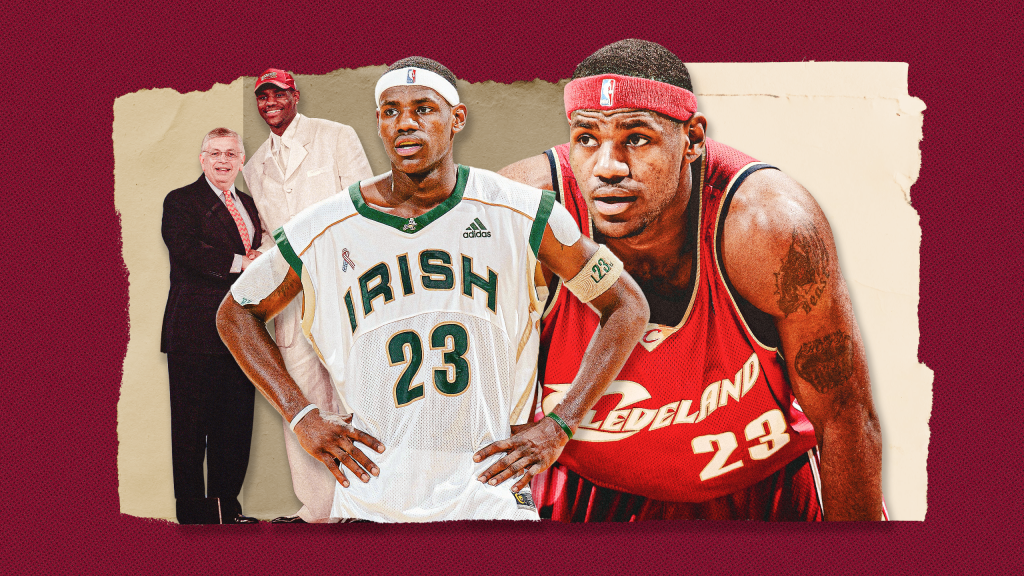
LeBron James signing with the Philadelphia 76ers for what will be his record-breaking 24th NBA season is a reminder of how different the sport was when his career began, when he launched straight from high school to the pros in 2003.
That was nearly two decades before college athletes, let alone high school basketball players, could sign NIL deals without forfeiting their eligibility.
The idea that schools might directly pay college athletes, whose jerseys sometimes generated millions of dollars in sales, through a revenue-sharing model would have been scoffed at in 2003.
Further, the notion of a transfer portal, allowing college athletes to move an unlimited number of times in pursuit of more NIL money offered by programs, would have seemed unrealistic and harmful to higher education.
Back then, high school and college athletes were amateurs, even as their labor and visibility fueled a billion-dollar industry that enriched coaches, athletic directors, staff, television networks and sneaker companies.