The bar for a U.S. Federal Reserve (Fed) interest rate hike this week is likely higher than rate futures markets suggest, owing not only to softer-than-expected inflation data and a fresh easing of hostilities between the U.S. and Iran, but also to concerns that markets would interpret a single hike as a sign that more increases are ahead.
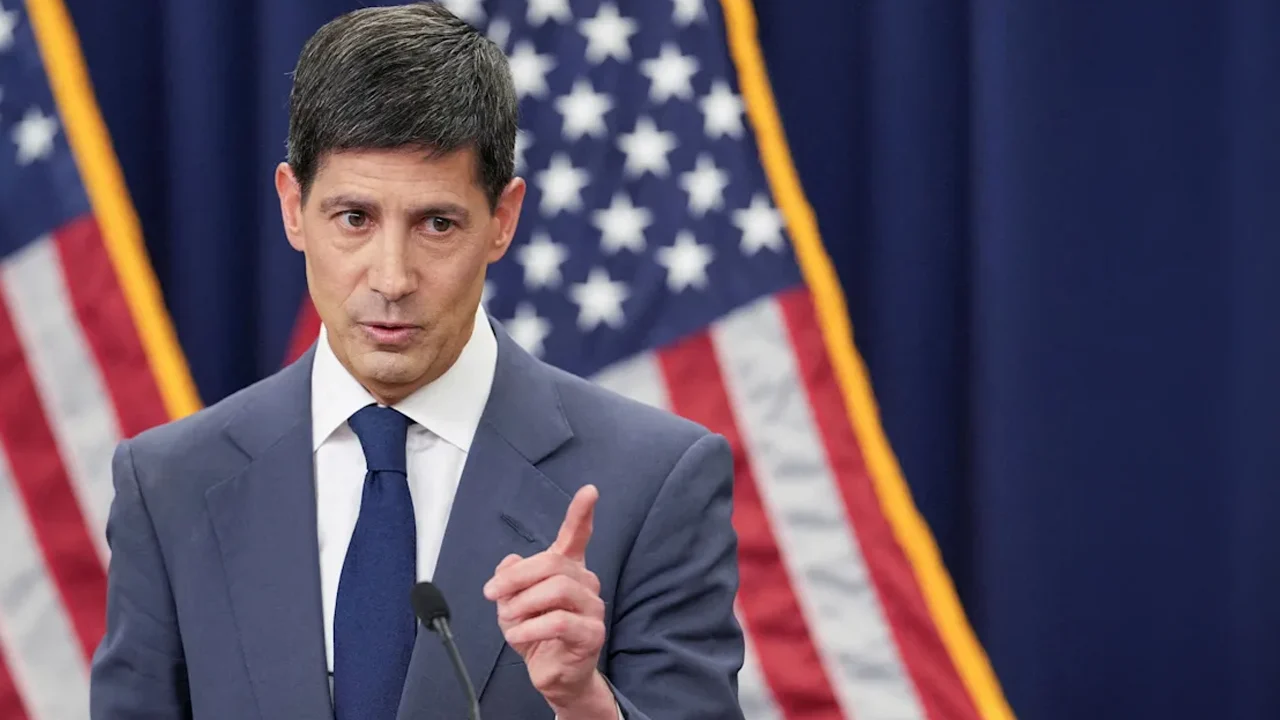
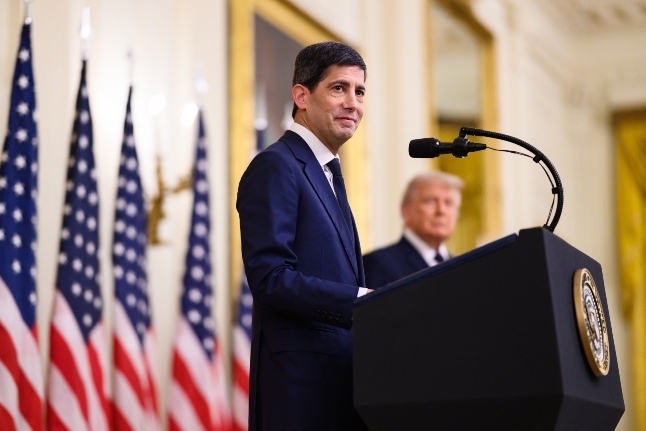
Going into the July 28-29 policy meeting, just the second one led by Fed Chair Kevin Warsh, the U.S. central bank had left its benchmark policy rate unchanged in the 3.50%-3.75% range since December.
The probability for a hike this week, as reflected in rate futures prices, had been growing on the renewed rise in energy prices and the hawkish intonations of a number of Warsh's colleagues.
If history is any guide, though, when the Fed hikes or cuts rates after an extended hold, it keeps going in the same direction for at least a few meetings, and policymakers may not be quite ready to send that signal.
"They don't usually do a one-and-done, so it really means ... the (policy) committee has to decide whether they're going to commit to a sequence of rate increases," said James Bullard, who led the St. Louis Fed from 2008 until 2023 before becoming the dean of the Mitch Daniels School of Business at Purdue University. "I don't think they're ready to do that at this meeting."