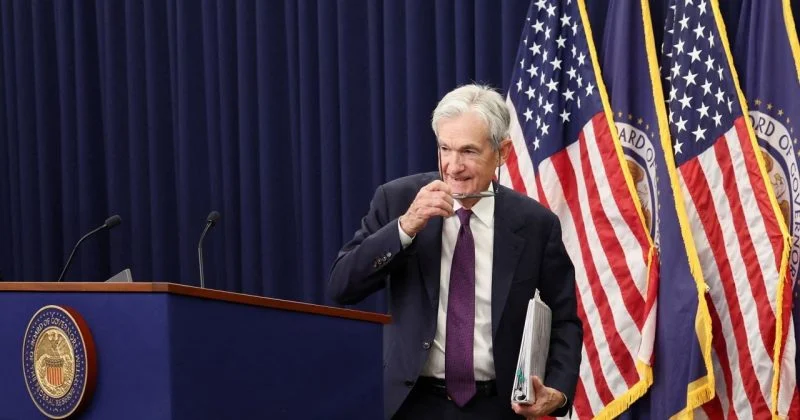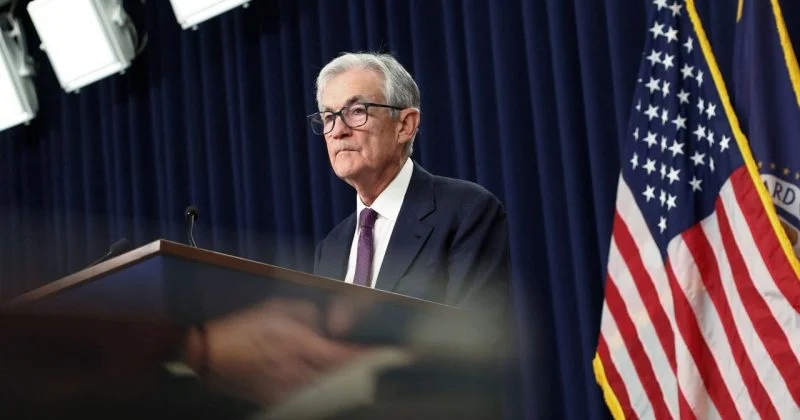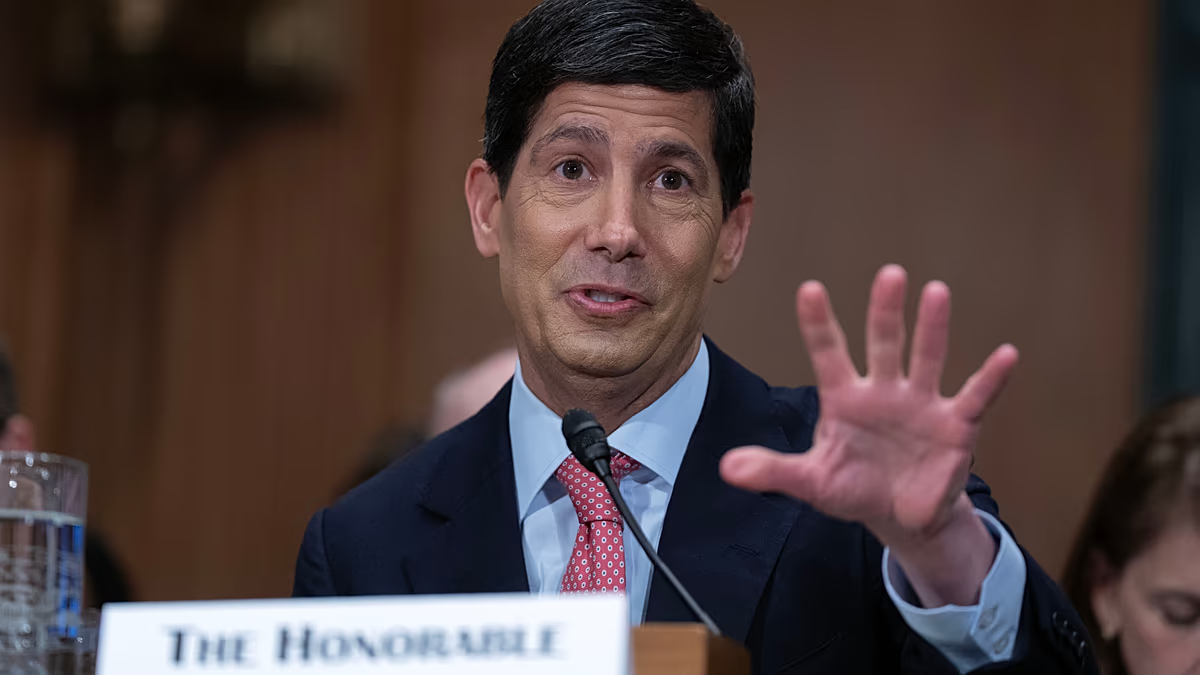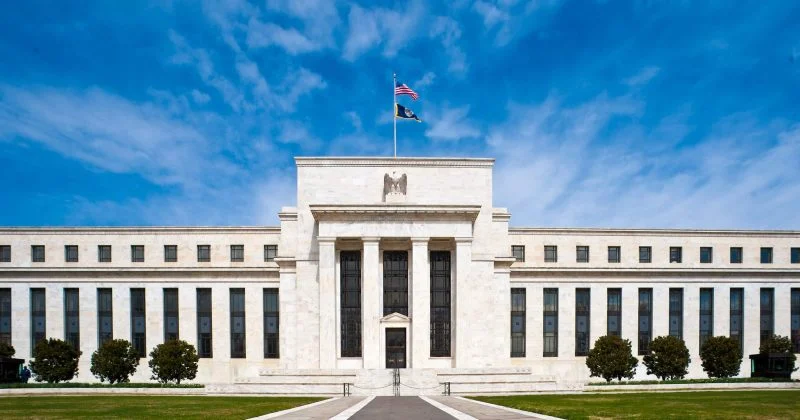
The US Federal Reserve is widely expected to keep interest rates unchanged at its July policy meeting despite inflation climbing to its highest level in three years, according to market pricing and Reuters calculations based on futures trading.Investors trimmed expectations of a July rate increase after the latest inflation data, with CME Group's Fed funds futures indicating roughly a 30% probability of a hike at the July 28-29 meeting, down from nearly 40% earlier in the day. However, markets continue to assign a strong likelihood—around 80%—that policymakers will raise rates at their September 15-16 meeting, reflecting concerns that inflation remains well above the central bank's target.Data released by the US Commerce Department's Bureau of Economic Analysis showed that the Personal Consumption Expenditures (PCE) Price Index, the Federal Reserve's preferred inflation gauge, rose 4.1% in the 12 months through May. The reading marked the fastest annual increase since April 2023 and remained more than double the Fed's long-term inflation goal of 2%.Core inflation, which excludes volatile food and energy prices, also remained elevated. The core PCE Price Index increased 3.4% year-on-year in May, compared with 3.3% in April, indicating that underlying price pressures have yet to ease meaningfully.According to Reuters, the latest inflation figures reinforce the view that the Federal Reserve's battle against inflation is not yet complete. At the same time, economists noted that monthly core inflation did not accelerate, suggesting that underlying price pressures may not be worsening significantly.Recent declines in energy prices could also provide policymakers with some breathing room. Oil prices have retreated to levels seen before the Iran conflict after high-level peace talks held in Switzerland earlier this week, reducing concerns about sustained energy-driven inflation.The easing in fuel costs is expected to temper headline inflation in the coming months, allowing the Federal Reserve to remain patient while assessing incoming economic data. Nevertheless, persistent core inflation means policymakers are unlikely to declare victory over price pressures anytime soon, leaving the door open for a potential rate hike later this year.Markets will now closely monitor upcoming inflation, employment, and consumer spending data for further clues on the Fed's policy path, with September increasingly emerging as the key meeting for any interest rate adjustment.
US Stock Market: Sticky inflation keeps September Fed rate hike on table despite July pause expectations
US Federal Reserve is expected to hold rates steady at its July meeting despite inflation hitting a three-year high. Markets see a possible pause now, but still price in a higher chance of a rate hike in September as core inflation remains elevated.
365 words~2 min read