A recent discussion hosted by the Middle East Solar Industry Association (MESIA) found the next phase of Algeria’s solar expansion will be shaped by gas economics, procurement design, grid readiness and whether the country can turn its 15 GW target into bankable projects.
Algeria’s solar story is often described through its resource potential: strong irradiation, large land availability, and proximity to Europe. Those fundamentals matter, but they are no longer the most useful way to assess the market. Most North African countries have good solar resources. The real question is whether those resources can be converted into bankable, grid-ready, and locally executable projects.
That was the central point emerging from MESIA’s recent discussion on Algeria’s solar market. Algeria is not facing the same transition logic as some of its neighbours. Morocco moved early partly because imported energy created a direct economic vulnerability. Tunisia is trying to split the burden between private generation and utility-led grid readiness. Algeria’s driver is different. Its gas is domestic, deeply linked to export value, and still central to the power system.
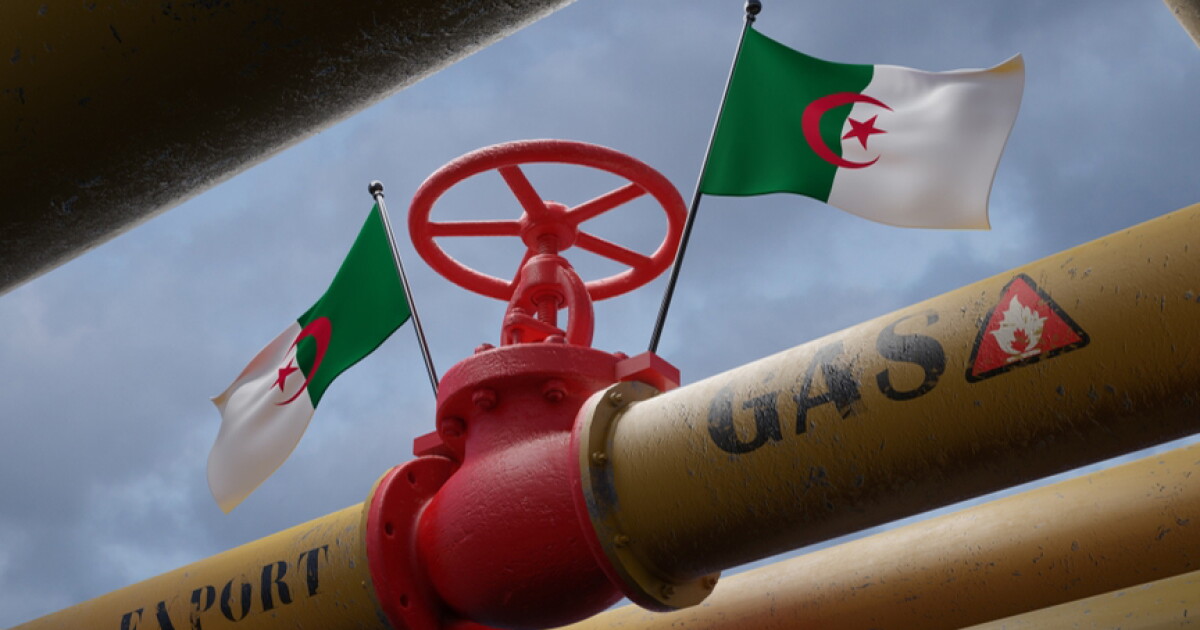
Boukhalfa Yaici, Director of Algeria Green Energy Cluster, framed the renewable transition as a question of energy sovereignty and economic logic rather than environmental preference alone. In his presentation, he noted that every megawatt-hour generated from solar or wind is a megawatt-hour of gas that can be preserved for export or higher-value industrial use. That distinction matters. Solar in Algeria is not simply a climate tool. It is a way to manage demand growth, protect gas value, diversify the power mix, and prepare for a more carbon-conscious export environment.