In May 2026, U.S. solar power hit a historic milestone by generating more electricity than coal for the first time, but rapid industry expansion brings critical security risks, particularly during construction, that require scalable and proactive physical defense strategies to protect valuable assets.
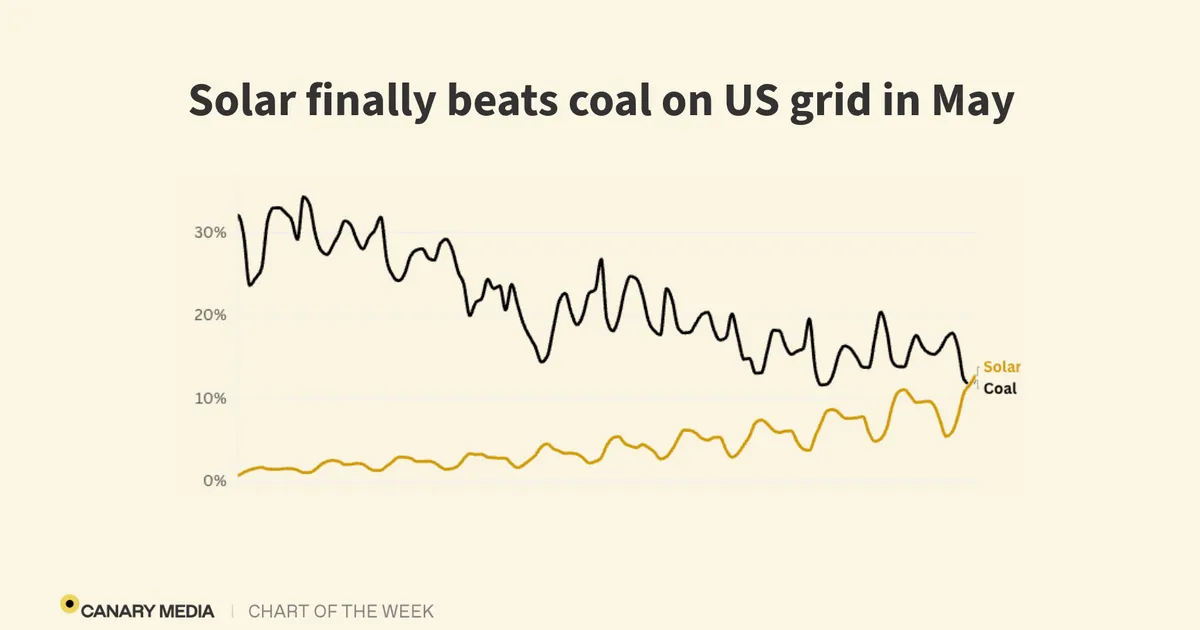
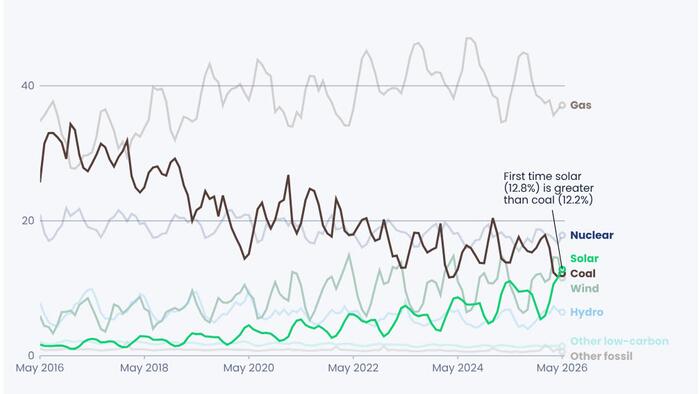
In May 2026, solar broke a record by doing something it had never done before in the United States: it generated more electricity than coal. According to data analyzed by energy think tank Ember, solar contributed 12.8% of the country’s electricity in May, beating out coal’s 12.2%. Additionally, solar became the third-largest source of power in the U.S., behind natural gas and nuclear.
Such a milestone provides a welcome stroke of validity to the industry. A win like this, though, measures capacity that’s already built, commissioned, and generating revenue. It doesn’t project the solar farms under construction or what the next broken record will look like. And it doesn’t say anything about whether the physical security plans for solar sites are keeping pace with how fast the industry is growing.
Solar buildout continues despite obstacles
The solar industry hasn’t experienced linear growth, and interruptions in policy can affect how the industry is set to continue growing. According to the Solar Energy Industries Association (SEIA), more than 450 solar and storage projects were bottlenecked by a slowdown in permitting.