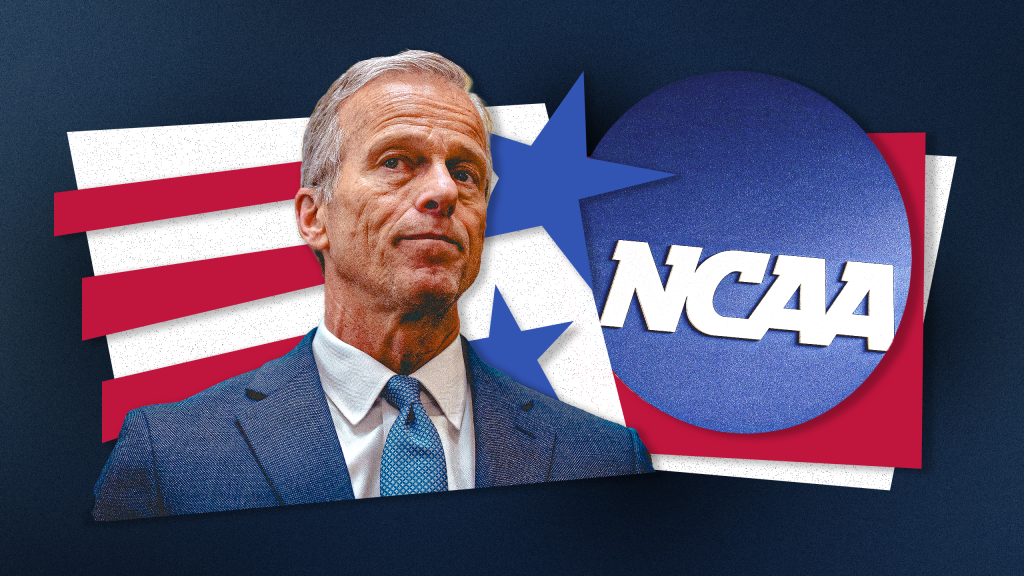
U.S. Senate Majority Leader John Thune (R-S.D.) acknowledging that a vote on the Protect College Sports Act (PCSA) is unlikely to happen before the Senate takes a five-week recess beginning Aug. 7 means more lawsuits against the NCAA are probably on the horizon.
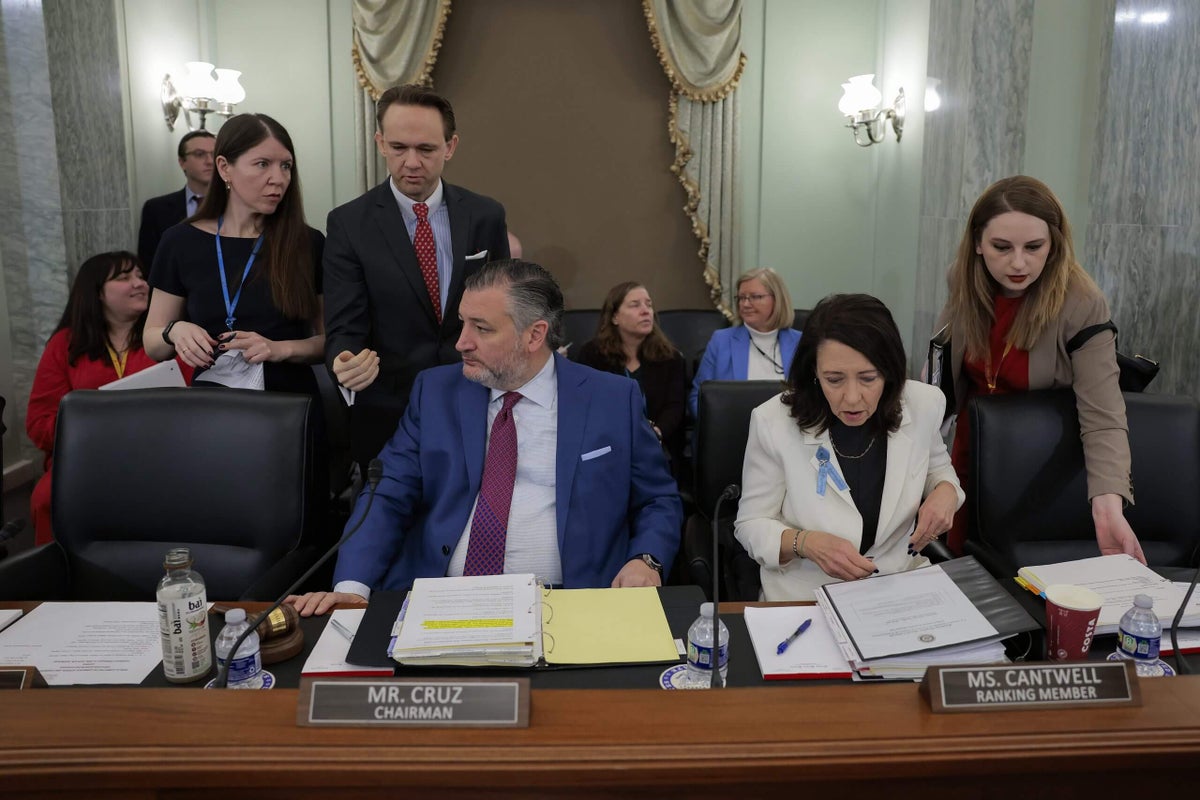
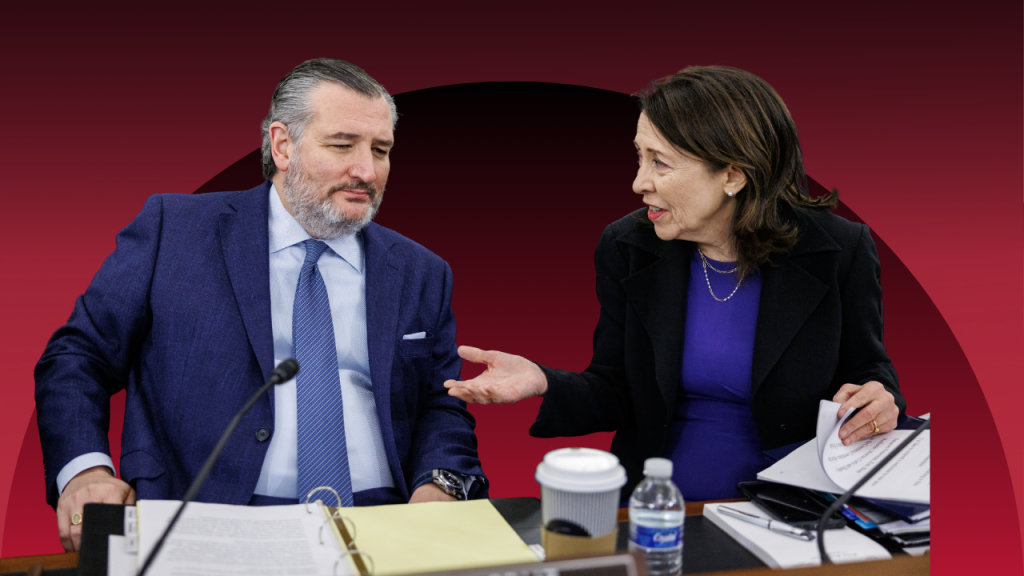
The PCSA, a bill sponsored by Sen. Ted Cruz (R-Texas) and Sen. Maria Cantwell (D-Wash.)—the chair and ranking member, respectively, of the Commerce Committee—would provide the NCAA and its members with a targeted antitrust exemption related to eligibility and transfers, media rights pooling and a hard cap on school spending, among other components.
If it became law, the PCSA would disarm antitrust-based eligibility lawsuits brought by college athletes whose NCAA eligibility has expired and who want to keep playing so they can earn NIL and revenue share money.
If the PCSA, or some other bill that provides an antitrust exemption, doesn’t become law, there will continue to be eligibility lawsuits filed in courts across the country and unlimited transfers will remain a feature of college sports.
While some critics blame the athlete-plaintiffs and their attorneys for bringing chaos to college sports, the reality is that NCAA member colleges are as much, if not more, to blame. These schools are contractually required to follow NCAA rules, yet some brazenly create incentives for athletes to sue the NCAA by promising roster spots if they can defeat the NCAA in court.