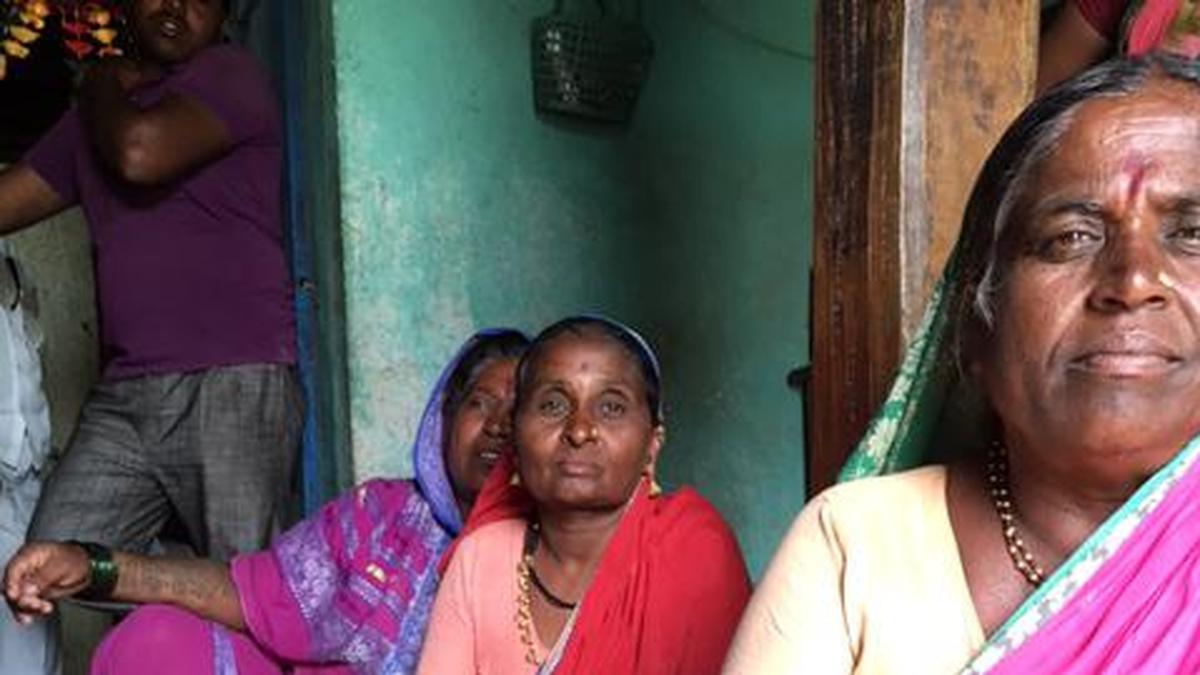
Premature menopause means periods stop before age 40, which raises the risk of heart disease, osteoporosis, memory problems, and mood disorders because of early loss of oestrogen. Image used for representational purposes only
| Photo Credit: ROLI SRIVASTAVA
While menopause typically occurs around the age of 50, data shows that a large number of women in Bihar experience menopause in their thirties. This phenomenon appears to be influenced more by prevailing medical practices than by biological factors, disproportionately affecting socioeconomically disadvantaged women in the State.Consider what this means in a single life. A woman of 34 in a Bihar district, treated for heavy or painful periods, is offered not medication and follow-up care, but an operation, and, with insurance being guaranteed, she takes it. Her uterus is removed; sometimes her ovaries with it. She leaves, believing a problem has been solved. What she has, in fact, acquired decades early, is the body of a post-menopausal woman: the raised risk of heart disease and bone loss that oestrogen had been holding back. She was not told this was the trade-off.What the data showsPremature menopause means periods stop before age 40, which raises the risk of heart disease, osteoporosis, memory problems, and mood disorders because of early loss of oestrogen. Globally, about 2-4% of women are affected. In Bihar, though, women aged 30 to 34 experience it at over four times the national average, and more than 12% of women aged 35 to 39 have already gone through menopause.National Family Health Survey (NFHS-5) data show that a large proportion of premature menopause cases in Bihar are attributed to surgical menopause, also known as hysterectomy. Surgical removal of the uterus, often accompanied by removal of the ovaries, results in immediate menopause. Thus, the high rates of premature menopause in the State are a reflection of the prevalence of such surgical procedures.Bihar is not alone in performing hysterectomies young: Andhra Pradesh and Telangana record high rates too, and research has linked this phenomenon to the availability of State insurance schemes and over-treatment at private hospitals. What sets Bihar apart is that even after surgical cases are set aside, its rate of premature menopause remains far above the national average. Something beyond the operating table is at work, and it is specific to the State.Wealth is no protectionOne would expect limited access to protect socio-economically disadvantaged women from surgery. It does exactly the opposite. Nationally, women with the least education reach menopause early at roughly seven times the rate of the most educated, and the same gradient runs through Bihar. But the State departs from the national pattern in one significant way: across most of India, wealthier women are less likely to reach menopause early; in Bihar, wealth offers no such protection. Whatever is driving this cuts across income, a sign that the problem is built into how care is delivered, not into who can afford it.An important factor contributing to the high numbers of hysterectomies is health insurance coverage. This counterintuitive association may be explained by the structure of reimbursement, which incentivises surgical procedures over conservative management options such as patient counselling, medication, and follow-up care for conditions like bleeding disorders. The medical literature refers to this phenomenon as supply-side moral hazard, and the data suggest that women in Bihar are experiencing its effects.Early evidence points towards the poor quality of reproductive surgical care provided to women from socio-economically disadvantaged groups. In addition to this, mass sterilisations are conducted in facilities with poor infrastructure without proper informed consent, and untreated complications that may necessitate further surgical intervention. In some cases, unsuccessful sterilisation procedures result in chronic infection or pain, ultimately leading to hysterectomy. These patterns indicate a systemic issue in the management of women’s reproductive health in the State.Looking behind the numbersUnderstanding these results however, needs an important point to be considered: NFHS-5 survey data was used to conduct this study, and since only one cross-sectional round was used, causality cannot be established. However, the associations are consistent and robust across the indicators. Some cases may reflect women with pre-existing health conditions opting for surgery; but the disproportionate prevalence of hysterectomy among women with lower education and income levels suggests that systemic factors, rather than individual choice, are primarily responsible for the observed outcomes.These numbers have been sitting in a national survey the whole time, and no one has looked hard at what they say about Bihar. The high prevalence of premature menopause in Bihar should not be interpreted as a statistical outlier. Rather, it reflects the outcomes of a healthcare system that prioritises procedural intervention over comprehensive reproductive care for socioeconomically disadvantaged women. This is likely to have adverse long-term effects on the health and well-being of these women.(Karan Babbar is an assistant professor of Economics at XLRI, Jamshedpur. phd17karanb@iima.ac.in) Published - July 28, 2026 04:36 pm IST