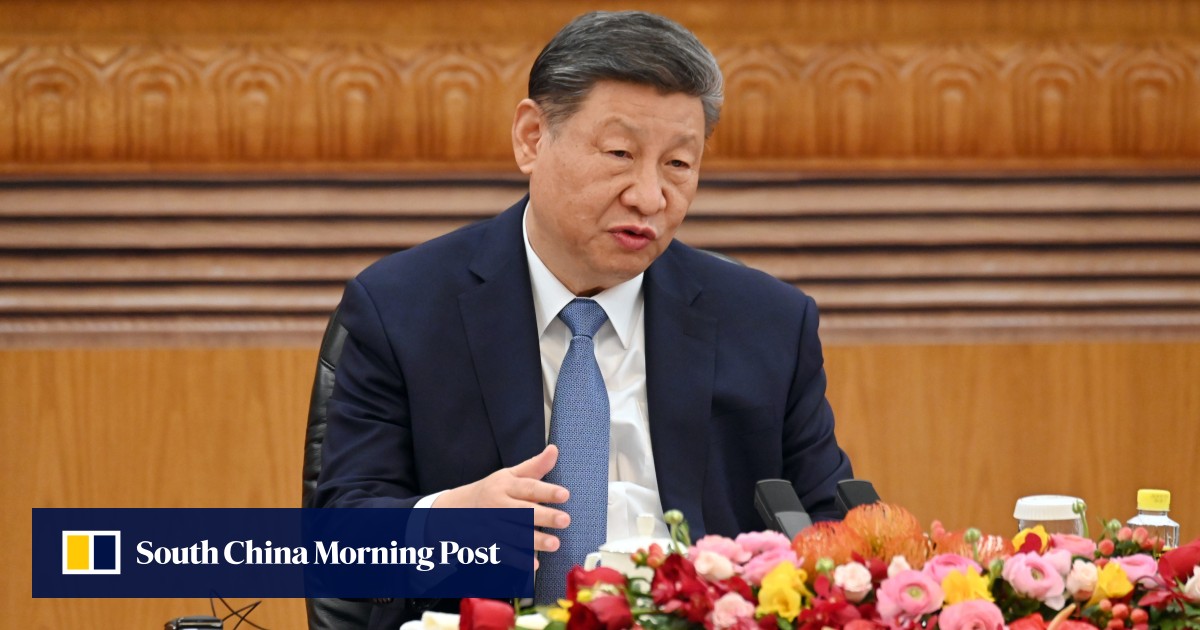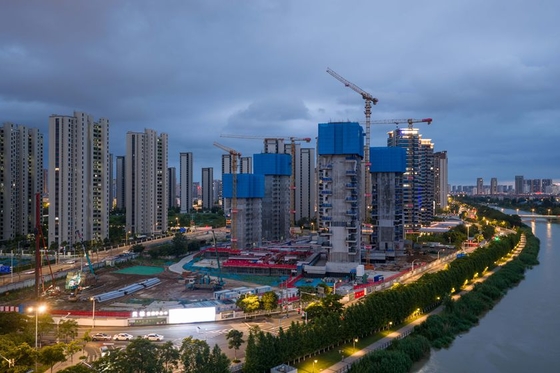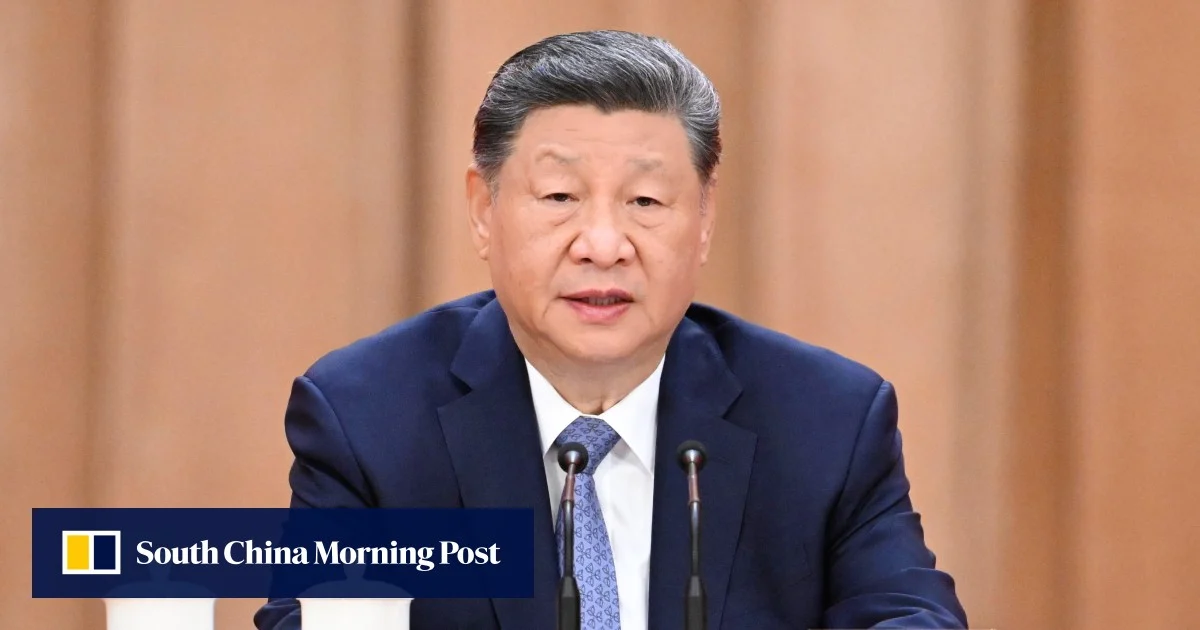
China’s top leadership, at a high-level Politburo meeting, committed to maintaining steady and flexible macroeconomic policies for the remainder of 2025, amid slower growth in the property market, weakening exports, and persistent structural economic challenges. Despite these headwinds, China’s GDP grew a robust 5.3% in the first half of the year, which has led policymakers to emphasize policy “continuity and stability” alongside “flexibility and foresight” as they aim to balance short-term needs with longer-term goals[para. 1][para. 2].The Politburo directed that fiscal and monetary policies should “continue to exert force and be enhanced when appropriate” to support achieving full-year growth and social development objectives. This indicates a shift to a wait-and-see stance after the stronger-than-expected first-half economic performance. Analysts, including Capital Economics, observed that the urgency for new large-scale stimulus has lessened, as growth already hit 5.3% and external economic pressures have eased. Beijing is now seen as likely to delay significant interventions unless economic indicators deteriorate later in the year[para. 3][para. 4].Markets predict any new economic measures will likely come in late Q3 or early Q4, with global institutions such as UBS projecting only modest and targeted support. In the meantime, officials are pushing for faster government bond issuance, increasing capital efficiency, maintaining ample liquidity, and reducing financing costs for prioritized sectors like innovation, SMEs, and foreign trade. Unlike earlier meetings, the Politburo made no reference to imminent rate cuts or reductions in reserve ratios, suggesting no immediate plans for monetary easing and a focus instead on structural reforms and precision lending. Policymakers are poised to act only if critical growth targets are threatened[para. 5][para. 6].Efforts will also be made to expand domestic demand, including new incentives for services consumption—potentially through subsidies for dining, tourism, and cultural activities—reflecting the still-limited share of services in household spending compared to advanced economies. Fiscal Minister Lan Fo’an reaffirmed support for elderly care, childcare, culture, and tourism services, including subsidized loans, as part of long-term growth strategies. However, a drop in fixed-asset investment in June has raised concerns about the sustainability of economic recovery, prompting a continued emphasis on private and effective investment, accelerated long-term bond issuance, and upgrading public infrastructure through “dual-heavy” projects[para. 7][para. 8][para. 9].Local government debt risks remain prominent. The Politburo reiterated its ban on new hidden debt and called for an “orderly and effective” resolution of local government financing platforms, acknowledging the difficulties many face in reforming their business models despite accelerating debt restructuring since 2024’s 10-trillion-yuan program[para. 10].In a notable departure from recent trends, there was no explicit mention of the property sector, signaling Beijing’s reluctance to introduce sweeping property market support. The focus has shifted to “high-quality urban renewal,” especially upgrading urban villages and aging housing stock to improve safety and public infrastructure—moving away from policies oriented toward large-scale expansion or shantytown renovations[para. 11][para. 12][para. 13].The Politburo also emphasized curbing excessive corporate competition and overcapacity—a continuation of “anti-involution” measures—to boost profitability and economic sustainability. Preparations for the 20th Central Committee’s Fourth Plenum in October are underway, with the upcoming 15th Five-Year Plan (2026–2030) expected to play a critical role in China’s modernization goals. Top economists summarized the leadership’s approach as focused on immediate stabilization while fostering strategic, sustainable growth and maintaining social stability[para. 14][para. 15][para. 16].Additionally, with only 63% of the local government bond quota used by July and 1.25 trillion yuan in idle fiscal deposits, policymakers have room to maneuver without incurring new debt. Large-scale stimulus measures are unlikely unless growth falls notably below the 5% target, reinforcing a reactive versus proactive policy stance for the rest of the year[para. 17][para. 18].AI generated, for reference only
China’s Politburo Strikes Cautious Tone on Economy, Signals Flexible Policy for Second Half
Meeting reflects a wait-and-see stance after stronger-than-expected first-half performance, say analysts
599 words~3 min read