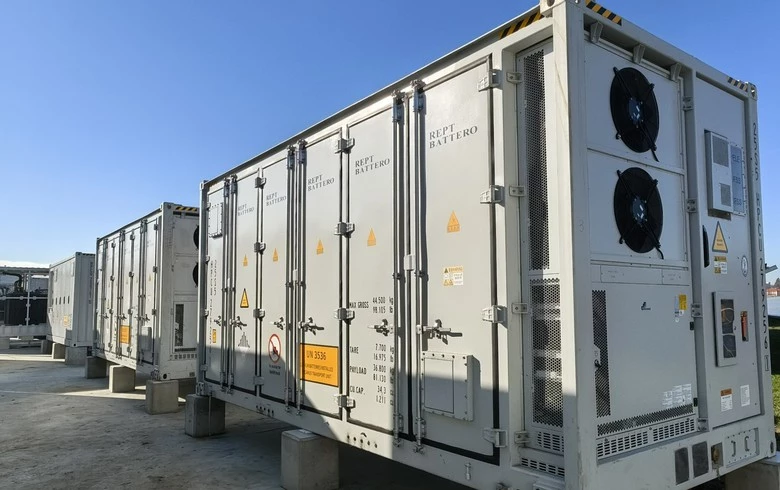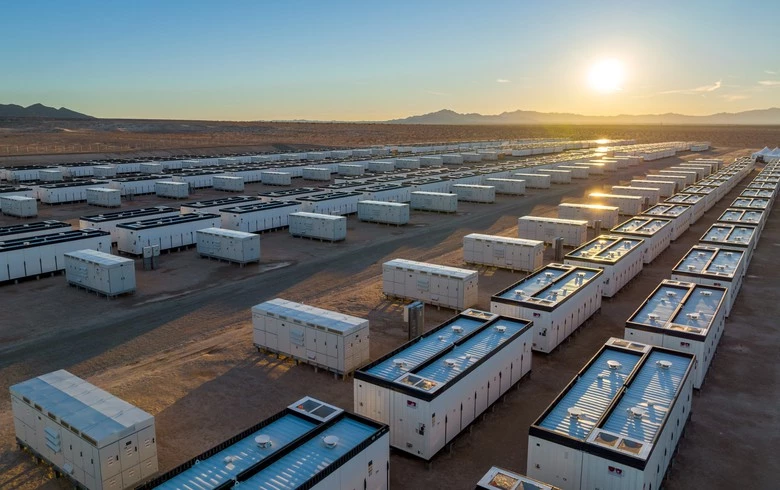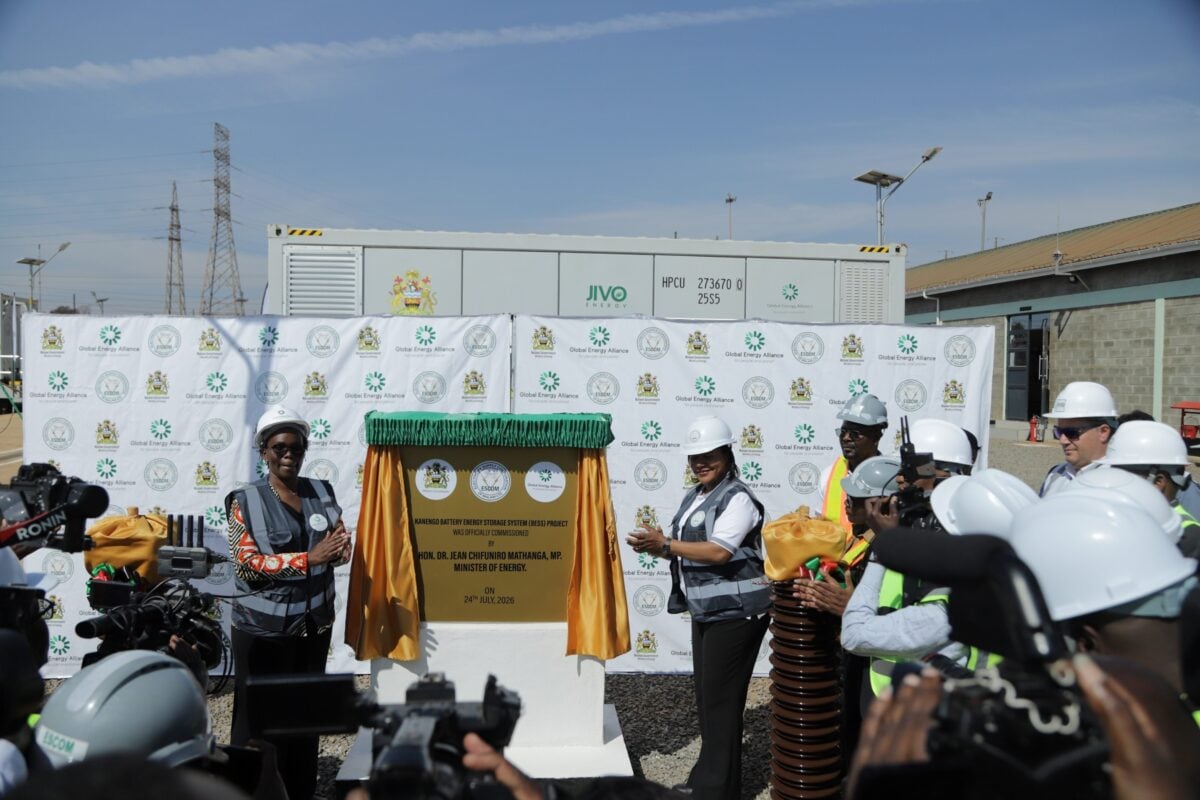
The project makes energy storage a core infrastructure asset for the grid, enabling more flexible power systems and a more modern market design, the Global Energy Alliance said.
The Kanengo BESS was installed by renewable energy contractor JIVO Energy. According to the company’s site, which mentions that the project is also equipped with grid-forming (GFM) capabilities, JIVO Energy designed, procured, installed, tested, and commissioned the plant.
For Malawi, access to electricity is also a pressing issue. The country is targeting 70% access to electricity for its entire population by 2030. At present, around a quarter of the 22.8 million population has access, with much higher percentages in urban areas.
The country’s electricity generation largely comes from hydroelectric power and biomass. The hope is that battery storage can enable the increasing integration of variable renewable energy (VRE) resources. The World Bank-supported Malawi Electricity Access Project, which began in 2019 and recently concluded, provided electricity access to around two million people by extending service to existing distribution infrastructure via low-voltage wires.
The new project is part of GEAPP’s programme, Grids of the Future, which helps emerging economies ‘leapfrog’ the need to build traditional transmission and distribution (T&D) infrastructure and instead leverage digitalisation and distributed energy integration.