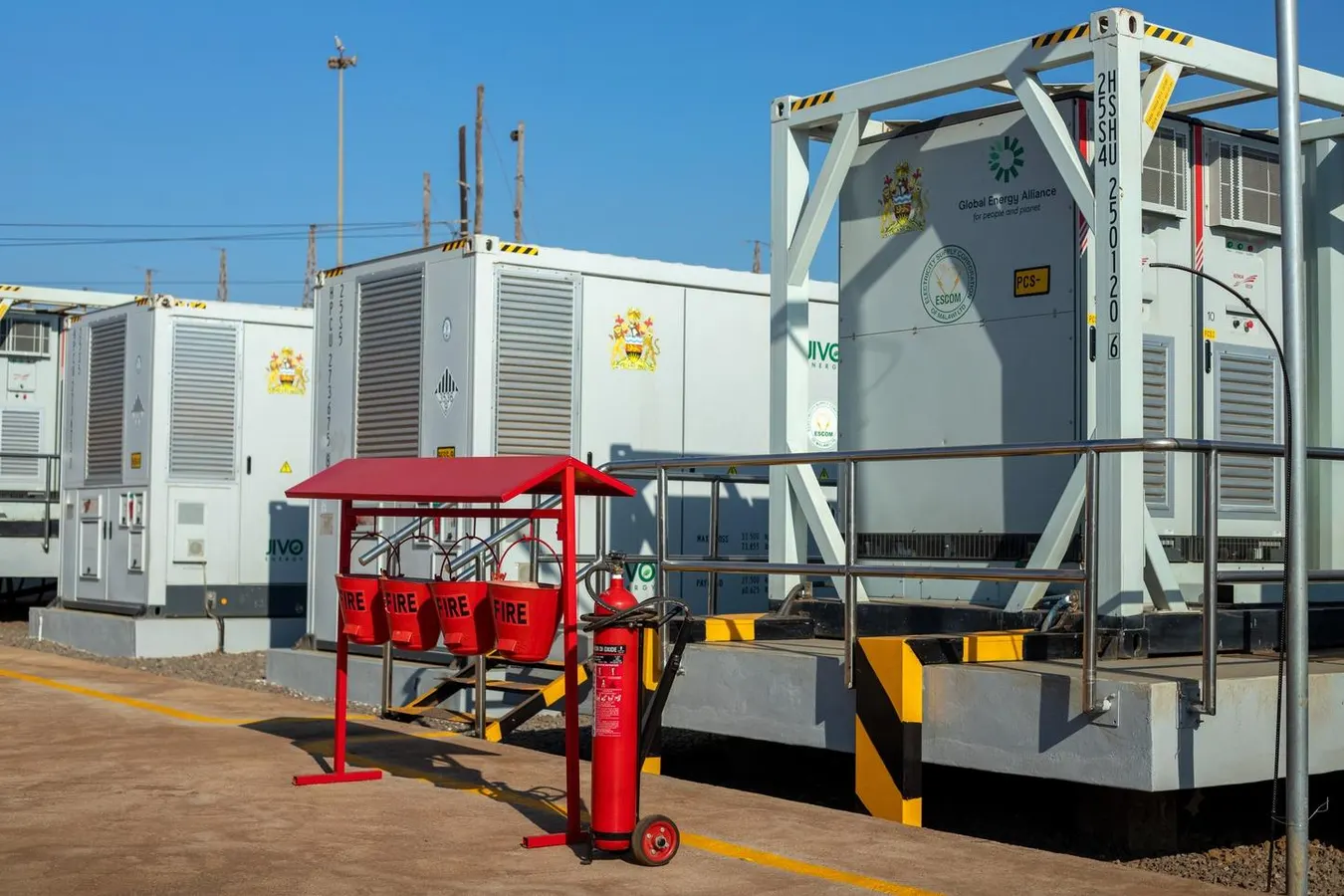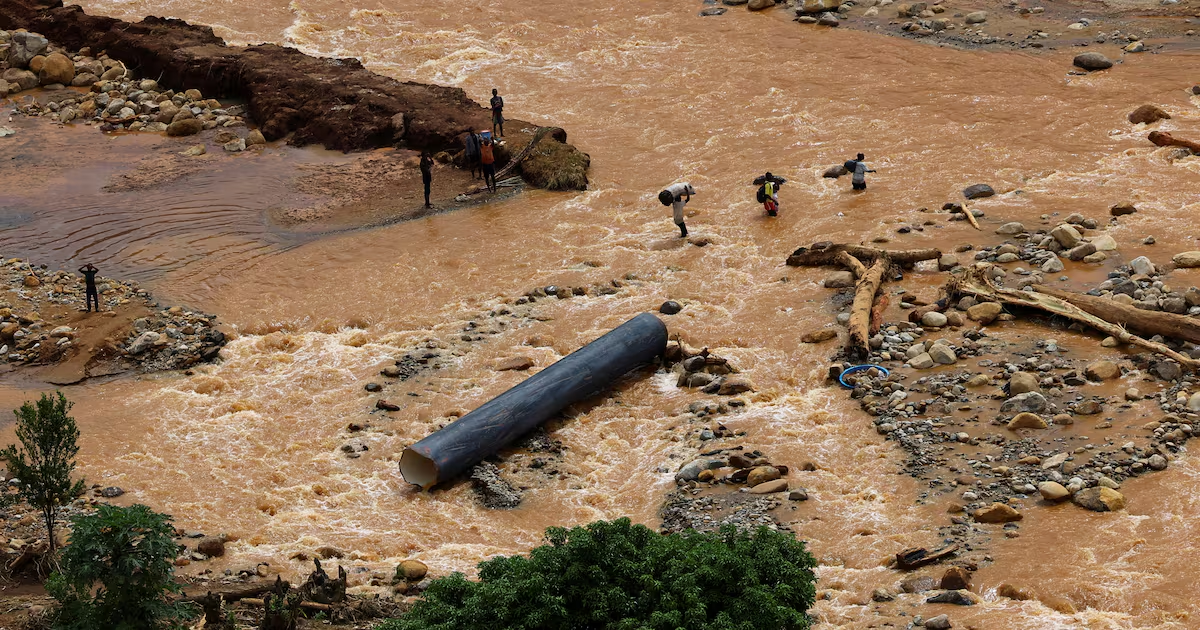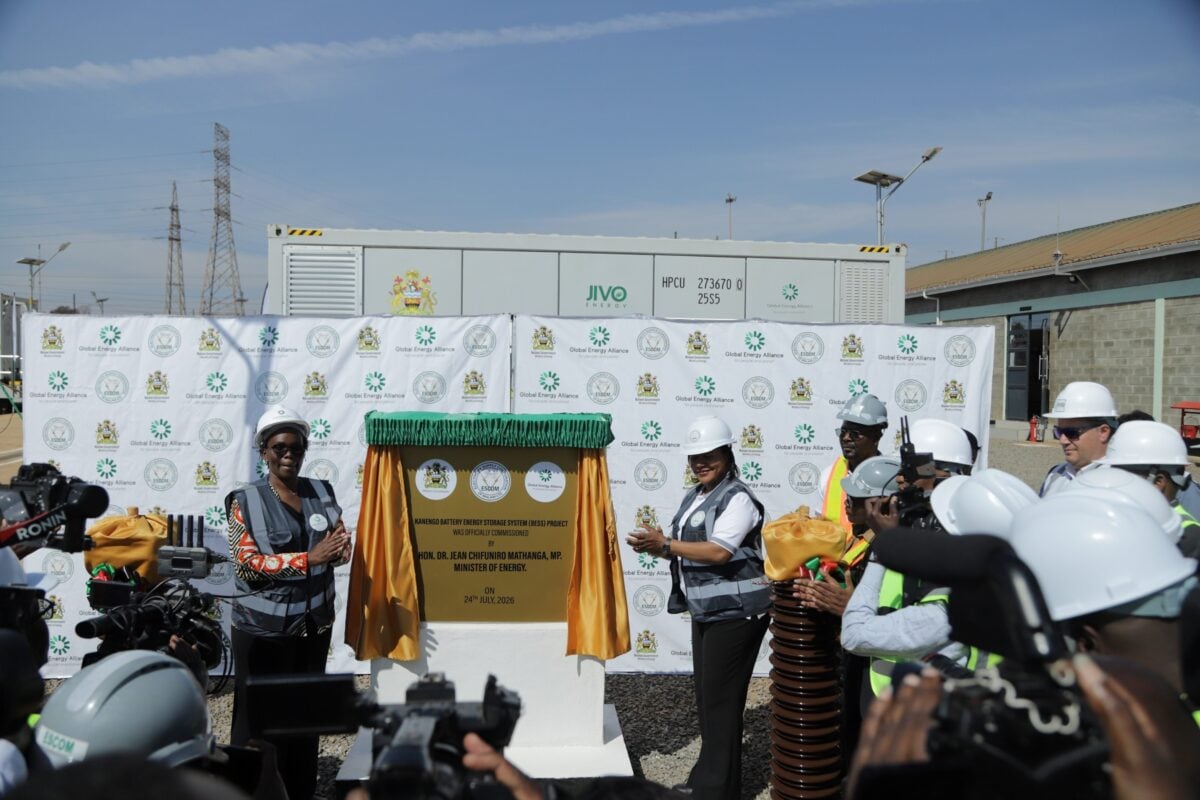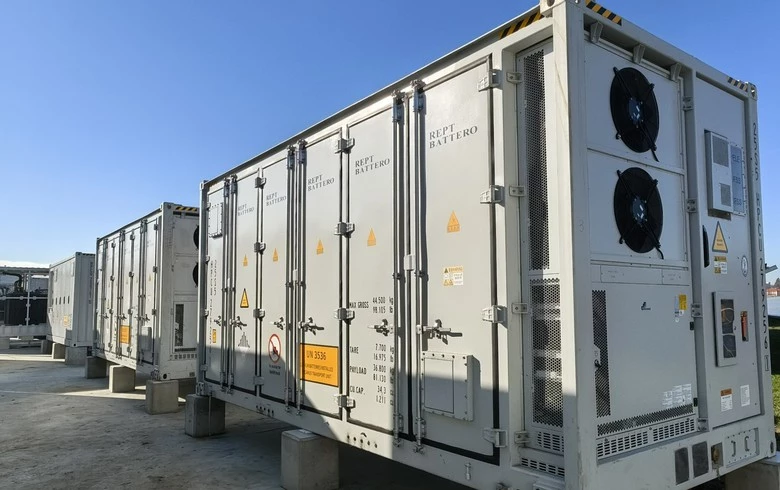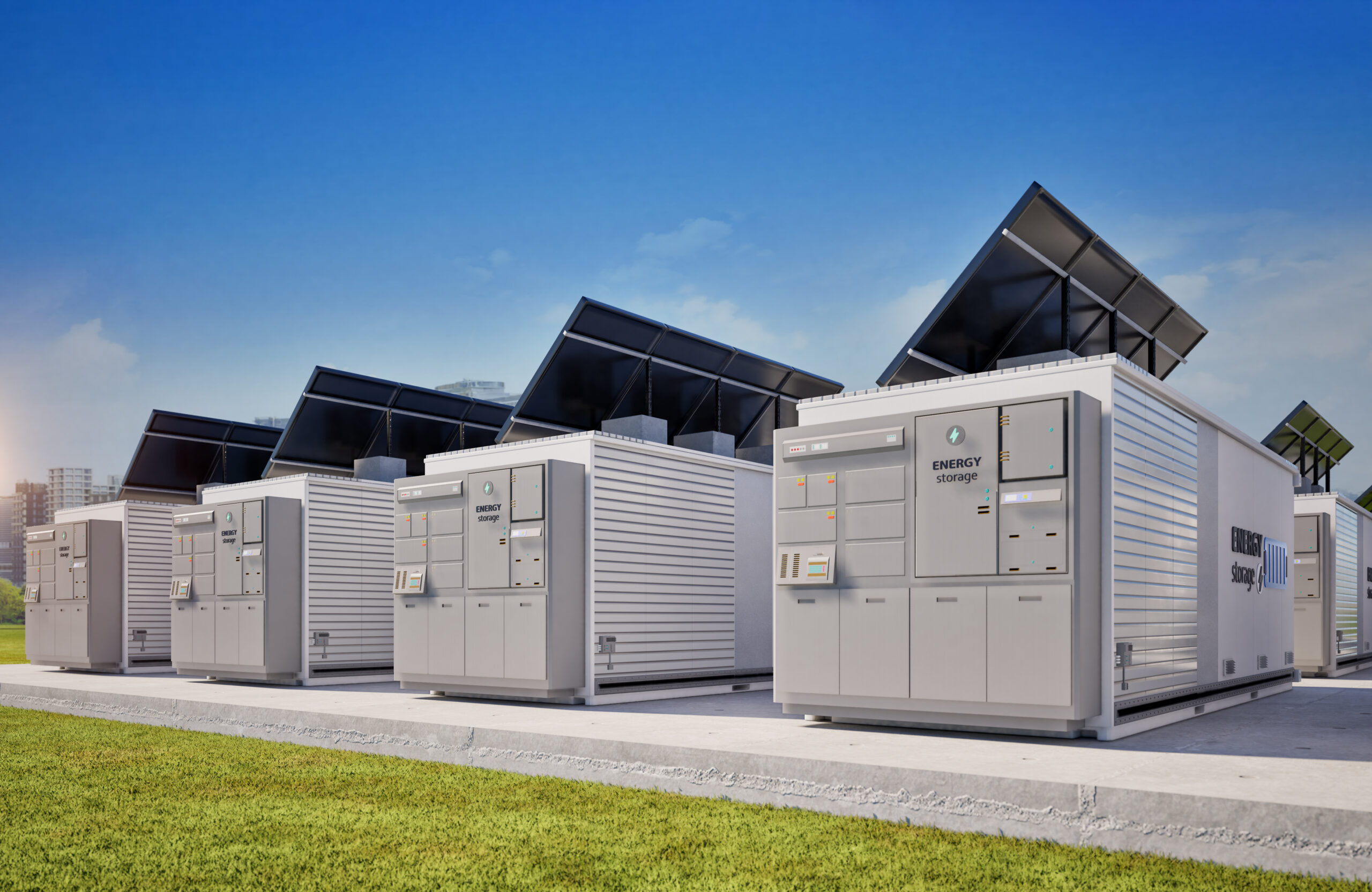
When Tropical Storm Ana made landfall in Malawi in 2022, it hit the landlocked country's electricity system hard, destroying a third of its hydropower capacity and causing nationwide system shutdowns.Even before the storm, Malawi's power supply - generated mostly from renewables including solar and hydro - had been unreliable for many years, suffering from persistent outages.The Malawian government is now hoping to improve the stability of its grid power with the construction of a battery energy storage system (BESS) in its capital that will charge up with surplus electricity generated when the sun is shining and hydropower dams are running, and release it when needed.More than 80% of Malawi's electricity comes from renewables and the country has been expanding capacity by adding more solar power while decommissioning 78 megawatts (MW) of diesel generation. But climatic impacts such as cyclones disrupt the grid and threaten to reverse energy transition gains.
Can giant batteries unlock Africa's green industrial future?
Battery energy storage systems (BESS) could drive clean tech manufacturing in Africa but shortfalls in finance and data are still limiting deployment at scale
149 words~1 min read