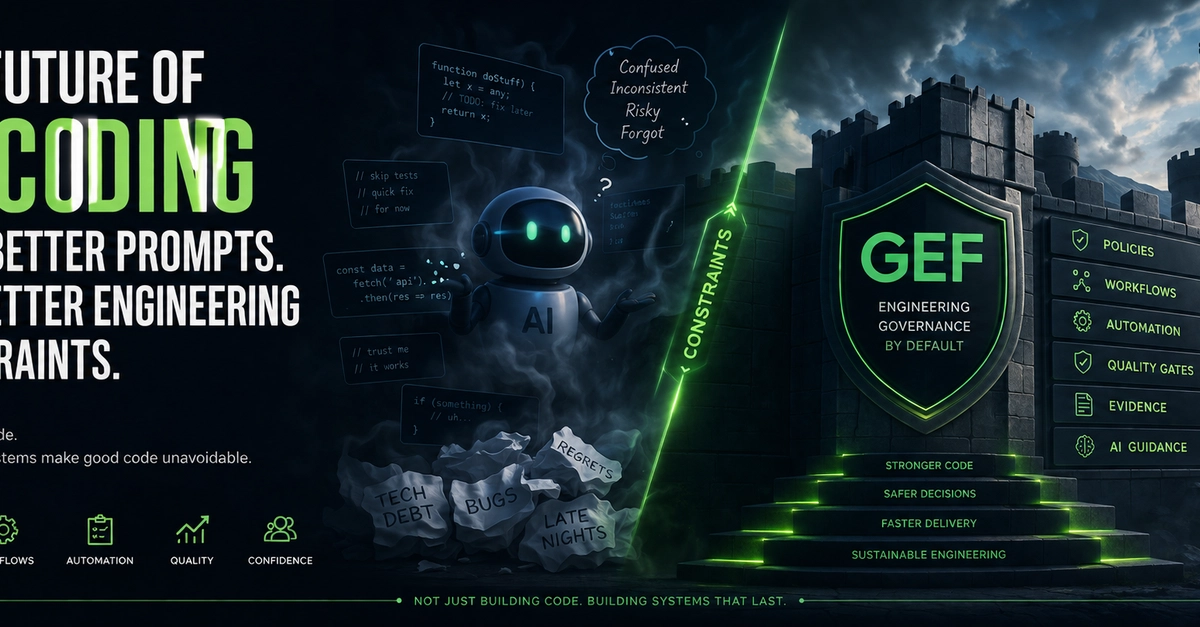
Most developers who tried an AI coding agent in 2023 or 2024 and bounced off it are still thinking about the problem as "prompt engineering" — finding the magic phrasing that gets the model to behave. That framing is outdated. The agents got smarter; the bottleneck moved. Today the difference between an agent that reliably ships correct code and one that hallucinates confidently wrong changes is almost entirely about what's in its context window and when, not how cleverly you phrased the ask. This is context engineering, and it's a skill you can build deliberately.
Here's what that looks like in practice, with patterns you can adopt this week.
1. Persistent project instructions beat repeated prompting
If you're re-explaining your test framework, your commit conventions, or "don't use any in TypeScript" in every single session, you're burning tokens and patience on facts that don't change. Tools like Claude Code, Cursor, and Windsurf all support a project-level instructions file (CLAUDE.md, .cursorrules, AGENTS.md). Treat it like an onboarding doc for a new hire who is extremely fast but has zero institutional memory.
What actually belongs there: