Tuesday 28 July 2026 7:51 am
| Updated:
Tuesday 28 July 2026 7:56 am
Unilever's food arm has weighed on its profits
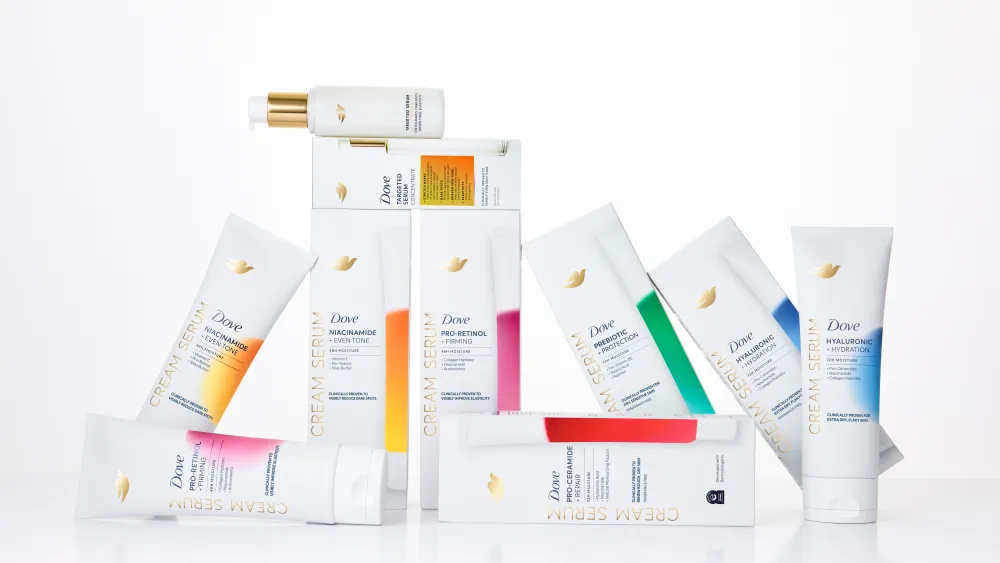
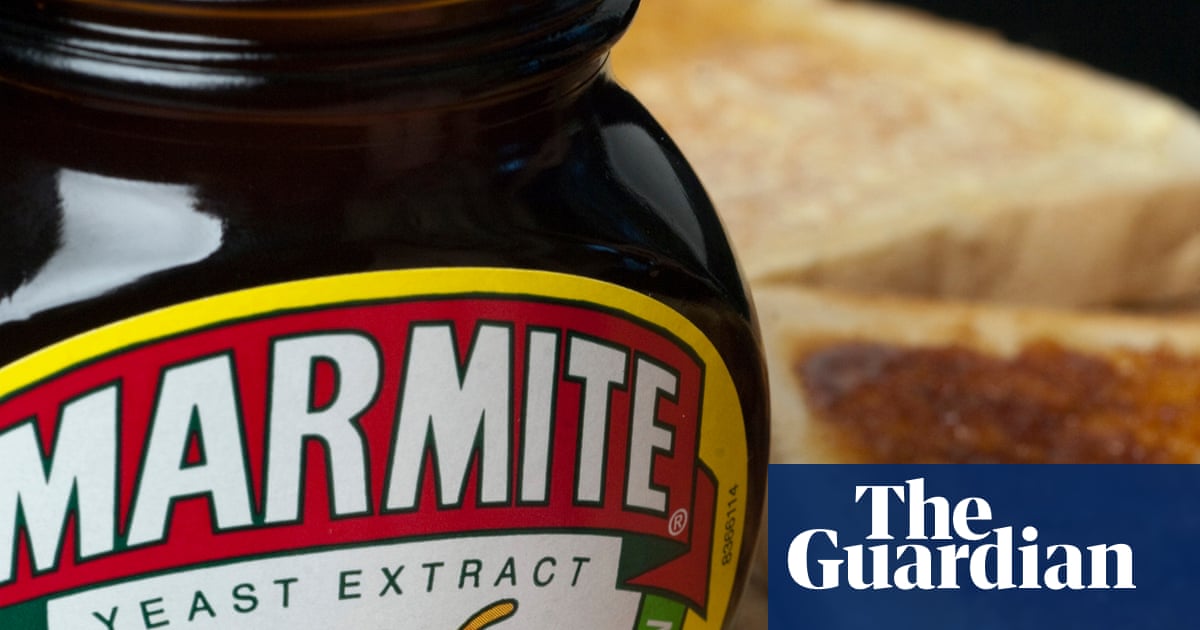
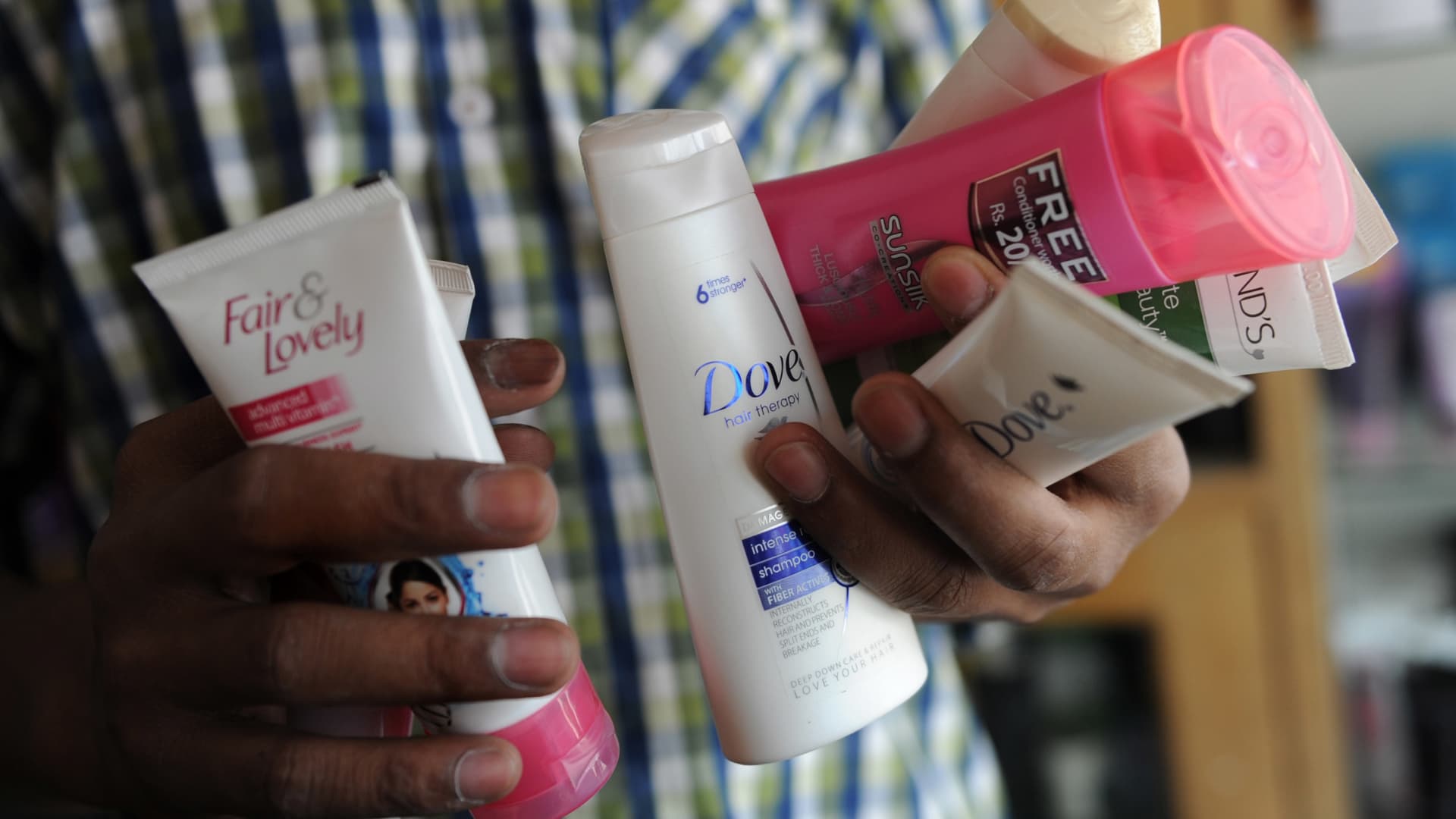
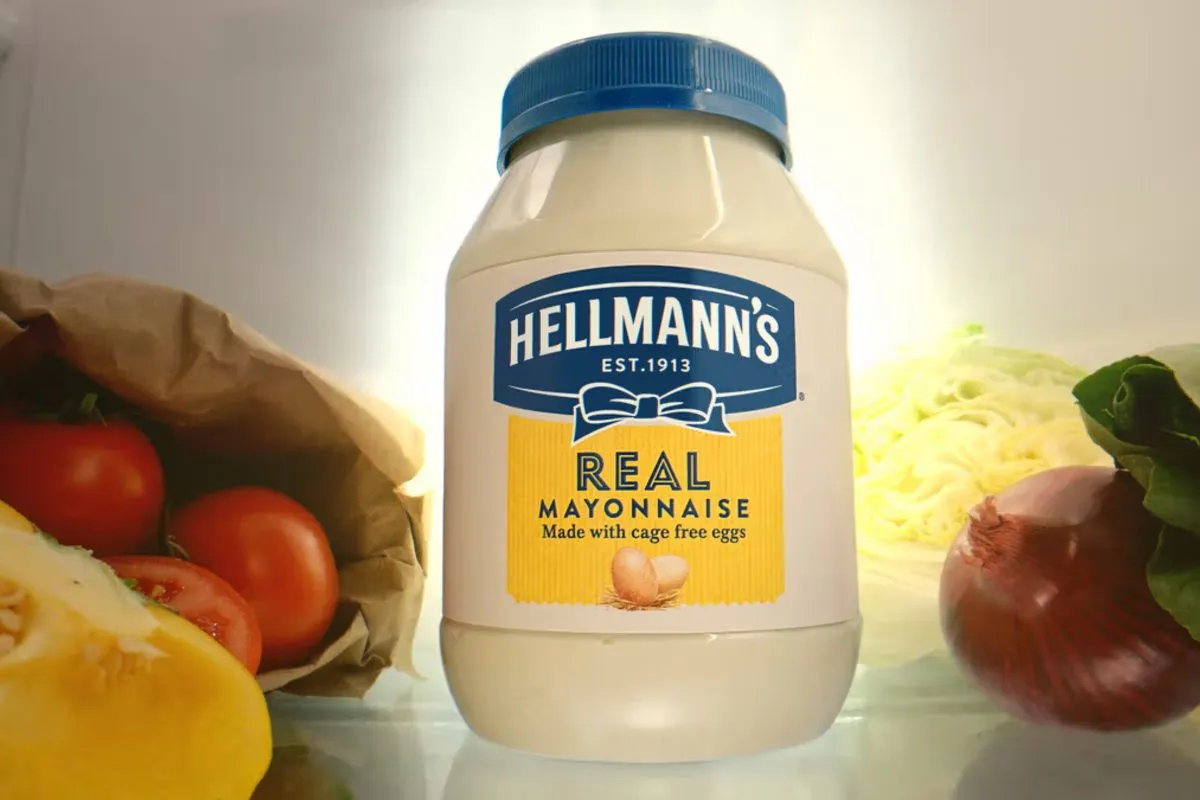
Unilever has turned to novel products including “avocado mayonnaise” in a bid to boost ailing sales in its food arm, which is poised to be spun off in a £33bn deal. The consumer goods giant upgraded its sales expectations but saw the performance of its food business and European operations drag on the group’s operating profit, which edged up by 2.6 per cent to €4.9bn in the first half of the year.In March, the FTSE 100 firm announced a £33bn deal to offload its food business, which includes brands like Marmite and Hellmann’s, to US food giant McCormick. The spin-off, which faced some opposition from investors, has begun to take place and McCormick announced earlier this month that it will set up a secondary listing in London. But Unilever has revealed that its food arm is dragging on its suite of beauty and personal care brands, which include Persil, Lynx and Dove. Turnover in the group’s food business slipped by four per cent to €6.3bn, while sales of its personal care products jumped by 4.2 per cent to €6.8bn.Unilever leans on avocado mayonnaise The conglomerate said it is leaning on new products like avocado mayonnaise to drive sales in the US, where it is facing “a softer market environment and increased competition” in the condiments market. “Foods growth is expected to accelerate in the second half of the year, led by innovation and improved developed market performance,” Unilever said. The group said the gross margin in its food arm took a hit from growing commodity cost inflation and more investment in its products. Unilever performed worst in Europe in the first half of the year, where sales fell by 0.9 per cent, against growth of 7.6 per cent in Latin America and eight per cent in India. Growing sales in France, Italy and the Netherlands were “more than offset” by worsening performance in Germany and Eastern Europe, the firm said. But the FTSE 100 business saw nearly five per cent growth in its personal care arm, which accounts for more than a quarter of group turnover. Skin care range Dove, the firm’s largest brand, posted high-single-digit growth while the group’s investment in World Cup advertising campaigns boosted performance in the second quarter, it said. ‘Clear direction of travel’Fernando Fernandez, Unilever’s chief executive, said the firm’s work to “transform” its portfolio has meant that its “brands are stronger [and] our execution is sharper”.“The macroeconomic environment remains uncertain, but our consistency, discipline and strong first half performance give us confidence that we are well positioned to deliver our upgraded full year outlook,” he added.The group said it expects to be within its multi-year guidance of four to six per cent sales growth, having previously guided towards the bottom end of this range. Unilever said it will deliver three per cent underlying volume growth, an upgrade from the two per cent it had previously forecast.Alex Pugh, an analyst at Freetrade, said: “Unilever’s first half gives CEO Fernando Fernández something to shout about. “The conglomerate still has work to do, but there’s a clear direction of travel. For a consumer goods giant, that is exactly the sort of progress investors wanted to see.”