The problem with autonomous agents isn't their ability to write code—it's our inability to manage them at scale.
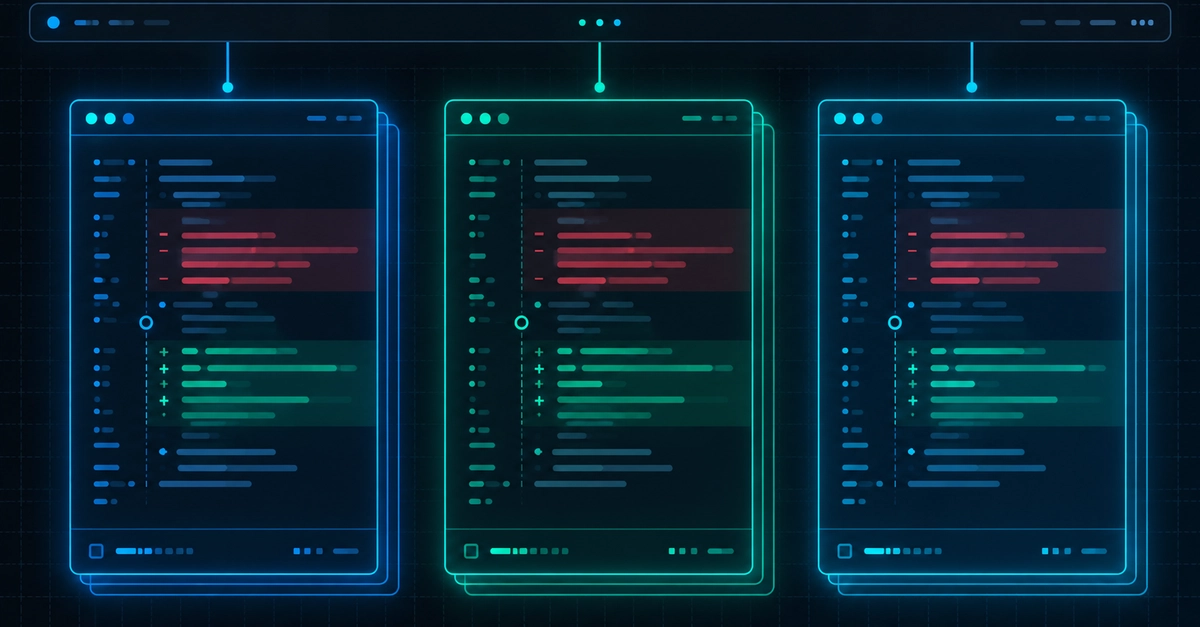
If you've spent any time working with Cursor, you know the feeling of launching a task and then essentially 'hoping for the best.' You trigger an agent, walk away, and pray it doesn't spend your entire monthly credit limit or leave a messy trail of half-finished branches across your repos. When you have one agent, it's fine. When you start trying to orchestrate complex workflows across multiple repositories or tasks, the manual overhead of checking progress, verifying files, and monitoring costs becomes a bottleneck that defeats the whole purpose of automation.
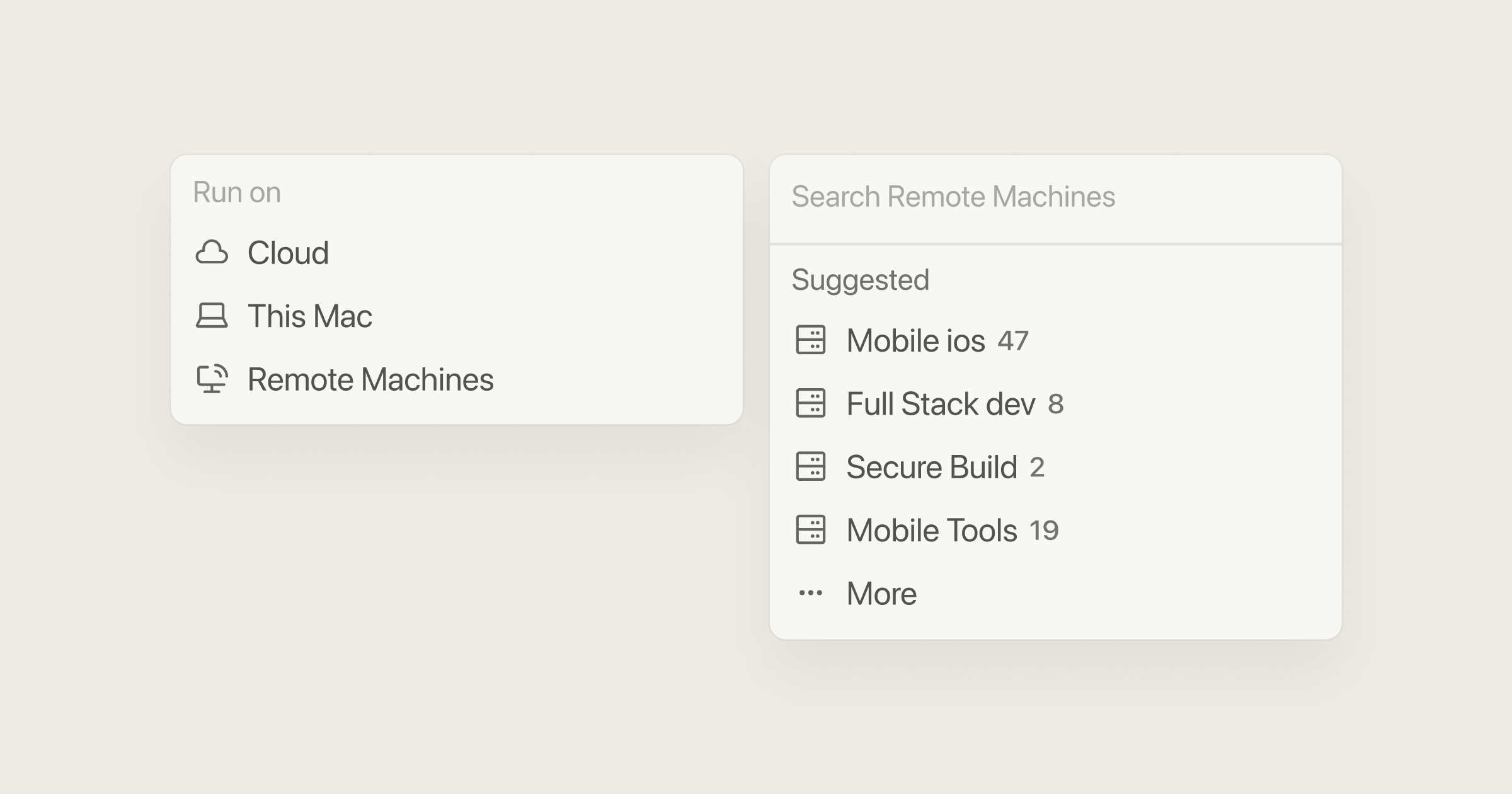
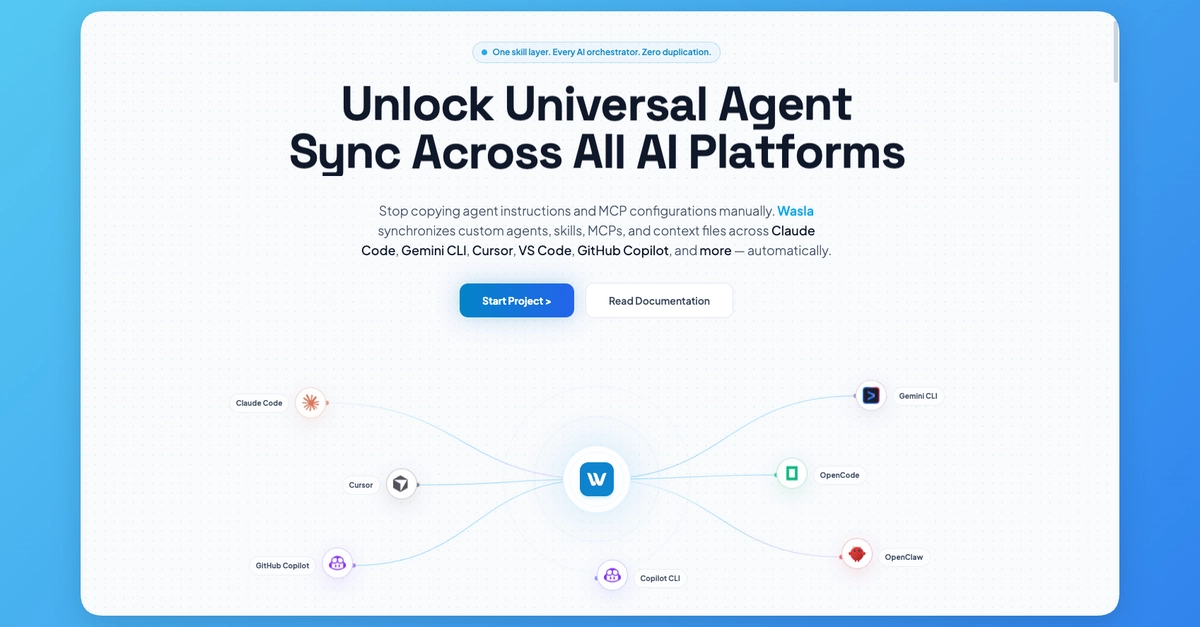
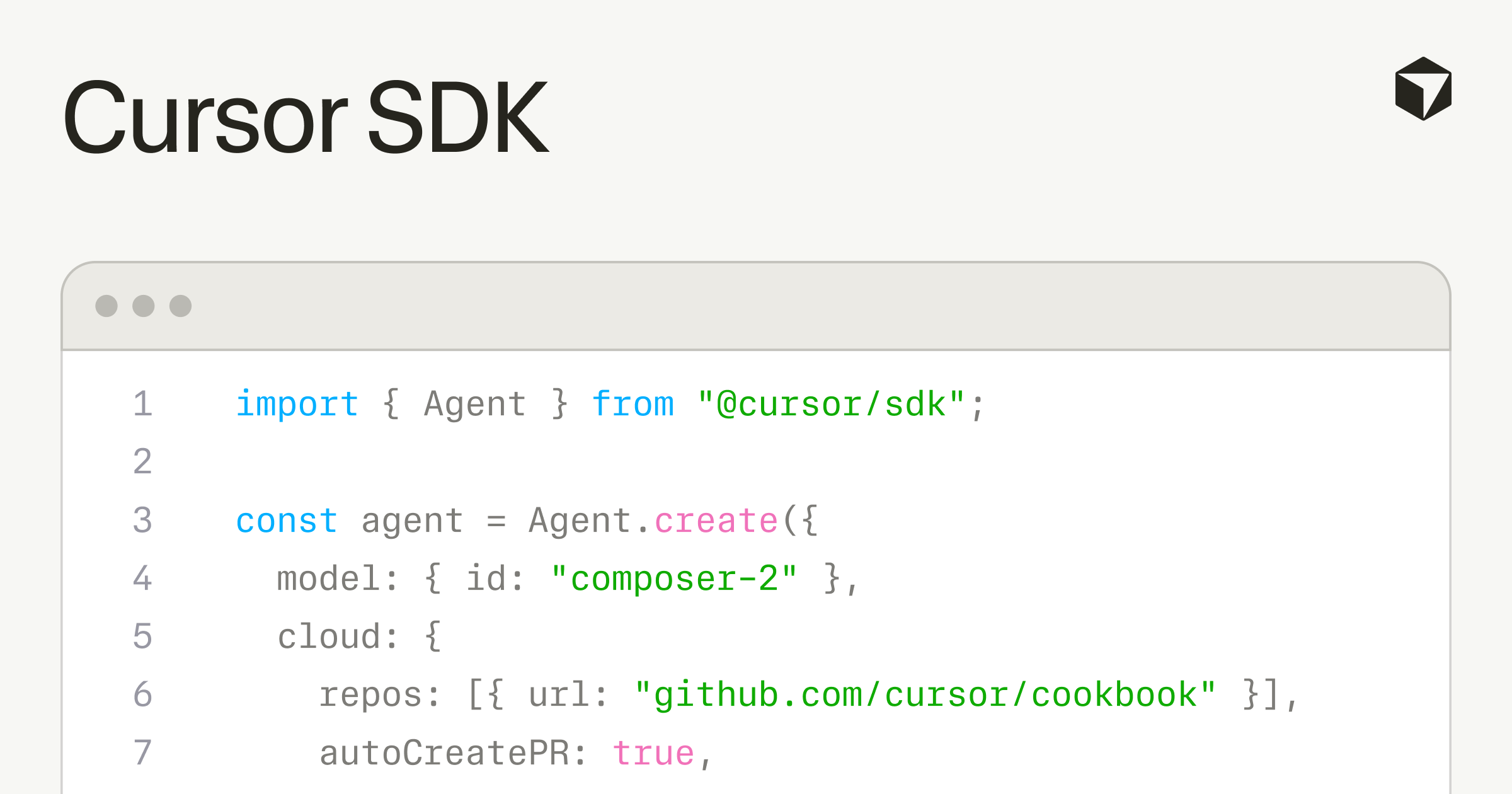
I recently started playing with a different pattern: treating an AI client (like Claude or Cursor) not just as a chat interface,' but as a control plane. By using the Cursor Cloud Agent MCP, you shift from 'chatting with code' to 'orchestrating a fleet.'
The Architecture: From Chatbot to Control Plane
The core idea here is decoupling. You have your high-level orchestrator (the LLM you are chatting with) and your execution environment (Cursor Cloud Agents).