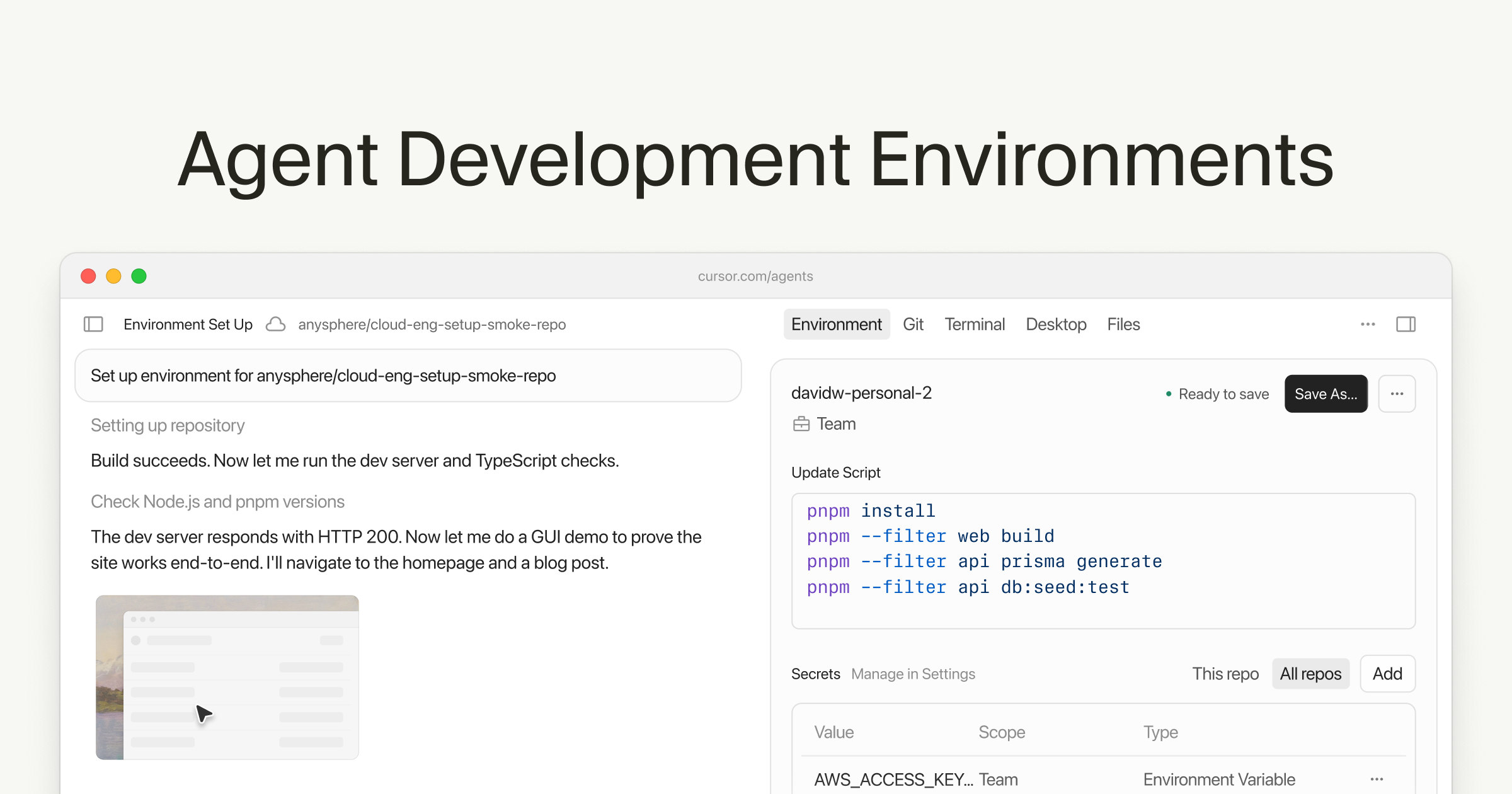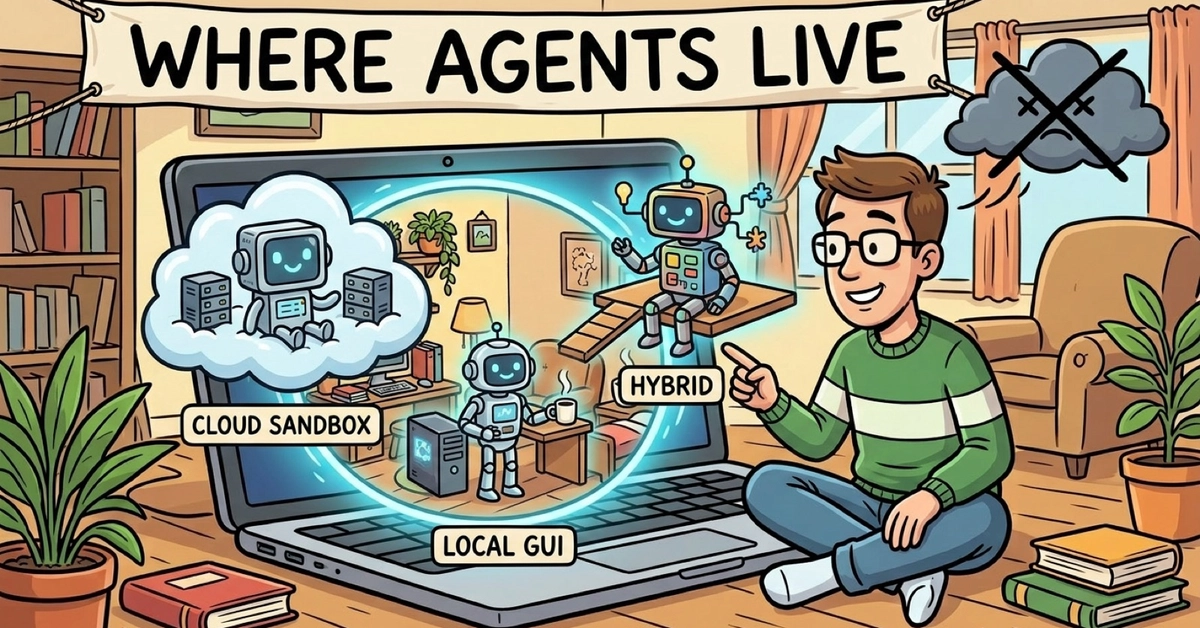
When we first launched cloud agents a year ago, they seemed like a straightforward extension of local agents. Since then, cloud agent capabilities have expanded considerably.
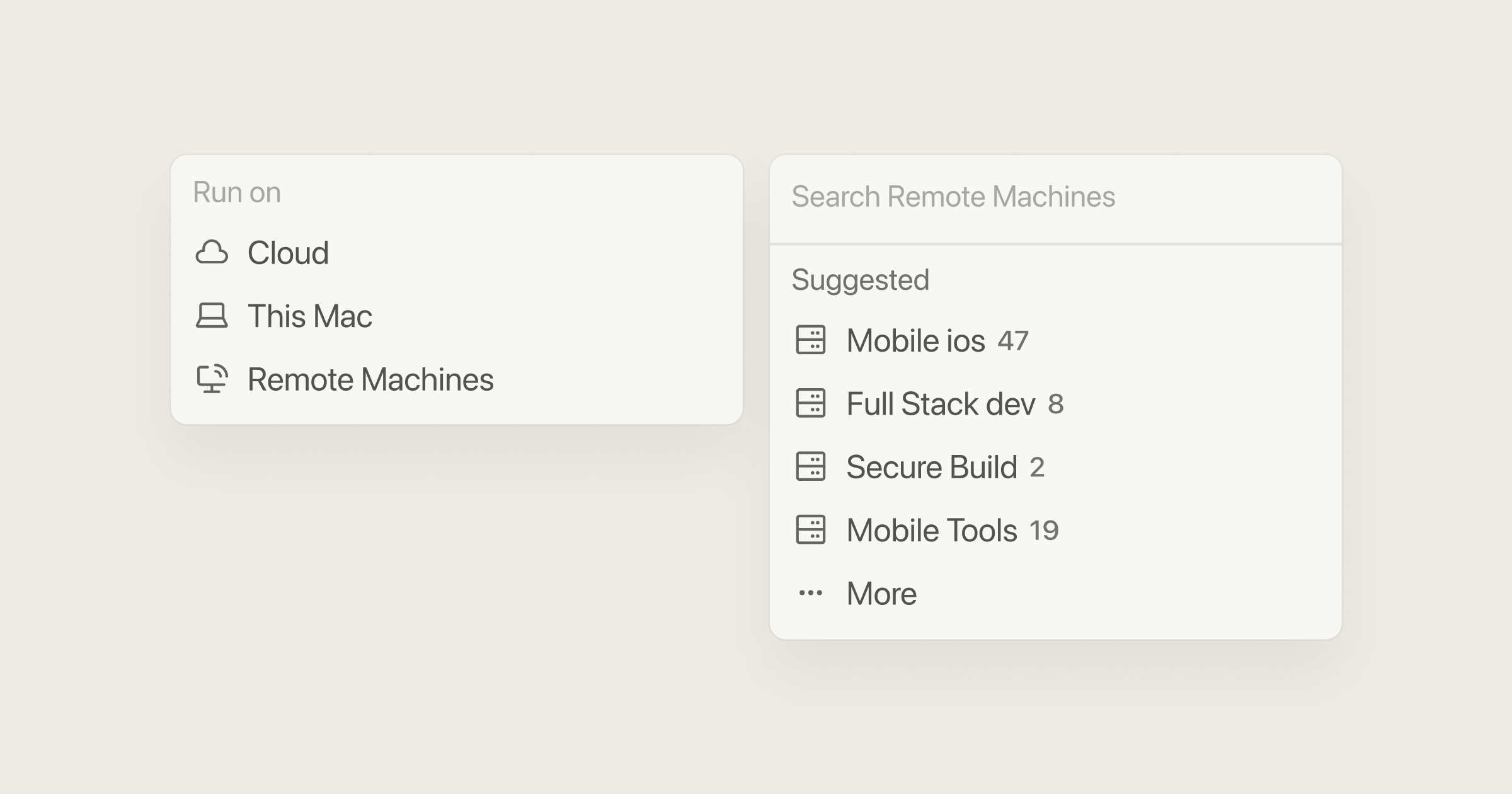
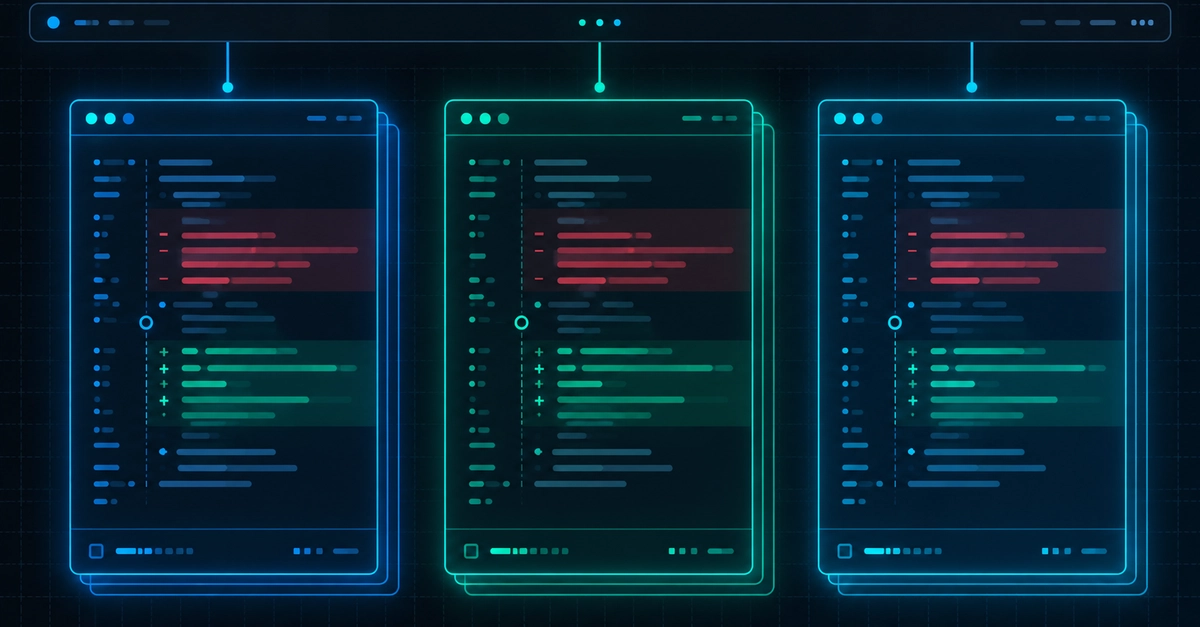
Cloud agents now run on their own dedicated virtual machines, with their own environments, dependencies, and network access. They can work in parallel, run unattended, and take on longer tasks than a local agent sitting on your laptop.
These capabilities introduce challenges around environment setup, reliability, and orchestration that are less pronounced when an agent is running on your laptop.
In this post, we want to share the biggest lessons we’ve learned building cloud agents, and why the work increasingly looks less like porting a local agent to a server and more like building an operating layer around it.
The development environment is the product