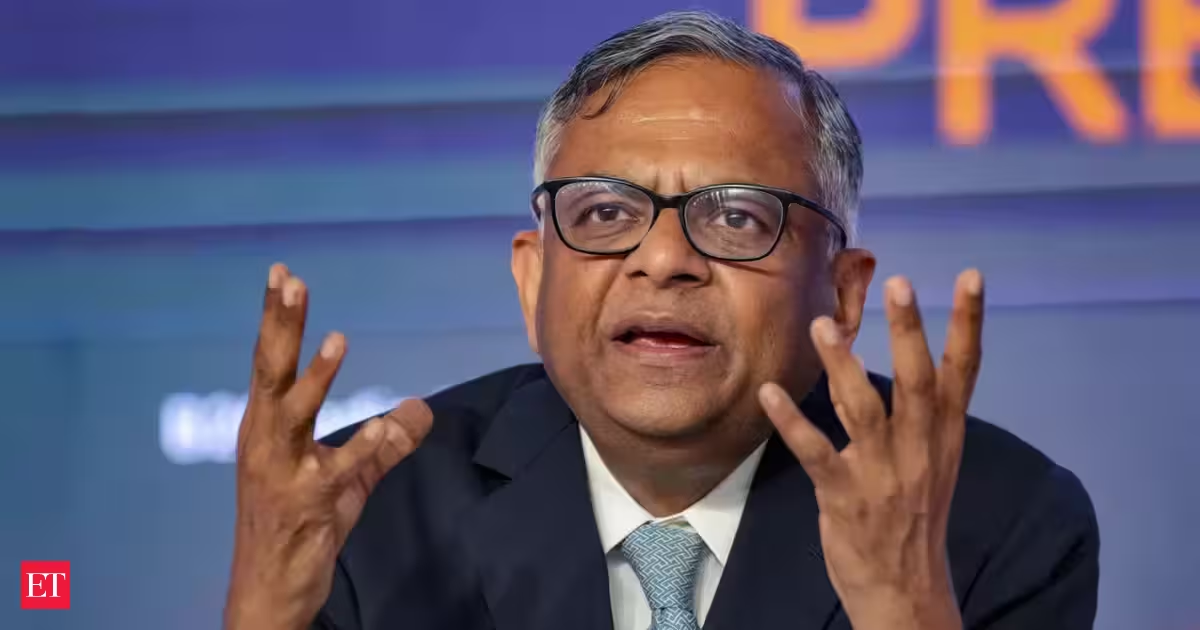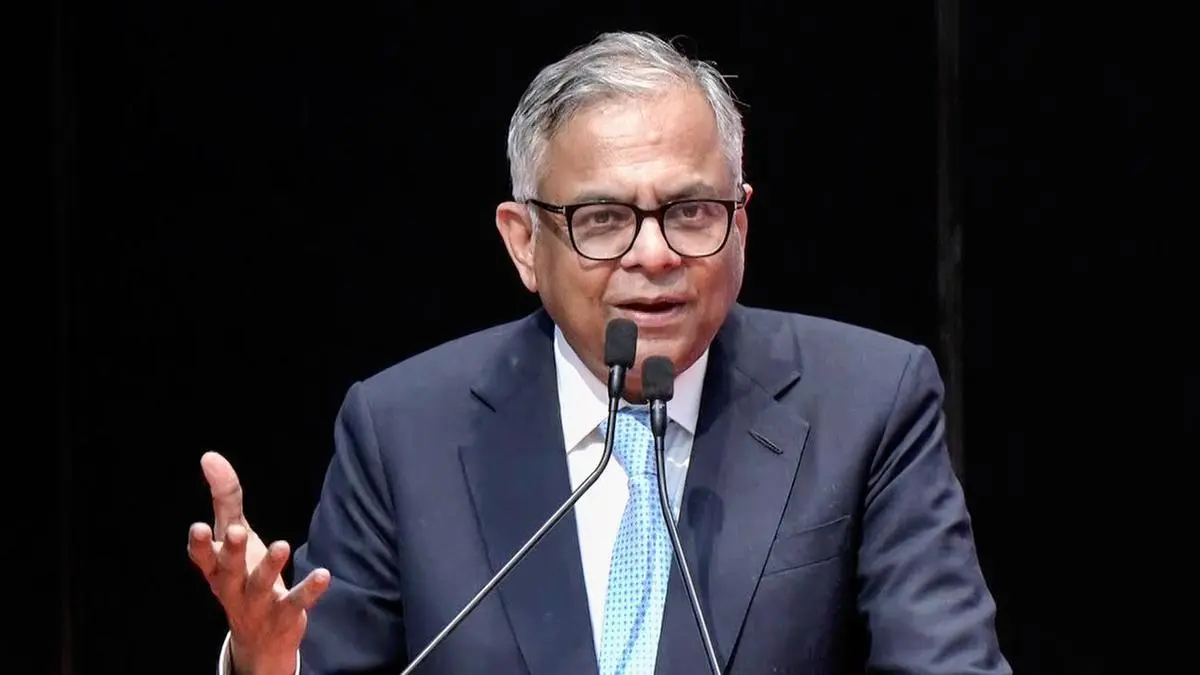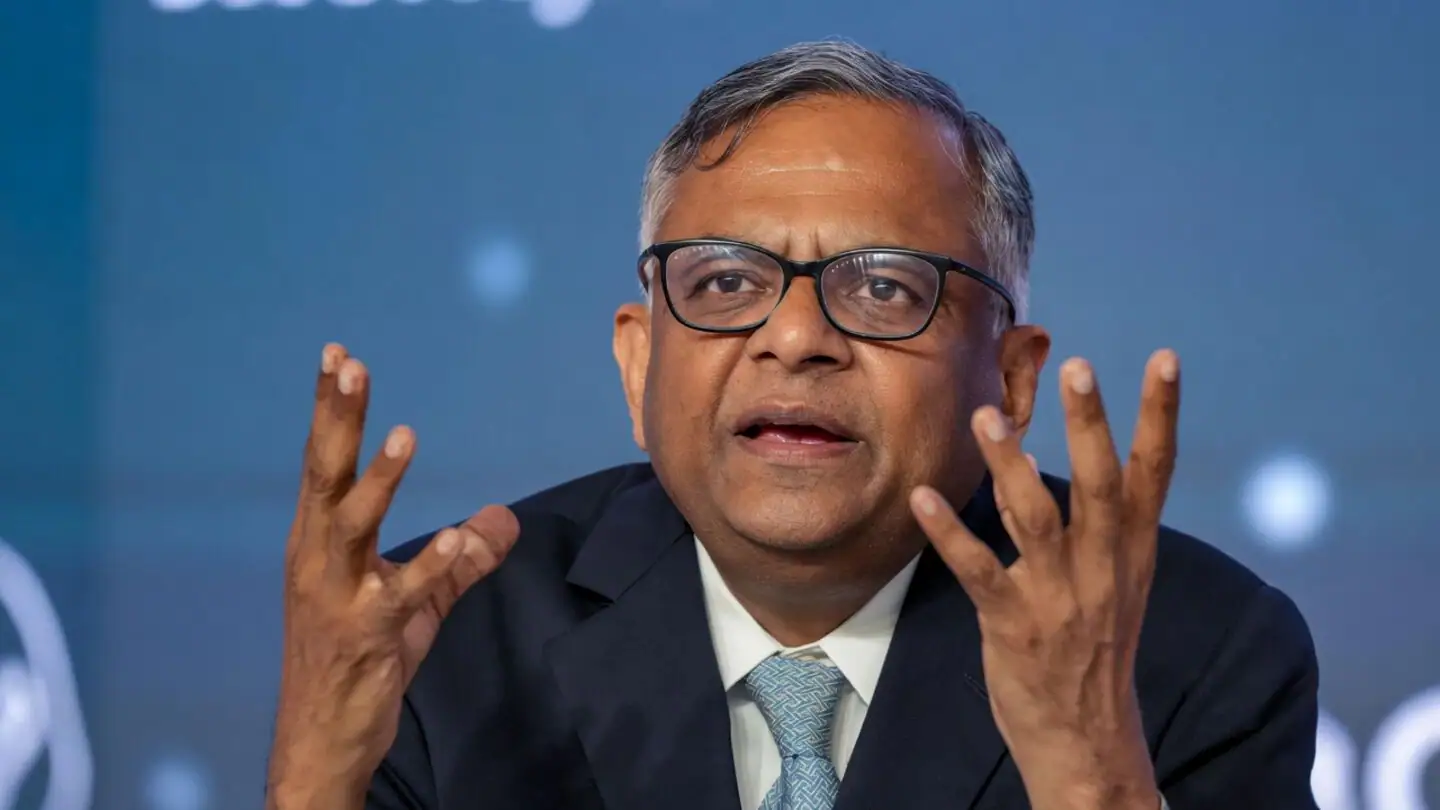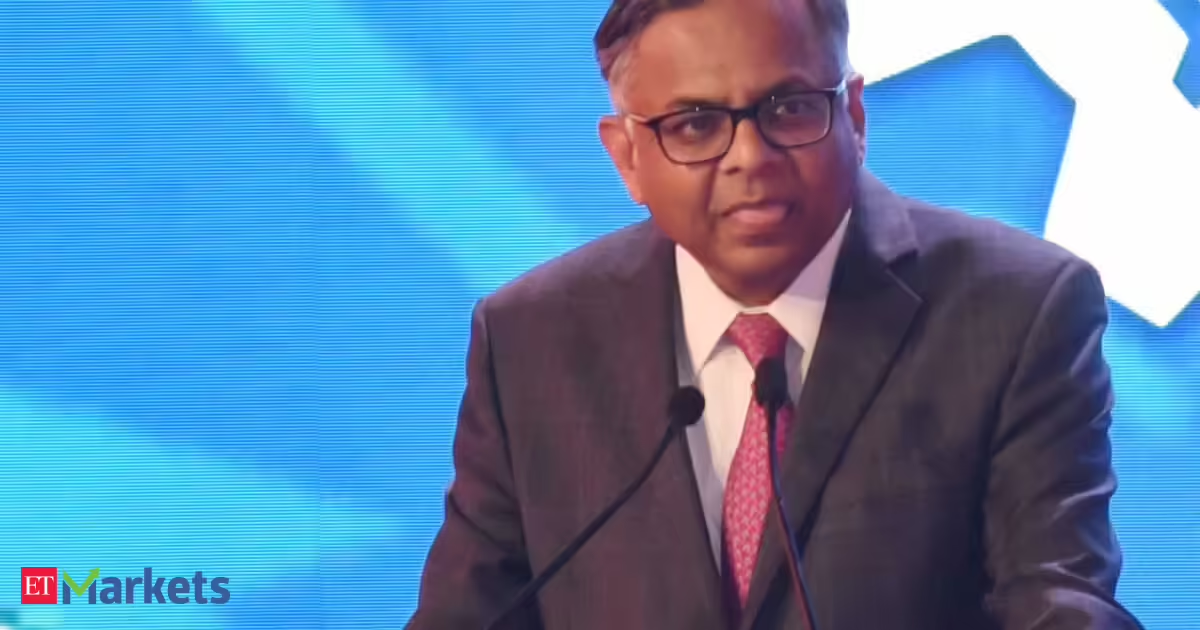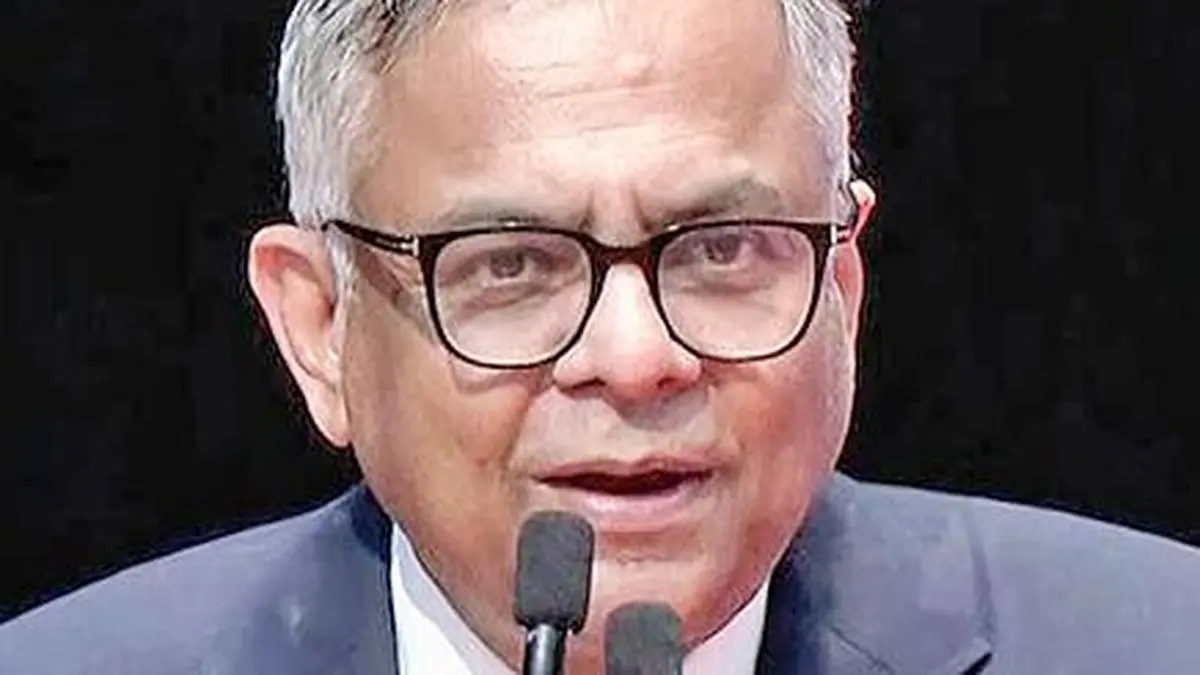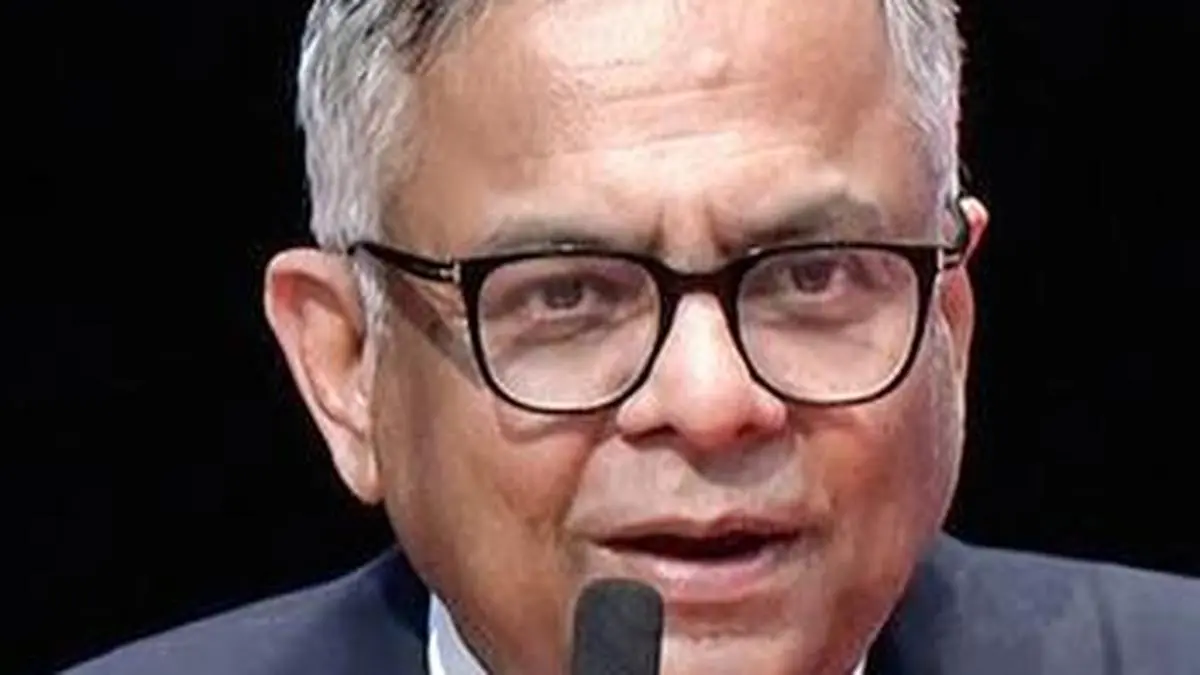
Tata Sons, the holding company of the Tata Group, would continue to focus on long-term sustainable growth, innovation, and nation-building, it’s chairman N. Chandrasekaran said in the company’s Annual Report 2025-26.It has reaffirmed its long-term commitment to artificial intelligence(AI), semiconductors, aviation and advanced manufacturing, even as the conglomerate reported strong financial performance across its established businesses in FY26 despite global economic uncertainties and sector-specific challenges.In its FY26 Annual Report, Tata Sons Chairman N. Chandrasekaran said all of the Group’s established businesses delivered strong revenue and profit growth during the year. However, Jaguar Land Rover (JLR) faced a significant disruption after a cyberattack in the second quarter forced a five-week production pause.The Group continued to outperform benchmark equity markets, delivering total shareholder returns of 287% compared with 253% for the Nifty 50 over the same period, he told shareholders. Excluding Tata Consultancy Services (TCS), shareholder returns stood at 575%, despite recent concerns over AI-driven disruption in the global IT sector.Mr Chandrasekaran described AI as a “profound, civilisational shift” and said enterprise technology companies remain well positioned to benefit from its adoption. He emphasised that businesses require extensive integration of AI into legacy systems and data infrastructure, giving TCS a competitive advantage through it’s long-standing customer relationships and expertise in enterprise transformation.The Annual Report highlighted Tata Electronics as one of the Group’s fastest-growing businesses. The company recorded revenue of ₹1.31 lakh crore in FY26, becoming the fourth-largest Tata Group company by revenue while achieving operating profit breakeven. It is constructing India’s first high-volume semiconductor fabrication plant in Gujarat and expanding into advanced chip packaging and indigenous semiconductor technologies.Mr Chandrasekaran said such investments were critical to strengthening India’s technological self-reliance.Tata Digital, however, remained loss-making, reporting a loss of ₹4,974 crore during FY26. Nevertheless, the company achieved a gross merchandise value (GMV) of ₹46,515 crore within four years. The Group plans to reposition Tata Neu around financial services and loyalty programmes, while expanding its payments, lending and insurance businesses.Air India’s transformation also remained a key focus. The airline improved its Net Promoter Score from -35 in FY23 to +42 in June 2026 and recorded India’s best on-time arrival performance during the month. However, Mr Chandrasekaran said airspace disruptions, fuel price volatility, foreign exchange fluctuations and the AI171 crash made FY26 one of the airline’s most challenging years. He reiterated that rebuilding Air India would require a five-to-ten-year effort involving fleet renewal, service upgrades and operational transformation.The Annual Report also outlined continued investments in battery manufacturing through Agratas and defence manufacturing, including military aircraft, drones and radar systems. Mr Chandrasekaran acknowledged geopolitical uncertainty, cybersecurity threats and supply chain risks but said disciplined execution and long-term investments would position the Tata Group to play a leading role in India’s next phase of industrial growth.“I acknowledge the challenges ahead —from geopolitical uncertainty to commodity and technological risks,” the Chairman said. “We need to execute well by managing costs and efficiency levels; adapt and pivot based on technological and customer behaviour; attract top talent; manage supply chain risks; and keep safety, including cybersecurity, as our continuing priority,” he added.“Performance over the past decade has been reflected in robust shareholder returns. The Tata Group has delivered total shareholder returns of 287% compared to market returns (Nifty 50) of 253% over the period. This is despite the recent correction in the global IT sector, driven by perceived AI disruption, which I address below. Excluding TCS, these returns would be 575%,” says Mr Chandrasekaran.Tata Sons’ revenue grew by 9.1% to ₹42,367 crore in FY26, while profits (after tax) grew 21.8% to ₹31,961 crore.The Board of Tata Sons has recommended a final dividend of ₹ 1,10,717 per share, subject to shareholders approval.At the aggregate level, the revenue of the Tata Group grew by 7.8% to ₹16,24,030 crore in FY26, while profits (after tax) grew 51.9% to ₹1,70,525 crore. Revenue is 2.1 times, and profits are 5.4 times their FY20 levels, reflecting sustained and significant turnaround efforts across
Tata Sons to focus on AI, semiconductors, aviation and advanced manufacturing: FY26 Annual Report
Tata Sons' FY26 report highlights focus on AI, semiconductors, and aviation, showcasing strong financial growth amid global challenges.
TL;DRAI
Tata Sons reaffirms AI and semiconductor strategy; Tata Electronics achieves operating profit breakeven and becomes 4th-largest group company while building India's first high-volume semiconductor fab. For enterprise tech managers, TCS gains AI adoption edge through legacy system transformation expertise; India's semiconductor self-reliance signals decade-long supply chain reshaping.
657 words~3 min read