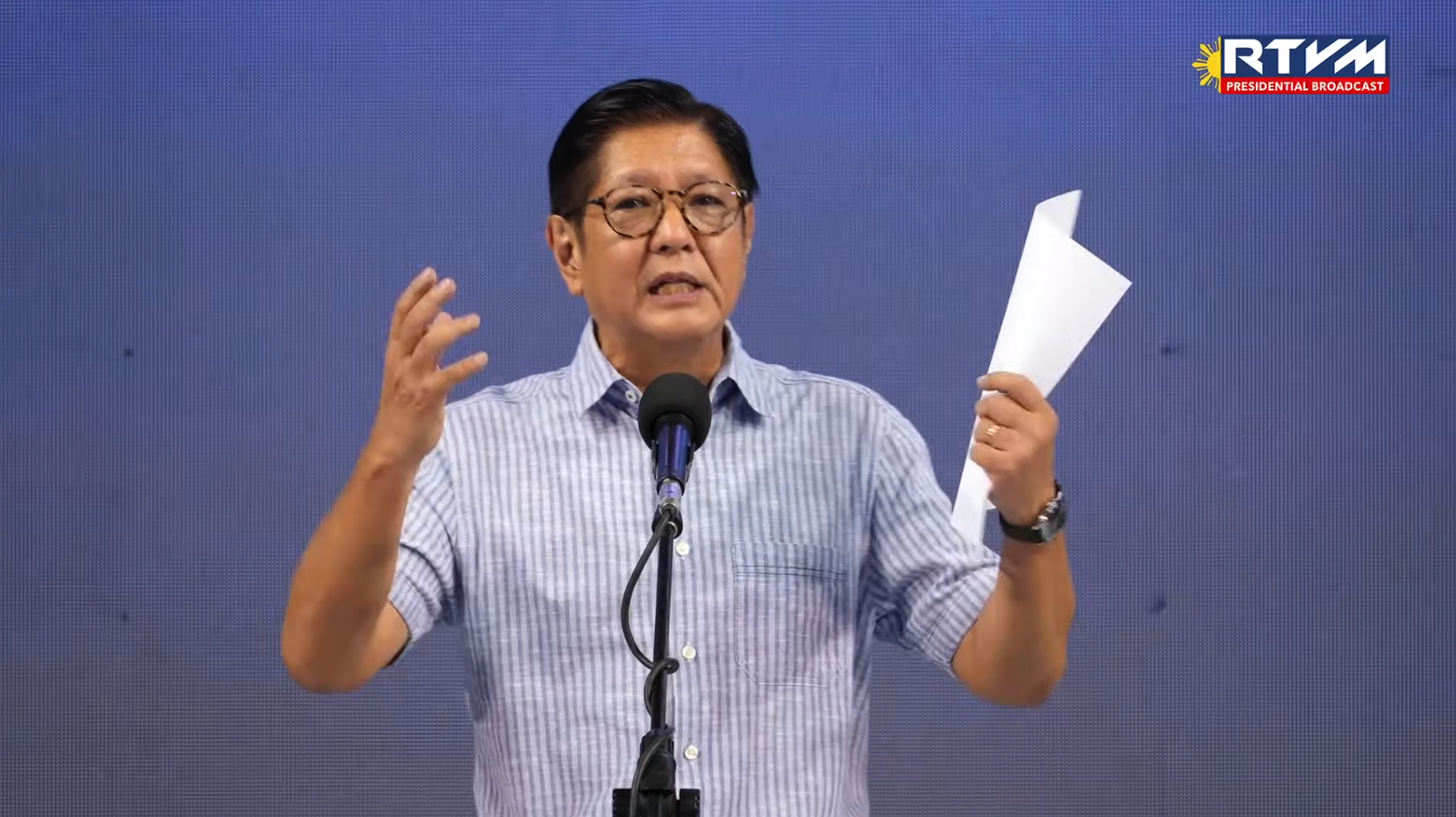
CEBU, Philippines – Environmental groups and activists in the Visayas and Mindanao raised concerns over President Ferdinand Marcos Jr.’s push for a “predictive” approach to disaster response, saying technology-driven systems must be paired with measures that address the challenges faced by communities when disasters disrupt basic services.
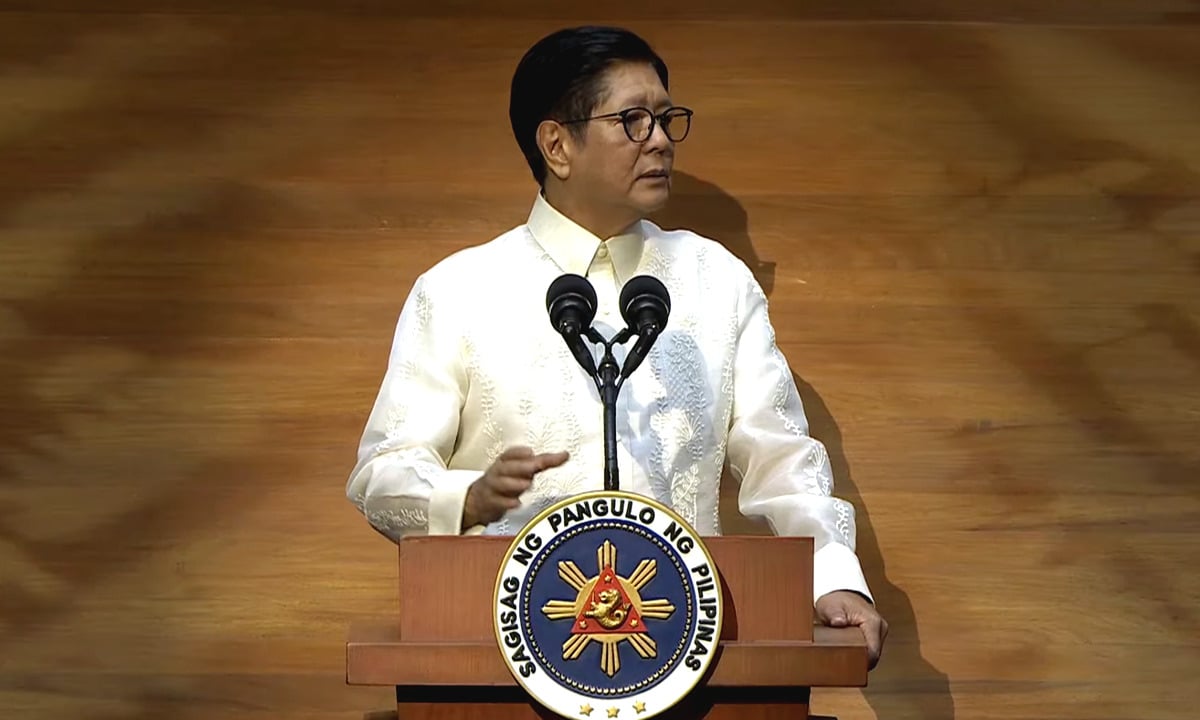
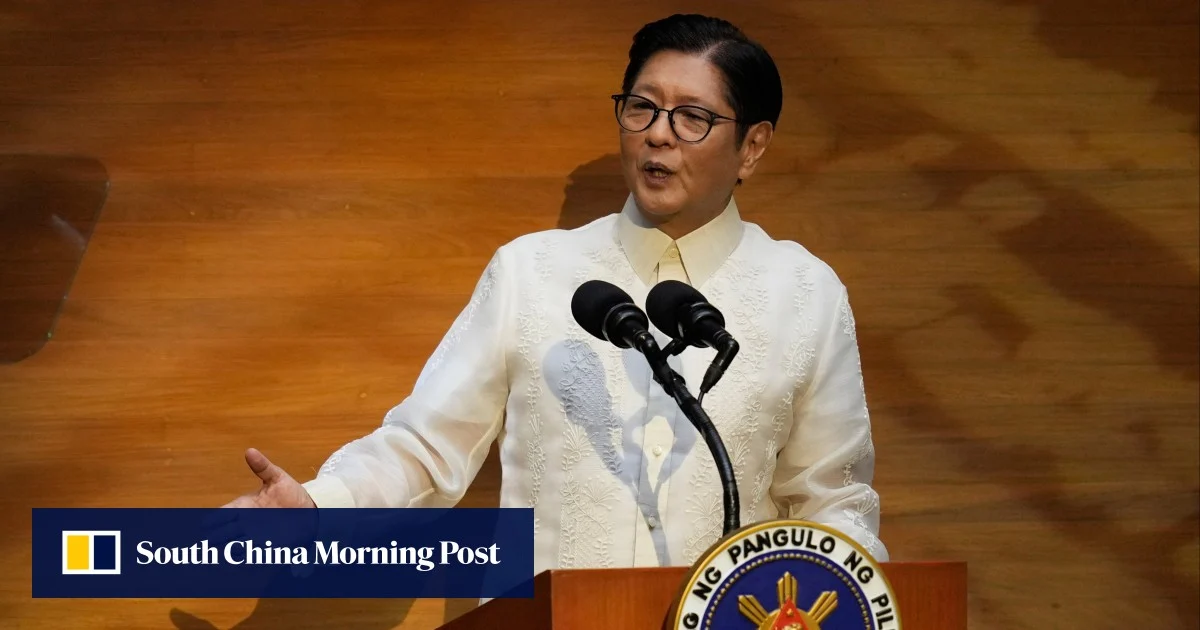
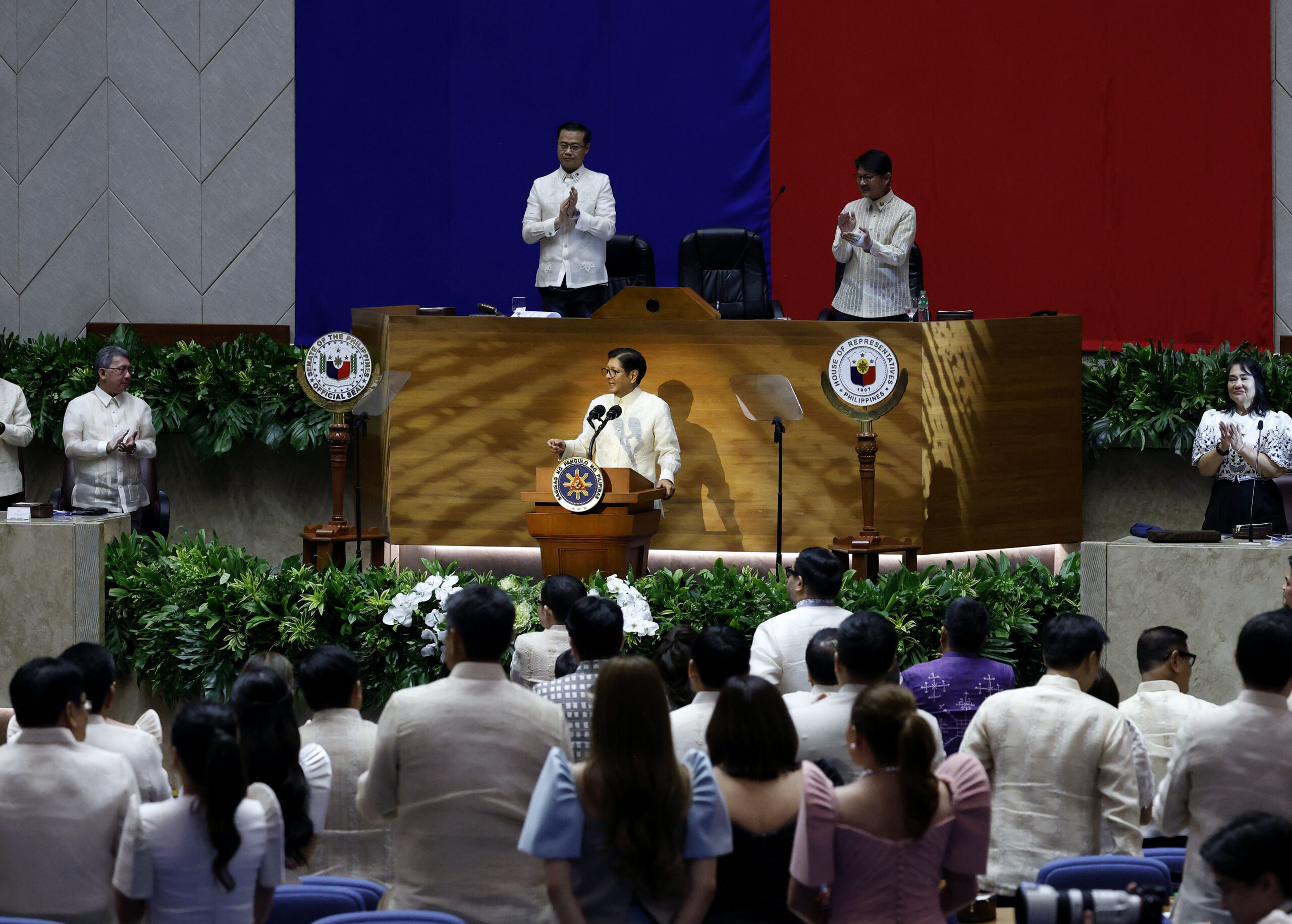
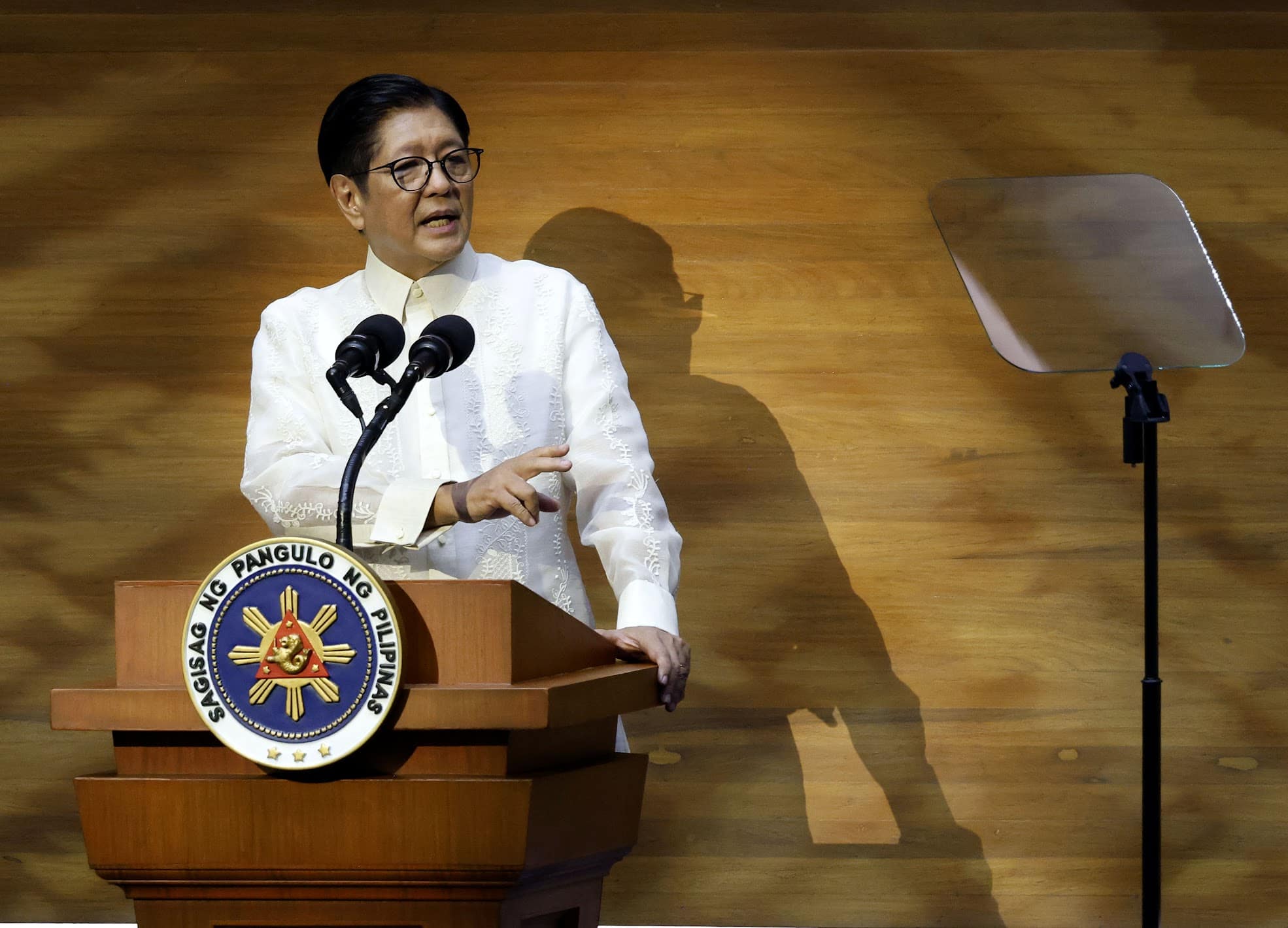
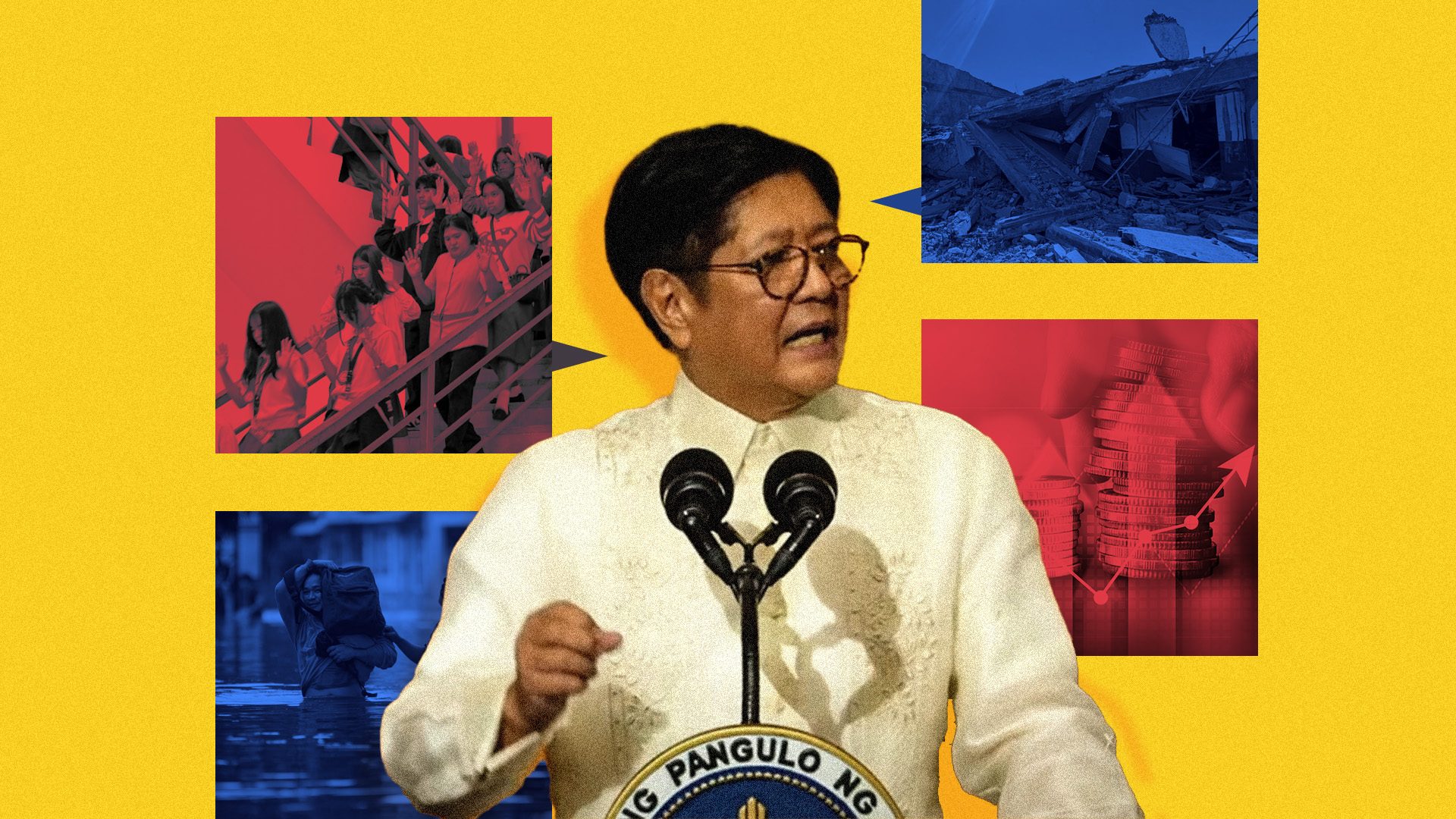
In his fifth State of the Nation Address (SONA) on Monday, July 27, Marcos said the country has moved on from a reactive approach to disasters and is gearing toward a predictive, digitally-aided system of response.
Environmental group Mindanao Climate Justice (MCJ) welcomed Marcos’ commitment to improving disaster response but said a digital-first approach alone could leave communities overlooked when power, communications, and transport networks fail.
For Bagong Alyansang Makabayan (BAYAN) Central Visayas, Marcos’ predictive approach does not address what the group called the root problem in the country’s disaster prevention and response system: corruption.
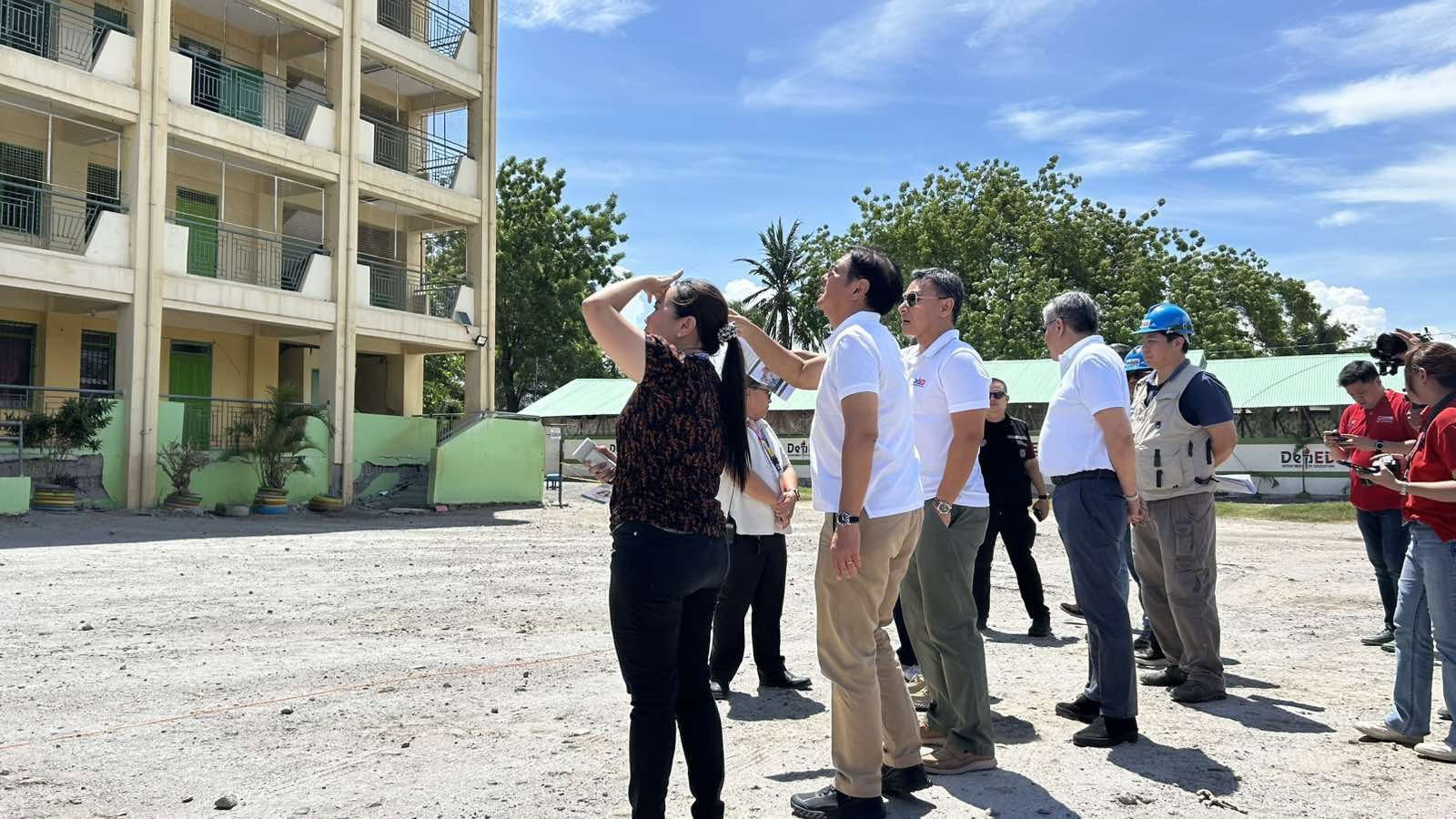
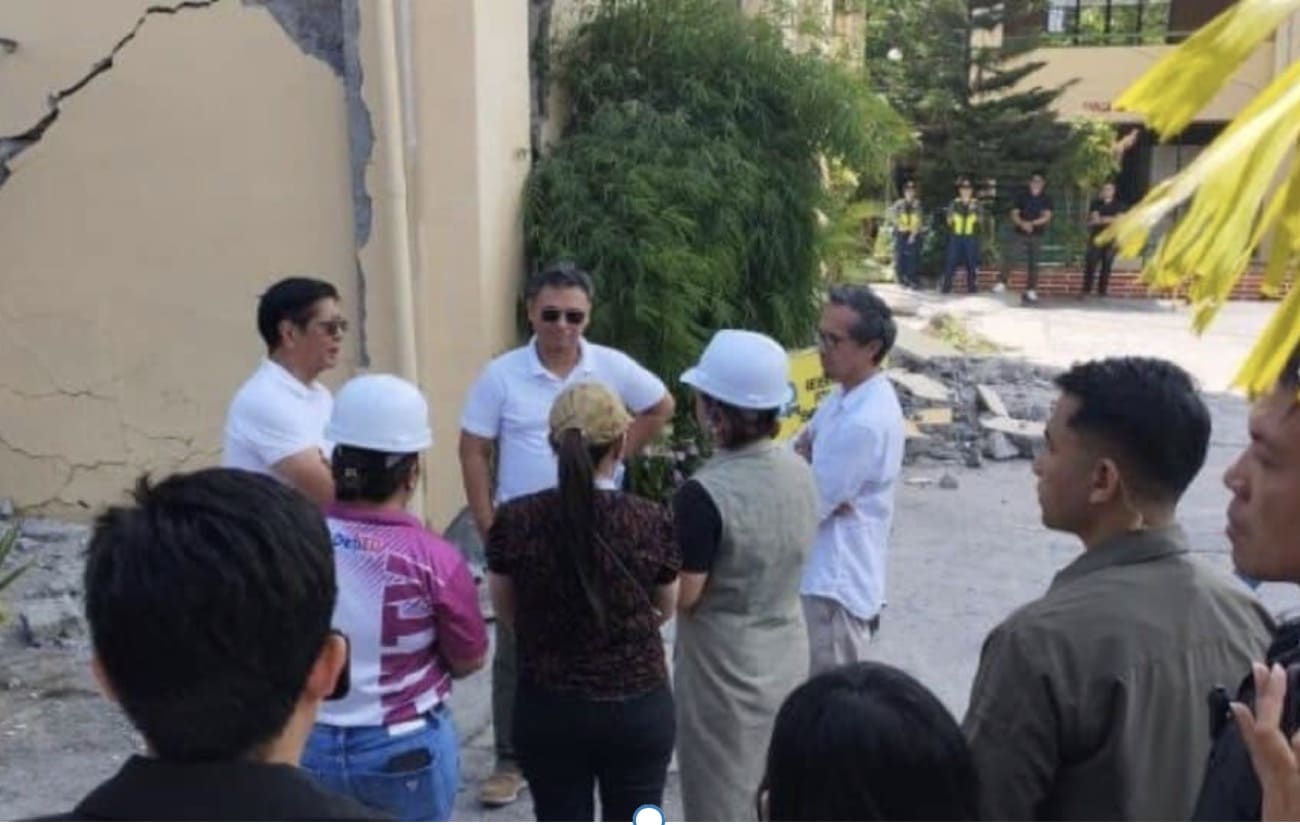
Marcos premised the government’s predictive disaster response approach on lessons learned from disasters in the Visayas and Mindanao, which resulted in the establishment of disaster resource centers and new response strategies.