Markets are preparing for an expensive winter in energy terms, following the latest escalation of the conflict in the Middle East.
The adverse scenario for the coming months is based on three factors: the geopolitical threat expanding to the Red Sea, an unprecedented squeeze on international refining capacity and a resurgence in gas prices as Europe fills its tanks ahead of winter.
The spillover of the conflict with Iran into the Red Sea, after the Houthis threatened a naval blockade of Saudi exports and strikes on two oil tankers last week, has put the second most important oil transport route from the Persian Gulf region under threat, too, after the Strait of Hormuz.
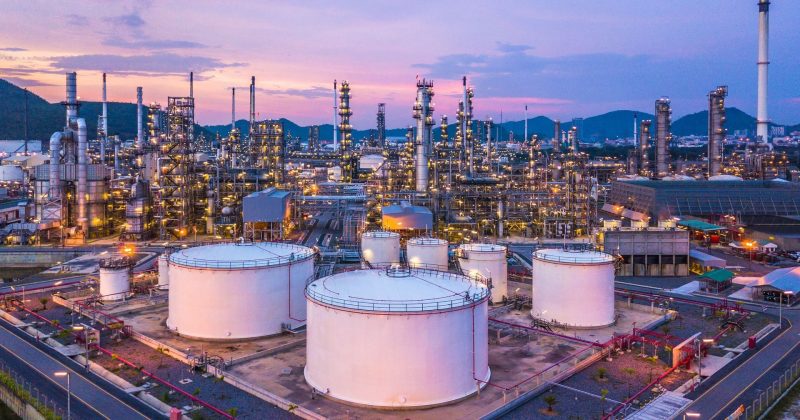
Another, potentially more prolonged, crisis is added to the losses of the Middle East: that of refineries. In this new phase, the problem shifts from the production and transportation of crude oil to the ability to convert it into finished products – gasoline, diesel and other fuels. A significant number of refineries in the Gulf have been affected, with there being no clear picture of when they may reopen yet, just as China has significantly reduced refining activity and fuel exports.
Even more pressure, especially on diesel, comes from the interruption of Russian exports, following a series of successful Ukrainian drone strikes on energy infrastructure.