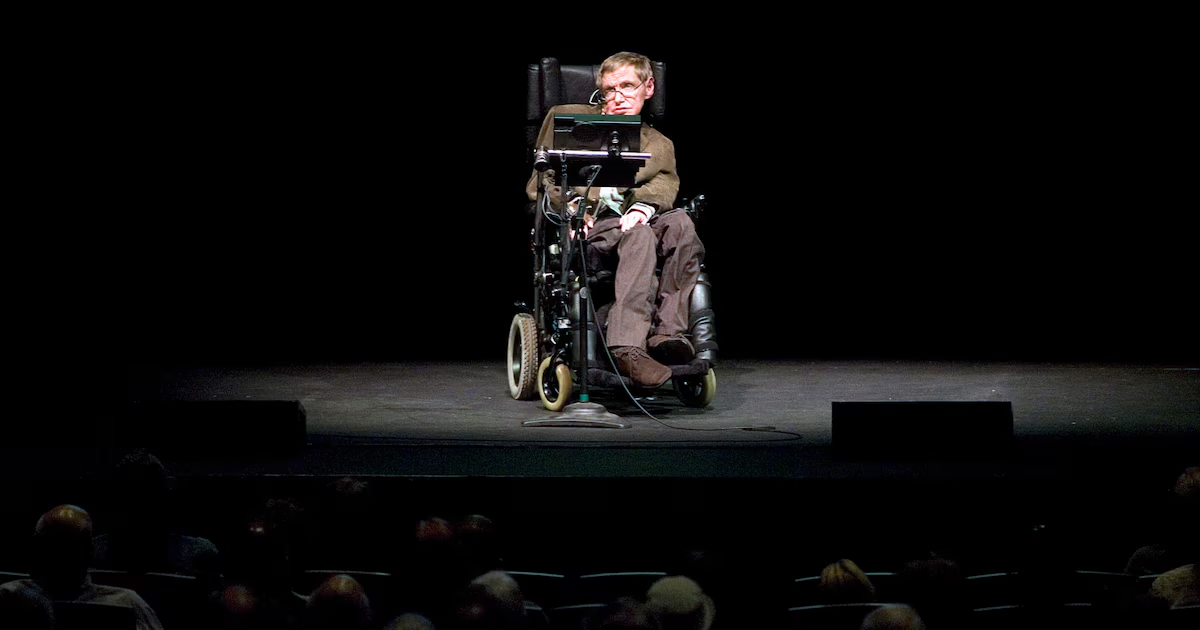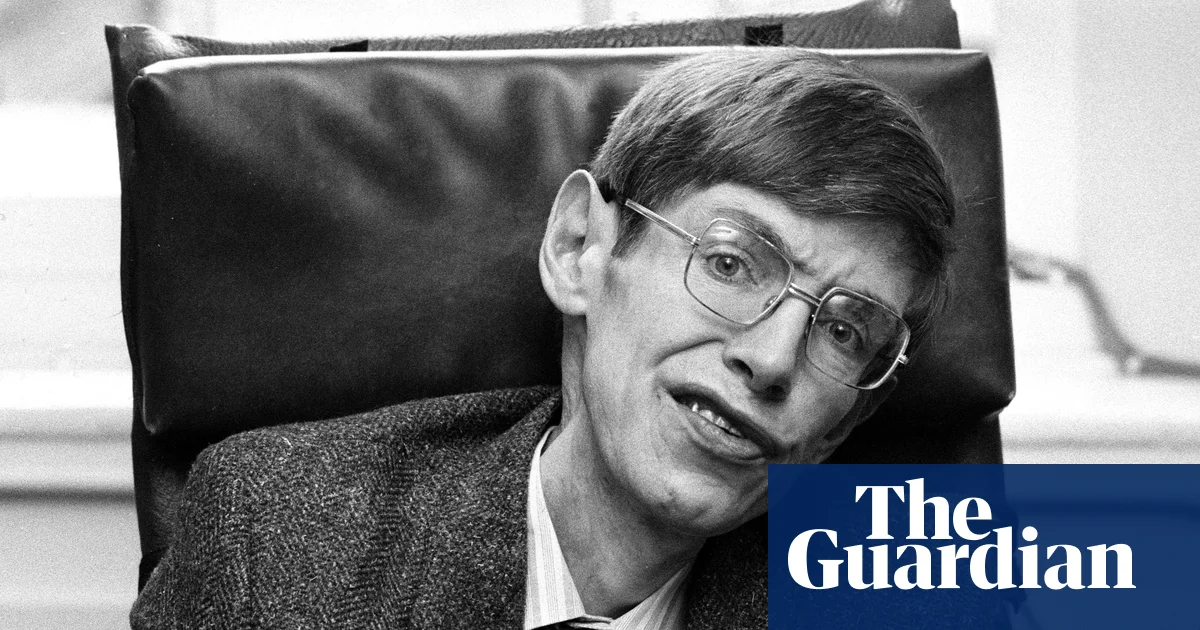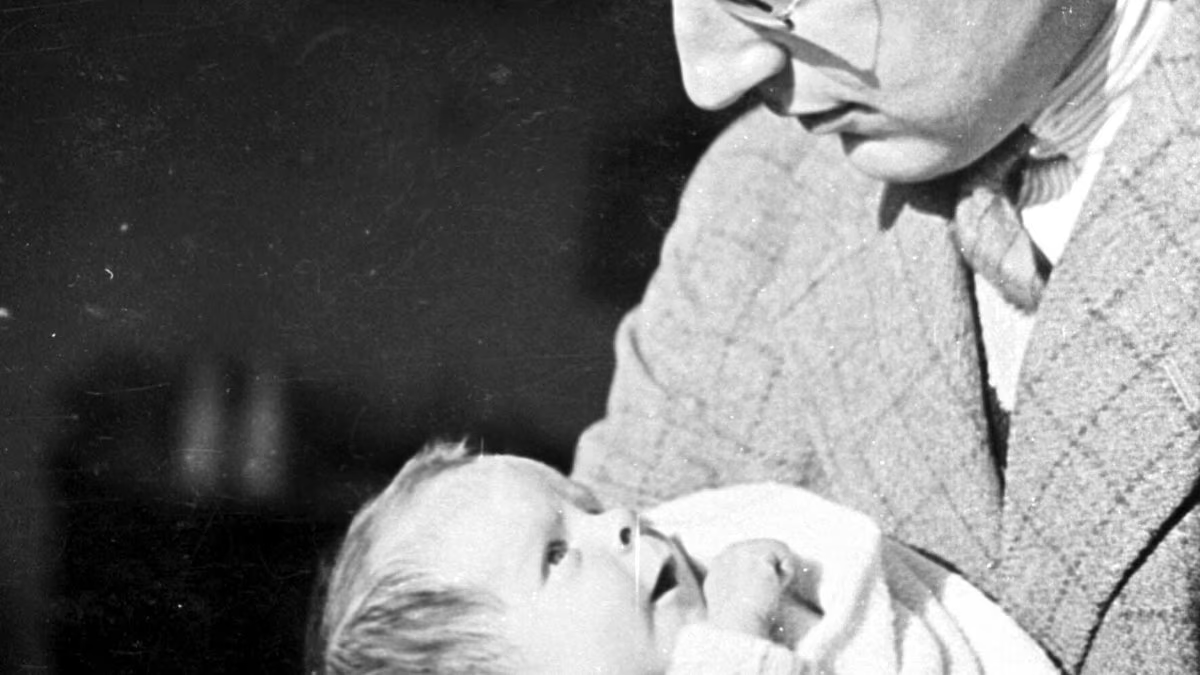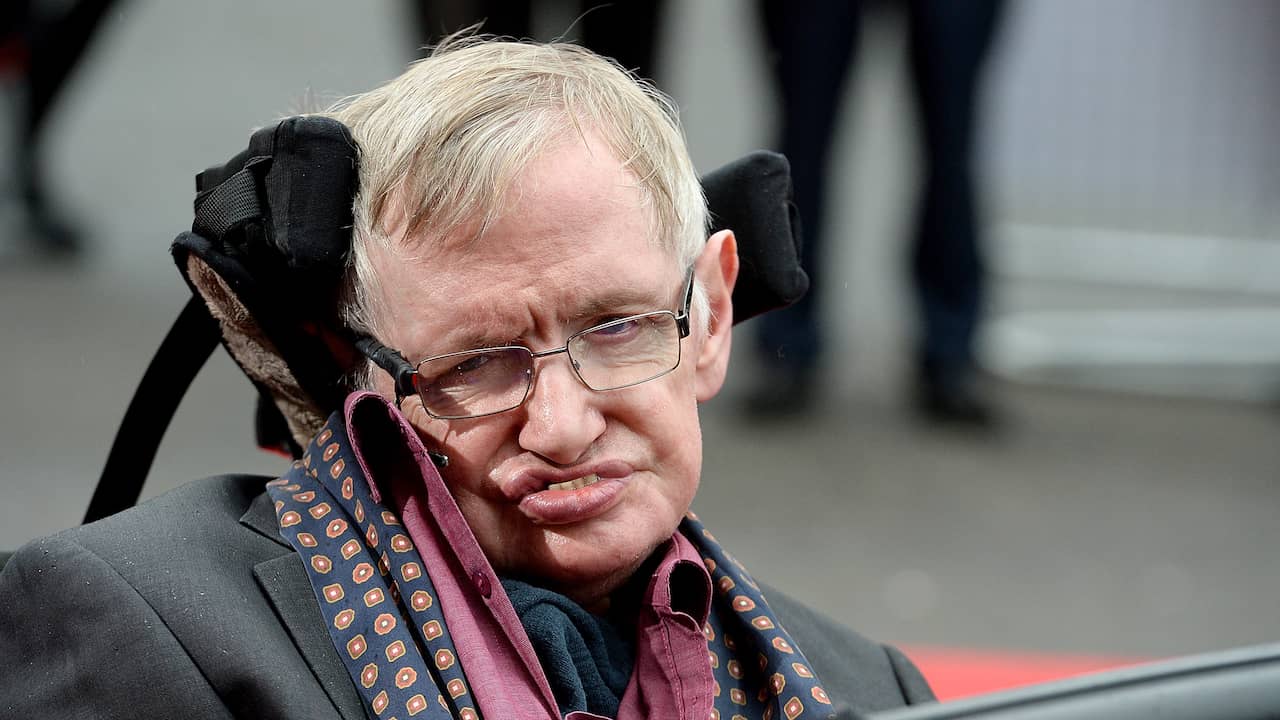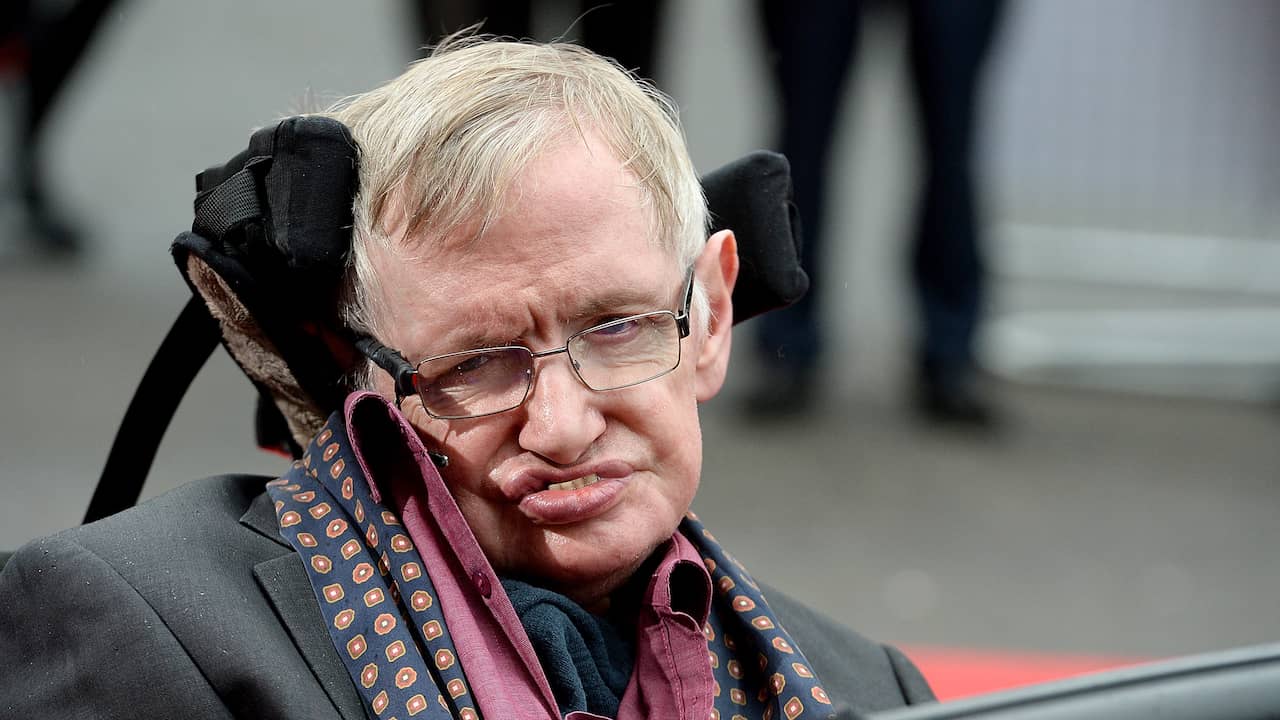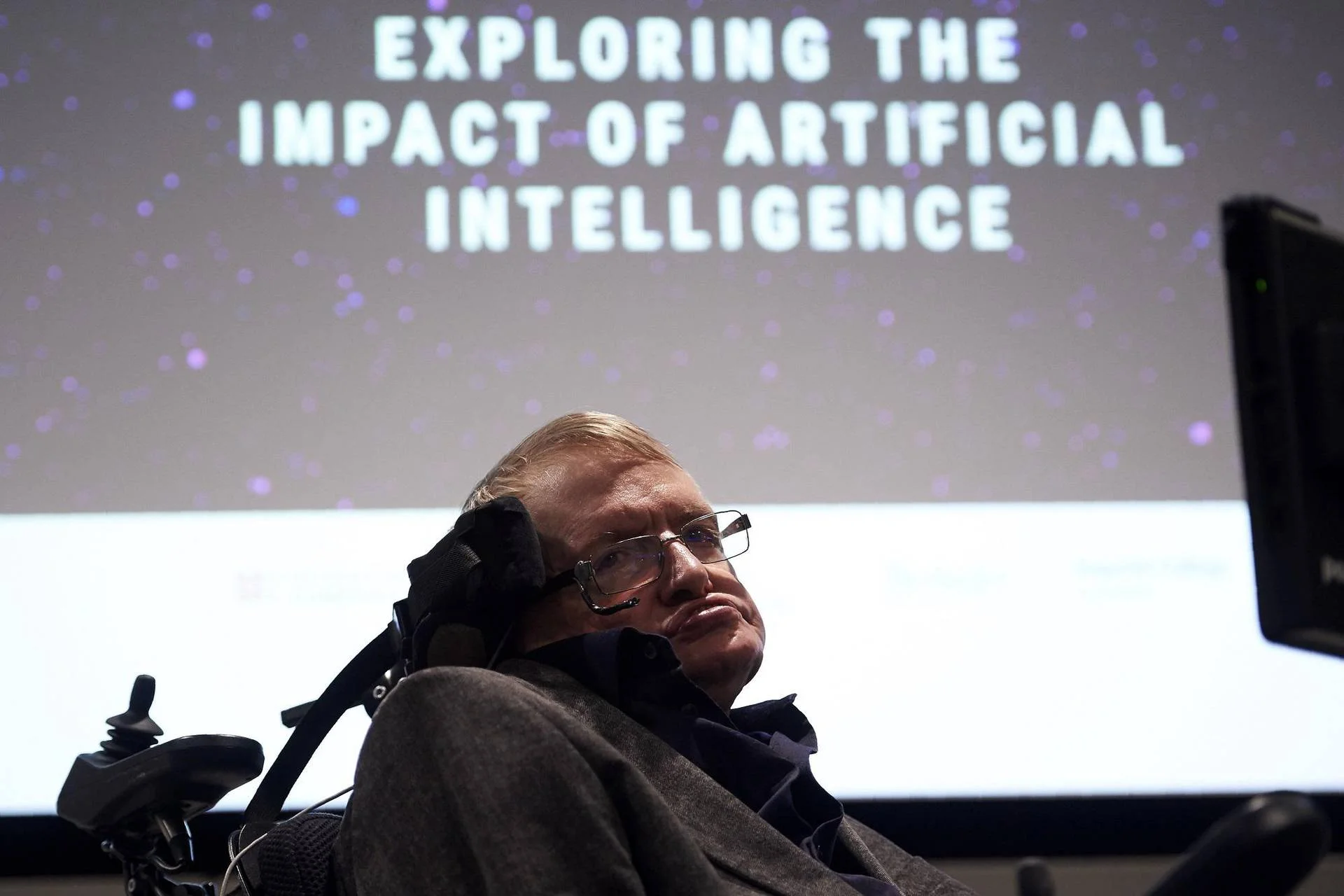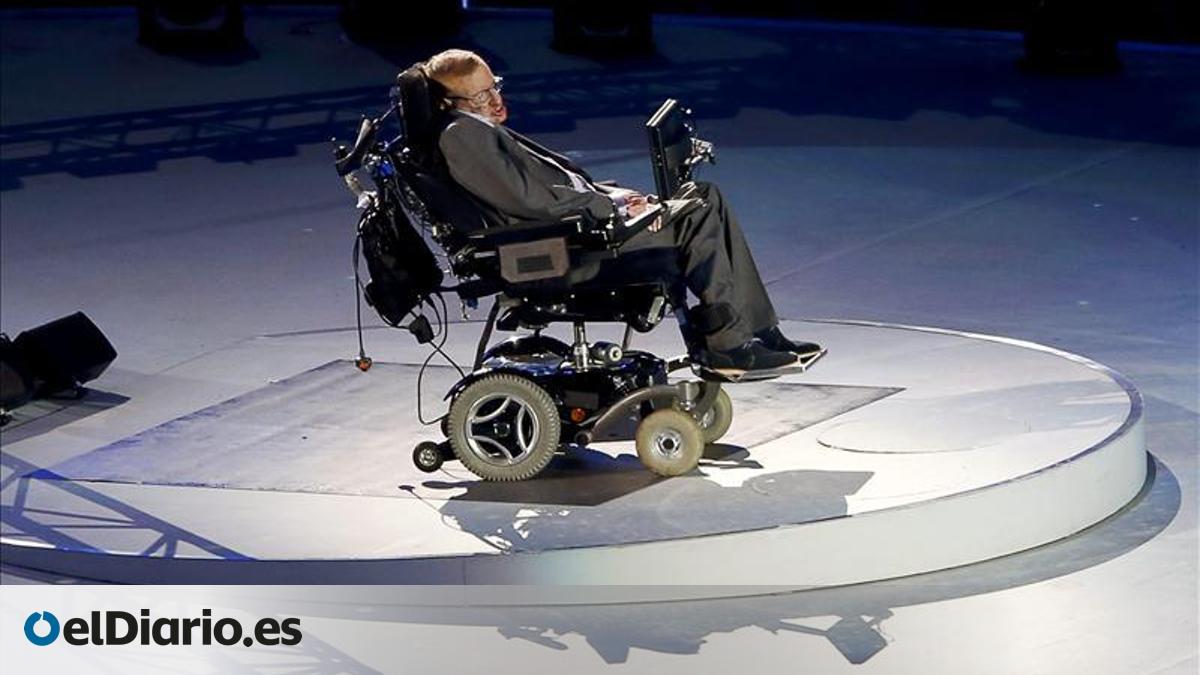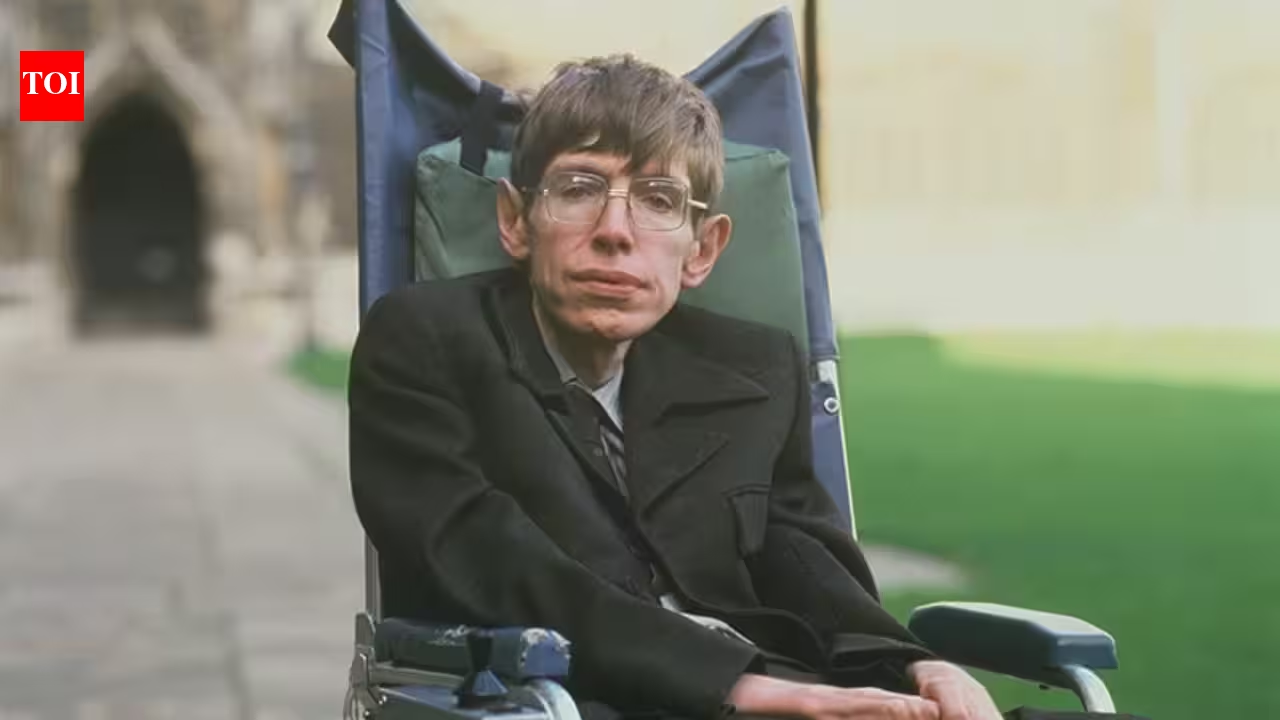
Stephen Hawking’s father used to worry that he ‘does not study much’!Think about Stephen Hawking for a second: the black holes, the bestselling books, the robotic voice, the pop-culture fame, the wild theories about time and the universe. He was the genius we all picture in our heads.Now, imagine discovering that his own dad, Frank Hawking, once feared that Stephen wouldn’t amount to much because he barely seemed to study!Sounds astonishing, right?But that’s what has come out, thanks to some newly uncovered diaries written by Hawking’s father. Before history knew Stephen Hawking, Frank simply saw a teenager who spent too much time lounging around and not enough time hitting the books!Per The Guardian, these revelations surfaced as biographer Graham Farmelo went hunting through family papers while working on what’s being billed as the first authorized Hawking biography. Inside, he found a portrait of young Stephen that’s surprisingly normal. Here was a family, just like any other, worrying whether their smart kid had actual ambition.The worrying years: A father’s takeLet’s rewind to 1961. Stephen Hawking is 19, starting out as an undergraduate at Oxford, and his father is seriously concerned. Frank Hawking, himself a respected researcher, wrote that Stephen “hangs round the house with little initiative and does not study much.” Worse, he noted, Stephen seemed less enthusiastic about physics lately, as if it wasn’t as high-status as the arts.If you’re a parent, you can probably relate. Is my child working hard enough? Are they wasting their potential? Frank’s fears could have come from any parent, at any time, except this time the “slacker” son would go on to become Stephen Hawking.The diary entries almost feel comic in hindsight.Cracking the codeFrank Hawking recorded his private thoughts carefully, as a lot of it was written in Greek script to keep family matters somewhat secret. The diaries sat hidden for decades, and only now, with the new biography, are people seeing what Hawking’s dad was really thinking as he watched his son drift through those early adult years.One thing’s for sure: Frank was really trying to figure Stephen out. How could someone so smart not show the “burning ambition” Frank felt at the same age? Was Stephen squandering his opportunities? These are classic parent questions, just with the benefit of hindsight that makes them extra charming and maybe a little bittersweet.The mind at workThe people who knew Stephen back then didn’t see him as classically motivated. He wasn’t the guy buried in textbooks all night. He thought deeply, grasped ideas quickly, built and took apart gadgets for fun, and loved to “talk science” with friends. His schoolmates called him “Einstein” (sometimes teasing, sometimes admiring), but it wasn’t clear to anyone that he’d transform science.Turns out, many remarkable people don’t give obvious clues when they’re young.Facing down fateThen, at 21, everything changed. Hawking was diagnosed with motor neurone disease (ALS), and doctors doubted he’d live long. Most would have given up. Hawking did the opposite: he focused harder, dove into theoretical physics, and started the work that would shake up our knowledge of black holes and the universe itself.Suddenly, the quiet, drifting young man found a life-defining purpose.What Hawking achievedHawking’s breakthroughs are legendary. His work on black holes, showing they emit “Hawking radiation” and aren’t totally inescapable, rocked the world of physics. His book, A Brief History of Time, made mind-bending theories mainstream. His synthesized voice made him a pop icon. Despite his physical limitations, he inspired millions by reaching beyond any imaginable barrier.The real lesson in those diariesSo, what do we take from these old, hidden pages? Brilliance doesn’t always look obvious. History’s greatest minds often spend years seeming average, distracted, or hard to read, even to those closest to them. It’s only after the fact that the whole picture makes sense. The kid who “didn’t study enough” became the scientist who changed our understanding of the universe forever. Frank Hawking’s worries weren’t misplaced; they were just the same anxieties that fill any kitchen, in any era, anywhere.
Did you know? Stephen Hawking’s father used to worry that he ‘does not study much’
Think about Stephen Hawking for a second: the black holes, the bestselling books, the robotic voice, the pop-culture fame, the wild theories about time and the universe. He was the genius we all picture in our heads.
665 words~3 min read